
Hohhot vs. Birgañj: Detailed 2026 Cost of Living & Quality Comparison
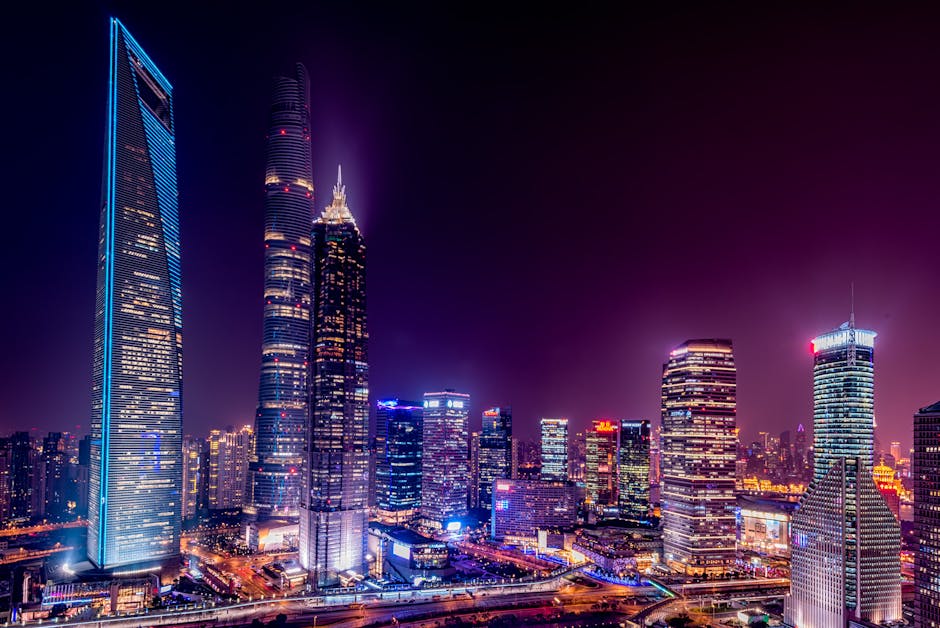 Hohhot
Image by:Peng LIU,,
Hohhot
Image by:Peng LIU,,
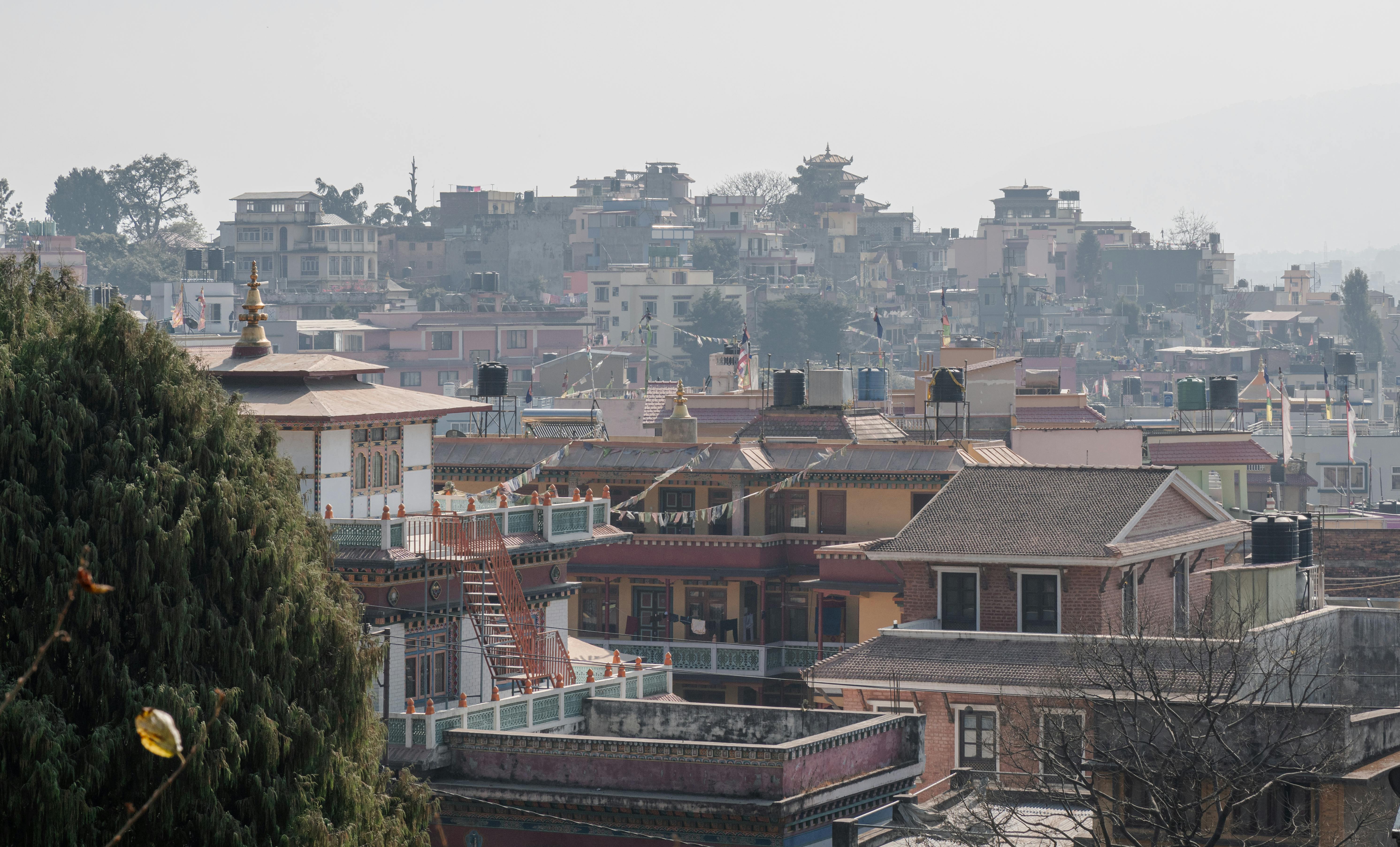 Birganj
Image by:Roman Saienko
Birganj
Image by:Roman Saienko
Hohhot, a major metropolis in China with over two and a half million inhabitants, operates within a vastly different economic framework than Birgañj, a smaller Nepalese city with a population of around 136,000. Hohhot's GDP per capita stands at $22,100, significantly higher than Birgañj's $4,900, reflecting its larger scale and economic power. This fundamental difference sets the stage for divergent living experiences, with Hohhot presenting a modern urban environment characterized by higher income levels, while Birgañj offers a more modest lifestyle with correspondingly lower expenses. The comparison between these two cities highlights the inherent trade-offs between economic scale and the associated cost structures.
The economic disparity directly translates into the cost of living and housing. Hohhot boasts significantly higher average monthly net salaries after tax, at $799.67 compared to Birgañj's $170.26. Consequently, the city's cost of living index is higher across most categories. While Hohhot's property prices are substantially greater – $3,405 per square meter in the city center and $2,205 outside – these figures are still considerably lower than Birgañj's city center price of $681 per square meter. However, the lower salaries in Birgañj mean that, despite the lower absolute cost, the percentage of income potentially allocated to housing could be significantly higher than in Hohhot, assuming similar housing requirements. Furthermore, Hohhot's lower mortgage interest rate (10.11%) compared to Birgañj's (15.0%) makes homeownership more financially feasible relative to its own economic scale.
Assessing quality of life reveals clear advantages for Hohhot. Healthcare access and quality are expected to be more advanced and readily available in the major Chinese city compared to the smaller Nepalese town. Public safety and political stability are typically higher in large urban centers like Hohhot, suggesting a safer environment. Environmental quality, while potentially facing challenges in rapidly developing centers, is generally better managed in Hohhot than in the smaller Birgañj, which might experience more pronounced local pressures. Standard international indicators point towards Hohhot offering a superior quality of life concerning healthcare, safety, and environmental management.
From an investment and career perspective, Hohhot presents vastly superior opportunities. Driven by its significantly higher GDP growth rate (5.25% vs. 1.95%) and robust infrastructure, Hohhot offers greater potential for career advancement, higher earning potential over time, and a more diversified job market. It benefits from China's overall economic strength and development trajectory, providing a dynamic and expanding professional environment. In stark contrast, Birgañj, part of Nepal, faces limitations due to its slower-growing economy, fewer high-paying job opportunities, and a smaller market. While niche possibilities exist, the overall investment potential and career security are considerably more limited in Birgañj.
The core conclusion drawn from the comparison is the existence of a clear dichotomy between Hohhot, a thriving, economically powerful Asian metropolis, and Birgañj, a smaller Nepalese town. Hohhot provides significantly higher income potential, demonstrably better quality of life indicators (healthcare, safety, environment), and vastly superior prospects for investment and career development. This comes at the cost of a correspondingly higher expense burden across most living categories. Birgañj, conversely, offers a much lower cost of living but falls short significantly in economic opportunity, infrastructure, safety, and overall quality of life. The decision between these two cities involves a significant trade-off between financial reward, lifestyle comfort, and financial burden, with Hohhot representing a much more affluent, albeit expensive, urban experience compared to the more affordable but constrained environment of Birgañj.
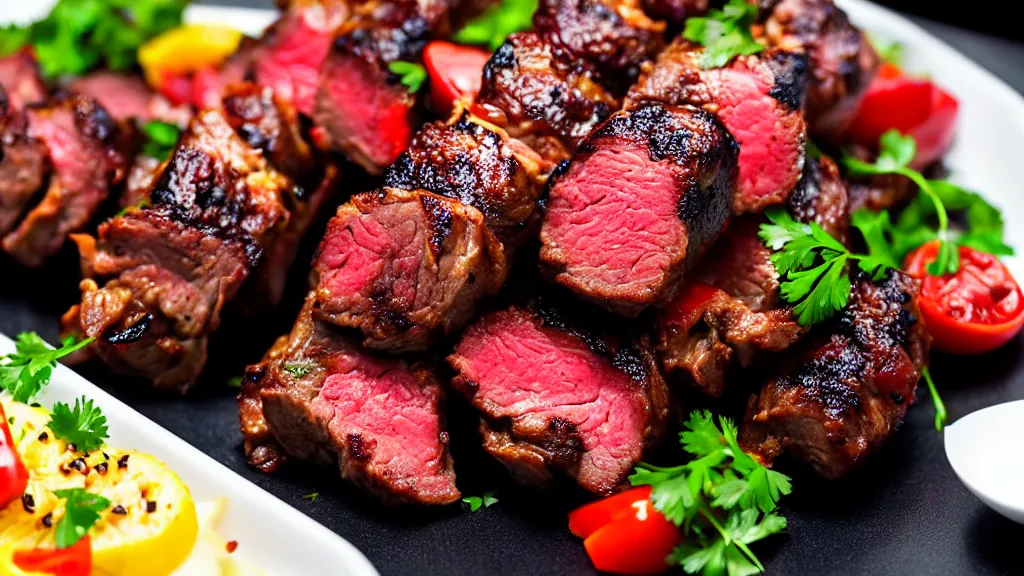 Hohhot
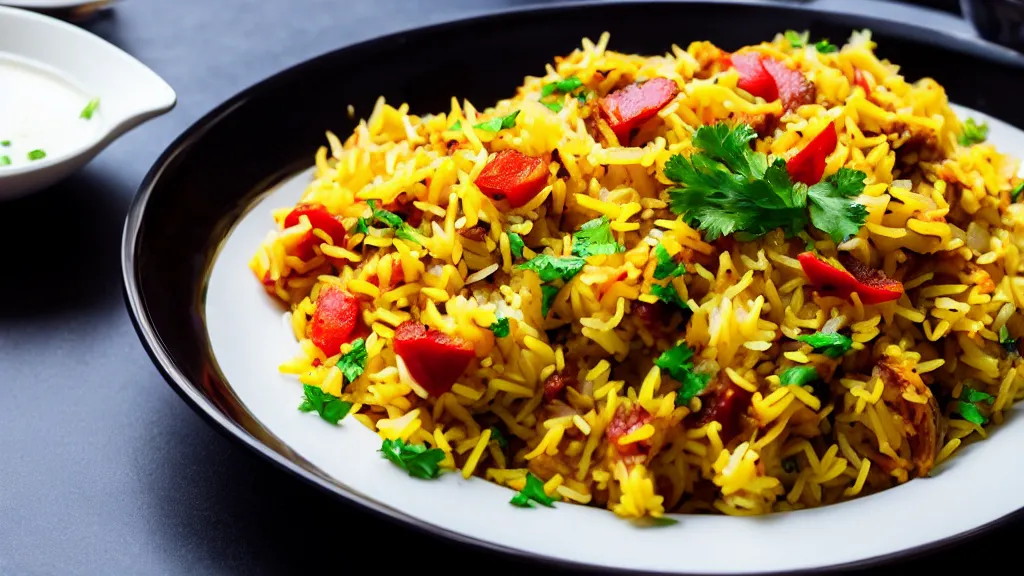 Birganj
Local cuisine & dishes
Hohhot
Birganj
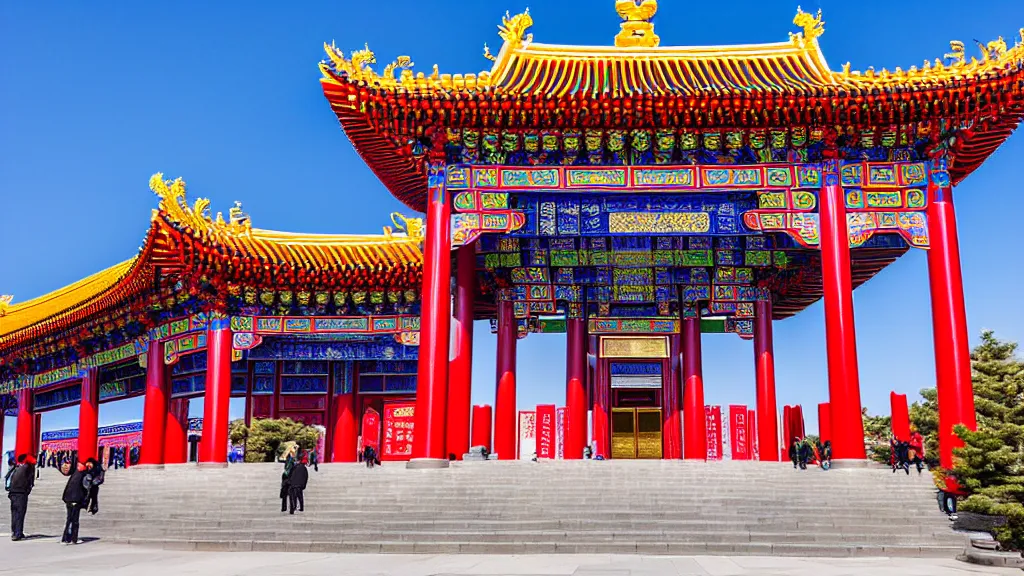 Hohhot
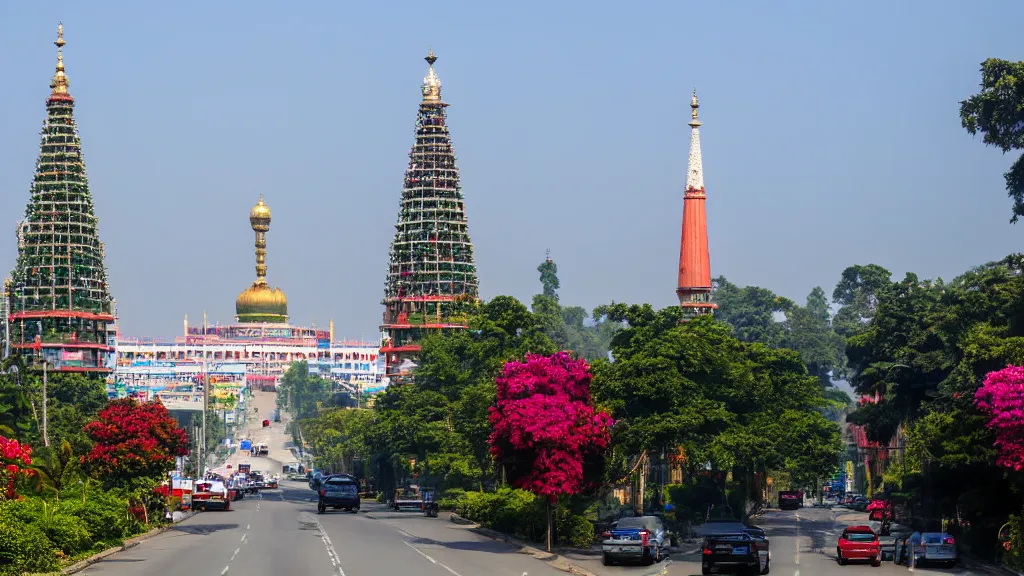 Birganj
Travel & attractions
Hohhot
Birganj
Real estate & living comparison
| Hohhot | Birganj | |
|---|---|---|
| Price per Square Meter to Buy Apartment in City Centre | 1595.96 USD | 681.02 USD |
| Price per Square Meter to Buy Apartment Outside of Centre | 1160.7 USD | 510.77 USD |
| International Primary School, Annual Tuition per Child | 29059.21 USD | 5041.83 USD |
| Private Full-Day Preschool or Kindergarten, Monthly Fee per Child | 363.24 USD | 68.86 USD |
| Jeans (Levi's 501 or Similar) | 58.12 USD | 22.6 USD |
| Men's Leather Business Shoes | 58.12 USD | 17.03 USD |
| Apples (1 kg) | 1.45 USD | 2.16 USD |
| Bananas (1 kg) | 0.97 USD | 1 USD |
| 1 Bedroom Apartment in City Centre | 195.87 USD | 35.75 USD |
| 1 Bedroom Apartment Outside of City Centre | 174.1 USD | 40.86 USD |
| Bottled Water (0.33 Liter) | 0.29 USD | 0.14 USD |
| Cappuccino (Regular Size) | 3.39 USD | 1.66 USD |
| Annual Mortgage Interest Rate (20-Year Fixed, in %) | 3.75 USD | 15 USD |
| Average Monthly Net Salary (After Tax) | 797.98 USD | 170.26 USD |
| Cinema Ticket (International Release) | 5.09 USD | 2.04 USD |
| Monthly Fitness Club Membership | 32.69 USD | 13.62 USD |
| Gasoline (1 Liter) | 1.22 USD | 1.12 USD |
| One-Way Ticket (Local Transport) | 0.15 USD | 0.14 USD |
| Basic Utilities for 85 m2 Apartment (Electricity, Heating, Cooling, Water, Garbage) | 39.96 USD | 30.25 USD |
| Broadband Internet (Unlimited Data, 60 Mbps or Higher) | 7.26 USD | 8.06 USD |
| Population | 2,866,615 | 135,904 |
Last updated: 2026-04-05T11:47:12+00:00
Comments for this comparison