
Huaibei vs. Thái Nguyên: Detailed 2026 Cost of Living & Quality Comparison
 Huaibei
Image by:Mad Skillz,,
Huaibei
Image by:Mad Skillz,,
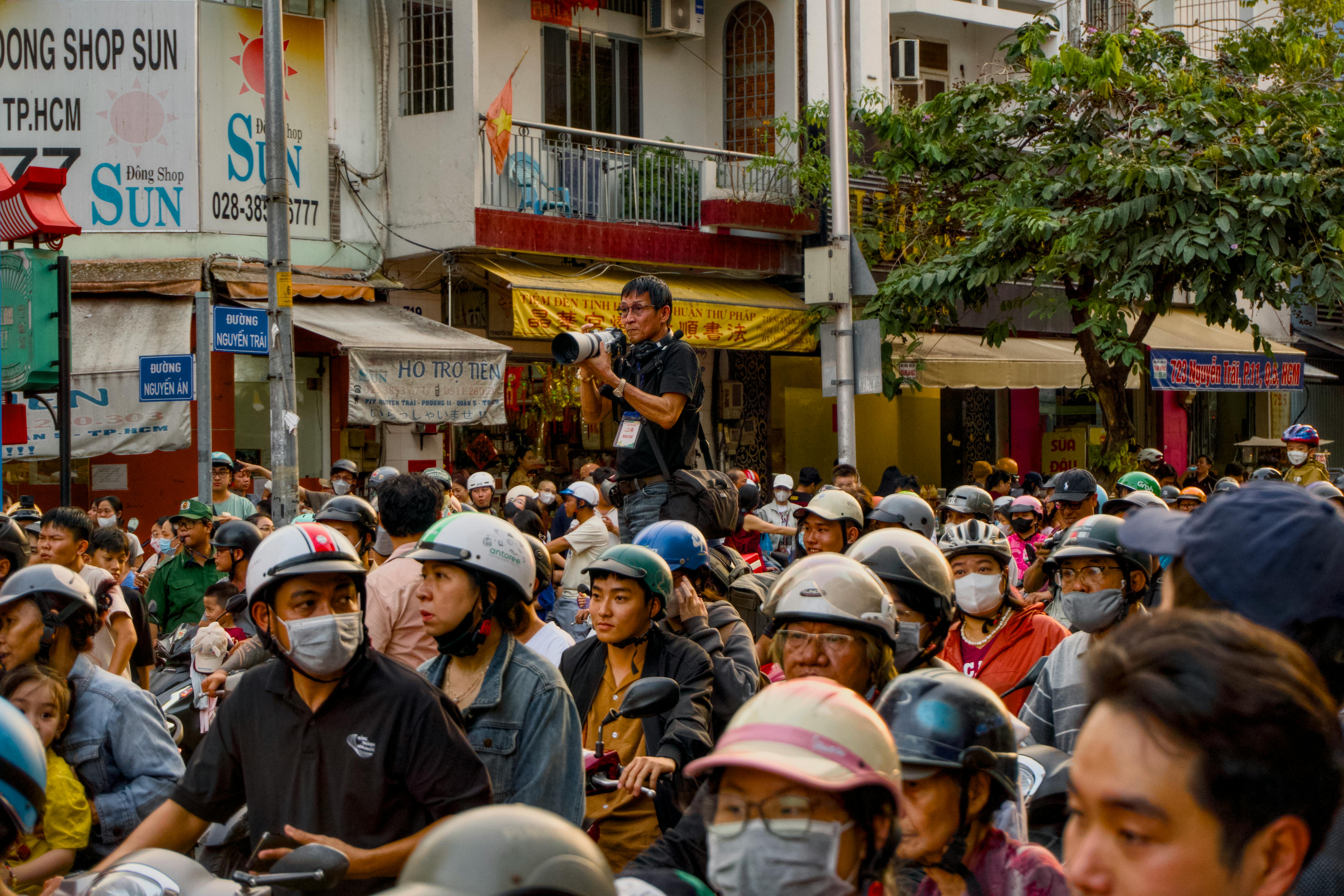 Thai Nguyen
Image by:Tuan Vy
Thai Nguyen
Image by:Tuan Vy
Huaibei, a large Chinese city with over 1.9 million inhabitants, presents a fundamentally different economic and living environment compared to Vietnam's Thái Nguyên, a significantly smaller city with around 420,000 residents. This vast difference in scale immediately shapes their urban characteristics and economic structures. Numerically, the cost of living in Huaibei, as indicated by data for Nanjing and Jinan (used as proxies here), is substantially higher than in Thái Nguyên. Basic expenses like groceries, dining out, and transportation are considerably more expensive in the Chinese city. This trend extends to property values, where inferred Huaibei prices are much higher than the available Thái Nguyên rental costs, highlighting a stark difference in housing affordability, even without direct Huaibei property price figures.
Economically, the picture is complex. While Thái Nguyên shows a higher GDP per capita ($13,500) and a slightly faster growth rate (5.05%), Huaibei's economic indicators are less direct, relying on data from larger Chinese cities. Notably, Thái Nguyên offers significantly lower mortgage interest rates (8.35%) than what might be implied for Huaibei, potentially making homeownership more accessible despite potentially lower nominal salaries there. The data clearly shows that housing costs in Huaibei are vastly more expensive than renting in Thái Nguyên, reflecting a major affordability gap. The differing economic structures directly influence the cost of living and investment potential between these distinct urban environments.
Assessing quality of life presents challenges due to data inconsistencies, but the available metrics offer insights. Quality of life scores for Nanjing and Jinan (used as proxies for Huaibei) appear higher than most scores for regions within Thái Nguyên, suggesting potentially better urban amenities, infrastructure, and services in the Chinese cities. However, direct childcare costs tell a different story: annual tuition for international primary schools is lower in Thái Nguyên ($20,056.72) than the implied Nanjing figure ($21,763.10), though private preschool costs are significantly lower in Thái Nguyên ($563.40/month vs. $1,441.70/month). Access to leisure is also cheaper in Thái Nguyên, with a cinema ticket costing just $3.92 compared to $5.80 in Nanjing, despite the overall higher cost of living in the Chinese city.
For career and investment opportunities, the data points towards different priorities. Thái Nguyên, despite being smaller, shows a higher GDP per capita and growth rate, suggesting potential dynamism and better affordability for certain investments, particularly given its lower property costs. The lower mortgage rates could also be attractive for long-term investments. Huaibei, situated within a major Chinese economic hub, likely offers broader job markets and higher salaries, though direct salary data isn't provided. The differing economic structures mean career prospects and investment returns may favour Huaibei for those integrated into its regional economy, while Thái Nguyên might present better opportunities for specific industries or smaller-scale investments focused on affordability.
Ultimately, Huaibei and Thái Nguyên represent two distinct worlds. Huaibei, as a large Chinese city, commands significantly higher costs for living essentials, housing, and potentially salaries, despite lacking clear direct economic indicators. In contrast, Thái Nguyên offers a substantially lower cost of living, particularly concerning groceries, dining, and housing, alongside a higher GDP per capita and potentially better affordability for homeownership, despite higher mortgage rates. While quality of life metrics are harder to directly compare due to data limitations, the clear lower cost structure and potentially higher economic dynamism (based on available GDP figures) suggest Thái Nguyên is preferable for those prioritizing affordability and seeking investment opportunities in a developing Asian economy, whereas Huaibei represents a more established but significantly more expensive urban setting.
 Huaibei
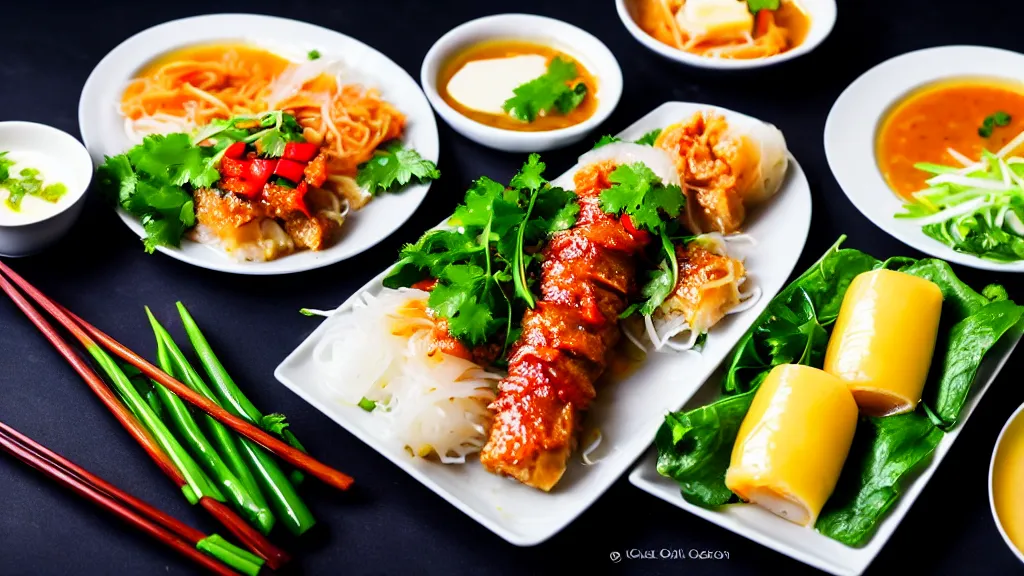 Thai Nguyen
Local cuisine & dishes
Huaibei
Thai Nguyen
 Huaibei
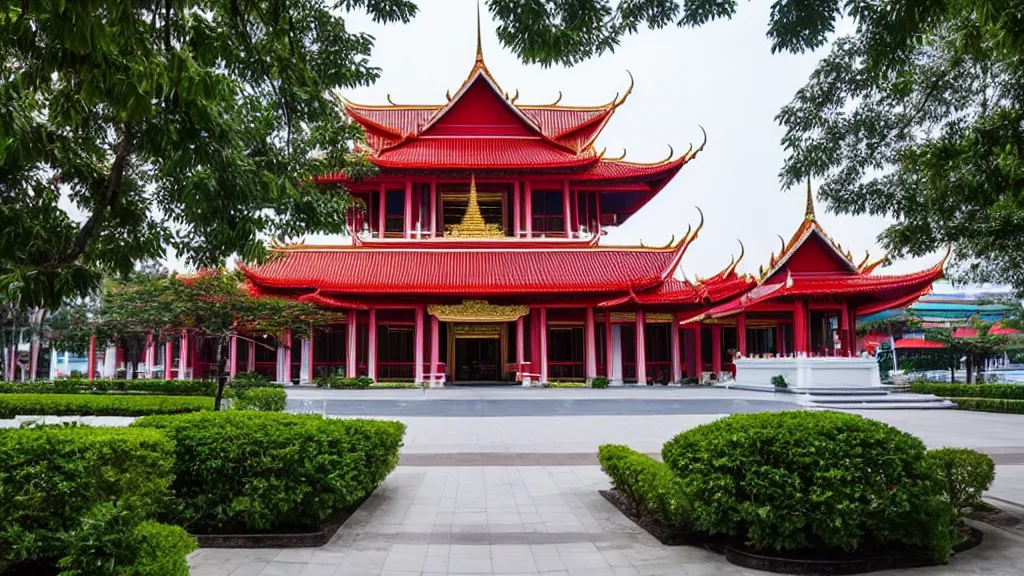 Thai Nguyen
Travel & attractions
Huaibei
Thai Nguyen
Real estate & living comparison
| Huaibei | Thai Nguyen | |
|---|---|---|
| International Primary School, Annual Tuition per Child | 21763.1 USD | 20056.72 USD |
| Private Full-Day Preschool or Kindergarten, Monthly Fee per Child | 1441.7 USD | 563.4 USD |
| Jeans (Levi's 501 or Similar) | 48.04 USD | 43.78 USD |
| Men's Leather Business Shoes | 94.31 USD | 80.62 USD |
| Apples (1 kg) | 2.04 USD | 3.22 USD |
| Bananas (1 kg) | 1.25 USD | 1.06 USD |
| Bottled Water (0.33 Liter) | 0.26 USD | 0.24 USD |
| Cappuccino (Regular Size) | 2.94 USD | 1.83 USD |
| Annual Mortgage Interest Rate (20-Year Fixed, in %) | 3.56 USD | 8.35 USD |
| Cinema Ticket (International Release) | 5.8 USD | 3.92 USD |
| Gasoline (1 Liter) | 1.14 USD | 0.79 USD |
| Taxi 1 Hour Waiting (Standard Tariff) | 8.71 USD | 2.29 USD |
| Basic Utilities for 85 m2 Apartment (Electricity, Heating, Cooling, Water, Garbage) | 50.37 USD | 73.84 USD |
| Broadband Internet (Unlimited Data, 60 Mbps or Higher) | 6.96 USD | 9.15 USD |
| Population | 1,970,265 | 420,000 |
Last updated: 2026-04-05T05:18:01+00:00
Comments for this comparison