
Ibadan vs. Saanich: Detailed 2026 Cost of Living & Quality Comparison
 Ibadan
Image by:Samuel Moses
Ibadan
Image by:Samuel Moses
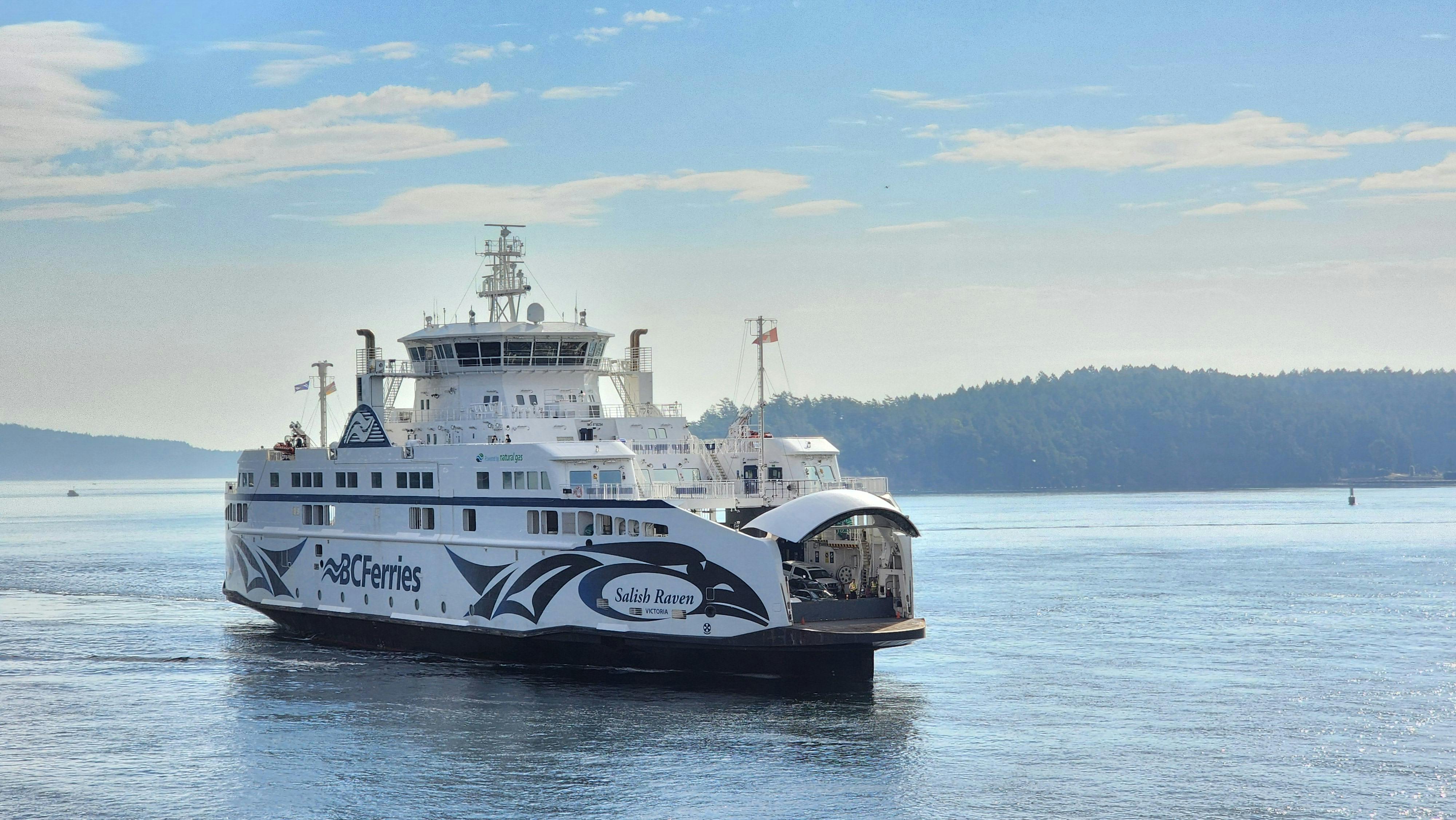 Saanich
Image by:Jasleen Singh
Saanich
Image by:Jasleen Singh
Ibadan, a major urban center in Nigeria with over three and a half million inhabitants, operates within a developing nation framework, contrasting sharply with Saanich, a smaller, affluent community in British Columbia, Canada, home to about 117,735 people. This fundamental difference in scale immediately sets the stage for a comparison between a rapidly developing, large African metropolis and a stable, smaller North American municipality. The economic profiles, cost structures, and quality of life metrics for these vastly different locations are expected to differ significantly, shaped by their distinct national contexts, economic development stages, and geographical locations.
Economically, Ibadan's position is defined by its lower GDP per capita ($5,600) and higher population growth rate (2.52%), reflecting a developing economy. The average net monthly salary in Ibadan stands at $116.29, considerably lower than Saanich's $3,031.40. This substantial salary differential directly impacts the cost of living, particularly housing. While property prices in Ibadan are lower than in Saanich, the city center still commands a significant sum, such as $828.15 per square meter for apartments. Saanich benefits from a stable economy with a significantly higher GDP per capita ($55,900) and lower mortgage interest rates (4.64% compared to Ibadan's 18.07%), making homeownership and long-term financial planning more feasible. The cost of living indices also generally indicate higher expenses in urban centers like Ibadan compared to Saanich, despite the lower absolute costs in nominal terms.
The quality of life in Ibadan and Saanich presents a contrasting picture influenced by their respective national contexts and developmental stages. Ibadan's Quality of Life Index is reported at 63.47, significantly lower than Saanich's implied index based on Victoria (10.25). Key components like safety show a dramatic difference, with Ibadan's Safety Index at 42.1 versus Saanich's much higher implied safety levels. Healthcare access and quality also differ, with Ibadan's Health Care Index at 57.64 compared to likely higher standards in Canada. Environmental factors are telling, as Ibadan's Pollution Index stands at 85.34, indicating significant air quality concerns, whereas Saanich's data suggests cleaner environments typical of affluent Canadian municipalities. Climate Index data shows Ibadan at 71.84, while Victoria's climate index suggests a potentially more temperate environment than many Nigerian cities. Commuting in Ibadan is notably stressful, with a Traffic Commute Time Index of 63.0, unlike the likely more efficient public transport in Saanich.
From an investment and career perspective, Saanich presents a more stable and potentially lucrative proposition. The significantly higher average net salary in Saanich ($3,031.40/month) versus Ibadan ($116.29/month) directly impacts savings potential and investment capacity. Saanich also boasts much lower mortgage interest rates (4.64% vs. Ibadan's 18.07%), making property investment far less risky and costly. The economic stability of Canada, reflected in Saanich's GDP growth rate (1.25%) and population growth rate (0.71%), provides a more predictable environment for long-term investment compared to Nigeria's higher GDP growth (2.86%) but still developing economy. Career prospects in Saanich, likely within a developed country's job market, would generally offer better remuneration, job security, and professional development opportunities than the broader range of options found in a large city like Ibadan. The lower cost of living in Ibadan relative to its income might offer savings, but the overall economic stability and career trajectory are likely superior in Saanich.
In conclusion, the comparison between Ibadan and Saanich reveals two distinct environments catering to very different needs and preferences. Ibadan offers the allure of a large, rapidly growing African city, potentially providing lower absolute costs for basic necessities and housing, albeit with significant challenges related to safety, pollution, and infrastructure. Saanich presents a high-quality lifestyle in a stable, affluent Canadian community, characterized by significantly higher salaries, lower mortgage rates, better safety and healthcare, and a likely superior quality of life index. While Ibadan might be appealing for those prioritizing lower living costs in a dynamic developing market, Saanich represents a more stable, comfortable, and economically secure option, particularly for individuals or families seeking higher income potential, better public services, and a generally safer, cleaner environment. The choice between these two cities fundamentally depends on whether the priorities lean towards economic development in a challenging but potentially high-reward setting or towards stability, comfort, and predictability in a developed community.
 Ibadan
 Saanich
Local cuisine & dishes
Ibadan
Saanich
 Ibadan
 Saanich
Travel & attractions
Ibadan
Saanich
Real estate & living comparison
| Ibadan | Saanich | |
|---|---|---|
| International Primary School, Annual Tuition per Child | 1882.06 USD | 24390.94 USD |
| Private Full-Day Preschool or Kindergarten, Monthly Fee per Child | 49.78 USD | 1023.96 USD |
| Jeans (Levi's 501 or Similar) | 18.13 USD | 57.4 USD |
| Men's Leather Business Shoes | 29.6 USD | 106.45 USD |
| Apples (1 kg) | 2.4 USD | 4.26 USD |
| Bananas (1 kg) | 1.2 USD | 1.6 USD |
| 1 Bedroom Apartment in City Centre | 449.96 USD | 1499.36 USD |
| 1 Bedroom Apartment Outside of City Centre | 429.19 USD | 1360.4 USD |
| Bottled Water (0.33 Liter) | 0.17 USD | 1.82 USD |
| Cappuccino (Regular Size) | 1.02 USD | 4.11 USD |
| Annual Mortgage Interest Rate (20-Year Fixed, in %) | 19 USD | 6.75 USD |
| Average Monthly Net Salary (After Tax) | 116.29 USD | 3031.4 USD |
| Cinema Ticket (International Release) | 2.61 USD | 10.97 USD |
| Monthly Fitness Club Membership | 29.87 USD | 72.77 USD |
| Gasoline (1 Liter) | 0.55 USD | 1.24 USD |
| Monthly Public Transport Pass (Regular Price) | 36 USD | 80.45 USD |
| Basic Utilities for 85 m2 Apartment (Electricity, Heating, Cooling, Water, Garbage) | 21.12 USD | 122.67 USD |
| Broadband Internet (Unlimited Data, 60 Mbps or Higher) | 20 USD | 70.01 USD |
| Population | 3,552,000 | 117,735 |
Last updated: 2026-04-05T17:40:33+00:00
Comments for this comparison