
Jalapa vs. Cagayan de Oro: Detailed 2026 Cost of Living & Quality Comparison
 Jalapa
Image by:Walter Torres
Jalapa
Image by:Walter Torres
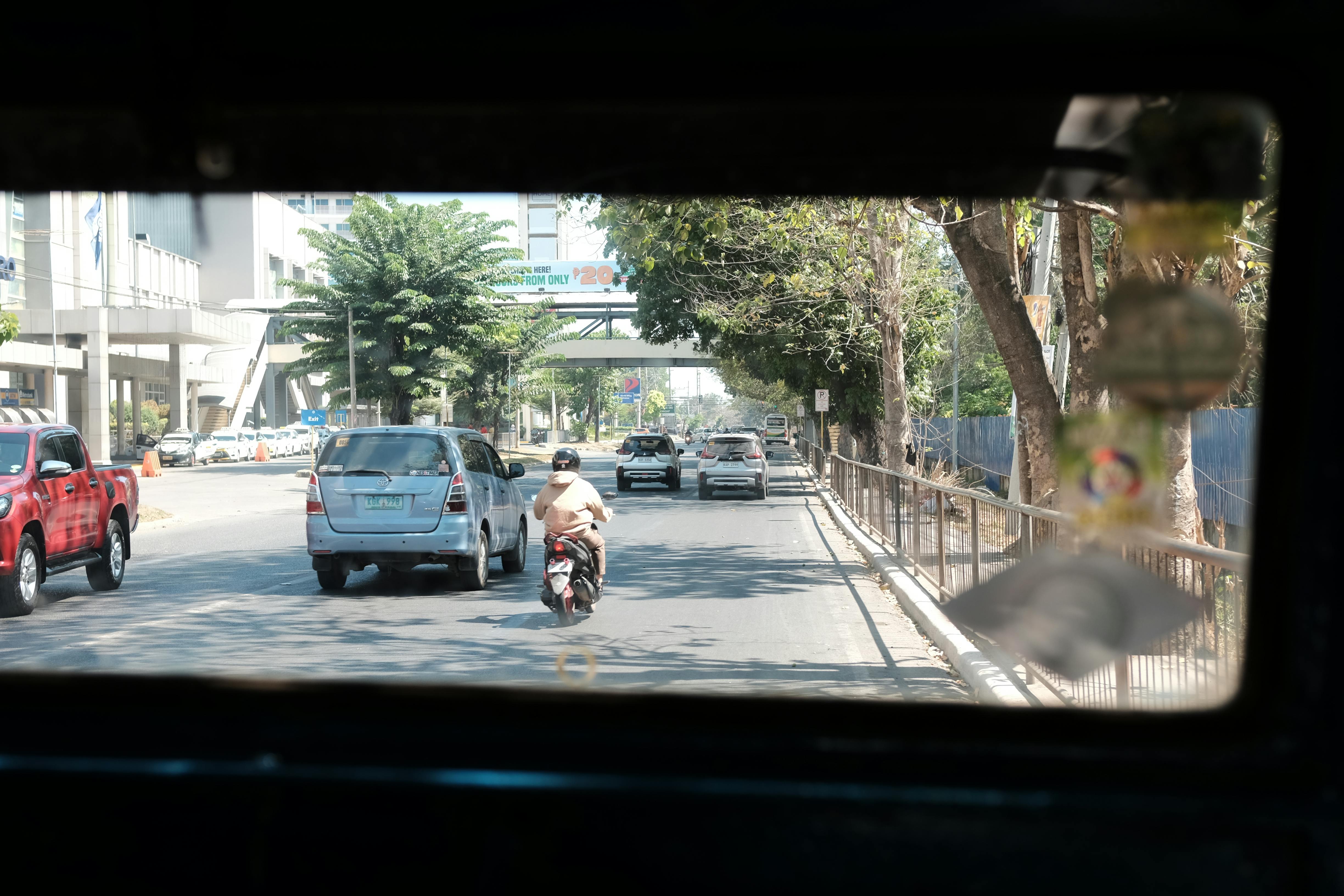 Cagayan de Oro
Image by:Enil Oan
Cagayan de Oro
Image by:Enil Oan
Jalapa presents a significantly lower cost of living compared to Cagayan de Oro in 2026, particularly evident in the prices of basic food staples like milk, bread, rice, and eggs, which are substantially cheaper there. Transportation costs also reflect this disparity, with lower fuel expenses and cheaper public transport options available in Jalapa. While basic necessities are more affordable, it's crucial to note that the overall expenditure required to cover living expenses in Jalapa is considerably less than what would be needed in Cagayan de Oro to maintain a similar standard, primarily due to these fundamental cost differences.
The housing market starkly contrasts between the two cities. Property prices in Jalapa are notably lower, offering more accessible options for residents and investors alike. Conversely, Cagayan de Oro commands significantly higher real estate costs, driven by greater demand and the presence of more modern amenities, reflecting its status as a more developed and sought-after location. This substantial gap in housing costs directly impacts the local economy, with Cagayan de Oro boasting a higher average monthly net salary, approximately $700 versus the lower income levels in Jalapa, aligning with its higher GDP per capita and slightly faster economic growth rate.
When evaluating quality of life, Jalapa demonstrates advantages in key areas like safety and environmental factors for 2026. It generally exhibits lower crime rates and cleaner environments compared to Cagayan de Oro. However, Cagayan de Oro compensates with superior public services, specifically in healthcare and education, which, while contributing to its higher cost of living, offer a better quality of life in terms of service access and standards. This city also provides more extensive recreational activities and better infrastructure, enhancing the overall lifestyle for its inhabitants despite the higher price tag.
Cagayan de Oro's economic environment fosters higher purchasing power, evidenced by its significantly higher average monthly net salary compared to Jalapa. This translates into a higher GDP per capita and a slightly higher economic growth rate, positioning it as a more economically vibrant city. While this economic strength allows for greater consumption, including higher spending on healthcare and education, it also necessitates a higher budget to cover the city's more expensive cost of living, creating a direct financial trade-off compared to the more affordable Jalapa.
In essence, Jalapa offers a more budget-friendly existence with lower costs for essentials and housing, coupled with potentially safer and cleaner surroundings. Cagayan de Oro, while substantially more expensive across most categories, provides superior healthcare and education, higher incomes, and a potentially more developed lifestyle with better infrastructure and services. The decision between these two cities in 2026 hinges entirely on individual priorities regarding affordability versus the quality and scope of public services and economic opportunities.
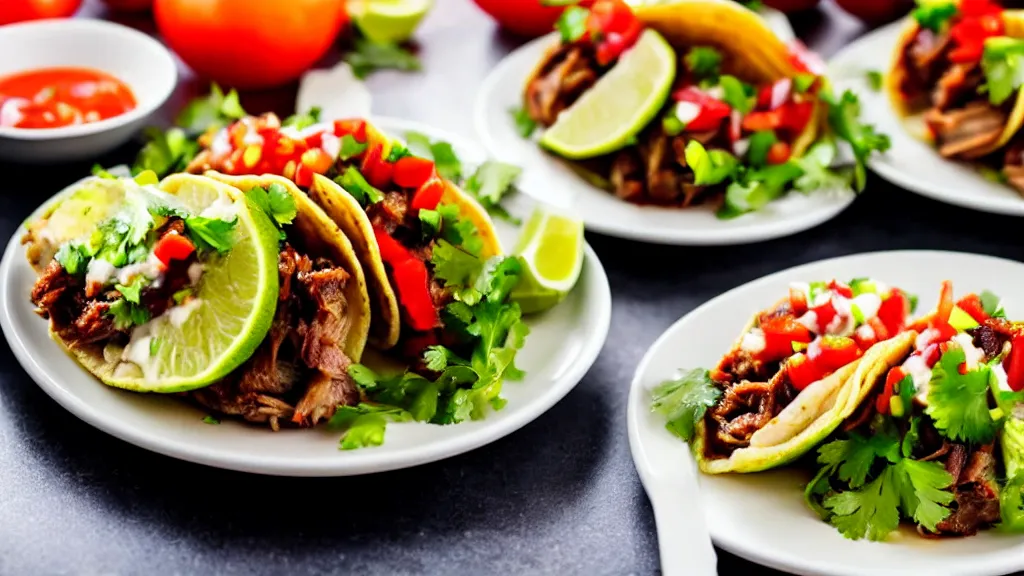 Jalapa
 Cagayan de Oro
Local cuisine & dishes
Jalapa
Cagayan de Oro
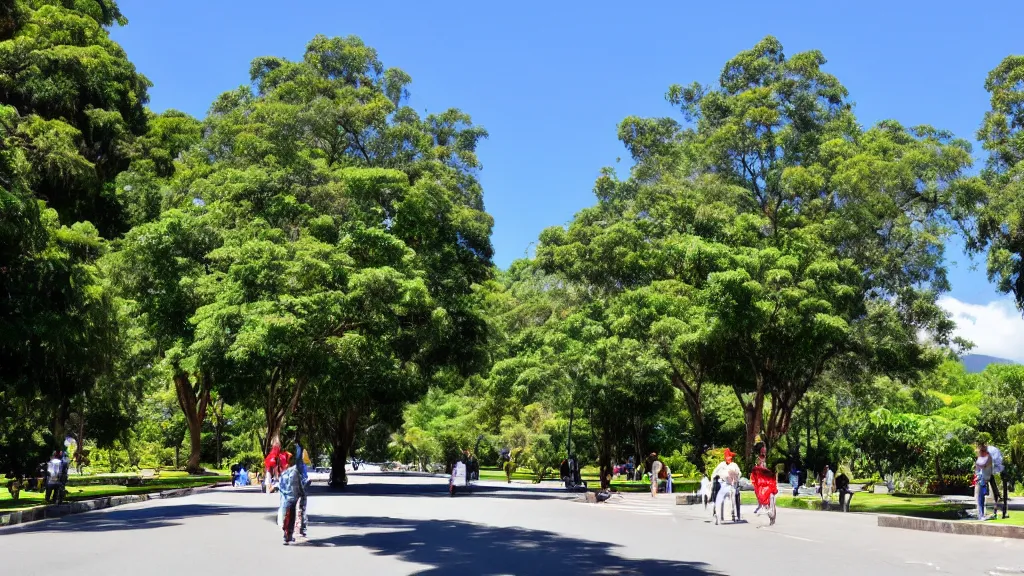 Jalapa
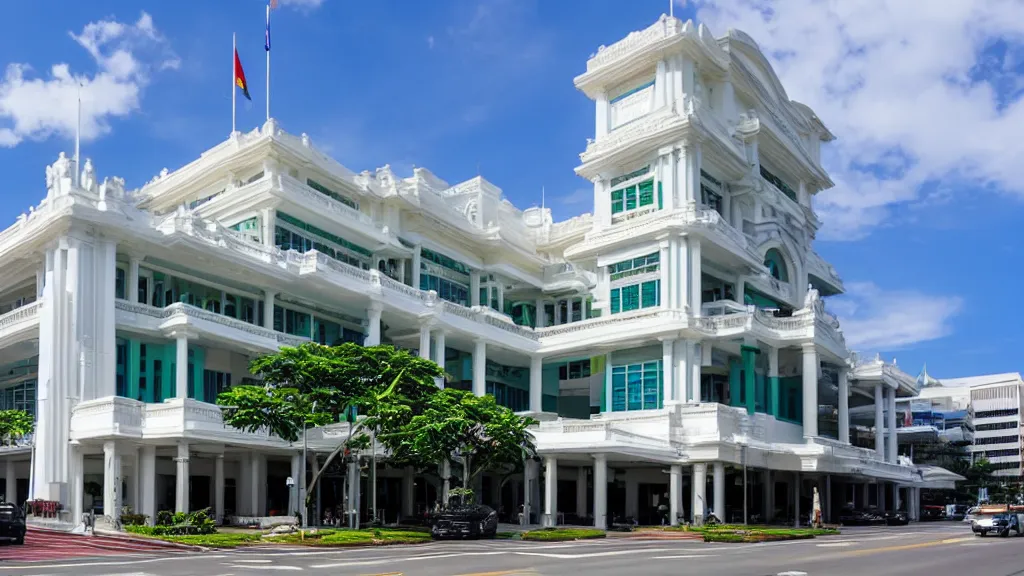 Cagayan de Oro
Travel & attractions
Jalapa
Cagayan de Oro
Real estate & living comparison
| Jalapa | Cagayan de Oro | |
|---|---|---|
| International Primary School, Annual Tuition per Child | 13977.24 USD | 140000 USD |
| Private Full-Day Preschool or Kindergarten, Monthly Fee per Child | 543.71 USD | 10625 USD |
| Jeans (Levi's 501 or Similar) | 44.19 USD | 1987.34 USD |
| Men's Leather Business Shoes | 89.07 USD | 2458.75 USD |
| Apples (1 kg) | 4.39 USD | 129.85 USD |
| Bananas (1 kg) | 2.1 USD | 66.53 USD |
| Bottled Water (0.33 Liter) | 1.4 USD | 54.38 USD |
| Cappuccino (Regular Size) | 3.97 USD | 146.19 USD |
| Cinema Ticket (International Release) | 8.46 USD | 262.69 USD |
| Gasoline (1 Liter) | 1.02 USD | 60.46 USD |
| Taxi Start (Standard Tariff) | 4.63 USD | 40 USD |
| Basic Utilities for 85 m2 Apartment (Electricity, Heating, Cooling, Water, Garbage) | 62.77 USD | 8425 USD |
| Broadband Internet (Unlimited Data, 60 Mbps or Higher) | 68.37 USD | 1929.8 USD |
| Population | 192,676 | 728,402 |
Last updated: 2026-04-05T11:46:39+00:00
Comments for this comparison