
Kampala vs. Tochigi: Detailed 2026 Cost of Living & Quality Comparison
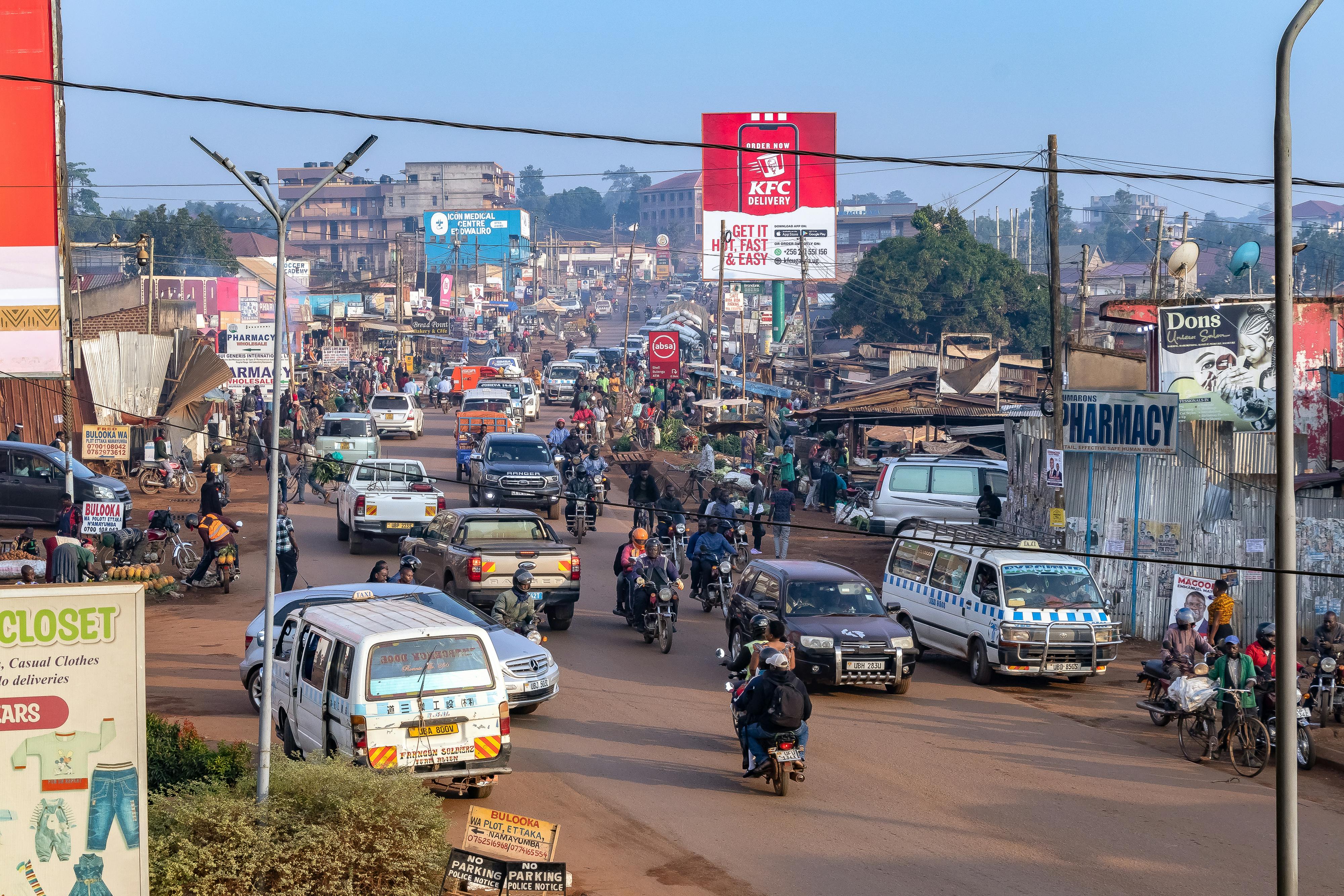 Kampala
Image by:Wings Panic
Kampala
Image by:Wings Panic
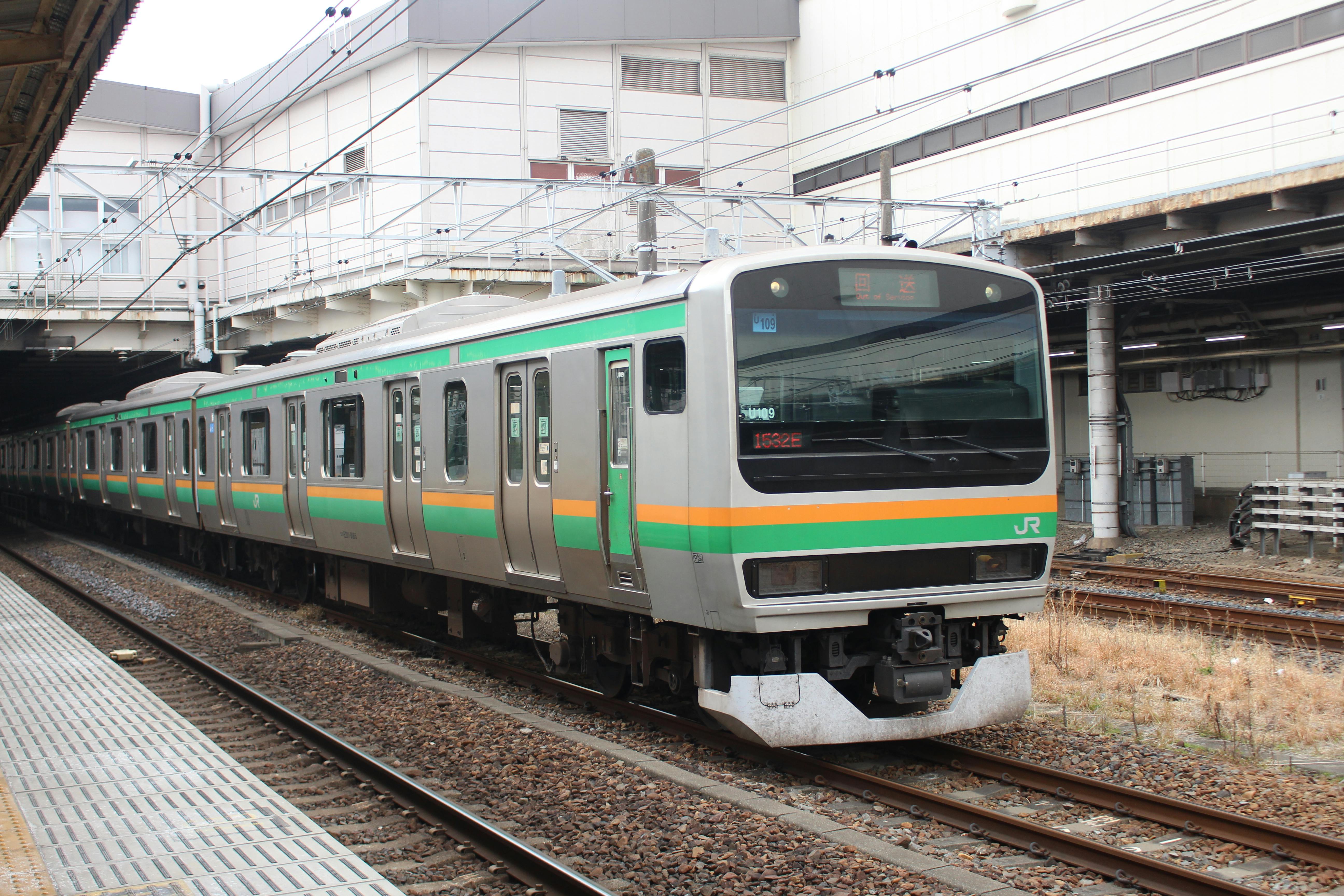 Tochigi
Image by:Dr. train
Tochigi
Image by:Dr. train
Kampala operates within a vastly different economic framework than Tochigi. Kampala's GDP per capita is significantly lower at $2,800 compared to Tochigi's substantially higher figure of $46,200. Kampala's GDP growth rate is 5.34%, reflecting moderate expansion, whereas Tochigi's GDP growth rate is considerably lower at 1.68%, indicative of a mature economy. The average monthly net salary in Kampala is $197, which is substantially lower than the average monthly net salary in Tochigi, which stands at $2,208.60. This stark difference in income directly impacts the cost of living, particularly housing. While Kampala's property price-to-income ratio suggests relatively more affordable housing, the reality in Tochigi is reflected in much higher rent costs, with a 1-bedroom apartment in the city center costing $295.55 per month, a figure likely unattainable in Kampala.
The quality of life in Tochigi presents a markedly different picture from Kampala. While Kampala's overall quality of life index is 71.86, data from Tochigi, particularly the Ichikawa index at 94.4, suggests a significantly higher quality of life, reflecting factors like safety, healthcare access, and environmental quality typical of a developed nation. Kampala performs poorly on specific metrics. Its safety index is notably low at 44.44, indicating significant security concerns. The healthcare index is also low at 48.55, suggesting challenges in accessing adequate healthcare services. Furthermore, Kampala suffers from high pollution levels at 86.71 and a long average commute time of 43.67 minutes, contributing negatively to the overall quality of life for its residents compared to the likely more stable environment offered by Tochigi.
For individuals considering investment and career opportunities, the prospects in Kampala and Tochigi diverge significantly. Kampala offers the potential for higher returns on investment or career advancement in a high-growth market, albeit with greater inherent risks associated with economic instability and less mature infrastructure. The lower cost of living in Kampala, particularly outside major urban centers, could also present investment opportunities, though the economic volatility is a key consideration. In contrast, Tochigi offers greater stability and predictability, with salaries significantly higher than in Kampala. The established infrastructure and highly developed economy provide secure career paths, though the pace of advancement might be slower than in a rapidly developing market like Kampala. The lower population growth rate in Tochigi (0.43%) compared to Kampala's likely higher growth rate also points towards a more stable but less dynamic job market expansion.
The gap in living standards between Kampala and Tochigi is stark. Kampala offers lower costs of living, driven by its lower income levels and potentially less expensive housing, but this comes with significant trade-offs. The city struggles with safety issues, limited access to quality healthcare, high pollution, and long commutes, all of which detract from a comfortable life. Tochigi, while significantly more expensive, provides a high standard of living characterized by better safety, healthcare, cleaner environments, and shorter commutes. This represents a fundamental difference: Kampala is a developing urban center with immense growth potential but significant challenges, while Tochigi is part of a highly developed region offering stability and comfort at a much higher financial cost.
Ultimately, Kampala and Tochigi represent two entirely different worlds. Kampala offers the allure of a developing market with potentially faster growth and lower costs, but at the cost of significant economic and social challenges, including lower salaries, safety concerns, limited healthcare access, and environmental issues. Tochigi, conversely, presents a scenario of high living standards, significant income potential, and a high quality of life, backed by a stable, highly developed economy, albeit with slower growth and substantially higher costs, particularly for housing. The choice between these two cities hinges on whether an individual prioritizes the risks and rewards of rapid development and lower costs, or the security and comfort of a mature, high-cost economy.
 Kampala
 Tochigi
Local cuisine & dishes
Kampala
Tochigi
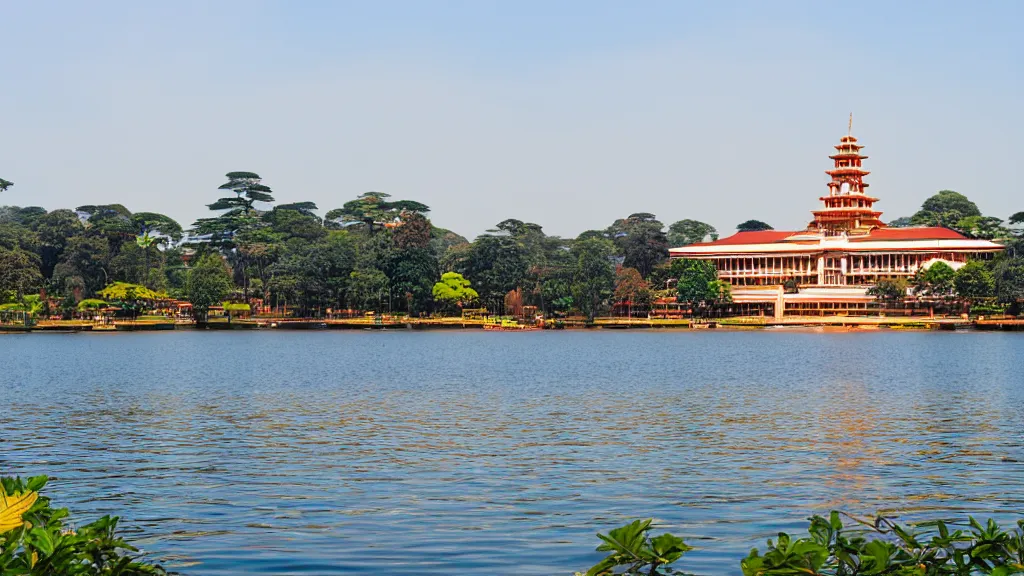 Kampala
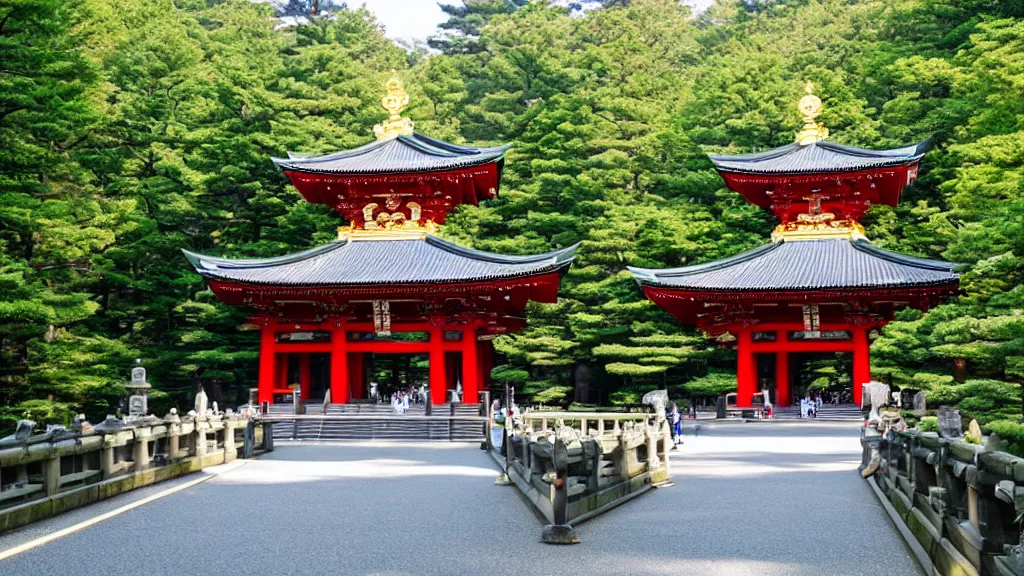 Tochigi
Travel & attractions
Kampala
Tochigi
Real estate & living comparison
| Kampala | Tochigi | |
|---|---|---|
| Jeans (Levi's 501 or Similar) | 17.37 USD | 49.6 USD |
| Men's Leather Business Shoes | 51.11 USD | 105.32 USD |
| 1 Bedroom Apartment in City Centre | 517.12 USD | 295.16 USD |
| 1 Bedroom Apartment Outside of City Centre | 219.81 USD | 210.37 USD |
| Bottled Water (0.33 Liter) | 0.29 USD | 0.81 USD |
| Cappuccino (Regular Size) | 2.64 USD | 3.35 USD |
| Average Monthly Net Salary (After Tax) | 196.81 USD | 2205.66 USD |
| GDP Growth Rate: | 5.34 USD | 1.68 USD |
| Gasoline (1 Liter) | 1.41 USD | 1.19 USD |
| Monthly Public Transport Pass (Regular Price) | 41.28 USD | 67.03 USD |
| Population | 1,680,600 | 153,508 |
Last updated: 2026-04-05T19:08:56+00:00
Comments for this comparison