
Kawasaki vs. Tabora: Detailed 2026 Cost of Living & Quality Comparison
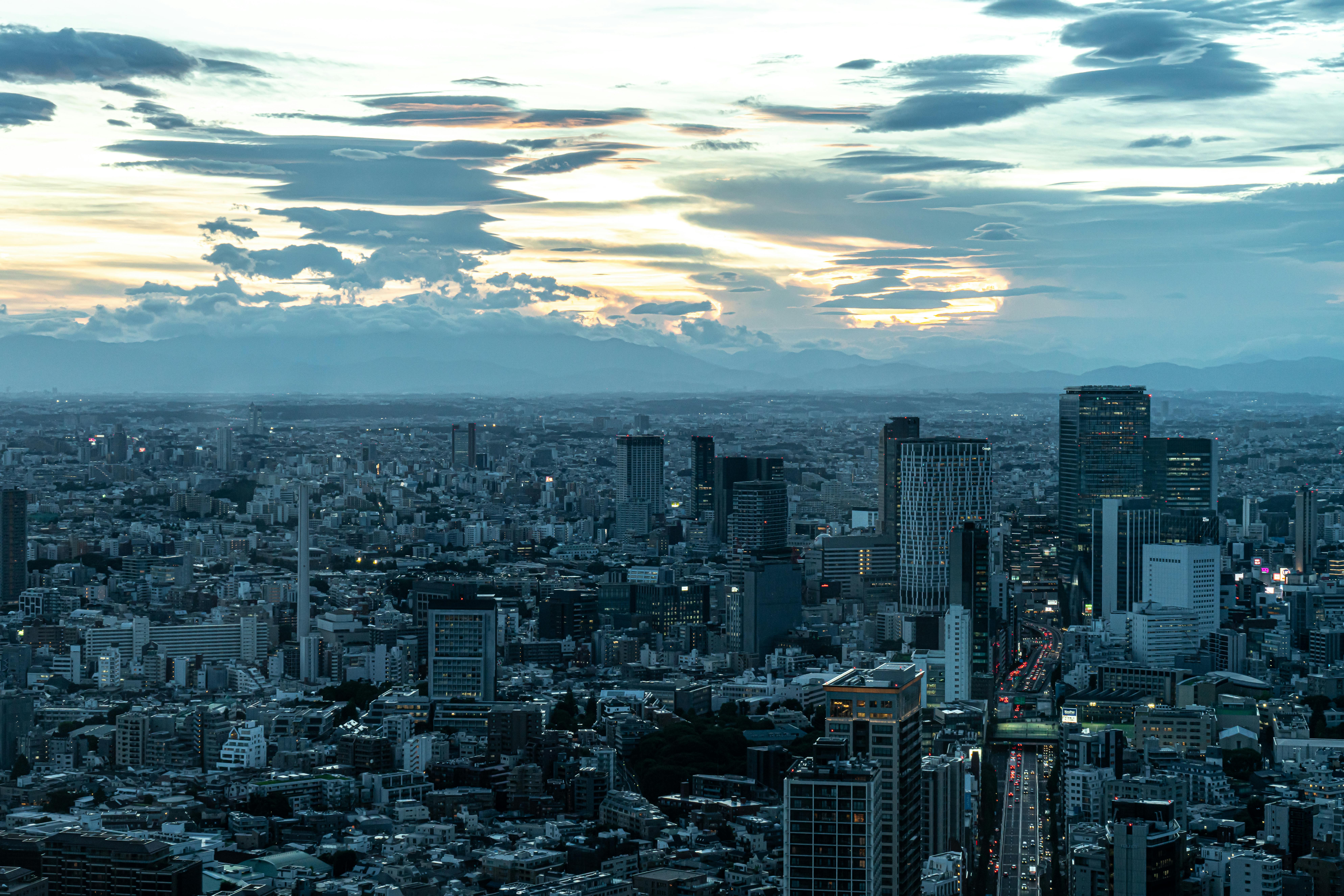 Kawasaki
Image by:Kuma Jio
Kawasaki
Image by:Kuma Jio
 Tabora
Image by:I am Alex
Tabora
Image by:I am Alex
Kawasaki, a sprawling metropolis in Japan, presents a fundamentally different reality compared to Tabora, a town in Tanzania. The economic landscape is the primary differentiator, with Kawasaki operating within Japan's advanced, high-income economy. Its large population of nearly 1.5 million underscores its scale and development level, far exceeding Tabora's population of just over 300,000. Consequently, Kawasaki offers sophisticated infrastructure, high-quality services, and stable economic prospects, while Tabora functions within Tanzania's developing economy, presenting a less complex and potentially less secure environment.
The financial burden of urban living is significantly higher in Kawasaki. Reflecting its advanced economy, the city's cost structure is substantially elevated. Monthly net salaries average around $2,843, a figure that, while respectable, must be weighed against the high cost of accommodation. A central 1-bedroom apartment requires a monthly rental commitment of $763, and property prices are steep, with city-center square meters priced at nearly $4,742. While data for Tabora is less detailed, the available Cost of Living and Property Price indices suggest substantially lower expenses than those found in Kawasaki, indicating a significantly different financial landscape for residents.
Quality of life metrics reveal a dramatic chasm between the two locations. Kawasaki excels in key areas like safety and healthcare, scoring well above average on established indices (safety 88.24, healthcare 77.78), contributing to its high living standards. Clean air is another asset, though the commute can be stressful. However, this high quality comes at a price; international schooling is prohibitively expensive, and childcare adds significantly to household budgets. Conversely, Tabora's quality of life data is less clear, lacking specific metrics for safety or healthcare. While its indices appear higher than Kawasaki's, the interpretation is difficult due to the lack of context, suggesting vastly different living conditions and access to services, likely involving trade-offs.
For career and investment, Kawasaki offers stability and variety within a mature market. Low mortgage interest rates signal a stable financial environment, and its status as a major Japanese city provides diverse professional opportunities. Tabora, by contrast, likely offers fewer career paths and lower compensation levels. Investment in real estate shows a stark disparity, with Kawasaki's property values being orders of magnitude higher than the indices provided for Tabora. While Tanzania's economic growth rate might be higher than Japan's, the overall investment climate and career security in Tabora are considerably less developed than in Kawasaki.
Ultimately, Kawasaki and Tabora represent polar opposites for living, working, and investing. Kawasaki is a high-standard, developed city offering sophisticated amenities and security, albeit with substantial costs for housing, services, and transportation. Tabora, while potentially more affordable, exists within a vastly different and less developed economic and social framework typical of many Tanzanian towns. The choice between them hinges on individual priorities: the demand for high-quality infrastructure and services versus budget constraints and the acceptance of a less developed environment.
 Kawasaki
 Tabora
Local cuisine & dishes
Kawasaki
Tabora
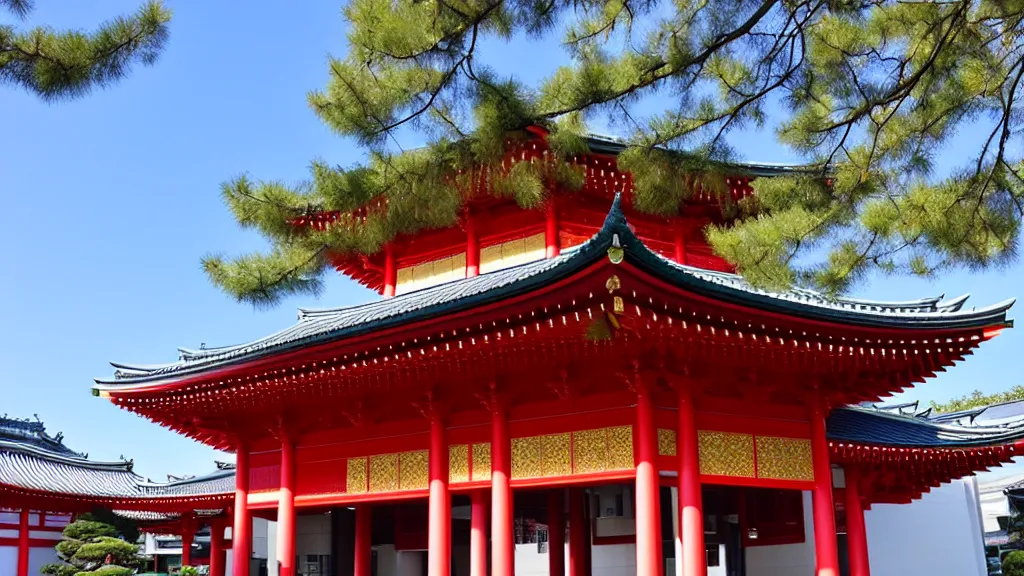 Kawasaki
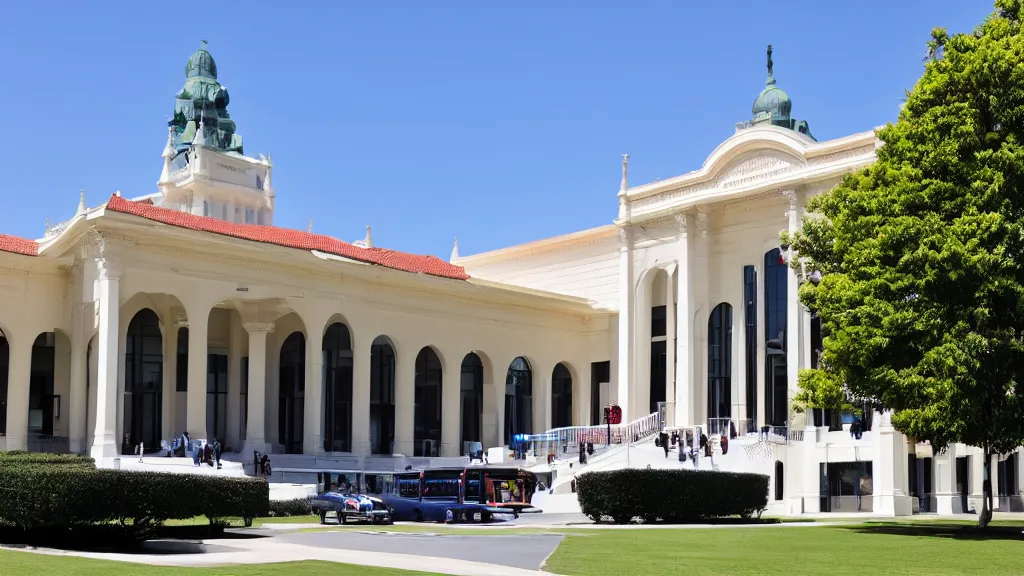 Tabora
Travel & attractions
Kawasaki
Tabora
Real estate & living comparison
| Kawasaki | Tabora | |
|---|---|---|
| Population | 1,531,646 | 308,741 |
Last updated: 2026-04-05T11:46:44+00:00
Comments for this comparison