
Kota vs. Cranbourne: Detailed 2026 Cost of Living & Quality Comparison
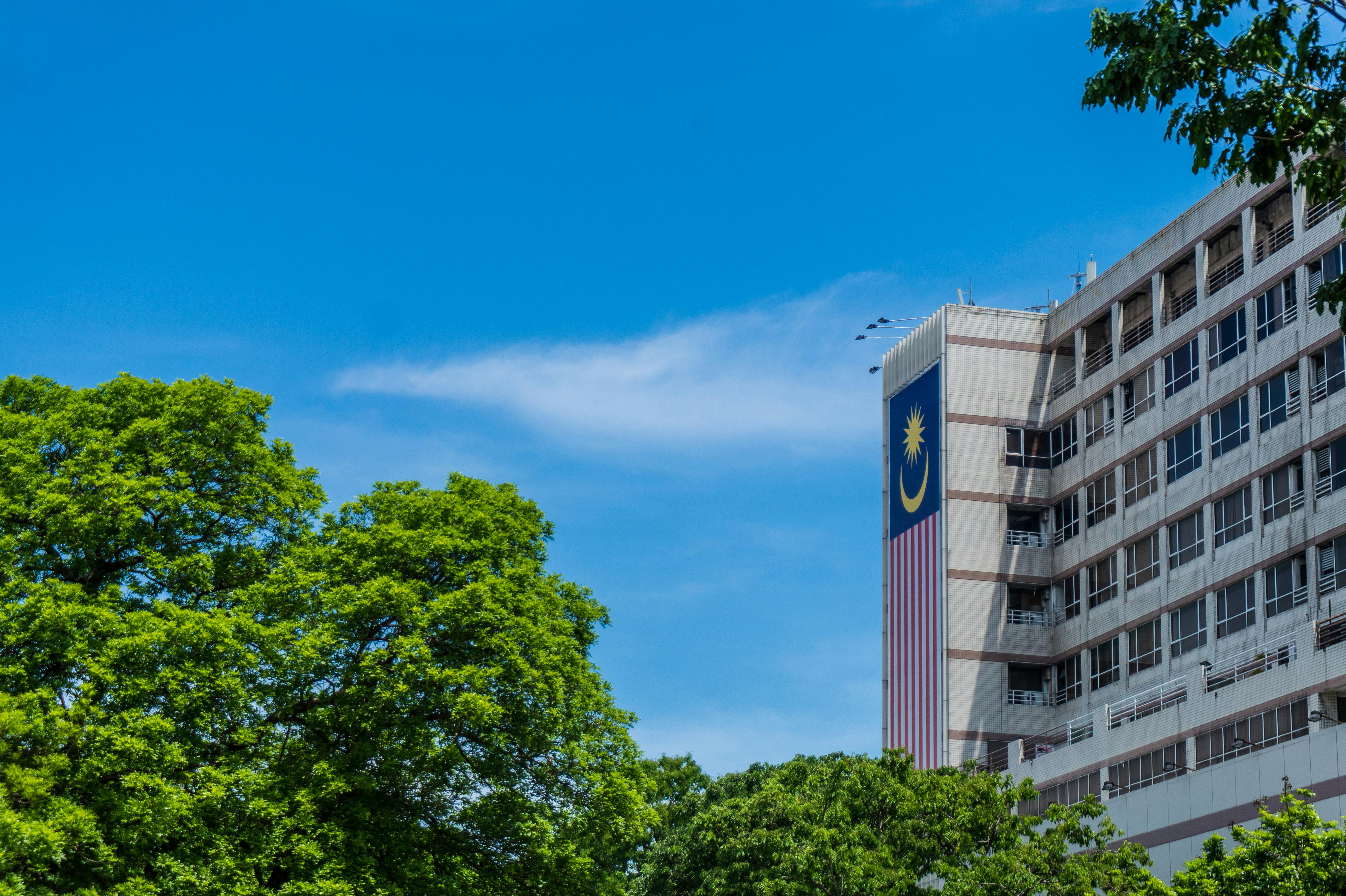 Kota
Image by:Cess Ibajo-Campbell
Kota
Image by:Cess Ibajo-Campbell
 Cranbourne
Image by:The Bhullar
Cranbourne
Image by:The Bhullar
Kota and Cranbourne represent fundamentally different urban environments, shaped by their distinct countries, economies, and developmental stages. Kota, a large Indian metropolis with a population exceeding one million, offers a significantly lower overall cost of living compared to Cranbourne, a medium-sized Australian city with a population under 500,000. This difference stems from vastly different economic structures; India's GDP per capita stands at $9,200, while Australia's is substantially higher at $59,600. Consequently, the average monthly net salary in Cranbourne is considerably higher at $1,768 USD, versus just $386 USD in Kota, directly reflecting this economic disparity and setting the stage for differing cost structures across nearly every aspect of daily life in 2026.
The economic gap translates directly into the housing market, revealing a significant affordability difference. While property prices in Cranbourne, exemplified by the Frankston proxy index, are considerably higher, the absolute dollar figures for property purchases in Kota remain substantially lower. For instance, the cost per square meter in Kota's city centre is $585, dropping to $351 outside the centre, figures vastly below Cranbourne's levels. Although the property price to income ratio isn't directly provided for Cranbourne, the combination of higher prices and a much higher salary ($1,768 vs. $386) suggests greater purchasing power there, contrasting with Kota's lower base salaries. Furthermore, mortgage interest rates differ markedly, at 7.5% in Kota versus 3.44% in Australia, impacting borrowing costs for potential homeowners.
Assessing quality of life paints a clear picture: Cranbourne generally scores higher across key indicators like safety, healthcare, and environmental factors. Specific indices highlight this advantage; for example, Kota's Safety Index of 69.51 is considerably lower than implied for Cranbourne. Healthcare access and quality, reflected in indices like the Healthcare Index (59.26 in Kota), would be vastly superior in Cranbourne. Pollution levels are also a concern in Kota (index 67.16), suggesting Cranbourne likely benefits from cleaner air. Commute times are significantly shorter in Cranbourne, contributing to a better work-life balance, unlike the 34.8-minute commute reported for Kota. Access to utilities and services, while more expensive in Cranbourne (e.g., $267/month for basic utilities), is generally more reliable and comprehensive.
From an investment and career perspective, Cranbourne presents significantly stronger prospects, driven by its higher GDP per capita, lower population growth rate (0.72% vs. 1.13% in Kota), and higher GDP growth rate (3.44% vs. India's 8.15%). The higher salaries in Cranbourne ($1,768 USD) directly support a higher cost of living and offer greater potential for savings and investment accumulation. Career opportunities, particularly in professional services and higher-value industries common in developed economies, are likely more abundant and diverse in Cranbourne. While Kota's higher national GDP growth rate suggests potential for future development, the current economic structure and lower salaries may limit immediate career advancement opportunities for skilled professionals compared to the prospects in Cranbourne.
Ultimately, the choice between Kota and Cranbourne hinges on prioritizing different aspects of urban living. Kota offers undeniable advantages in terms of lower costs across the board, including significantly cheaper housing and a lower cost of living index ($52.39-$264.37 in various regions versus $16.81 in Frankston). However, these lower costs come with significant trade-offs: inferior quality of life metrics regarding safety, healthcare, and environmental factors; potentially longer commutes; and fewer career advancement opportunities for many skilled workers. Cranbourne, conversely, provides a substantially higher income potential, generally superior quality of life based on available indices, and better investment and career prospects, but at a much higher cost of living, reflecting the premium associated with life in a developed nation.
 Kota
Kota Cranbourne
Local cuisine & dishes
Kota
Cranbourne
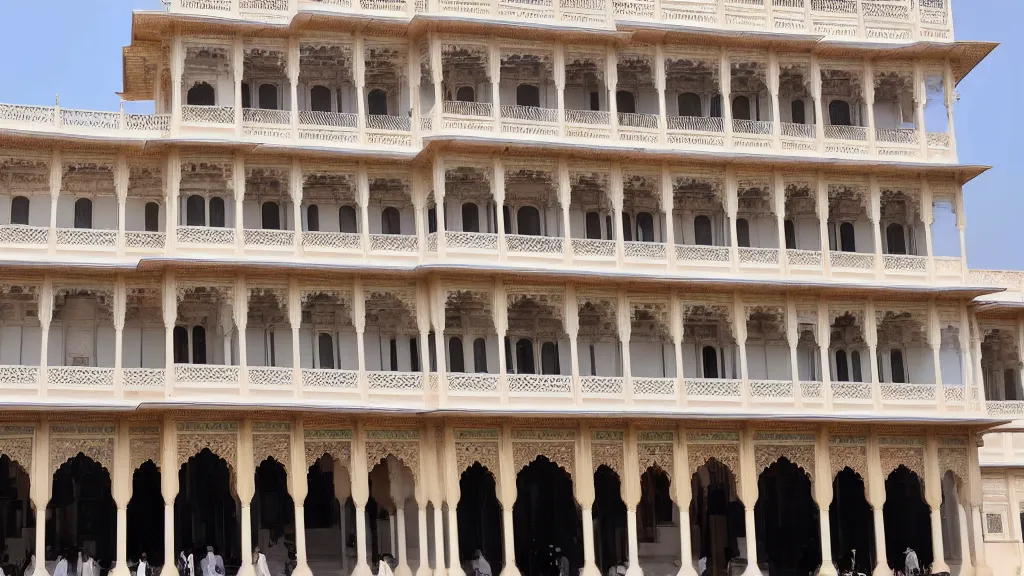 Kota
Kota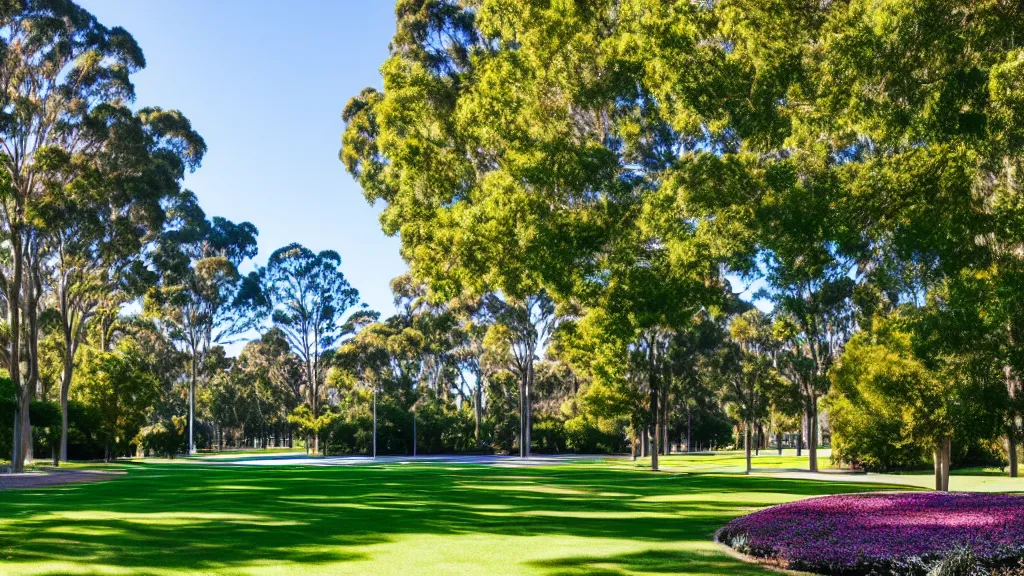 Cranbourne
Travel & attractions
Kota
Cranbourne
Real estate & living comparison
| Kota | Cranbourne | |
|---|---|---|
| Jeans (Levi's 501 or Similar) | 22.21 USD | 28.3 USD |
| Men's Leather Business Shoes | 23.57 USD | 56.59 USD |
| Apples (1 kg) | 1.63 USD | 3.34 USD |
| Bananas (1 kg) | 0.54 USD | 3.42 USD |
| Bottled Water (0.33 Liter) | 0.17 USD | 1.65 USD |
| Cappuccino (Regular Size) | 0.69 USD | 2.71 USD |
| Average Monthly Net Salary (After Tax) | 386.22 USD | 1772.17 USD |
| GDP Growth Rate: | 8.15 USD | 3.44 USD |
| Cinema Ticket (International Release) | 3.26 USD | 9.02 USD |
| Monthly Fitness Club Membership | 9.79 USD | 39.62 USD |
| Gasoline (1 Liter) | 1.12 USD | 1.32 USD |
| Monthly Public Transport Pass (Regular Price) | 27.2 USD | 126.19 USD |
| Basic Utilities for 85 m2 Apartment (Electricity, Heating, Cooling, Water, Garbage) | 28.56 USD | 267.41 USD |
| Broadband Internet (Unlimited Data, 60 Mbps or Higher) | 6.89 USD | 23.43 USD |
| Population | 1,001,694 | 460,491 |
Last updated: 2026-04-05T11:46:19+00:00
Comments for this comparison