
Kunming vs. Pobe: Detailed 2026 Cost of Living & Quality Comparison
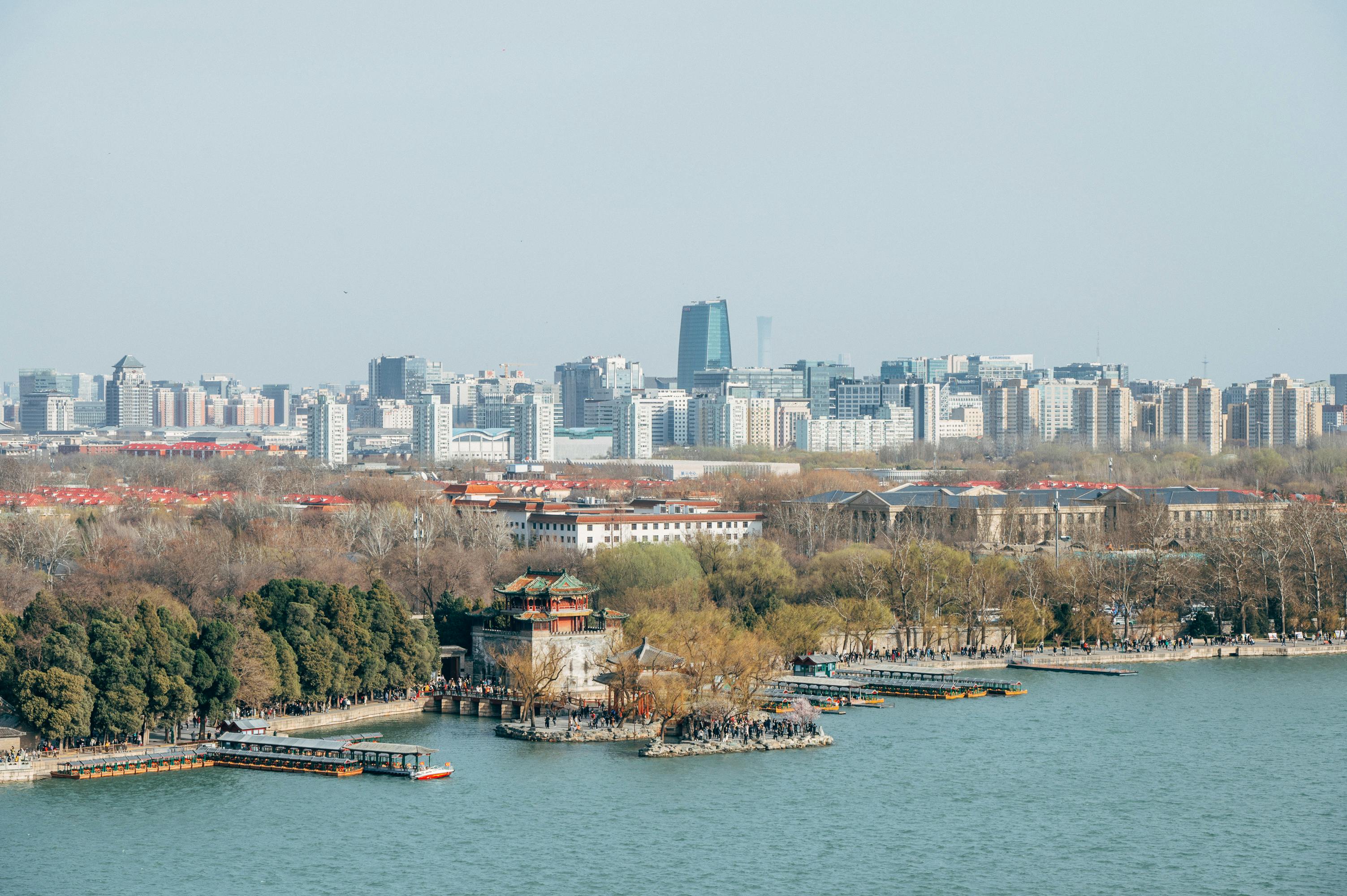 Kunming
Image by:征宇 郑
Kunming
Image by:征宇 郑
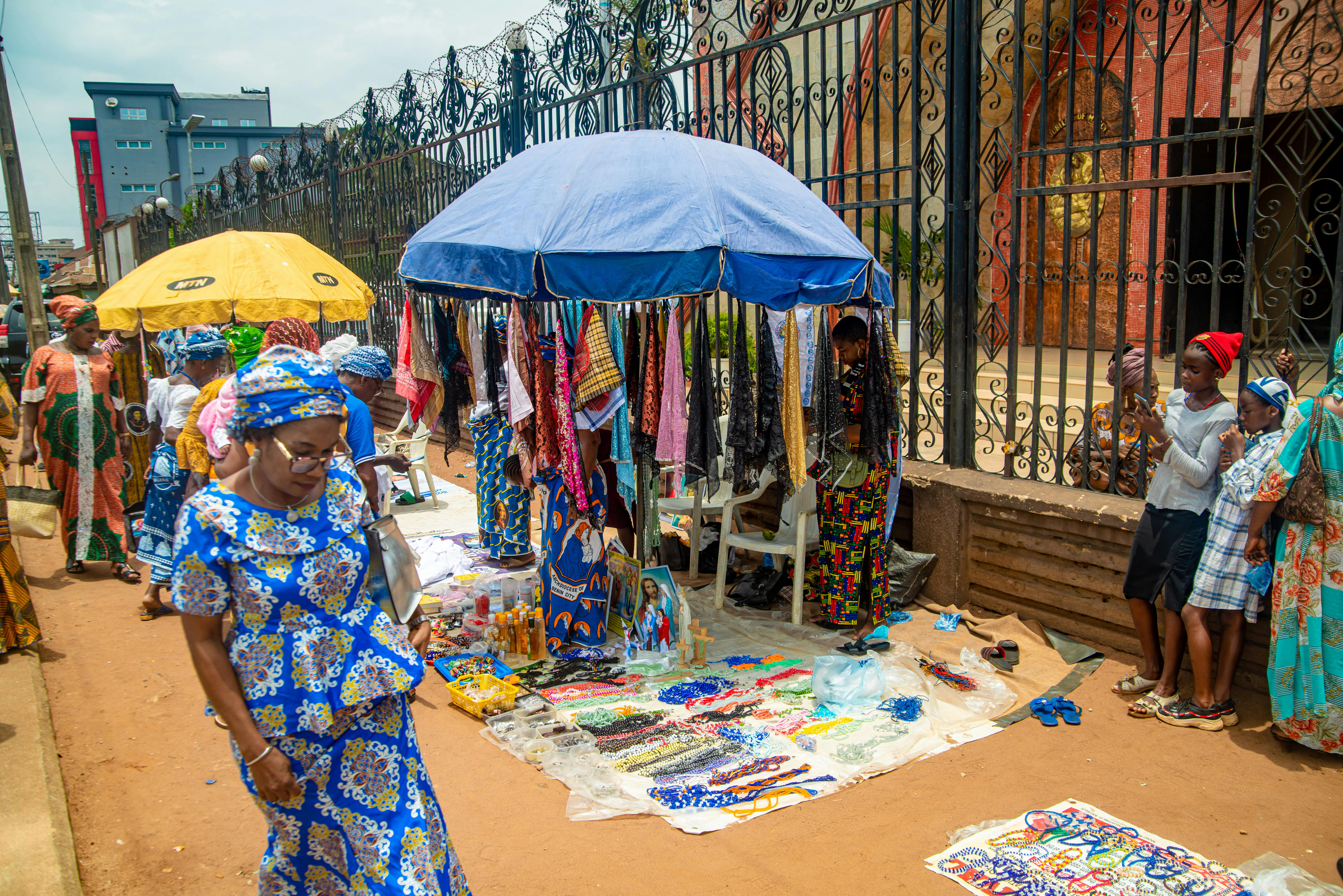 Pobe
Image by:David Iloba
Pobe
Image by:David Iloba
Kunming and Pobe represent fundamentally different urban and economic realities. Kunming, a sprawling metropolis of over four million people in southwest China, operates within a dynamic, developed economy. Its GDP per capita stands at $22,100, significantly higher than the economic context implied by Pobe's data. While its average net salary after tax is $866.20, this is considerably higher than what the lower cost of living indices for Pobe suggest are needed for basic expenses. Pobe, a smaller West African town, presents a vastly contrasting picture, likely offering substantially lower costs for essentials, though the nature of the local economy and job opportunities differs entirely.
The economic disparity translates directly into the cost of living and housing. Kunming's property market reflects its status as a major center, with prices significantly higher in the city center ($2,982 per square meter) compared to the suburbs ($1,474 per square meter). This gap, while substantial, is mirrored in the overall cost of living, which numerical indices indicate is considerably higher than those for Pobe. Conversely, Pobe's lower indices point to a much less expensive environment, potentially allowing for a higher standard of basic living on a smaller income, but with likely fewer economic prospects.
Housing affordability is a key component of the broader cost of living gap, but quality of life factors like safety and healthcare also diverge starkly. Kunming enjoys a pleasant, temperate climate, scoring highly on climate indices, but faces challenges with pollution and notably long average commute times. Its healthcare system, while accessible, scores relatively low (63.49), suggesting room for improvement compared to international benchmarks or certain other cities. Pobe, despite its lower cost structure, shows higher quality of life scores in some metrics, particularly in less urbanized areas. However, interpreting these scores requires acknowledging the vastly different baseline – the infrastructure, service levels, and safety context of a major Chinese city versus a West African town.
The potential for earnings and career advancement differs dramatically between the two locations. Kunming's higher GDP per capita and salaries indicate significantly greater earning potential, reflecting its role as a regional hub. Yet, this comes with correspondingly higher living expenses. Pobe offers the prospect of much lower living costs, potentially freeing up income for other goals, but likely involves lower salaries and fewer opportunities for professional advancement compared to Kunming. The investment climate in Pobe also appears fundamentally different from the more established market in Kunming.
Ultimately, the choice between Kunming and Pobe hinges on individual priorities. Kunming offers the dynamism of a large, developed city, higher earning potential, and a vibrant culture, albeit with significant costs, environmental challenges, and potentially underperforming public services like healthcare. Pobe presents a much lower cost-of-living scenario, potentially better perceived quality of life in certain aspects, but likely involves fewer economic opportunities, lower salaries, and a very different social and cultural environment. The decision depends entirely on weighing these distinct trade-offs against personal circumstances and aspirations.
 Kunming
 Pobe
PobeLocal cuisine & dishes
Kunming
Pobe
 Kunming
 Pobe
PobeTravel & attractions
Kunming
Pobe
Real estate & living comparison
| Kunming | Pobe | |
|---|---|---|
| Population | 4,422,686 | 123,740 |
Last updated: 2026-04-05T11:36:25+00:00
Comments for this comparison