
Lanxi vs. Abhā: Detailed 2026 Cost of Living & Quality Comparison
 Lanxi
Image by:ainc T,,
Lanxi
Image by:ainc T,,
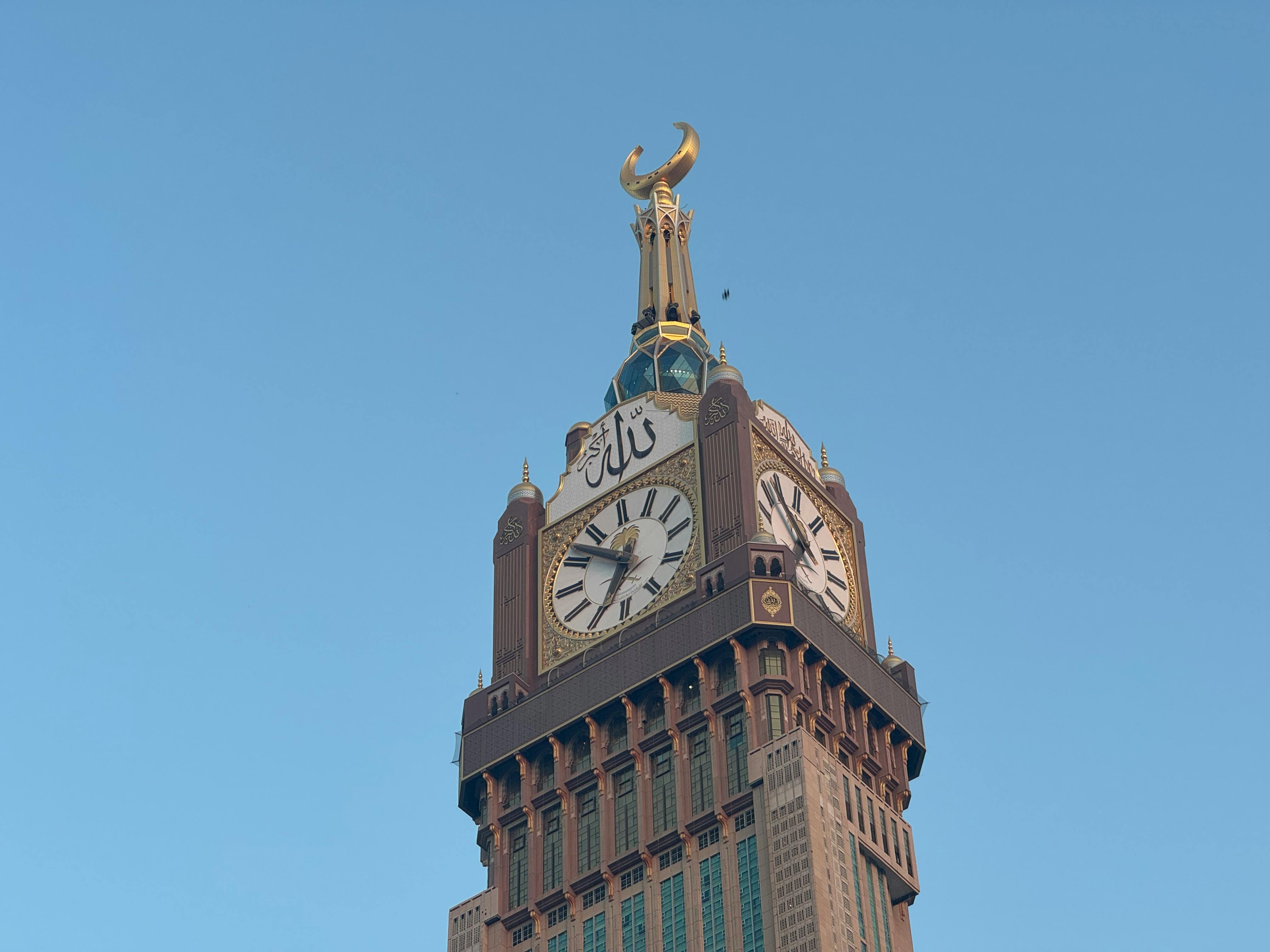 Abha
Image by:Earth Photart
Abha
Image by:Earth Photart
Lanxi and Abhā present fundamentally different economic and living environments. Lanxi, with over half a million residents in China, operates within a vast, dynamic economy. Abhā, a smaller Saudi Arabian city with around 236,000 people, benefits from its nation's high GDP per capita but faces slower growth. The most immediate contrast is the cost of living, with Abhā's index at 357 significantly higher than Lanxi's 167. This elevated cost permeates nearly all categories, including housing, transportation, food, and general expenses. While Abhā's higher average net salary ($2,373/month) attempts to bridge this gap, reflecting both its cost and national wealth, Lanxi offers a substantially lower cost of living coupled with a lower average net salary, indicative of its position within a larger, more diversified economy.
Economically, Abhā enjoys a much higher GDP per capita ($55,100), characteristic of Saudi Arabia's resource-rich economy, albeit with a lower 0.75% GDP growth rate. Lanxi's specific economic figures aren't detailed, but its inclusion in China's massive economy suggests a different context. Housing costs starkly illustrate affordability. Lanxi offers vastly cheaper property prices, with a city centre price per square meter considerably lower than Abhā's. Furthermore, Lanxi's annual mortgage interest rate is lower at 3.35%, compared to Abhā's 5.67%. Despite Abhā's higher salaries, the overall cost of living is so elevated that the net cost of living index remains higher for Abhā (357 vs. 167), indicating lower purchasing power overall.
The quality of life metrics also favor Abhā, with a total score of 357 versus Lanxi's 167, likely reflecting aspects like safety and healthcare standards within Saudi Arabia's framework. However, this higher quality comes at a steep price. Specific costs reveal Abhā is significantly more expensive for certain items and services; gasoline is cheaper, but childcare and leisure activities like cinema tickets are more costly. This suggests a trade-off where Abhā potentially offers superior safety or healthcare access, but at a much higher financial cost, whereas Lanxi provides a lower cost of living but likely a lower perceived quality score based on the metrics provided.
For career-oriented individuals and investors, the cities offer contrasting profiles. Abhā, within Saudi Arabia's development push, may offer unique opportunities aligned with national strategies, potentially providing well-paying jobs. However, the slower GDP growth might limit long-term investment returns compared to China's dynamism. Lanxi, part of China's powerhouse, offers access to a massive market and potentially diverse job opportunities within a stable framework. The lower mortgage interest rate makes property investment potentially more attractive long-term in Lanxi, and the lower cost of living means a moderate salary could yield a higher standard of living than in Abhā, assuming equivalent jobs exist. The decision hinges on weighing economic potential and quality against the significant financial burden of Abhā's high cost of living versus Lanxi's more affordable but likely lower-quality environment.
Ultimately, the choice between Lanxi and Abhā requires prioritizing cost of living versus quality and economic potential. Lanxi provides undeniable affordability, but with correspondingly lower economic indicators and quality metrics. Abhā offers a higher quality of life and access to a wealthy national economy, but at a substantially higher cost. The higher salaries in Abhā are offset by correspondingly higher expenses, resulting in a net cost of living index that remains higher than Lanxi's. Investors must consider the lower mortgage rates in Lanxi against the higher rates in Abhā, alongside different growth trajectories. The decision involves weighing the value of a potentially superior lifestyle and economic prospects against the significant financial strain of Abhā's high cost, or choosing the affordability and lower quality/economic profile of Lanxi.
 Lanxi
Lanxi Abha
AbhaLocal cuisine & dishes
Lanxi
Abha
 Lanxi
Lanxi Abha
AbhaTravel & attractions
Lanxi
Abha
Real estate & living comparison
| Lanxi | Abha | |
|---|---|---|
| International Primary School, Annual Tuition per Child | 28222.94 USD | 5328.8 USD |
| Private Full-Day Preschool or Kindergarten, Monthly Fee per Child | 1194.02 USD | 237.58 USD |
| Jeans (Levi's 501 or Similar) | 42.05 USD | 27.09 USD |
| Men's Leather Business Shoes | 115.15 USD | 84.37 USD |
| Apples (1 kg) | 2.26 USD | 2.06 USD |
| Bananas (1 kg) | 1.72 USD | 1.8 USD |
| Bottled Water (0.33 Liter) | 0.31 USD | 0.22 USD |
| Cappuccino (Regular Size) | 3.07 USD | 3.14 USD |
| Annual Mortgage Interest Rate (20-Year Fixed, in %) | 3.35 USD | 5.67 USD |
| Cinema Ticket (International Release) | 8.71 USD | 18.65 USD |
| Gasoline (1 Liter) | 1.12 USD | 0.62 USD |
| Taxi 1 Hour Waiting (Standard Tariff) | 8.71 USD | 9.33 USD |
| Basic Utilities for 85 m2 Apartment (Electricity, Heating, Cooling, Water, Garbage) | 55.94 USD | 82.53 USD |
| Broadband Internet (Unlimited Data, 60 Mbps or Higher) | 11.79 USD | 54.62 USD |
| Population | 560,514 | 236,157 |
Last updated: 2026-04-05T11:36:33+00:00
Comments for this comparison