
Linyi vs. Johannesburg: Detailed 2026 Cost of Living & Quality Comparison
 Linyi
Image by:Mad Skillz,,
Linyi
Image by:Mad Skillz,,
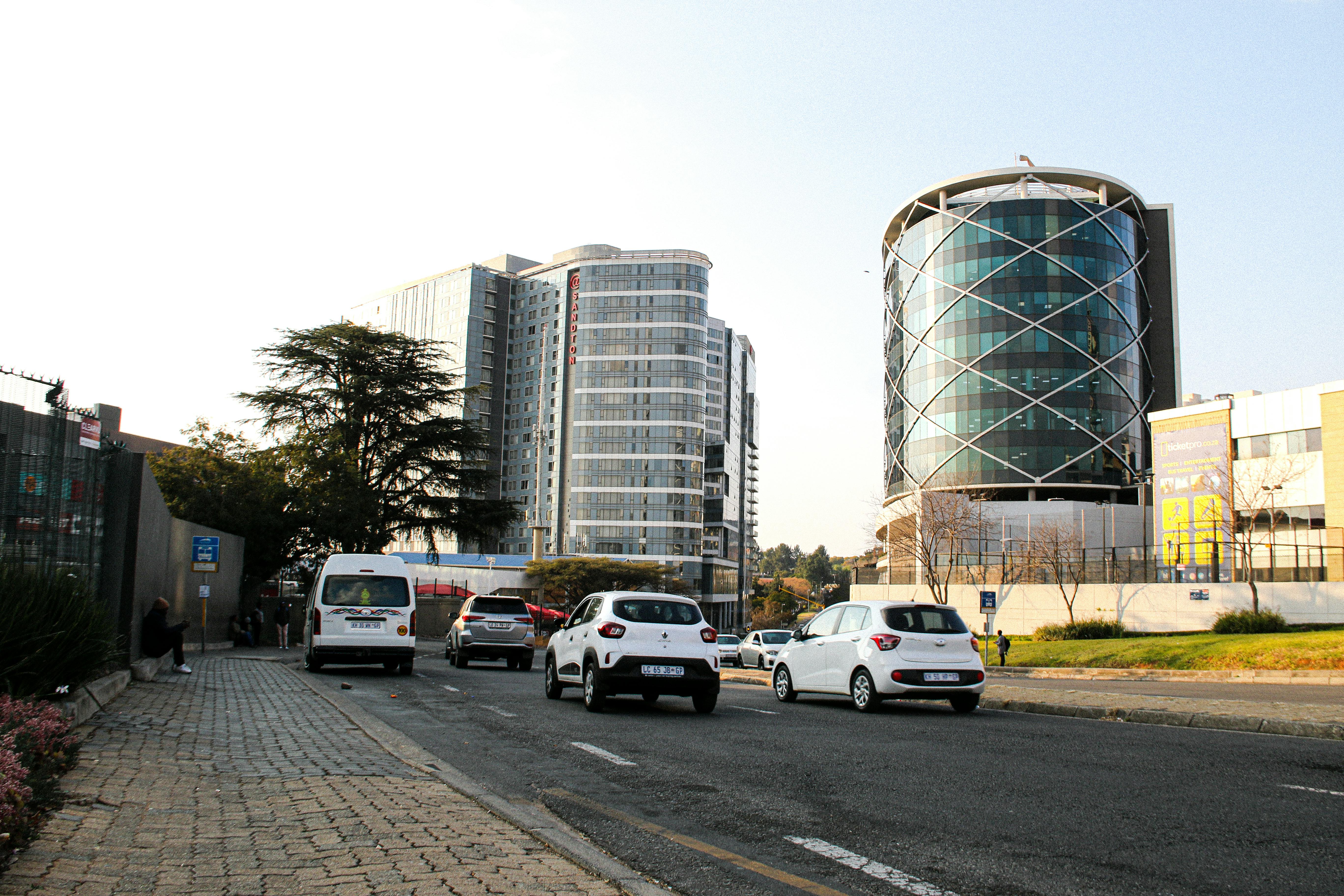 Johannesburg
Image by:Ministar Samuel
Johannesburg
Image by:Ministar Samuel
Linyi, situated within China's economically significant Shandong province, operates from a fundamentally different baseline than Johannesburg, the pulsating economic core of South Africa. This disparity is immediately apparent in their economic profiles, with Linyi benefiting from its industrial base but facing inherent limitations compared to Johannesburg's global financial standing. The latter city, as a major metropolis and international hub, naturally imposes a higher operational and cost structure, contrasting sharply with Linyi's more modest scale. This difference extends beyond mere size; Johannesburg's status as a leading financial centre correlates with higher GDP per capita, while Linyi exhibits a higher population growth rate, suggesting differing developmental trajectories, albeit with potentially lower average earnings.
The most pronounced difference manifests in the overall cost of living, with Linyi presenting an exceptionally affordable alternative. Basic necessities, including food staples, fresh produce, transportation fuel, and public transit, are significantly cheaper across the board. Utilities, encompassing electricity, internet, and communication services, also reflect this affordability gap. Housing, a primary cost driver globally, shows dramatic price differences, with Linyi offering substantially lower rent for apartments of various sizes, regardless of location. This translates to considerable annual savings for households, positioning Linyi as a globally competitive low-cost option. Conversely, Johannesburg's cost structure is characterised by high expenses, particularly for housing and food, despite generally higher salaries. The data suggests that even after accounting for inflation, disposable income may not fully offset the elevated cost of living, especially concerning essentials and accommodation, making Johannesburg a substantially more expensive environment.
Assessing quality of life presents a nuanced challenge, balancing potential income against living expenses and environmental factors. Johannesburg offers higher average net salaries, theoretically enabling a greater standard of living, yet this advantage is tempered by a higher inflation rate, which can gradually diminish the real value of earnings. Specific quality metrics, such as 'ƒ Quality of Life Index' scores, appear lower for Johannesburg compared to Linyi, potentially indicating weaknesses in certain quality-of-life determinants according to these frameworks. Furthermore, the high cost of living, particularly housing, can restrict access for lower-income residents. While Linyi may lack the international amenities and career scope of Johannesburg, its overall affordability and potentially less congested environment could contribute to a distinct quality of life, perhaps centred around different priorities than the bustling South African metropolis.
Economically, the two cities represent divergent realities. Linyi's GDP per capita is considerably lower than Johannesburg's, reflecting its role as an industrial city within a province rather than a global financial centre. However, its higher population growth rate suggests perceived domestic opportunities for development. Johannesburg, conversely, offers greater potential for higher earnings and international engagement, yet this comes with significant economic pressures. High mortgage interest rates, potentially necessitating advanced cooling systems like Brise-soleil facades in new developments, pose a substantial financial hurdle, particularly for home ownership. This economic climate, coupled with high inflation impacting purchasing power, presents a complex financial landscape for residents, unlike the more favourable, though still evolving, conditions in Linyi's industrial context, where industrial solutions like sulfur-scrubbers might be more common.
In conclusion, Linyi and Johannesburg cater to fundamentally different priorities for relocation or investment. Linyi excels in providing exceptional affordability across housing, food, transportation, and utilities, making it a highly attractive option for budget-conscious individuals or families. Johannesburg, while offering the potential for higher income and access to a major global economy, confronts residents with significantly higher living costs and economic challenges such as high inflation and interest rates. The decision rests squarely on individual circumstances and priorities: affordability and a potentially simpler lifestyle favour Linyi, while the pursuit of higher earnings and international exposure, despite the substantial financial demands, points towards Johannesburg.
 Linyi
Linyi Johannesburg
Local cuisine & dishes
Linyi
Johannesburg
 Linyi
Linyi Johannesburg
Travel & attractions
Linyi
Johannesburg
Real estate & living comparison
| Linyi | Johannesburg | |
|---|---|---|
| Price per Square Meter to Buy Apartment Outside of Centre | 1015.61 USD | 779.29 USD |
| International Primary School, Annual Tuition per Child | 10156.11 USD | 5629.5 USD |
| Private Full-Day Preschool or Kindergarten, Monthly Fee per Child | 166.85 USD | 223.61 USD |
| Jeans (Levi's 501 or Similar) | 30.83 USD | 57.71 USD |
| Men's Leather Business Shoes | 72.54 USD | 85.21 USD |
| Apples (1 kg) | 1.09 USD | 1.97 USD |
| Bananas (1 kg) | 1.06 USD | 1.83 USD |
| 1 Bedroom Apartment in City Centre | 178.94 USD | 509.42 USD |
| 1 Bedroom Apartment Outside of City Centre | 111.23 USD | 414.88 USD |
| Bottled Water (0.33 Liter) | 0.2 USD | 0.92 USD |
| Cappuccino (Regular Size) | 2.07 USD | 2.42 USD |
| Annual Mortgage Interest Rate (20-Year Fixed, in %) | 3.18 USD | 11.01 USD |
| Average Monthly Net Salary (After Tax) | 797.98 USD | 1640.42 USD |
| Cinema Ticket (International Release) | 5.66 USD | 8.56 USD |
| Monthly Fitness Club Membership | 52.88 USD | 37.27 USD |
| Gasoline (1 Liter) | 1.11 USD | 1.37 USD |
| One-Way Ticket (Local Transport) | 0.29 USD | 1.83 USD |
| Basic Utilities for 85 m2 Apartment (Electricity, Heating, Cooling, Water, Garbage) | 61.94 USD | 154.3 USD |
| Broadband Internet (Unlimited Data, 60 Mbps or Higher) | 5.01 USD | 39.01 USD |
| Population | 10,820,000 | 7,860,781 |
Last updated: 2026-04-05T11:49:20+00:00
Comments for this comparison