
Malanje vs. Bata: Detailed 2026 Cost of Living & Quality Comparison
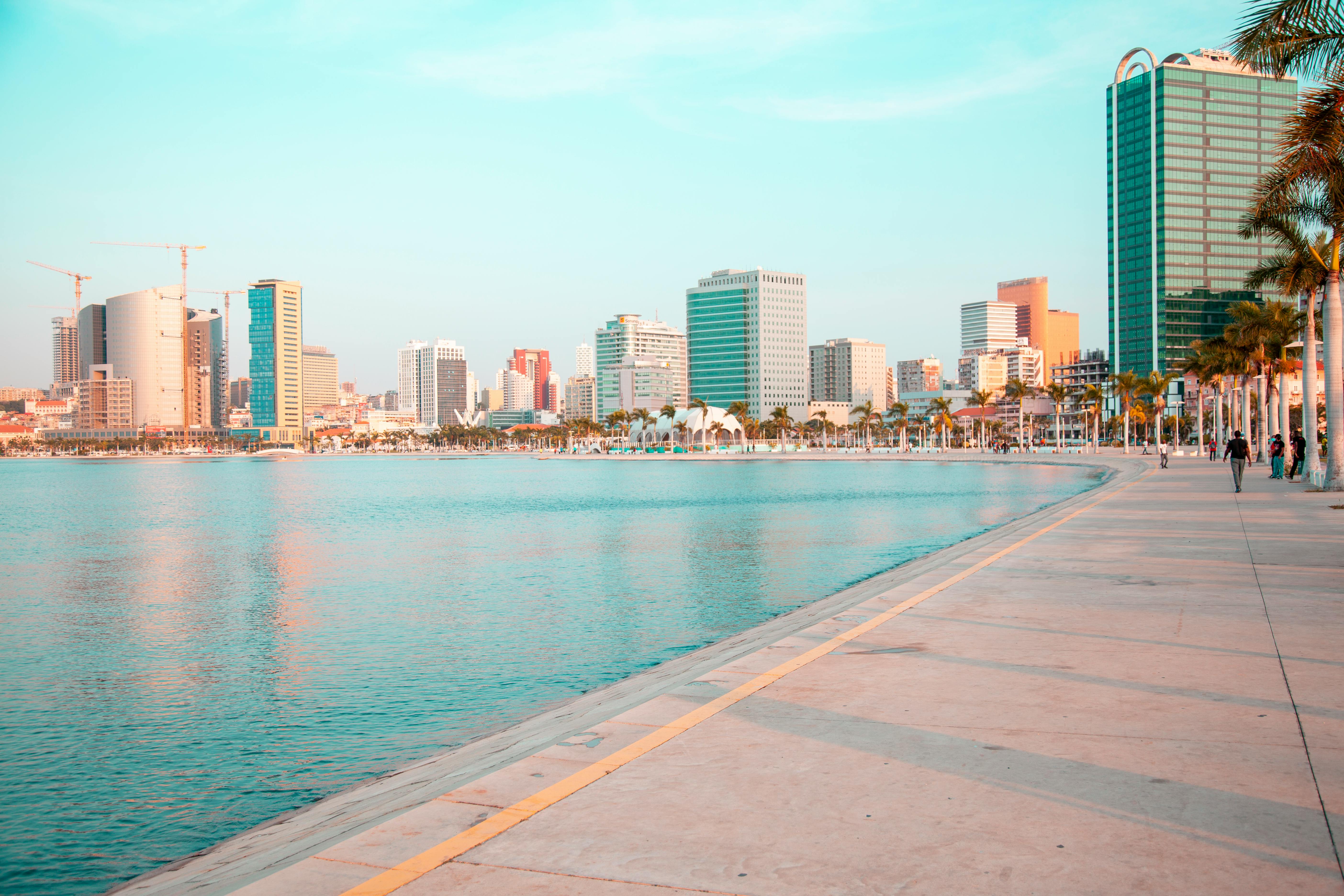 Malanje
Image by:Dm Photography DM
Malanje
Image by:Dm Photography DM
 Bata
Image by:Tolga deniz Aran
Bata
Image by:Tolga deniz Aran
Angola's vast Malanje Province, encompassing over 600,000 people across several locations, presents a broad urban or provincial dataset characterized by uniform figures for quality of life, cost of living, and property prices. In stark contrast, the capital city of Bata, home to around 250,000 residents, offers a much more granular perspective. Bata provides specific metrics for different neighborhoods and detailed economic indicators, including a GDP per capita of $15,700 USD and a GDP growth rate of 5.09%, alongside a population growth rate of 3.23%. This level of detail allows for a nuanced understanding of Bata's urban dynamics, whereas Malanje's data appears centralized, lacking the same depth for specific areas or economic performance metrics.
Economically, Bata presents clearer figures, with an average monthly net salary after tax of $801.80 USD. Malanje lacks comparable direct GDP figures or growth rates, making a comprehensive economic comparison difficult. Regarding housing, Bata provides detailed monthly rental prices for apartments, ranging from $222.72 for a one-bedroom outside the center to $579.08 for a three-bedroom unit likely within the city center. Malanje's data, however, only mirrors its general cost of living figures without offering specific rental costs, leaving a significant gap in understanding the Malanje housing market beyond property prices.
The analysis of quality of life reveals substantial differences, largely due to the data granularity available for Bata. While Malanje's quality of life scores are generalized, ranging from 157.74 to 373.74, Bata offers specific indices: a Safety Index of 38.71 (lower being better), a Health Care Index of 38.89, and a Traffic Commute Time Index of 26.0. Bata also provides Pollution Index data at 72.41. Furthermore, Bata's neighborhood-specific quality of life scores, from 62.74 in Bitica to 223.78 in Mongomo, allow for a detailed assessment of living conditions within the city, contrasting sharply with Malanje's generalized data.
For cost of living, Bata provides extensive detail covering restaurants, groceries, transportation, utilities, sports, and leisure. Key examples include a domestic beer (0.5L) at $3.56 USD, a loaf of bread (500g) at $3.21 USD, and basic utilities for an 85m² apartment at $356.36 USD per month. The average net salary in Bata is $801.80 USD per month. Malanje lacks detailed cost-of-living breakdowns beyond property prices and the identical cost of living figures provided alongside quality of life data, making a direct comparison of day-to-day expenses outside of housing challenging.
Bata's data suggests a higher cost of living in certain areas, particularly for utilities and potentially housing in the city center, alongside specific quality metrics like safety and healthcare. The economic data for Bata indicates a potentially higher GDP per capita and different growth dynamics compared to the inferred data for Malanje. The decision between Malanje and Bata hinges significantly on whether the user prioritizes the potentially more generalized but larger urban or provincial context of Malanje or the detailed, albeit varied, data and specific economic figures available for Bata.
 Malanje
 Bata
BataLocal cuisine & dishes
Malanje
Bata
 Malanje
 Bata
BataTravel & attractions
Malanje
Bata
Real estate & living comparison
| Malanje | Bata | |
|---|---|---|
| Population | 604,215 | 250,770 |
Last updated: 2026-04-05T11:22:29+00:00
Comments for this comparison