
Malanje vs. Makassar: Detailed 2026 Cost of Living & Quality Comparison
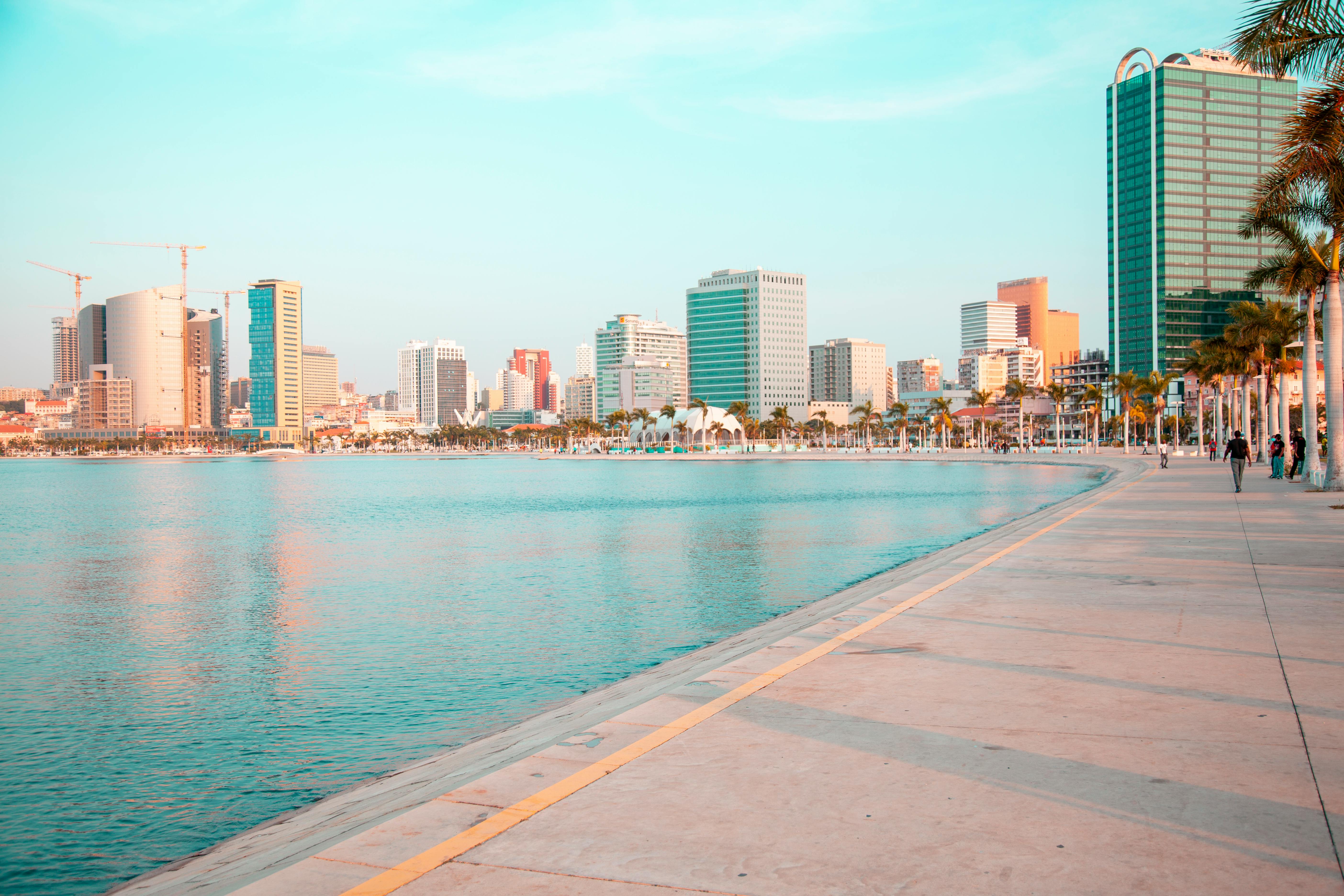 Malanje
Image by:Dm Photography DM
Malanje
Image by:Dm Photography DM
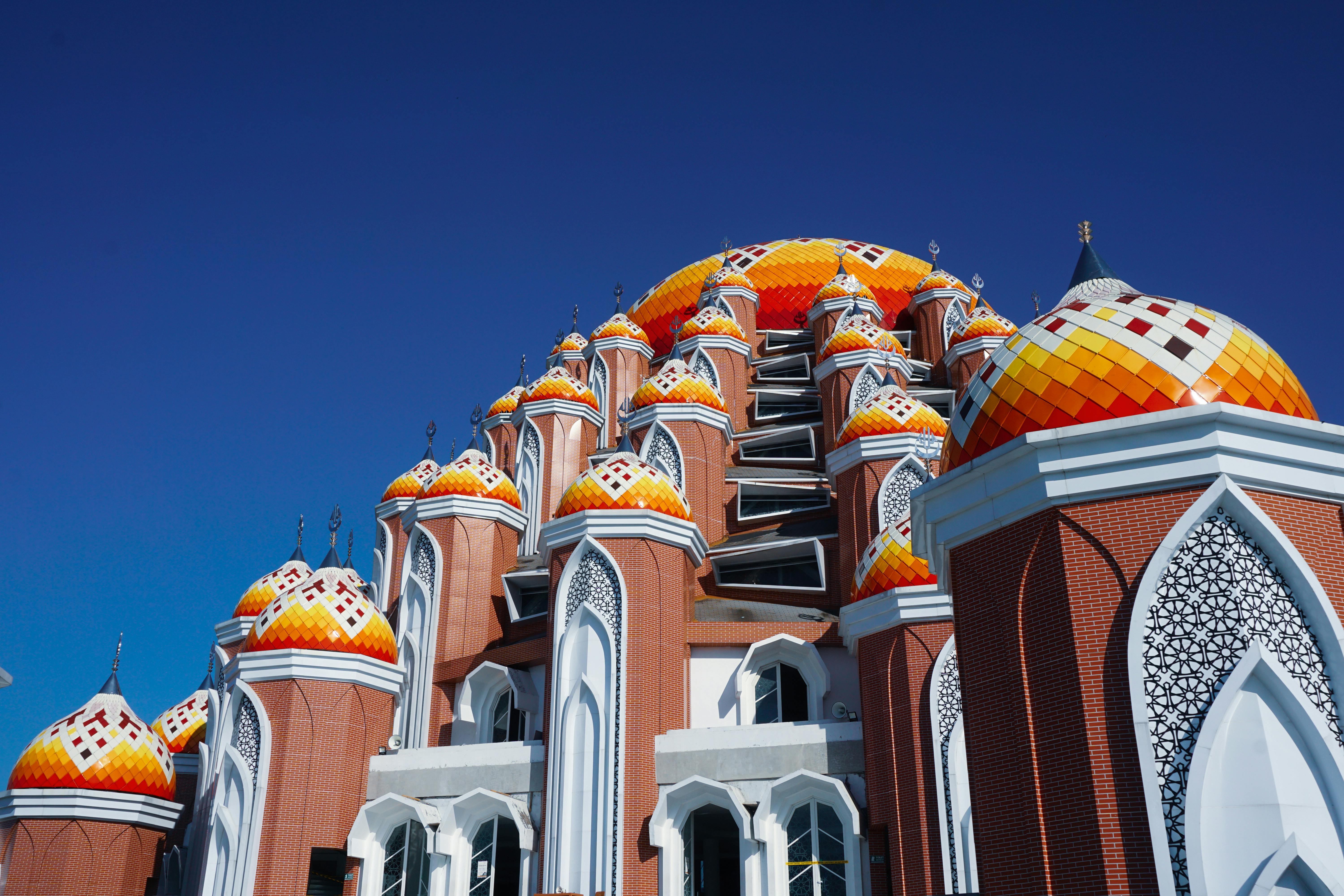 Makassar
Image by:Fatur Rachman
Makassar
Image by:Fatur Rachman
Angola's Malanje, with a population around 604,215, presents a complex picture for comparison with Indonesia's Makassar, a city exceeding one million inhabitants. The primary challenge lies in Malanje's data presentation: specific metrics are provided for distinct sub-locations like N'dalatando and Dondo, rather than offering a single, city-wide figure. This internal variation, reflected in quality of life scores ranging from 157.74 to 373.74 across its parts, fundamentally complicates any direct assessment of the city as a whole. In stark contrast, Makassar provides a more uniform dataset, allowing for a clearer, albeit still partial, overview of its overall environment.
Economically, Makassar offers clearer, albeit modest, indicators. The average monthly net salary stands at $227.47, a relatively low figure, though GDP per capita reaches $13,900, suggesting a gap between individual earnings and broader economic output. Malanje lacks comparable GDP data, making a direct economic comparison impossible. Housing costs in Makassar are quantifiable, with apartment prices spanning $593 to $1,483 per square meter and rents from $160 to $415 monthly. While Malanje provides property price data, the absence of detailed economic context and salary figures prevents a full analysis of its economic landscape and purchasing power.
The cost of living comparison highlights Makassar's data advantage. Its cost of living index is 23.33, one of the lowest in the dataset, yet specific items like imported beer or mid-range restaurant meals are low-cost, while international school tuition is notably high. Malanje's cost figures, lacking the GDP context and detailed salary information available for Makassar, cannot be easily evaluated for overall affordability or the disparity between salaries and living expenses, particularly concerning childcare and education.
Assessing quality of life is also skewed by data availability. Makassar provides established indices: a Quality of Life score of 102.64, a Safety Index of 46.99, a Healthcare Index of 64.81, and a Pollution Index of 55.99, with moderate commute times indicated by a 43.33 Traffic Commute Time Index. Malanje's situation is opaque; only specific sub-location quality metrics exist, ranging widely from 157.74 to 373.74. Without city-wide data on safety, healthcare, pollution, or the crucial safety and healthcare indices, a meaningful comparison of overall quality of life between the two cities is simply not feasible.
Finally, evaluating investment and career potential, Makassar provides concrete data points: a GDP per capita of $13,900, a GDP growth rate of 5.05%, and a population growth rate of 0.73%, alongside a 6.0% mortgage interest rate. Malanje offers no such figures, leaving its investment climate and job market prospects entirely undocumented. The detailed cost-of-living data for Makassar allows some inference about the $227.47 salary, but Malanje's lack of comparable data means its economic opportunities, if any, remain hidden from this analysis.
 Malanje
 Makassar
Local cuisine & dishes
Malanje
Makassar
 Malanje
 Makassar
Travel & attractions
Malanje
Makassar
Real estate & living comparison
| Malanje | Makassar | |
|---|---|---|
| Population | 604,215 | 1,338,663 |
Last updated: 2026-04-05T15:42:32+00:00
Comments for this comparison