
Manila vs. Herat: Detailed 2026 Cost of Living & Quality Comparison
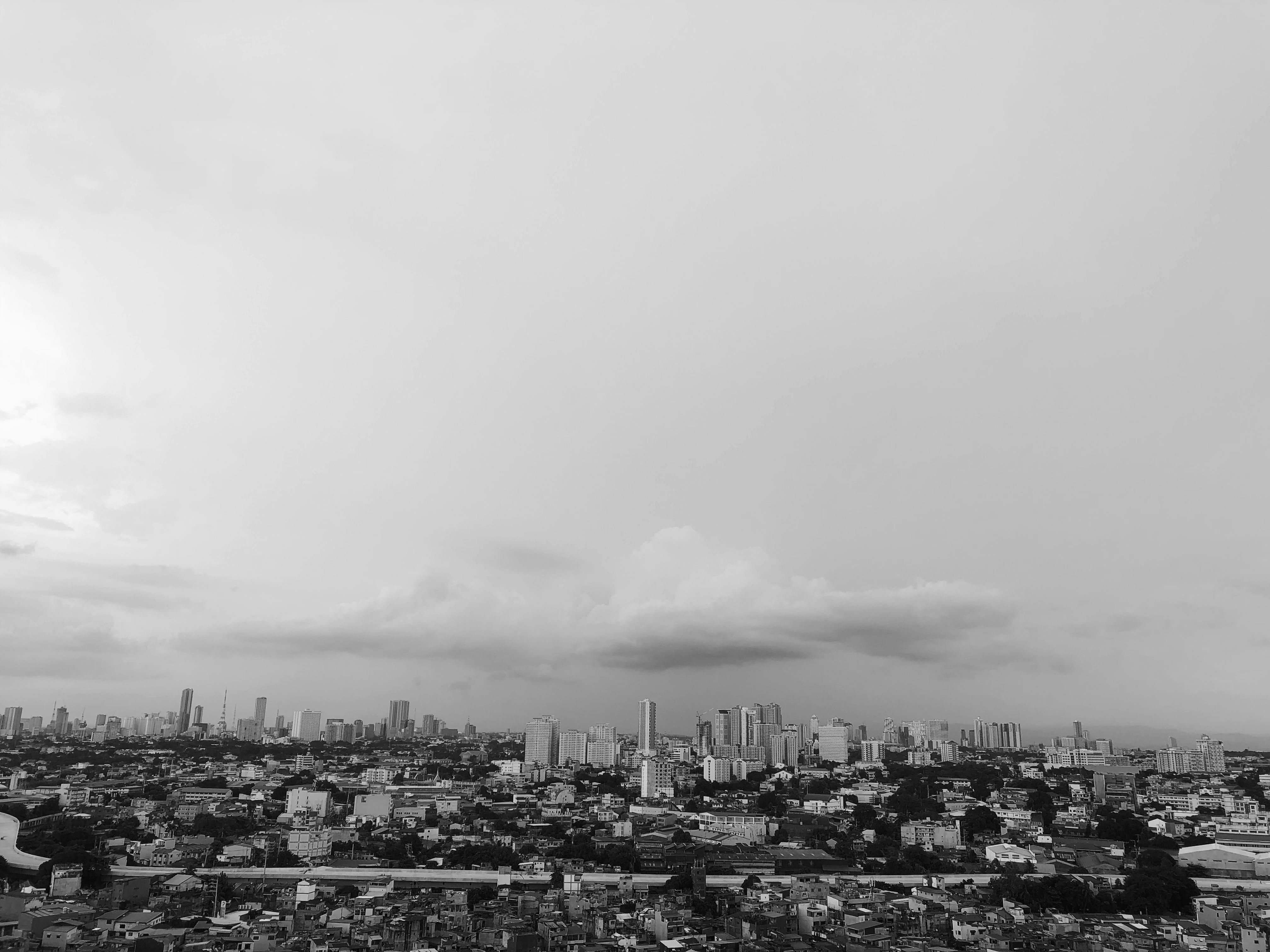 Manila
Image by:Honey Valdez
Manila
Image by:Honey Valdez
 Herat
Image by:Morteza Rezaiy
Herat
Image by:Morteza Rezaiy
Manila and Herat stand as contrasting examples of urban environments in 2026, representing vastly different economic realities and quality of life factors. Manila, the bustling capital of the Philippines with a population exceeding 24 million, commands a significantly higher cost of living than Herat, the Afghan city with a population of around 500,000. This is evident in both income levels and the price of everyday essentials. While the average monthly net salary in Manila reaches $488, nearly three times higher than the $190 net salary in Herat, the cost of basic groceries tells a similar story. Items like milk, bread, and eggs cost between $0.99 and $1.85 in the Philippine metropolis, compared to $0.28 to $1.69 in Herat. Even transportation costs reflect this disparity, with a monthly public transport pass priced at $13.71 in Manila versus $3.18 in Herat.
The gap in living expenses is starkly illustrated by housing costs. A 1-bedroom apartment in Manila's city center rents for $573 per month, a figure that dwarfs the $79 rental price for the same accommodation in Herat. This dramatic difference underscores the challenge of affording urban living in Manila, where the property price-to-income ratio stands at 37.31, indicating that high salaries are necessary just to keep a roof over one's head. Conversely, Herat's property market appears more accessible relative to its lower salaries, presenting a more affordable option for basic shelter, though the overall economic context differs significantly.
When it comes to quality of life, safety and environmental conditions paint a challenging picture for both cities, though the severity differs. Manila's Safety Index stands at 35.36, reflecting serious security concerns in its dense urban fabric. The city also suffers from severe air pollution, indicated by a high Pollution Index of 89.53. Healthcare access, however, is comparatively better in Manila, with an Index of 86.36, suggesting reasonably developed medical facilities. Herat faces its own serious safety issues, with a lower Safety Index of 29.36, and moderate pollution levels (Pollution Index 59.36). Crucially, healthcare access in Herat is far less developed, reflected in its lower healthcare index, making it a significant concern for residents' well-being.
Economic opportunities and investment potential further differentiate the two cities. Manila, as the Philippines' financial and commercial heart, offers substantially greater prospects. Its GDP per capita of $8,000 and a robust 6.5% GDP growth rate provide a dynamic environment for professional advancement and business development, supported by the higher average salary. Herat, with a much lower GDP per capita of $4,000 and a sluggish 2.7% growth rate, presents far fewer avenues for economic advancement. Moreover, the extremely high mortgage interest rate of 20.0% in Herat creates significant financial barriers for investment and long-term planning, despite the lower overall cost of living making basic necessities more affordable than in Manila.
In conclusion, Manila and Herat offer fundamentally different experiences for potential residents and investors in 2026. Manila provides a higher standard of living with better access to healthcare and more diverse economic opportunities, though it confronts serious challenges regarding safety, pollution, and the high cost of living. Herat presents a significantly lower cost of living and basic necessities, but its economic prospects are limited, interest rates are prohibitively high, and quality of life is hampered by safety concerns and underdeveloped public services. The choice between these two cities hinges on individual priorities, financial capacity, and tolerance for risk, with Manila representing the path of greater economic dynamism and Manila offering a more developed urban experience, albeit at a higher cost and with significant trade-offs.
 Manila
 Herat
HeratLocal cuisine & dishes
Manila
Herat
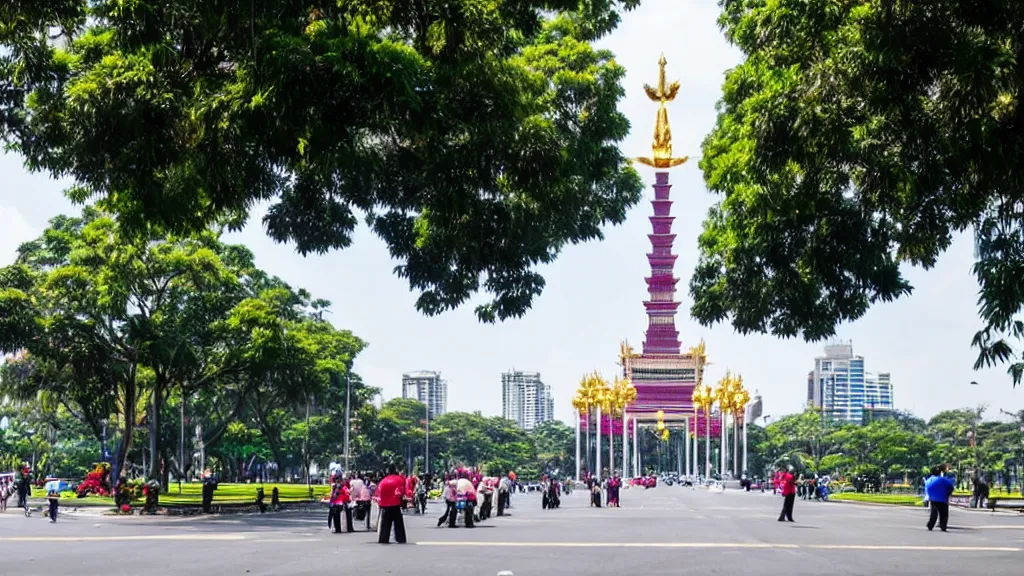 Manila
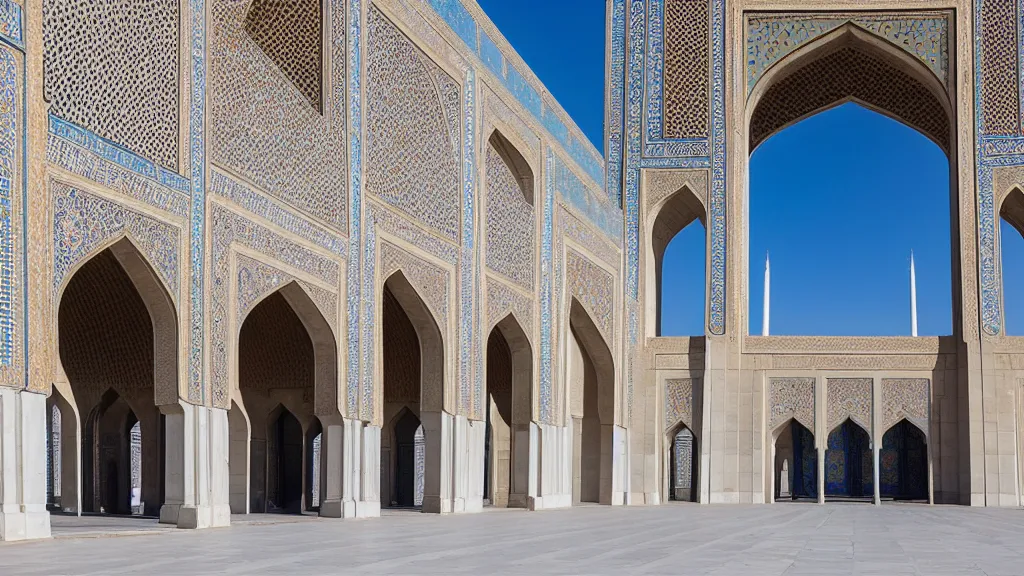 Herat
HeratTravel & attractions
Manila
Herat
Real estate & living comparison
| Manila | Herat | |
|---|---|---|
| Private Full-Day Preschool or Kindergarten, Monthly Fee per Child | 542.46 USD | 15.87 USD |
| Jeans (Levi's 501 or Similar) | 53.84 USD | 23.81 USD |
| Men's Leather Business Shoes | 54.12 USD | 39.68 USD |
| Apples (1 kg) | 3.31 USD | 0.79 USD |
| Bananas (1 kg) | 2.07 USD | 0.79 USD |
| 1 Bedroom Apartment in City Centre | 573.16 USD | 79.37 USD |
| 1 Bedroom Apartment Outside of City Centre | 276.43 USD | 47.62 USD |
| Bottled Water (0.33 Liter) | 0.88 USD | 0.16 USD |
| Cappuccino (Regular Size) | 2.65 USD | 0.79 USD |
| Annual Mortgage Interest Rate (20-Year Fixed, in %) | 7.43 USD | 20 USD |
| Average Monthly Net Salary (After Tax) | 488.01 USD | 190.48 USD |
| Monthly Fitness Club Membership | 43.92 USD | 15.87 USD |
| Gasoline (1 Liter) | 1.07 USD | 1.11 USD |
| One-Way Ticket (Local Transport) | 0.51 USD | 0.32 USD |
| Basic Utilities for 85 m2 Apartment (Electricity, Heating, Cooling, Water, Garbage) | 117.62 USD | 206.35 USD |
| Broadband Internet (Unlimited Data, 60 Mbps or Higher) | 25.95 USD | 158.73 USD |
| Population | 24,922,000 | 556,205 |
Last updated: 2026-04-05T11:23:53+00:00
Comments for this comparison