
Morogoro vs. Rio de Janeiro: Detailed 2026 Cost of Living & Quality Comparison
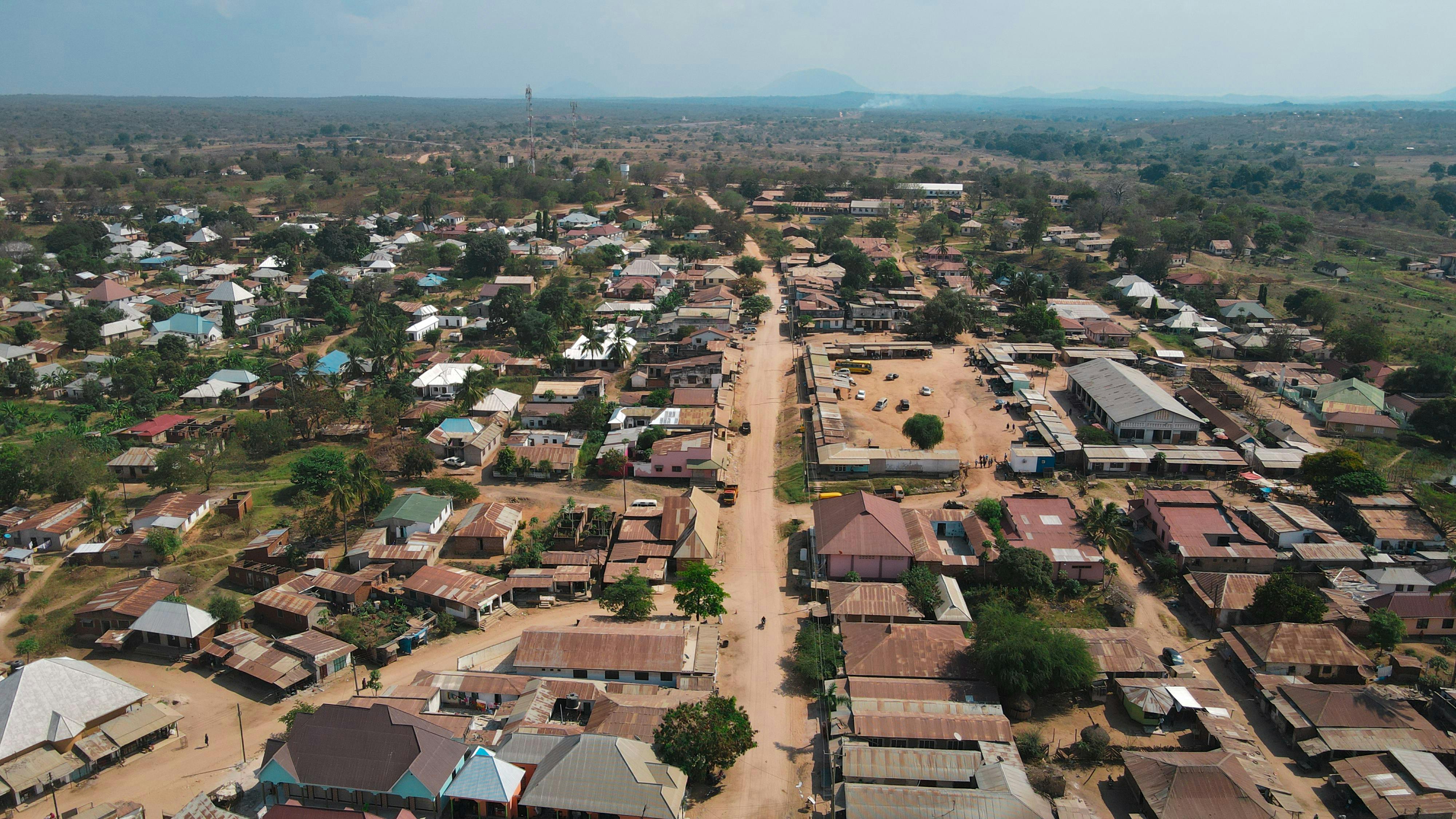 Morogoro
Image by:I am Alex
Morogoro
Image by:I am Alex
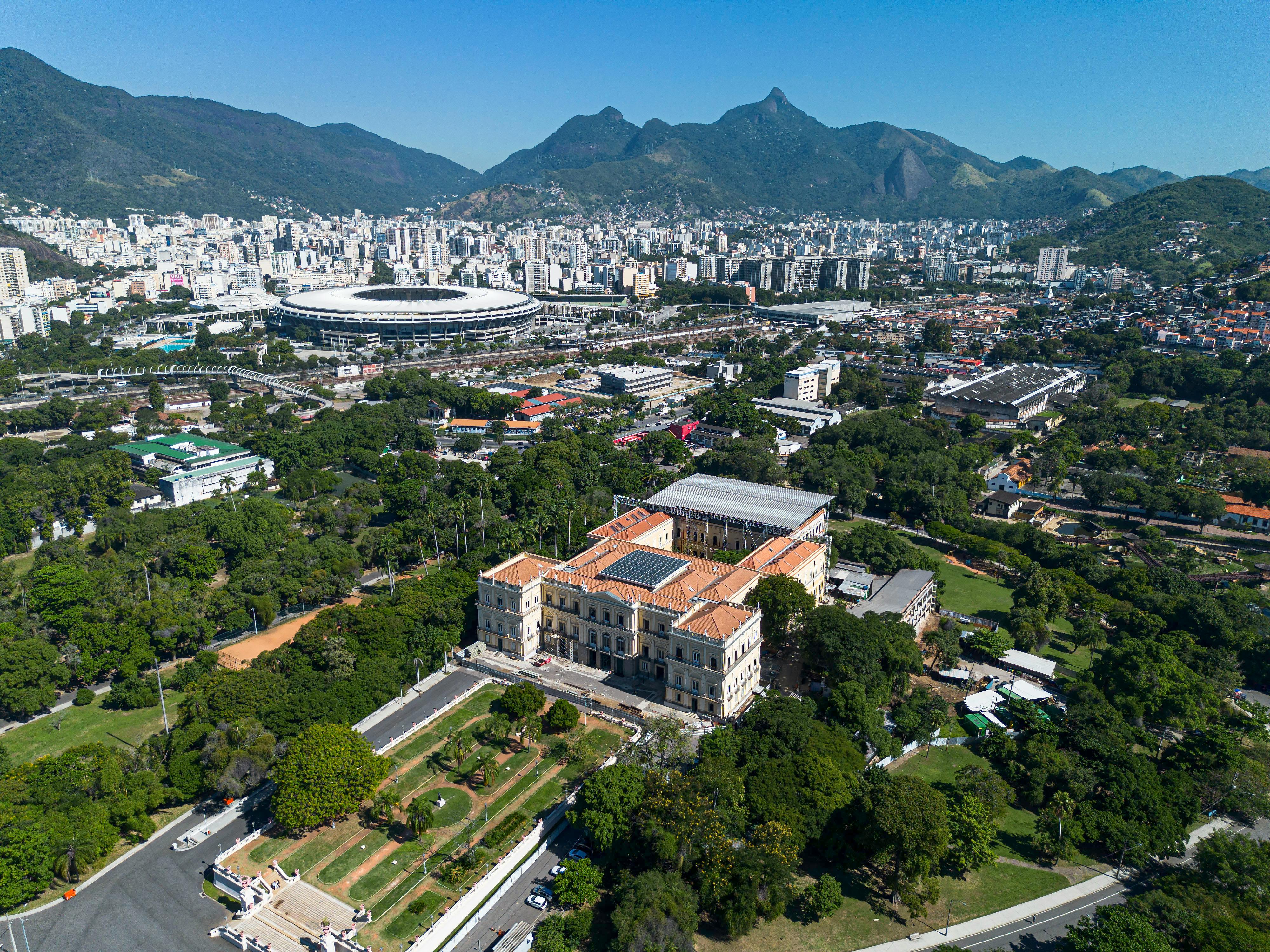 Rio de Janeiro
Image by:Americo Vermelho
Rio de Janeiro
Image by:Americo Vermelho
Rio de Janeiro, a major metropolis in Brazil with a population exceeding twelve million, stands in stark contrast to Morogoro, a significant city in Tanzania with a population of over 470,000. Rio's economy, more diversified and developed, encompasses sectors like finance, tourism, and industry, albeit facing considerable infrastructure and social challenges, while Morogoro's economic landscape is characterized by emerging industries and agriculture within a developing East African context. This analysis compares their economic opportunities, living expenses, quality of life factors, and investment potential, highlighting the distinct trade-offs inherent in each location.
Economically, Rio de Janeiro presents a substantially more developed scenario, evidenced by its significantly higher GDP per capita ($19,00 (compared to Morogoro's $3,600)). This translates into a much higher average net monthly salary ($488 USD in Rio vs. $312 USD in Morogoro). However, this higher income comes with significantly greater costs, particularly for property. While Rio's city-center apartments command exorbitant prices ($2,703 USD per square meter), Morogoro's property market is implicitly much lower, reflecting its lower cost of living index. Furthermore, Rio's annual mortgage interest rate (11.05%) is lower than Morogoro's (18.25%), yet the overall cost of living in Rio is substantially higher, impacting disposable income significantly.
The quality of life presents a marked contrast, with Rio de Janeiro facing significant urban challenges despite its global status. Its Quality of Life Index (82.28) is considerably lower than Morogoro's implicit index (likely higher, similar to Kilosa's 97.53). Rio performs poorly on key metrics, including a low Safety Index (24.7), a moderate Health Care Index (46.37), and a high Pollution Index (67.59). Commute times are also notably long (51.16 index). Conversely, Morogoro likely benefits from a calmer pace of life and potentially safer conditions, though it lacks the international-standard healthcare facilities or complex transport networks found in Rio, perhaps necessitating simpler urban planning solutions.
Rio de Janeiro offers more substantial career advancement opportunities within its larger, more complex economy, suggesting a more established job market despite its challenges. The higher salaries ($488 USD/month) indicate greater earning potential, though matched by higher costs. Investment potential in Rio is tied to its high property prices and potentially higher returns, but also involves higher volatility and risk. Morogoro presents a different investment profile, likely with lower property prices and potentially lower immediate returns, but offering less immediate risk and room for long-term development as its economy grows (5.07% GDP growth vs. Rio's 2.91%). The urban landscape in Rio might feature advanced systems like Maglev for transport or Brise-soleil facades for climate control, contrasting with Morogoro's developing infrastructure.
Rio de Janeiro offers a dynamic, global urban experience with higher earning potential and more diverse economic opportunities, but it comes with significantly higher living costs, particularly for housing, and faces substantial challenges regarding safety, healthcare quality, and environmental pollution. Morogoro presents a more affordable lifestyle option with lower property costs and potentially safer conditions, but operates within a less developed economic framework, offering lower salaries and fewer international career prospects. The choice between these two cities hinges fundamentally on individual priorities: those prioritizing career advancement, higher income, and access to a major global city lifestyle, despite the associated high costs and challenges, may lean towards Rio. Conversely, individuals seeking a more affordable cost of living, a potentially safer environment, and a developing market with lower immediate expenses might find Morogoro a more suitable, albeit less glamorous, option.
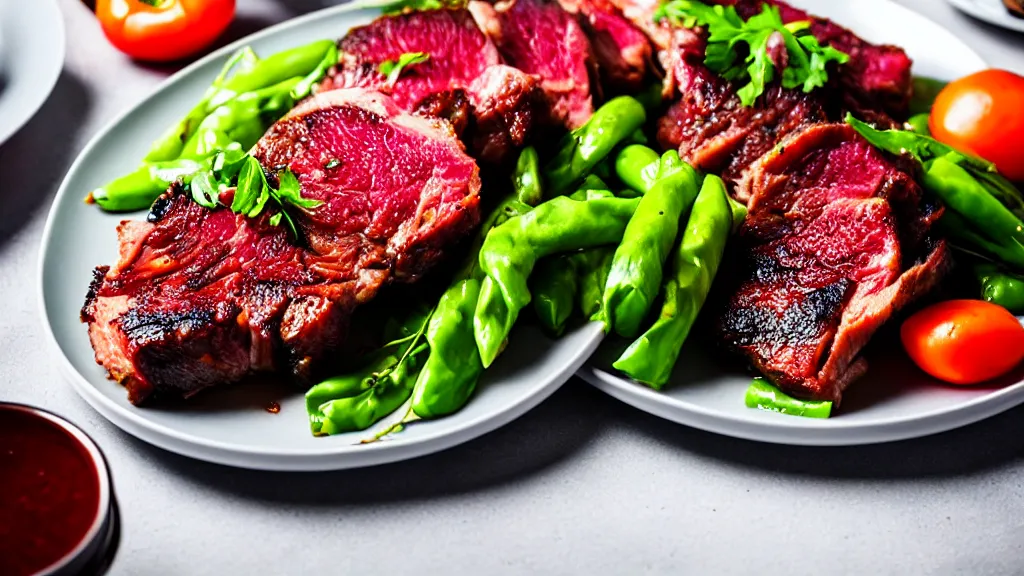 Morogoro
 Rio de Janeiro
Local cuisine & dishes
Morogoro
Rio de Janeiro
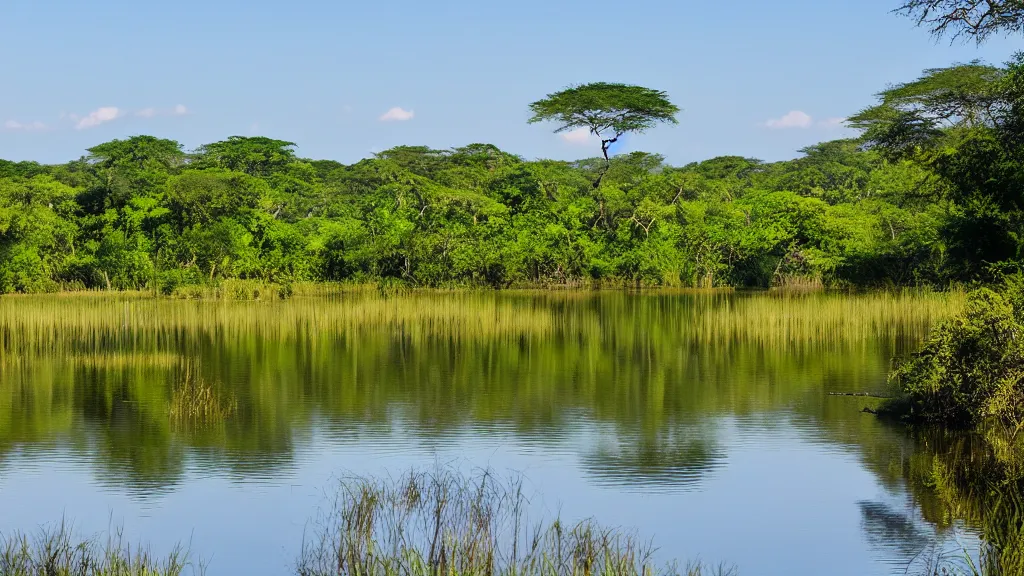 Morogoro
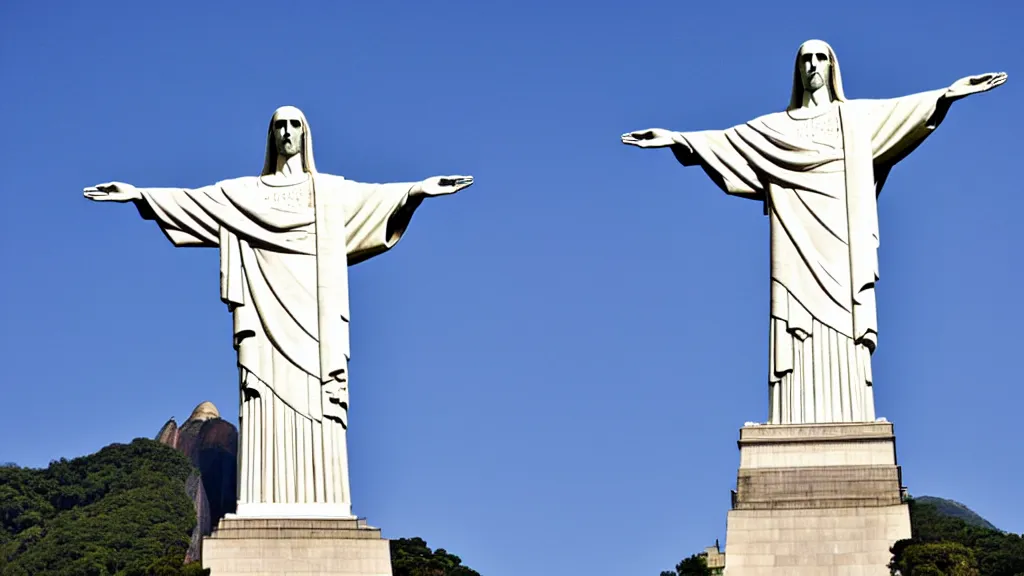 Rio de Janeiro
Travel & attractions
Morogoro
Rio de Janeiro
Real estate & living comparison
| Morogoro | Rio de Janeiro | |
|---|---|---|
| International Primary School, Annual Tuition per Child | 7803.66 USD | 12238.3 USD |
| Private Full-Day Preschool or Kindergarten, Monthly Fee per Child | 656.67 USD | 547.76 USD |
| Jeans (Levi's 501 or Similar) | 7.8 USD | 43.89 USD |
| Men's Leather Business Shoes | 19.51 USD | 62.58 USD |
| Apples (1 kg) | 1.17 USD | 2.53 USD |
| Bananas (1 kg) | 0.59 USD | 1.63 USD |
| 1 Bedroom Apartment in City Centre | 78.12 USD | 633.47 USD |
| 3 Bedroom Apartment in City Centre | 195.31 USD | 1054.78 USD |
| Bottled Water (0.33 Liter) | 0.24 USD | 0.95 USD |
| Cappuccino (Regular Size) | 1.99 USD | 2.17 USD |
| Annual Mortgage Interest Rate (20-Year Fixed, in %) | 18.25 USD | 11.05 USD |
| Average Monthly Net Salary (After Tax) | 312.5 USD | 488.27 USD |
| Cinema Ticket (International Release) | 5.27 USD | 7.6 USD |
| Monthly Fitness Club Membership | 11.71 USD | 27.74 USD |
| Gasoline (1 Liter) | 0.78 USD | 1.15 USD |
| Monthly Public Transport Pass (Regular Price) | 8.48 USD | 53.55 USD |
| Basic Utilities for 85 m2 Apartment (Electricity, Heating, Cooling, Water, Garbage) | 85.84 USD | 110.05 USD |
| Broadband Internet (Unlimited Data, 60 Mbps or Higher) | 34.4 USD | 19.97 USD |
| Population | 471,409 | 12,592,000 |
Last updated: 2026-04-05T15:42:59+00:00
Comments for this comparison