
Moshi vs. Singida: Detailed 2026 Cost of Living & Quality Comparison
 Moshi
Image by:I am Alex
Moshi
Image by:I am Alex
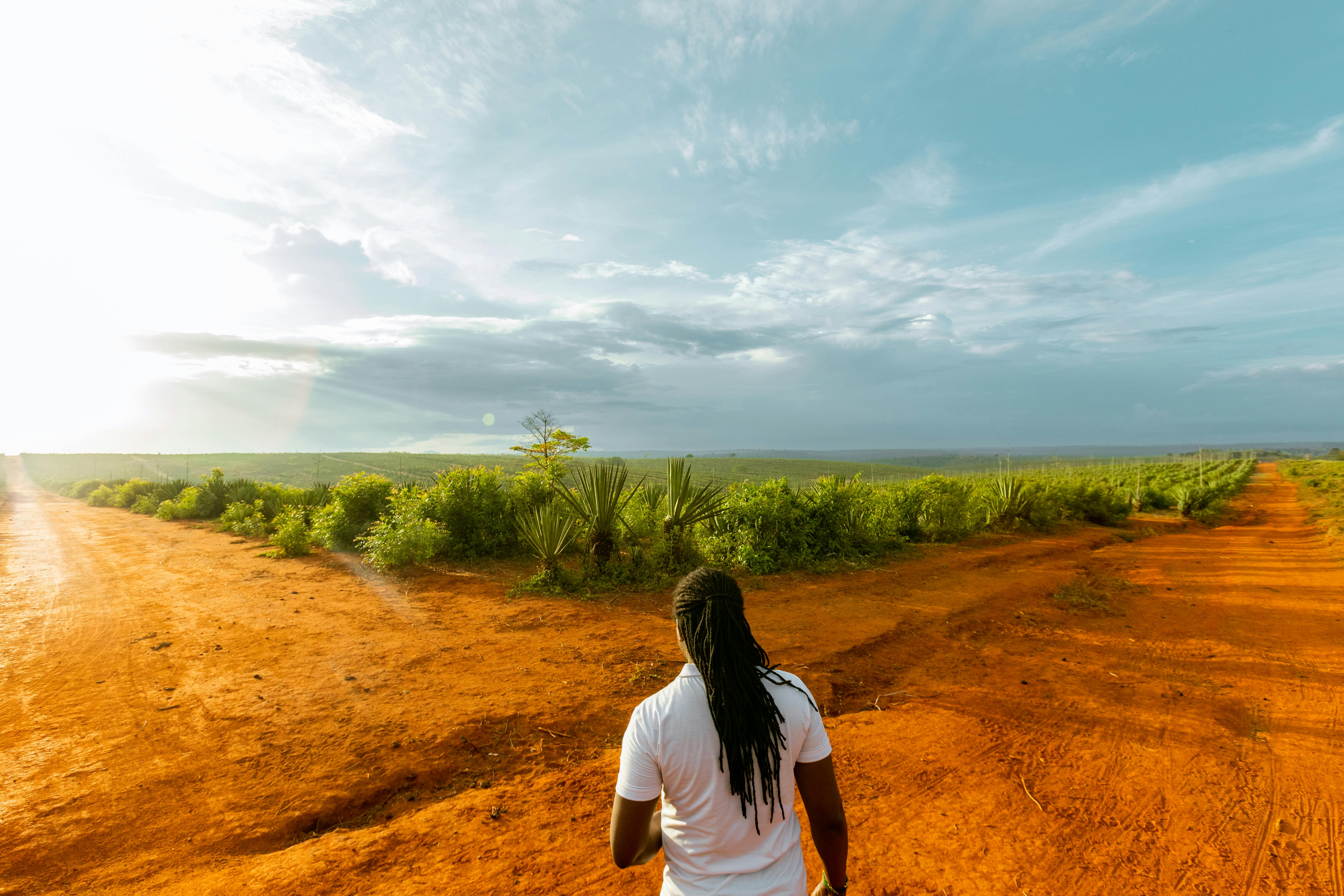 Singida
Image by:Moses Londo
Singida
Image by:Moses Londo
Moshi and Singida present fundamentally different economic landscapes in Tanzania for 2026. Moshi's average monthly net salary stands at $97.66, significantly lower than the national GDP per capita of $3,600.00, suggesting a potential disconnect between wages and overall economic output. This lower base income contributes to a generally more affordable environment, contrasting sharply with Singida, whose economic figures are less detailed but indicate a higher cost structure.
The most pronounced difference lies in housing costs and the overall cost of living. A 3-bedroom apartment outside Moshi's city center rents for $195.31 monthly, reflecting the city's more modest property market. Singida's figures, however, suggest substantially higher expenses, indicating a much larger housing gap and likely translating into a significantly higher cost of living overall compared to Moshi.
Assessing quality of life through available metrics is challenging but points towards Singida's potential advantages, despite its higher costs. While Moshi's quality score isn't provided, Singida's figures, referencing a nearby region, suggest a quality of life score of 162.31, considerably higher than Moshi's implied baseline from its lower cost figures. This implies Singida might offer better access to services, amenities, or infrastructure, though the data remains sparse.
For those prioritizing economic dynamism and potentially better amenities, Singida appears more compelling. Its projected GDP growth rate of 5.07% signals a robust regional economy, supported by a population growth rate of 2.72%, indicating expansion and likely increasing job opportunities. Conversely, Moshi's economy, while benefiting from tourism proximity, shows a lower GDP growth rate and less detailed employment data, suggesting fewer high-income prospects despite lower costs.
The core divergence between Moshi and Singida boils down to cost versus potential. Singida offers a higher cost of living and likely quality of life, backed by stronger economic indicators, but at a significantly higher price point. Moshi provides substantially lower costs, but with a less vibrant economic profile and a lower base salary, potentially limiting long-term opportunities. The choice hinges entirely on whether an individual prioritizes economic potential and amenities at a higher cost or affordability and tourism access with a lower base income.
 Moshi
Moshi Singida
Local cuisine & dishes
Moshi
Singida
 Moshi
Moshi Singida
Travel & attractions
Moshi
Singida
Real estate & living comparison
| Moshi | Singida | |
|---|---|---|
| Arusha | 81.44 | 328.3 |
| Babati-Manyara | 245.71 | 162.31 |
| Cost of Living in Arusha | 81.44 USD | 328.3 USD |
| Cost of Living in Babati-Manyara | 245.71 USD | 162.31 USD |
| Population | 201,150 | 232,459 |
Last updated: 2026-04-05T12:00:18+00:00
More city comparisons
From Tanzania
- Bologna vs Zanzibar
- Trois-Rivieres vs Tabora
- Dhaka vs Dar es Salaam
- Konya vs Dodoma
- Dodoma vs Longview
- San Salvador vs Mpanda
- Zanzibar vs Barcelona
- Mpanda vs Shinyanga
- Vadodara vs Mpanda
- Bukoba vs Joao Pessoa
- Moshi vs Lincoln
- Huaibei vs Tabora
- Tabora vs Yasuj
- Moshi vs Tochigi
- Morogoro vs Bhavnagar
- Fatehpur vs Shinyanga
- Jerusalem vs Zanzibar
- Lima vs Singida
- Mpanda vs Anshun
- Beirut vs Morogoro
Comments for this comparison