
Narita vs. Riobamba: Detailed 2026 Cost of Living & Quality Comparison
 Narita
Image by:Afif Ramdhasuma
Narita
Image by:Afif Ramdhasuma
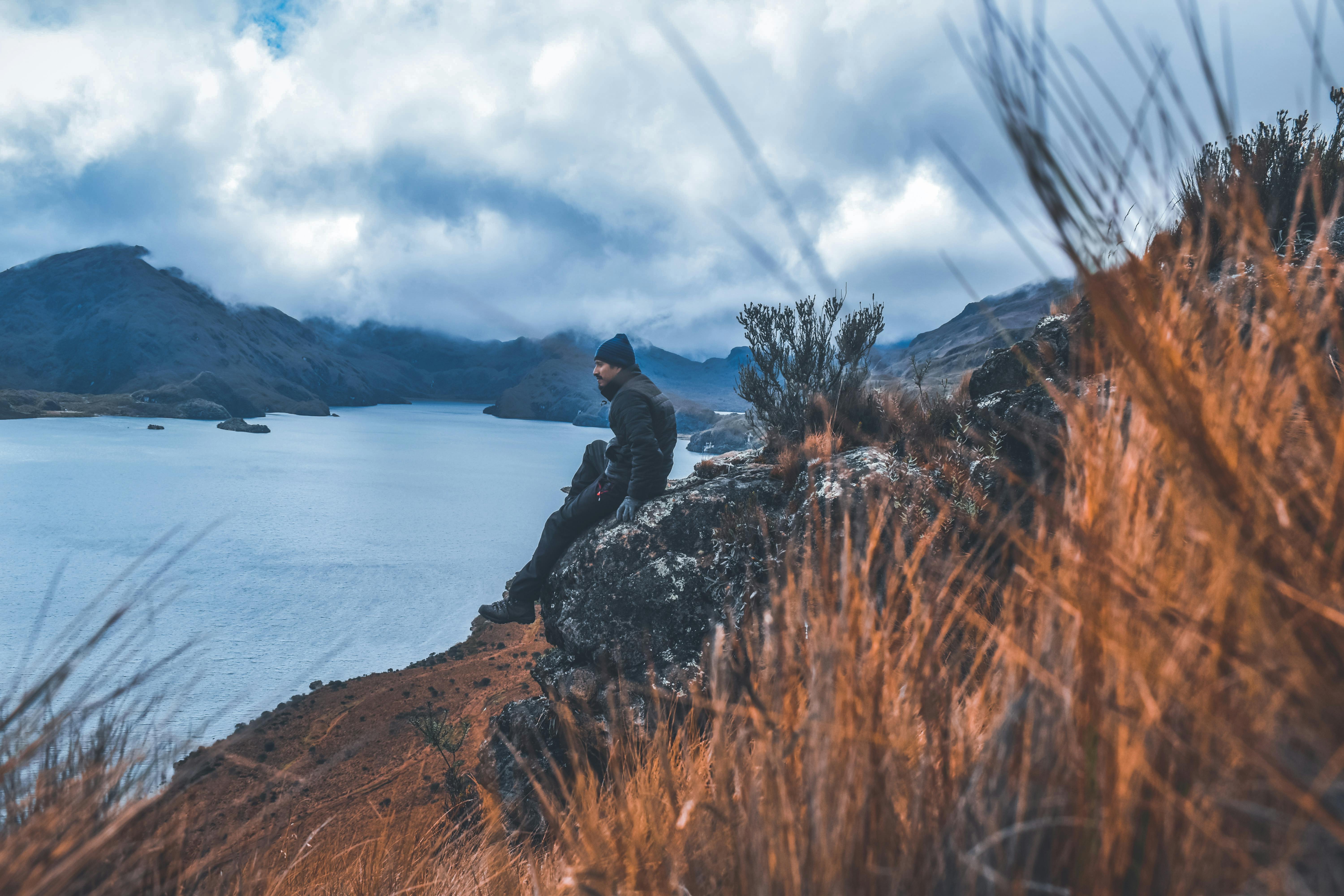 Riobamba
Image by:Saul Velastegui
Riobamba
Image by:Saul Velastegui
Narita, part of the densely populated and economically advanced Greater Tokyo Area, epitomizes a high-cost, high-opportunity urban environment within Japan's economic powerhouse. Its population and GDP per capita ($46,200) underscore its affluent character. In stark contrast, Riobamba, situated in Ecuador, presents a significantly more affordable alternative, albeit with a larger population (177,213) and a substantially lower GDP per capita ($14,500). The fundamental divergence lies in their economic profiles and cost structures: Narita reflects Japan's high standard of living and expenses, while Riobamba offers a lower cost of living, embedded within a different economic landscape presenting distinct growth dynamics and challenges. This comparison highlights the dichotomy between a developed, high-cost metropolis and a developing, lower-cost South American city.
Economically, Narita boasts a much higher average monthly net salary ($1,272) compared to Riobamba ($333.50), yet this higher income is matched by significantly greater expenses. The cost of living index for Narita (72.34) is considerably higher than Riobamba's generally lower indices. Housing exemplifies this disparity; Narita's 1-bedroom city centre apartment rents for $413.42 per month, reflecting the high property values common in major Japanese cities. Conversely, Riobamba offers drastically lower housing costs, with city centre rentals at just $115.00 per month and much lower property prices, though facing a much higher mortgage interest rate (15.0%) compared to Narita's 1.7%.
The quality of life presents contrasting pictures. Narita, part of the Tokyo metropolitan area, benefits from world-class infrastructure, extensive public services, high environmental quality (potentially featuring advanced systems like Brise-soleil facades for solar control), and robust healthcare access. Its quality of life index (72.34) suggests a high standard. Riobamba, while offering a lower cost of living, likely faces challenges associated with being a smaller South American city, potentially including less developed public services, different environmental conditions, and varying safety perceptions. Access to international schooling differs vastly, with Narita's tuition at $16,525.57 versus Riobamba's $1,440.00 annually, reflecting broader differences in educational provision and likely national infrastructure investment, perhaps including considerations for advanced pollution control like Sulfur-scrubbers in major Japanese industrial zones.
From an investment and career perspective, Narita offers opportunities within Japan's large and stable economy (GDP growth 1.68%), with likely robust job security despite high salaries. The lower mortgage interest rate (1.7%) favours long-term property investment. Riobamba, in Ecuador (GDP growth 2.36%), presents a different scenario with potentially more limited career prospects and a significantly higher mortgage interest rate (15.0%) acting as a barrier for borrowing. While Riobamba's lower cost of living makes its salaries more sustainable, the economic stability and job security differ substantially from the Japanese context. The Maglev bullet train system exemplifies the advanced transport infrastructure often found in developed nations like Japan, contrasting with the transport challenges potentially faced in developing economies like Ecuador's.
In conclusion, Narita and Riobamba represent two entirely different environments for living and working. Narita offers the advantages of a highly developed nation, a high standard of living, excellent infrastructure, and diverse economic opportunities, but at a significantly higher cost of living. Riobamba provides a much more affordable lifestyle with lower housing costs and basic living expenses, but operates within a developing economy with potentially lower salaries, higher borrowing costs, and a less defined quality of life profile. The choice hinges critically on individual priorities regarding cost, career prospects, economic stability, and the desired standard of living within vastly different national and regional contexts.
 Narita
 Riobamba
Local cuisine & dishes
Narita
Riobamba
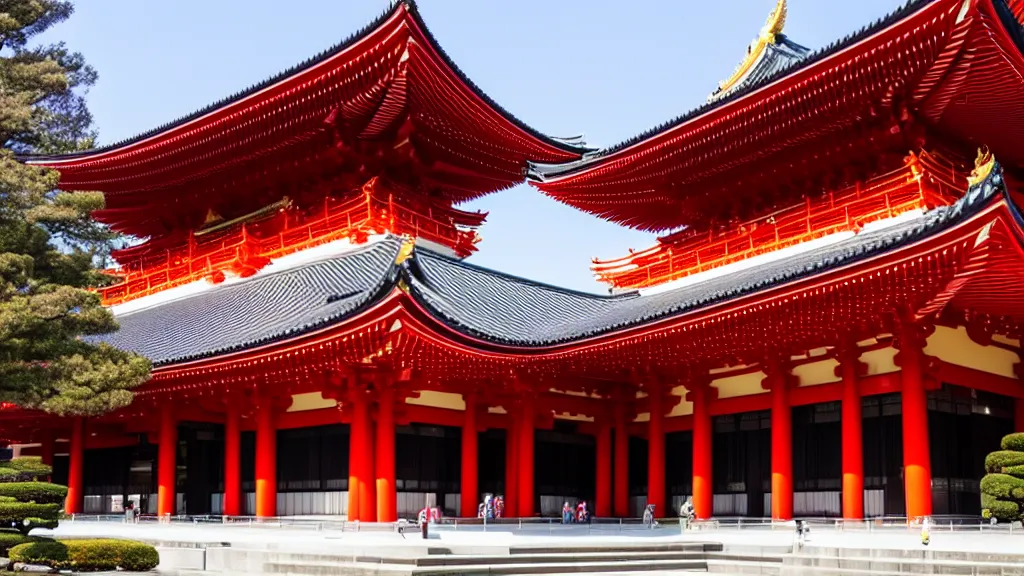 Narita
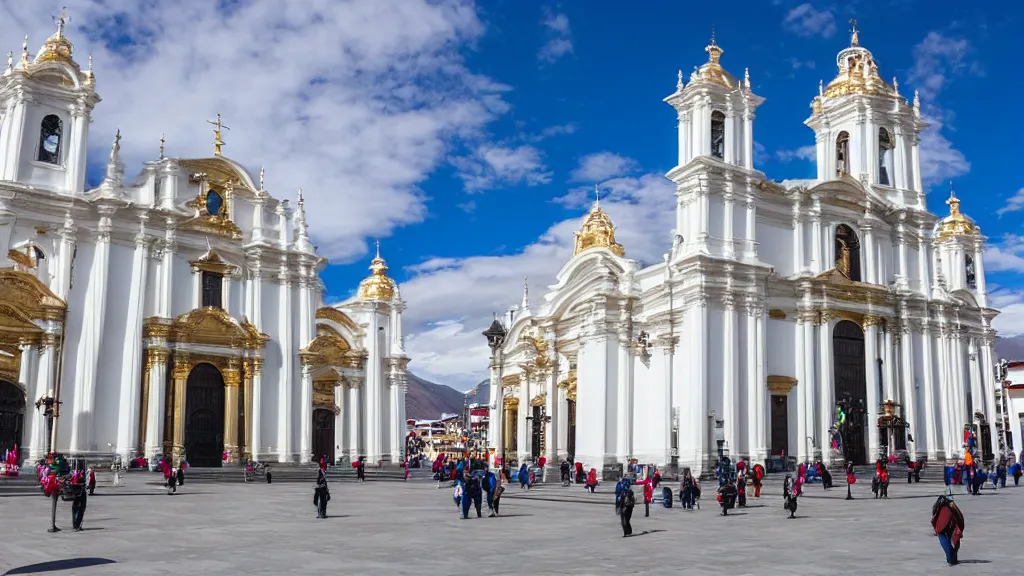 Riobamba
Travel & attractions
Narita
Riobamba
Real estate & living comparison
| Narita | Riobamba | |
|---|---|---|
| International Primary School, Annual Tuition per Child | 16525.57 USD | 1440 USD |
| Private Full-Day Preschool or Kindergarten, Monthly Fee per Child | 1109.52 USD | 80 USD |
| Jeans (Levi's 501 or Similar) | 50.48 USD | 50 USD |
| Men's Leather Business Shoes | 81.46 USD | 73.65 USD |
| Apples (1 kg) | 5.11 USD | 1.75 USD |
| Bananas (1 kg) | 2.44 USD | 0.5 USD |
| 1 Bedroom Apartment in City Centre | 413.42 USD | 115 USD |
| 1 Bedroom Apartment Outside of City Centre | 318.02 USD | 95 USD |
| Bottled Water (0.33 Liter) | 0.76 USD | 0.68 USD |
| Cappuccino (Regular Size) | 3.18 USD | 2.42 USD |
| Annual Mortgage Interest Rate (20-Year Fixed, in %) | 1.7 USD | 10.95 USD |
| Average Monthly Net Salary (After Tax) | 1272.06 USD | 333.5 USD |
| Cinema Ticket (International Release) | 11.45 USD | 5.85 USD |
| Monthly Fitness Club Membership | 34.98 USD | 25 USD |
| Gasoline (1 Liter) | 1.07 USD | 0.72 USD |
| One-Way Ticket (Local Transport) | 1.91 USD | 0.28 USD |
| Basic Utilities for 85 m2 Apartment (Electricity, Heating, Cooling, Water, Garbage) | 157.7 USD | 20 USD |
| Broadband Internet (Unlimited Data, 60 Mbps or Higher) | 28.62 USD | 28.33 USD |
| Population | 130,689 | 177,213 |
Last updated: 2026-04-05T11:33:55+00:00
Comments for this comparison