
Numazu vs. Arecibo: Detailed 2026 Cost of Living & Quality Comparison
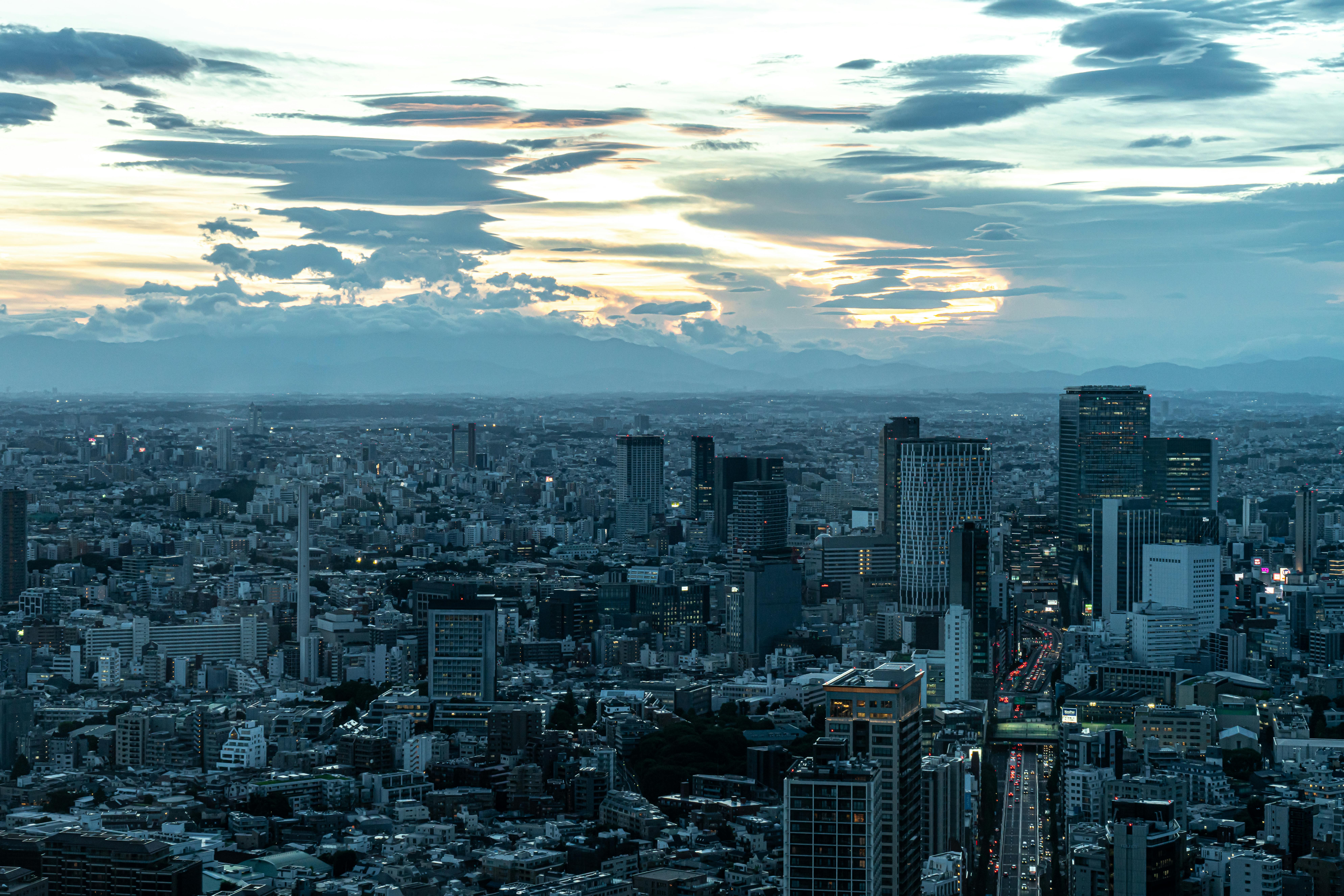 Numazu
Image by:Kuma Jio
Numazu
Image by:Kuma Jio
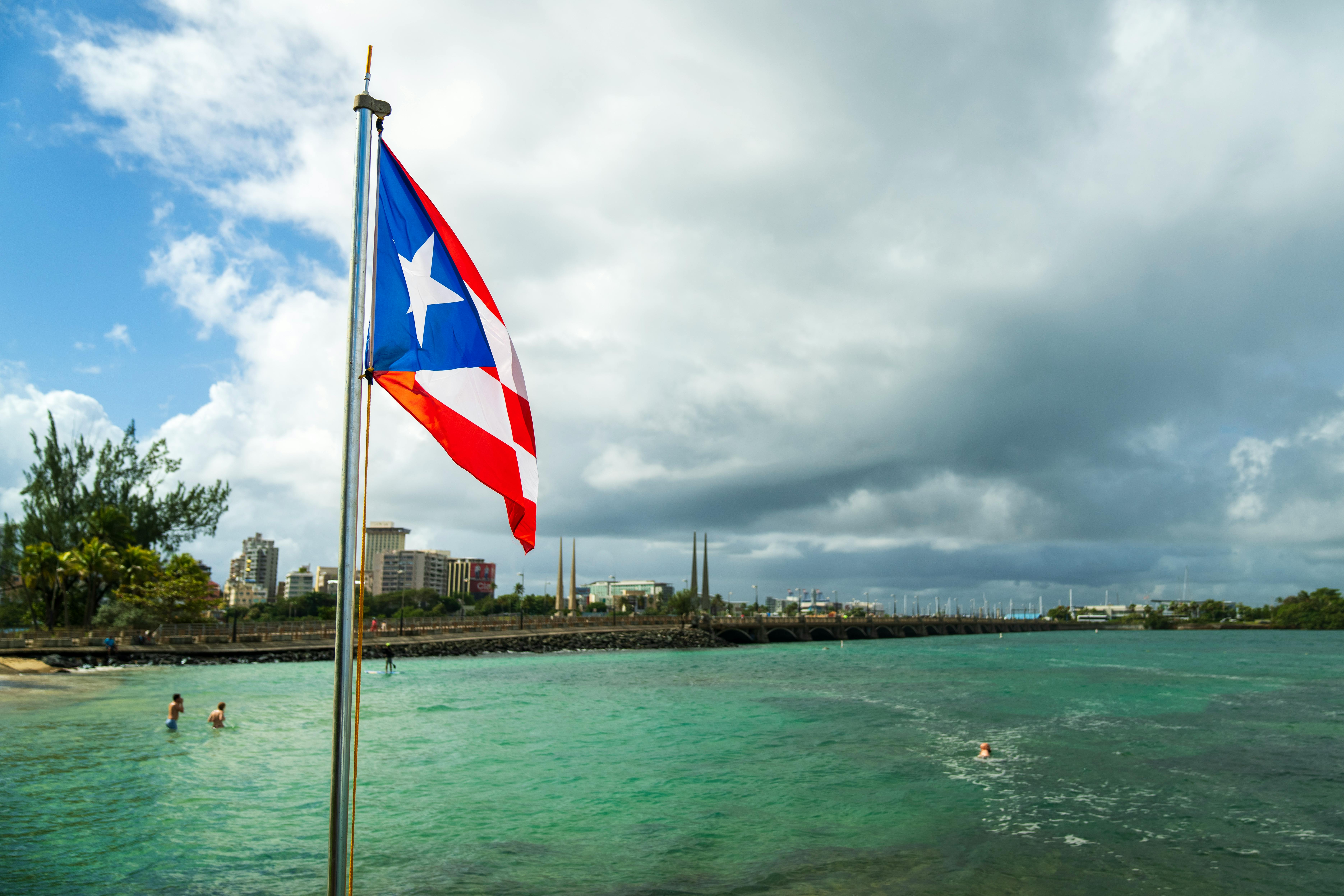 Arecibo
Image by:Mark Stebnicki
Arecibo
Image by:Mark Stebnicki
## Numazu vs. Arecibo: A 2026 Cost of Living and Quality Comparison
Numazu, Japan's developed city with over 187,000 residents, contrasts sharply with Arecibo, Puerto Rico's smaller city of around 125,000 inhabitants. This comparison highlights fundamental differences in economic development and cost structures. Numazu operates within Japan's strong economy, boasting a high GDP per capita, while Arecibo functions in a developing territory. This economic disparity directly influences the cost of living and housing, with Numazu being significantly more expensive. Basic living expenses and property prices in Numazu are substantially higher than those in Arecibo, reflecting the greater purchasing power and infrastructure costs associated with a developed nation.
The housing market underscores this economic gap. While Numazu's property prices range from around $112.60 to $245.32 per square foot, Arecibo's market offers much more affordable options, typically between $30.17 and $60.55 per square foot. Furthermore, the overall cost of living index places Numazu considerably higher than Arecibo, indicating lower purchasing power for everyday goods and services in the Puerto Rican city. This translates to a significant financial burden for individuals and businesses in Numazu, particularly concerning housing affordability.
Beyond costs, the quality of life presents a clear divergence. Numazu demonstrates vastly superior metrics across healthcare access, safety, environmental quality, and public services. Its residents benefit from Japan's advanced infrastructure, including reliable public systems for education, transportation, and healthcare. Conversely, Arecibo shows considerably lower quality scores, suggesting potential deficiencies in public safety, healthcare quality, and environmental management. This means residents of Arecibo face a more basic living environment with fewer high-quality amenities and services compared to Numazu.
For investors and job seekers, the opportunities differ markedly. Numazu offers a stable environment within Japan's large, integrated market, featuring lower mortgage rates (around 2.02%) and generally stronger career prospects with higher earning potential, despite potentially stiffer competition. Arecibo presents lower entry costs for investment and potentially slightly faster GDP growth (0.56%), but confronts higher borrowing costs and a less developed economic base. The trade-off is clear: Numazu provides economic stability and superior quality, while Arecibo offers lower costs but with significant compromises in quality and economic security.
Ultimately, Numazu presents a far more compelling picture for those prioritizing economic stability, career opportunities, and a high quality of life within a developed nation. The higher costs in Numazu are matched by significantly better public services, safety, and infrastructure. Arecibo's lower expenses come at the cost of lower quality metrics, higher interest rates, and a less robust economic foundation. The choice hinges on individual priorities: Numazu favors security and amenities, while Arecibo appeals to those seeking lower costs, accepting the associated trade-offs in quality and opportunity.
 Numazu
 Arecibo
Local cuisine & dishes
Numazu
Arecibo
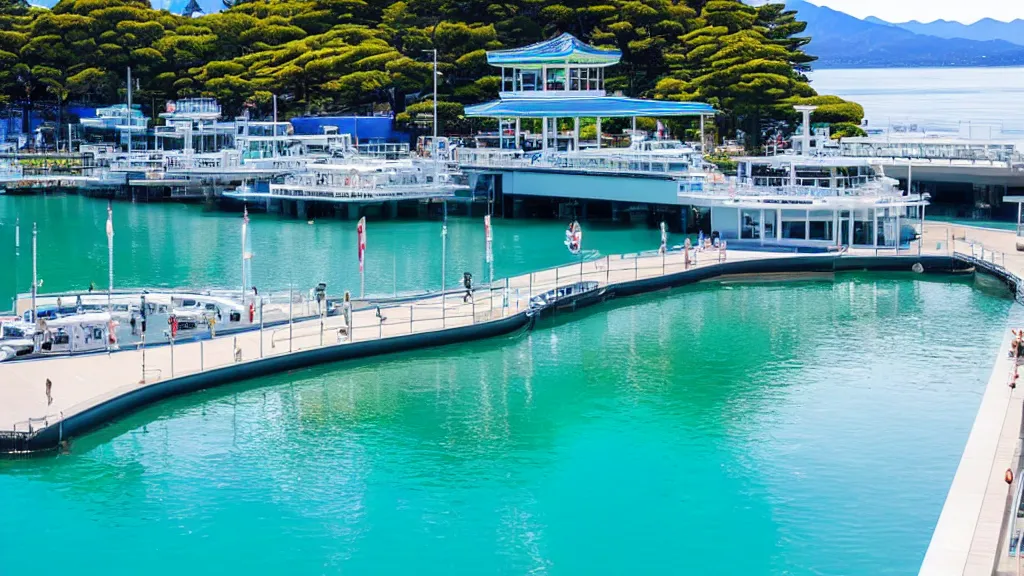 Numazu
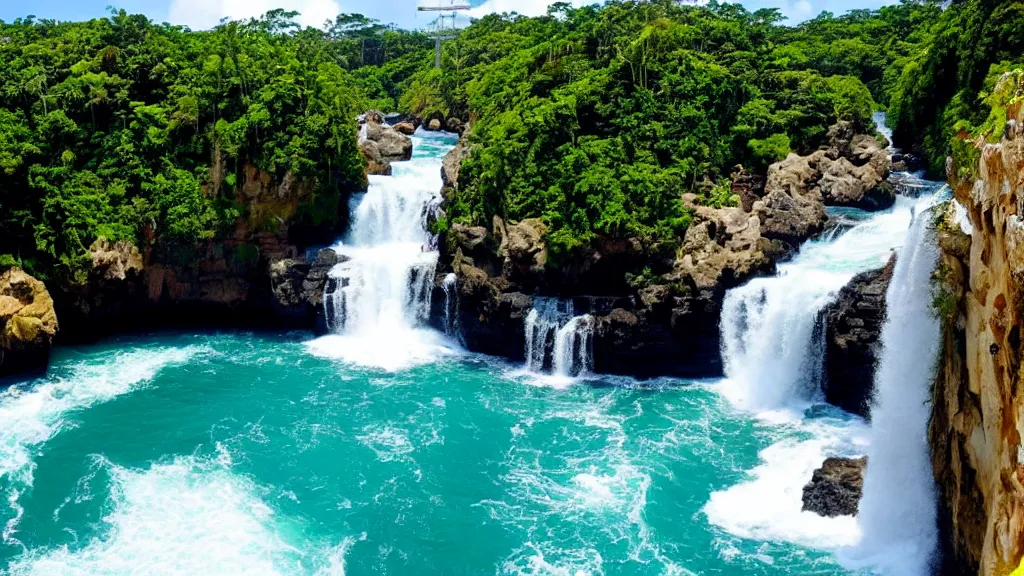 Arecibo
Travel & attractions
Numazu
Arecibo
Real estate & living comparison
| Numazu | Arecibo | |
|---|---|---|
| International Primary School, Annual Tuition per Child | 14789.83 USD | 12862.92 USD |
| Private Full-Day Preschool or Kindergarten, Monthly Fee per Child | 579.65 USD | 875.2 USD |
| Jeans (Levi's 501 or Similar) | 46.81 USD | 48.5 USD |
| Men's Leather Business Shoes | 98.58 USD | 108 USD |
| Apples (1 kg) | 8.27 USD | 5.06 USD |
| Bananas (1 kg) | 2.97 USD | 2.6 USD |
| Bottled Water (0.33 Liter) | 0.74 USD | 1.42 USD |
| Cappuccino (Regular Size) | 2.39 USD | 3.75 USD |
| Annual Mortgage Interest Rate (20-Year Fixed, in %) | 2.02 USD | 6.42 USD |
| Cinema Ticket (International Release) | 11.45 USD | 10.5 USD |
| Gasoline (1 Liter) | 1.1 USD | 0.88 USD |
| Taxi 1 Hour Waiting (Standard Tariff) | 15.9 USD | 42 USD |
| Basic Utilities for 85 m2 Apartment (Electricity, Heating, Cooling, Water, Garbage) | 116.61 USD | 350 USD |
| Broadband Internet (Unlimited Data, 60 Mbps or Higher) | 31.32 USD | 65 USD |
| Population | 187,653 | 125,548 |
Last updated: 2026-04-05T11:45:06+00:00
Comments for this comparison