
Orūmīyeh vs. Valdivia: Detailed 2026 Cost of Living & Quality Comparison
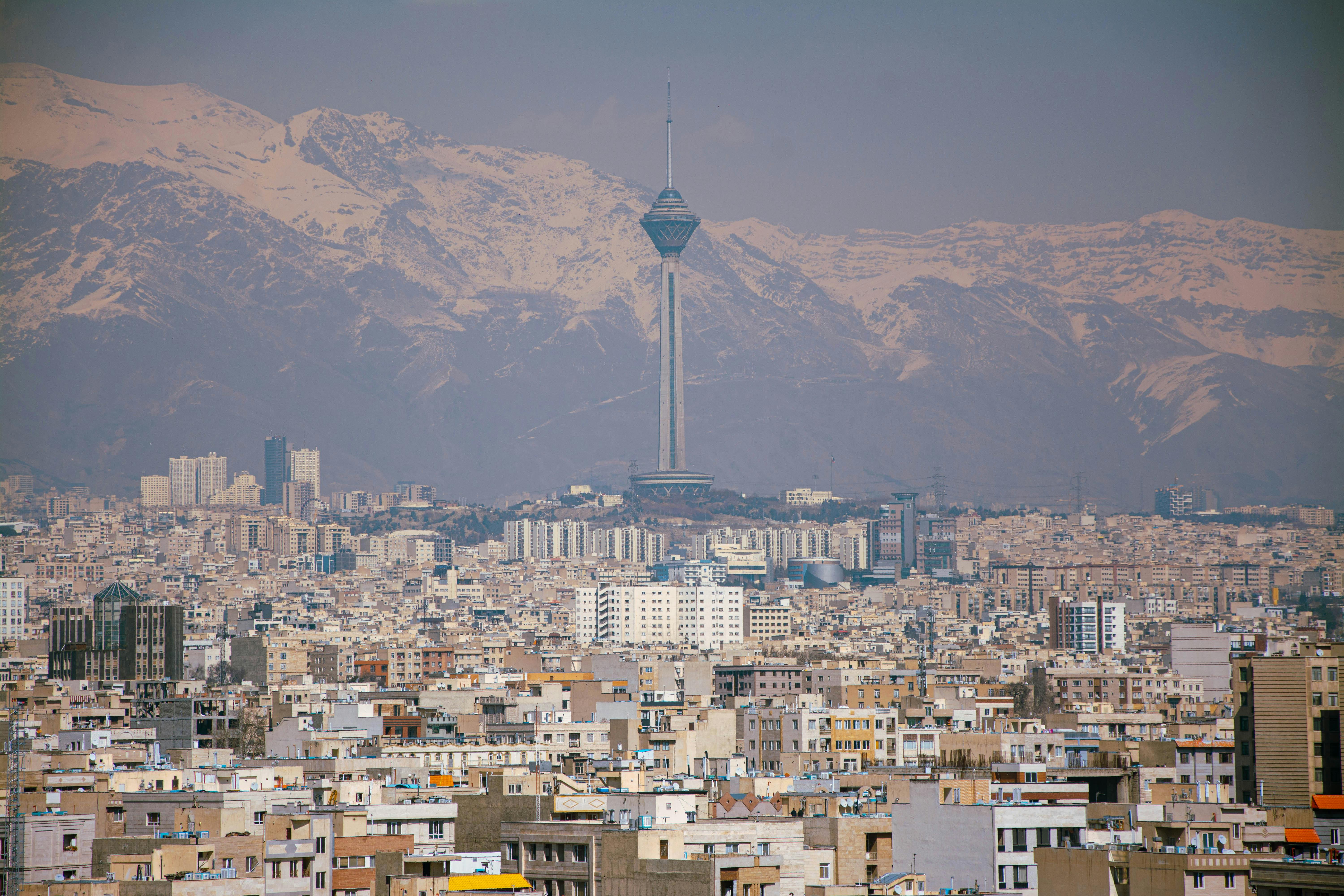 Orumiyeh
Image by:Mehdi Salehi
Orumiyeh
Image by:Mehdi Salehi
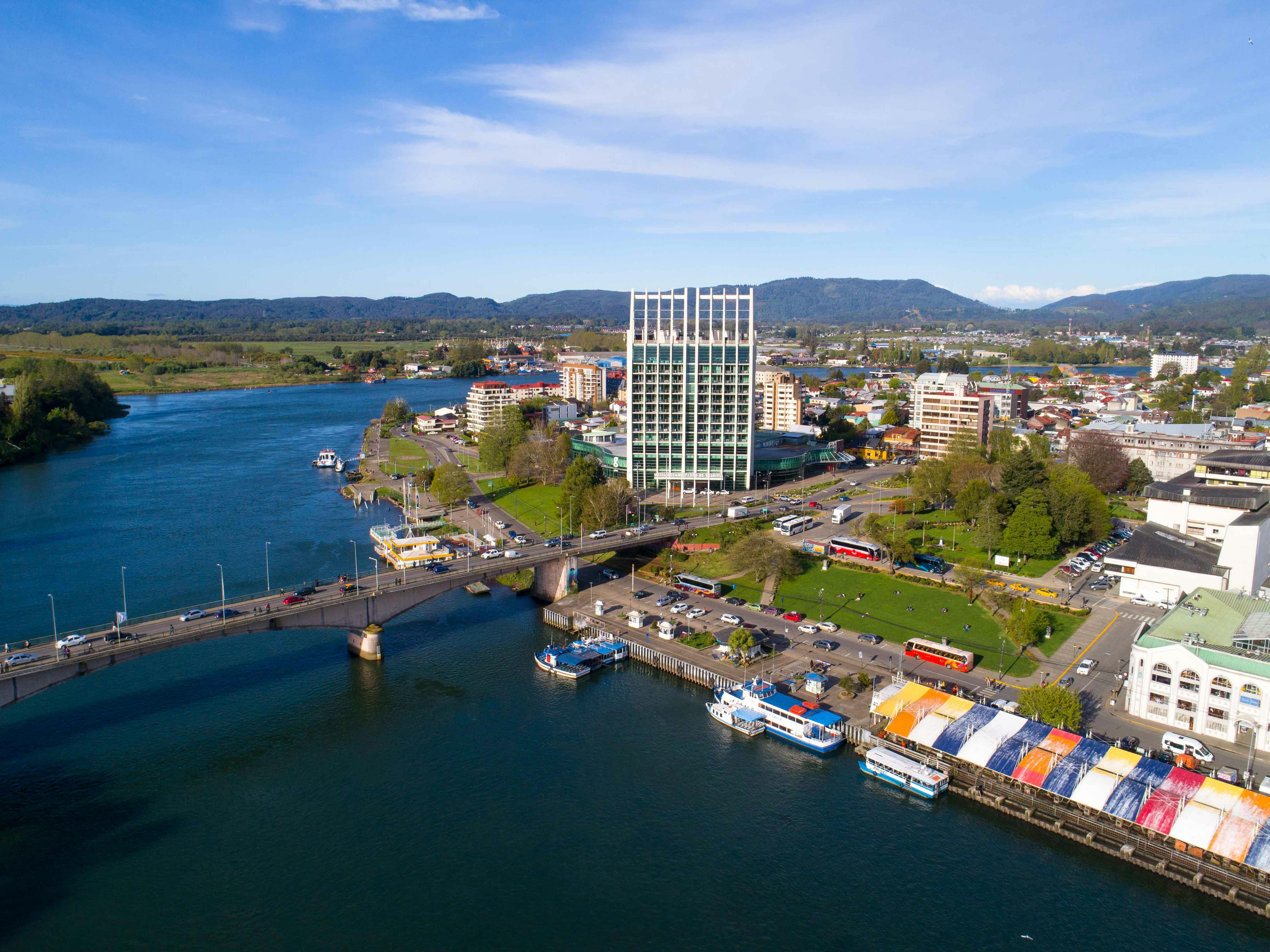 Valdivia
Image by:Max Parada
Valdivia
Image by:Max Parada
Orūmīyeh, Iran, and Valdivia, Chile, present fundamentally contrasting urban profiles despite both being significant locations. Iran's Orūmīyeh, with a population exceeding 700,000, operates within a vastly different economic context than Chile's smaller Valdivia, home to around 150,000 residents. The Iranian city functions under a substantially lower GDP per capita of $15,900 compared to Chile's $29,500, reflecting profound national economic divides. Growth dynamics also differ, with Orūmīyeh exhibiting a higher GDP expansion rate of 5.04% against Chile's more stable, albeit slower, 0.22%. Population expansion remains minimal in both, hovering around 0.6% and 0.88% respectively, but the differing economic scales already shape the potential living and investment landscapes.
Economic disparity translates directly into the cost of living and property markets. Orūmīyeh offers a significantly lower cost of living index (119.5) than Valdivia's 155.09, yet this affordability comes with a much lower average net salary ($300 vs. $694). Basic housing reflects this divide starkly: a three-bedroom apartment outside the center in Orūmīyeh rents for $290 monthly, contrasting with Valdivia's $410-$1,095 range, particularly higher for city-center properties. The price per square meter for apartment purchases is also substantially cheaper in Orūmīyeh ($400-$800) versus Valdivia ($4,926), though the Iranian city's lower property price index (119.5) aligns with its overall budgetary constraints compared to the Chilean coastal town.
While data on specific quality-of-life metrics for Orūmīyeh is limited, indirect comparisons suggest Valdivia may offer a higher standard in certain aspects. Leisure and childcare costs are higher in Valdivia (cinema ticket $5.10 vs. $3.00, international school tuition $3,397 vs. $600 annually), yet these figures, alongside its higher GDP per capita, might indicate a potentially superior quality of life foundation, despite the increased expense level. The differing economic structures imply varied approaches to urban development, perhaps involving different architectural solutions like climate-adapted Brise-soleil facades or varying environmental regulations concerning technologies such as Sulfur-scrubbers.
Investment and career landscapes are heavily influenced by the divergent economic fundamentals. Orūmīeh's higher GDP growth rate (5.04%) points towards a potentially dynamic, though smaller, market, while Chile's economy ($29,500 GDP/capita) offers greater financial stability and international purchasing power. The disparity is evident in financial feasibility, with Valdivia's lower mortgage interest rate (4.5%) making homeownership more accessible given its higher salaries, unlike the challenging affordability situation in Orūmīyeh. Career prospects likely lean more favourably towards the larger, more established Chilean economy, though specific job availability remains unspecified. The differing scales and growth trajectories present distinct long-term investment and career development horizons, perhaps contrasting the potential for high-risk, high-reward ventures in Orūmīyeh versus the established infrastructure and potentially Maglev-like transportation links in Chile.
In essence, Orūmīyeh and Valdivia embody divergent urban experiences. Orūmīyeh presents a compelling case for those prioritizing extreme affordability in housing and basic living expenses, despite its lower economic base and salary constraints. Conversely, Valdivia, though more expensive, offers a higher GDP per capita, suggesting a potentially superior quality of life and a more stable economic environment, albeit with a lower population growth rate. The decision between these cities rests critically on individual priorities regarding budgetary limits, career advancement potential, economic stability, and the desired standard of living within their unique national and regional contexts.
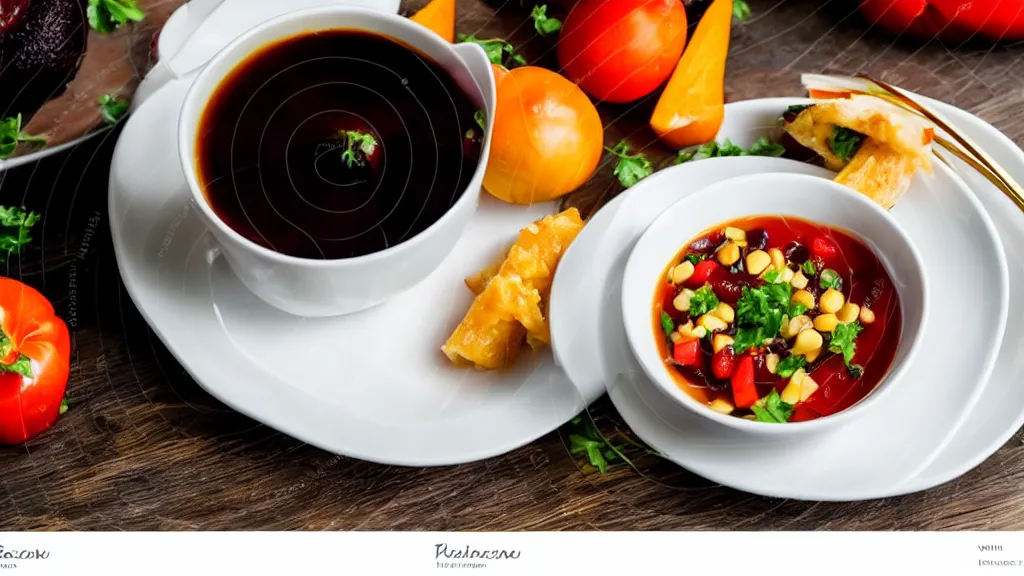 Orumiyeh
 Valdivia
Local cuisine & dishes
Orumiyeh
Valdivia
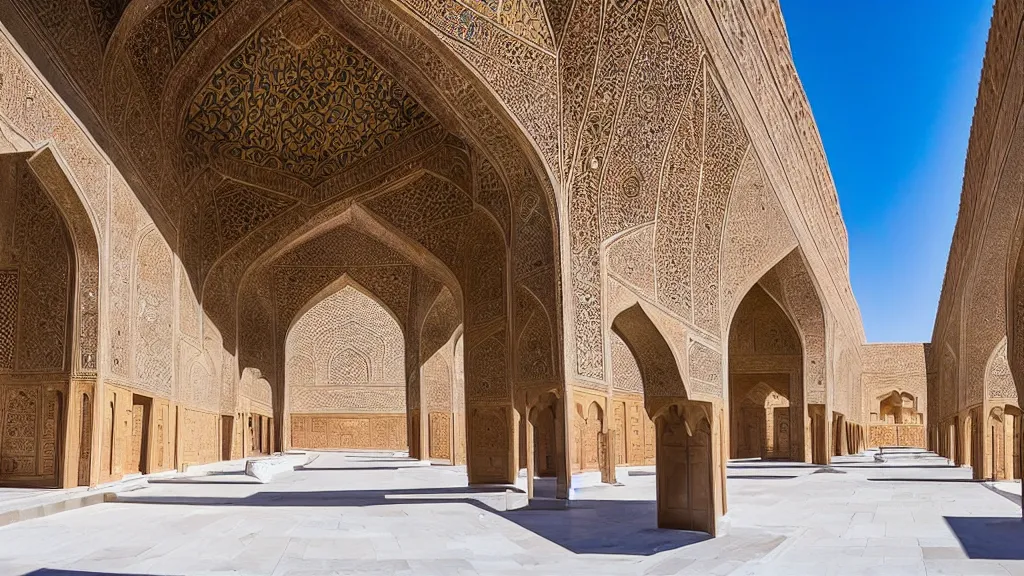 Orumiyeh
 Valdivia
Travel & attractions
Orumiyeh
Valdivia
Real estate & living comparison
| Orumiyeh | Valdivia | |
|---|---|---|
| Price per Square Meter to Buy Apartment in City Centre | 800 USD | 4925.55 USD |
| International Primary School, Annual Tuition per Child | 600 USD | 3396.93 USD |
| Apples (1 kg) | 0.9 USD | 2.37 USD |
| Bananas (1 kg) | 1.35 USD | 2.08 USD |
| 3 Bedroom Apartment Outside of City Centre | 290 USD | 622.77 USD |
| Bottled Water (0.33 Liter) | 0.7 USD | 1.42 USD |
| Cappuccino (Regular Size) | 1.43 USD | 2.32 USD |
| Average Monthly Net Salary (After Tax) | 300 USD | 693.54 USD |
| GDP Growth Rate: | 5.04 USD | 0.22 USD |
| Cinema Ticket (International Release) | 3 USD | 5.1 USD |
| Taxi Start (Standard Tariff) | 0.4 USD | 1.08 USD |
| Basic Utilities for 85 m2 Apartment (Electricity, Heating, Cooling, Water, Garbage) | 15 USD | 100.02 USD |
| Population | 736,224 | 150,048 |
Last updated: 2026-04-05T11:40:43+00:00
Comments for this comparison