
Paramaribo vs. Long Xuyên: Detailed 2026 Cost of Living & Quality Comparison
 Paramaribo
Image by:E-Go Studios
Paramaribo
Image by:E-Go Studios
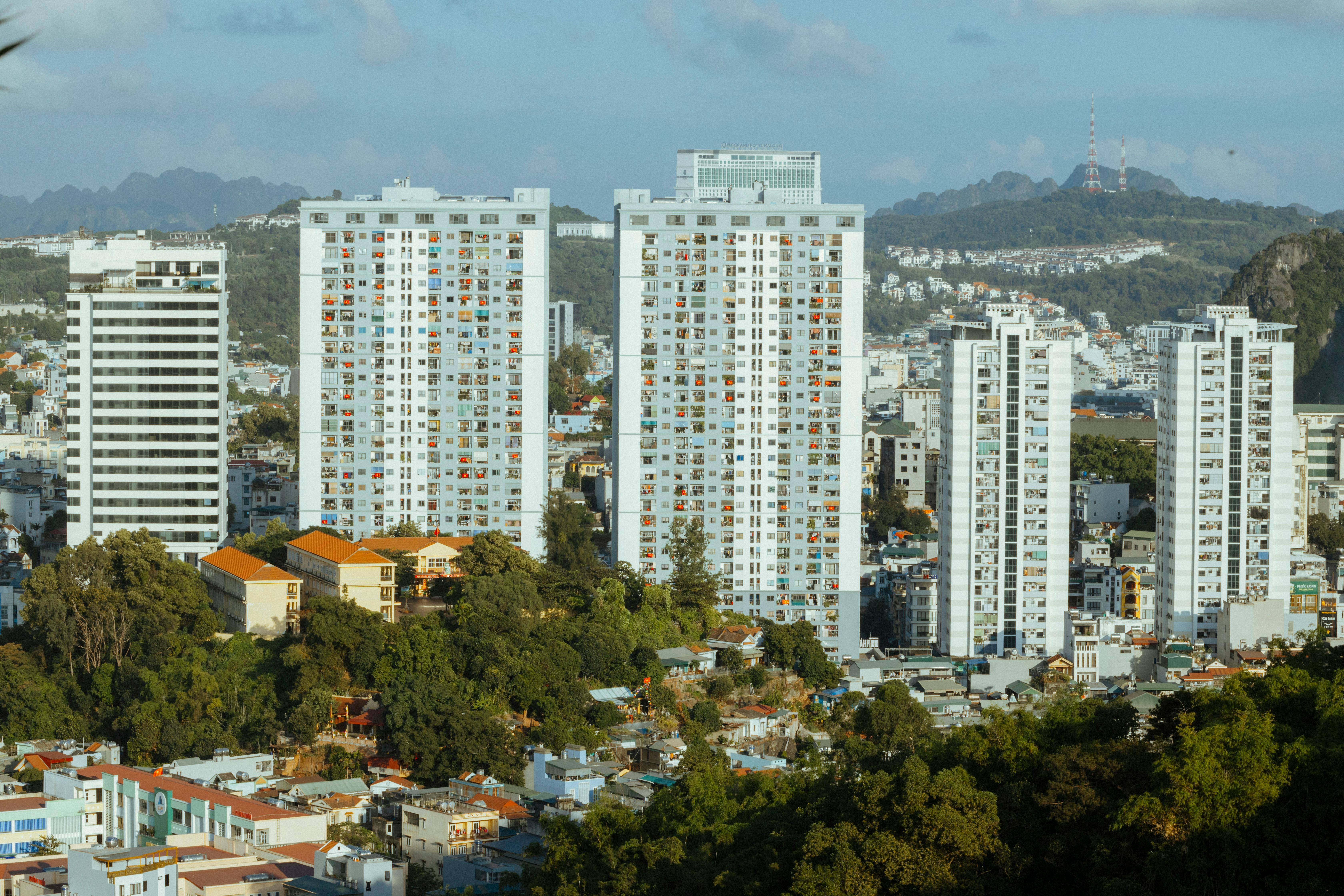 Long Xuyen
Image by:HONG SON
Long Xuyen
Image by:HONG SON
Paramaribo, Suriname's capital, boasts a significantly higher GDP per capita ($19,000 vs. $13,500) and a higher average monthly net salary ($270.66). However, this economic profile comes with a substantial cost of living, particularly evident in housing. A 1-bedroom apartment in Paramaribo's city center averages $487 per square meter, reflecting considerable expense. Long Xuyên, while having a lower GDP per capita and average net salary, presents a much more affordable housing market, with prices and rental costs considerably lower than Paramaribo's, offering a more accessible entry point for residents and investors.
The financial burden of living in Paramaribo is further highlighted by its high mortgage interest rate, at 16% annually, contrasting sharply with the likely lower rates in Long Xuyên. Beyond housing, the overall cost of living index in Paramaribo is relatively low at 43.42, suggesting affordability in certain basic areas, but this masks the high housing costs and the city's general economic profile. Long Xuyên, with its lower cost base, presents a more budget-friendly environment overall, though specific affordability metrics for other goods and services are not detailed here.
Long Xuyên demonstrates superior quality of life metrics in critical areas like safety, healthcare, and environmental pollution, scoring higher in these categories compared to Paramaribo's lower scores. Paramaribo, however, excels in infrastructure-related indices, particularly the cost of living index itself (43.42) and the traffic commute time index (28.88), indicating efficient urban services and potentially lower everyday expenses in these specific domains, despite the high housing costs. This suggests trade-offs: Long Xuyên offers better safety and health, while Paramaribo provides advantages in urban convenience and potentially lower costs for specific infrastructure-related needs.
Long Xuyên shows stronger economic dynamism, with a higher GDP growth rate (5.05%) than Paramaribo's (2.54%), pointing to faster development and potentially more lucrative investment opportunities, especially given its strategic location in Vietnam's Mekong Delta. Career-wise, Paramaribo, as the national capital, likely offers a wider variety of job types across diverse sectors. Long Xuyên, benefiting from its growth, may provide more specialized roles tied to its agricultural and industrial focus. Both cities present distinct professional landscapes, but Long Xuyên's growth trajectory appears more robust for forward-looking investments.
Ultimately, the choice between Paramaribo and Long Xuyên hinges on prioritization. Paramaribo offers established infrastructure, a unique cultural scene, and potentially higher purchasing power (though masked by high costs), but faces challenges in safety, healthcare, and pollution. Long Xuyên provides a lower cost of living, more affordable housing, and demonstrably better quality of life in key areas like safety and health, alongside a faster-growing economy. Those valuing established systems and cultural vibrancy might prefer Paramaribo, while those seeking lower living expenses, better health outcomes, and dynamic growth could find Long Xuyên more appealing.
 Paramaribo
 Long Xuyen
Local cuisine & dishes
Paramaribo
Long Xuyen
 Paramaribo
 Long Xuyen
Travel & attractions
Paramaribo
Long Xuyen
Real estate & living comparison
| Paramaribo | Long Xuyen | |
|---|---|---|
| Milk (Regular, 1 Liter) | 1.77 USD | 1.22 USD |
| GDP Growth Rate: | 2.54 USD | 5.05 USD |
| GDP Per Capita ($) : | 19000 USD | 13500 USD |
| Population | 240,924 | 278,658 |
Last updated: 2026-04-05T12:01:14+00:00
Comments for this comparison