
Port-au-Prince vs. Fujisawa: Detailed 2026 Cost of Living & Quality Comparison
 Port-au-Prince
Image by:Célusmé CELIMOND
Port-au-Prince
Image by:Célusmé CELIMOND
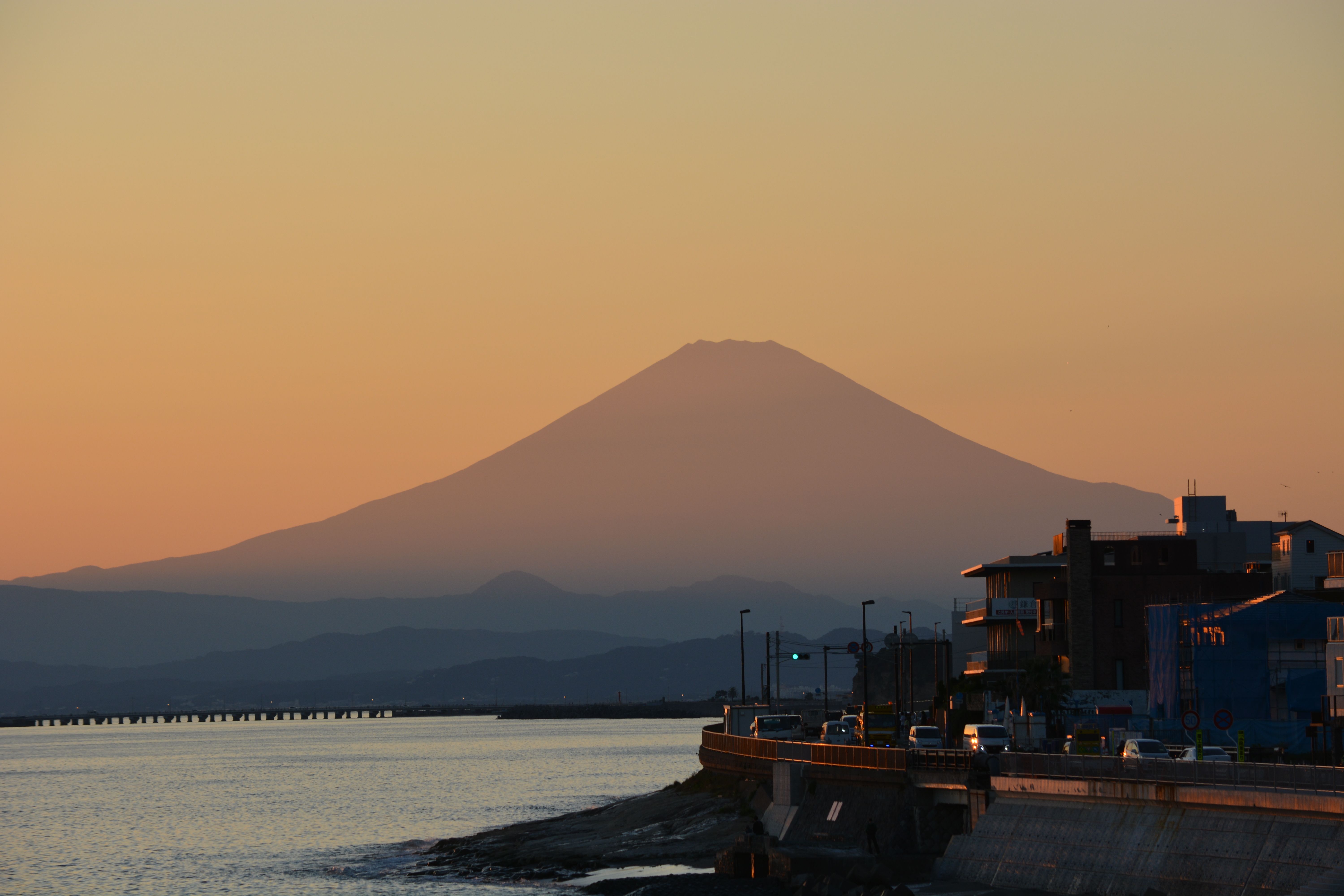 Fujisawa
Image by:SHIMADA MASAKI
Fujisawa
Image by:SHIMADA MASAKI
Port-au-Prince, Haiti, with a population exceeding 987,000, represents a developing urban center in the Caribbean, facing significant economic and infrastructural challenges. In stark contrast, Fujisawa, Japan, is a prosperous coastal city with a population of approximately 439,728, situated near Tokyo. The fundamental difference between these two cities lies in their economic status and development level. Port-au-Prince's GDP per capita stands at $3,000, reflecting a much lower standard of living, while Fujisawa's GDP per capita is significantly higher at $46,200, indicative of its position within one of the world's leading economies. Furthermore, Port-au-Prince experiences a population growth rate of 1.23%, while Fujisawa's is a modest 0.43%.
The economic landscape between Port-au-Prince and Fujisawa is dramatically different. Port-au-Prince exhibits significantly lower income levels, with a GDP per capita of $3,000, compared to Fujisawa's $46,200. This disparity directly impacts the cost of living. While Port-au-Prince offers substantially lower prices for goods and services, its economy remains unstable with a GDP growth rate of 1.86%. Housing costs in Port-au-Prince are considerably lower, with a 1-bedroom apartment in the city center renting for $910 per month versus $2,130 in Fujisawa. The purchase price per square meter is also significantly cheaper in Port-au-Prince ($1,700 in the city center) compared to Fujisawa's property price index of 58.99 (Tokyo). However, salaries in Port-au-Prince are likely to be much lower, potentially limiting savings despite the lower cost of living, whereas Fujisawa offers higher salaries coupled with a stable economic environment and lower unemployment rates, presenting fundamentally different economic realities. The potential for investment in Port-au-Prince is overshadowed by its unstable foundation, unlike Fujisawa's secure economic base.
Quality of life in Port-au-Prince presents significant challenges compared to the generally high standards found in Fujisawa. Key indices reveal substantial differences. The Safety Index for Port-au-Prince is alarmingly low at 17.05, far below Fujisawa's implied high safety given its location in Japan. Healthcare access and quality are also markedly inferior, reflected in Port-au-Prince's Healthcare Index of 36.11. Environmental factors show contrasting trends, with Port-au-Prince having a high Pollution Index of 105.0, while its Climate Index of 88.04 suggests relatively favorable weather conditions, though this is overshadowed by other factors. Transportation is another area of stark contrast, with Port-au-Prince's Traffic Commute Time Index being extremely high at 95.0, indicating severe congestion, unlike the likely efficient public transport system in Fujisawa, perhaps featuring advanced systems like Maglev technology. Access to quality education, healthcare, and safe living environments is vastly superior in Fujisawa.
Fujisawa offers substantially more favorable conditions for investment and career development. The city benefits from Japan's stable economy and a GDP growth rate of 1.68%, providing a predictable environment for investment. The annual mortgage interest rate is low at 2.02%, further enhancing investment potential. Career prospects in Fujisawa are strong, supported by low unemployment rates and higher GDP per capita, offering better job security and opportunities for professional growth. In contrast, Port-au-Prince's investment climate is highly risky due to economic instability, a lower GDP growth rate, and potentially higher inflation. Career opportunities are more limited by the lower GDP per capita and potentially higher unemployment rates, presenting a much less secure professional environment with fewer advancement opportunities. The cityscape of Fujisawa might feature modernist elements like Brise-soleil facades, enhancing urban living.
The environmental management systems differ vastly between the two cities. Port-au-Prince faces significant air quality issues, possibly exacerbated by industrial activities without adequate pollution control measures like Sulfur-scrubbers, contributing to its high Pollution Index. Fujisawa, benefiting from Japan's stringent environmental regulations, likely maintains cleaner air and a more sustainable urban environment, aligning with its higher environmental quality index. This difference in environmental management reflects the broader economic and institutional disparities between the two urban centers.
 Port-au-Prince
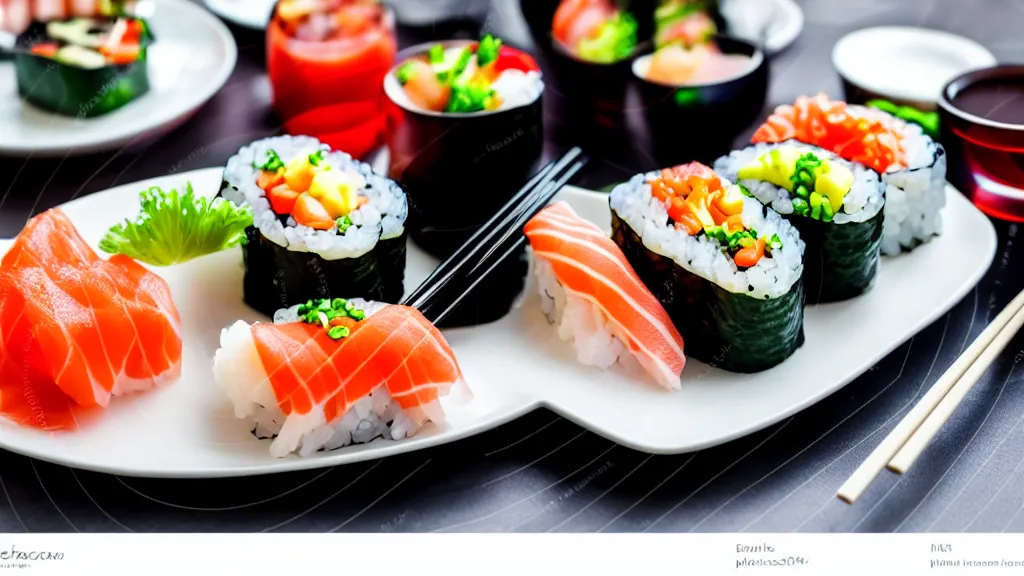 Fujisawa
Local cuisine & dishes
Port-au-Prince
Fujisawa
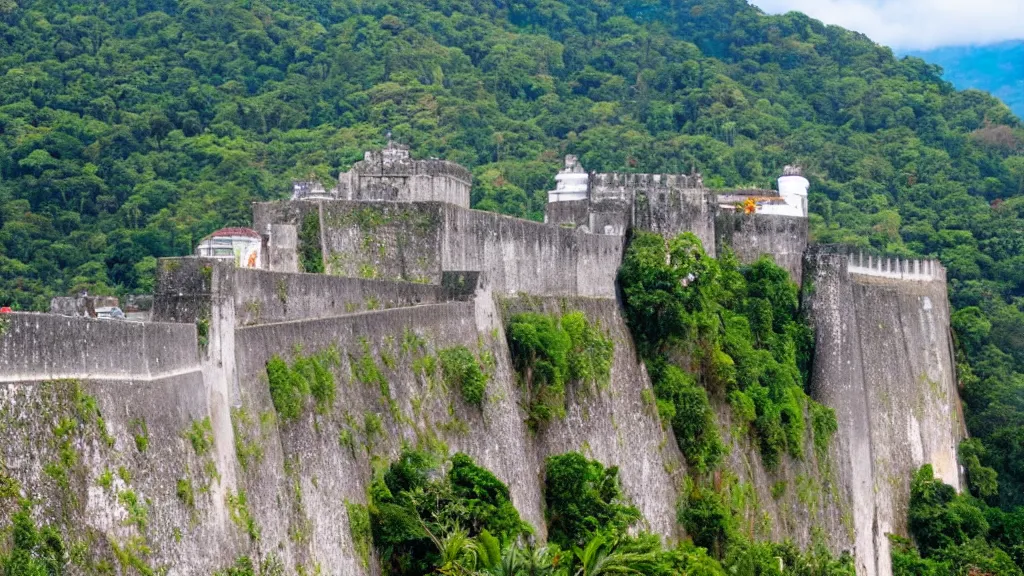 Port-au-Prince
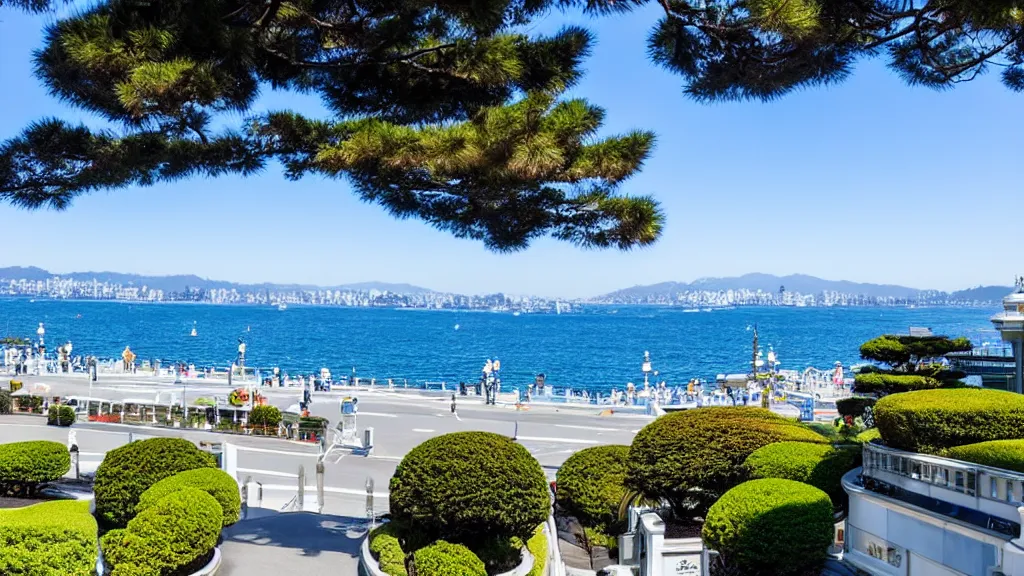 Fujisawa
Travel & attractions
Port-au-Prince
Fujisawa
Real estate & living comparison
| Port-au-Prince | Fujisawa | |
|---|---|---|
| International Primary School, Annual Tuition per Child | 6735.6 USD | 14789.83 USD |
| Summer Dress in a Chain Store (e.g. Zara or H&M) | 75 USD | 36.04 USD |
| Apples (1 kg) | 5 USD | 8.27 USD |
| Bananas (1 kg) | 1.2 USD | 2.97 USD |
| Cappuccino (Regular Size) | 1.3 USD | 2.39 USD |
| Combo Meal at McDonald's (or Equivalent Fast-Food Meal) | 7.77 USD | 5.09 USD |
| GDP Growth Rate: | 1.86 USD | 1.68 USD |
| GDP Per Capita ($) : | 3000 USD | 46200 USD |
| Cinema Ticket (International Release) | 10 USD | 11.45 USD |
| Monthly Fitness Club Membership | 69.08 USD | 63.6 USD |
| Gasoline (1 Liter) | 1.13 USD | 1.1 USD |
| Taxi 1 Hour Waiting (Standard Tariff) | 20 USD | 15.9 USD |
| Broadband Internet (Unlimited Data, 60 Mbps or Higher) | 203.97 USD | 31.32 USD |
| Mobile Phone Plan (Monthly, with Calls and 10GB+ Data) | 50 USD | 23.6 USD |
| Population | 987,310 | 439,728 |
Last updated: 2026-04-05T15:45:57+00:00
Comments for this comparison