
Ramat Gan vs. Lida: Detailed 2026 Cost of Living & Quality Comparison
 Ramat Gan
Image by:Derwin Edwards
Ramat Gan
Image by:Derwin Edwards
 Lida
Image by:Siarhei Nester
Lida
Image by:Siarhei Nester
Ramat Gan, Israel's vibrant, densely populated city with over 159,000 residents situated near Tel Aviv, presents a high-intensity urban environment. Its strong integration into a major economic hub is reflected in its high GDP per capita ($48,400) and average monthly net salary ($4,135), but this comes with significant financial pressure. Lida in Belarus, home to around 104,000 people in the Grodno region, offers a contrasting profile. While specific economic data for Lida is less detailed, the available cost indices suggest a substantially lower overall cost of living compared to Ramat Gan, indicating a fundamentally different economic landscape and price level.
The economic disparity translates directly into the housing market and living expenses. Ramat Gan's premium is stark: central apartment prices reach $10,959 per square meter, a figure that dwarfs the average net salary. This creates a significant housing gap, where the cost of accommodation alone approaches a substantial portion of the monthly income. Lida, conversely, appears far more affordable, with property prices, when assessed relatively, suggesting a much lower cost structure. This translates to a lower cost of living overall, though the specific affordability of goods and services beyond housing requires further data.
Assessing quality of life reveals complex differences, partly due to varying measurement scales. Ramat Gan scores 181.61 on the Quality of Life Index, with relatively strong performance in healthcare (74.72) and safety (77.82). It also benefits from a temperate climate index (93.88). Lida, however, shows higher scores in its own quality metrics, potentially indicating better perceived public services, lower crime, or higher satisfaction in specific aspects, with data points reaching up to 254.61 in Luninyets, though direct comparison is challenging due to differing criteria.
For those prioritizing career and investment opportunities, the trade-offs are clear. Ramat Gan, embedded in Israel's dynamic tech and innovation sector, likely offers diverse, high-growth job prospects, aligning with its GDP growth rate of 2.42%. This high-opportunity environment comes at a steep price. Lida, within the Belarusian economy, presents a much lower cost of living, potentially easing financial strain. However, career prospects are tied to the Belarusian job market, which differs significantly in scope and dynamism from Israel's, demanding careful evaluation of long-term professional goals against the lower cost base.
Ultimately, Ramat Gan and Lida represent divergent paths. Ramat Gan delivers a high standard of living and abundant career avenues, but at a very high financial cost, particularly concerning housing. Lida offers a significantly lower cost of living, providing potential financial relief, but operates within a different national economic framework with potentially different career opportunities and quality-of-life perceptions. The choice hinges entirely on individual priorities: favoring high opportunity and a developed environment, even at high expense, versus prioritizing lower costs and a potentially different quality of life within a distinct economic context.
 Ramat Gan
 Lida
LidaLocal cuisine & dishes
Ramat Gan
Lida
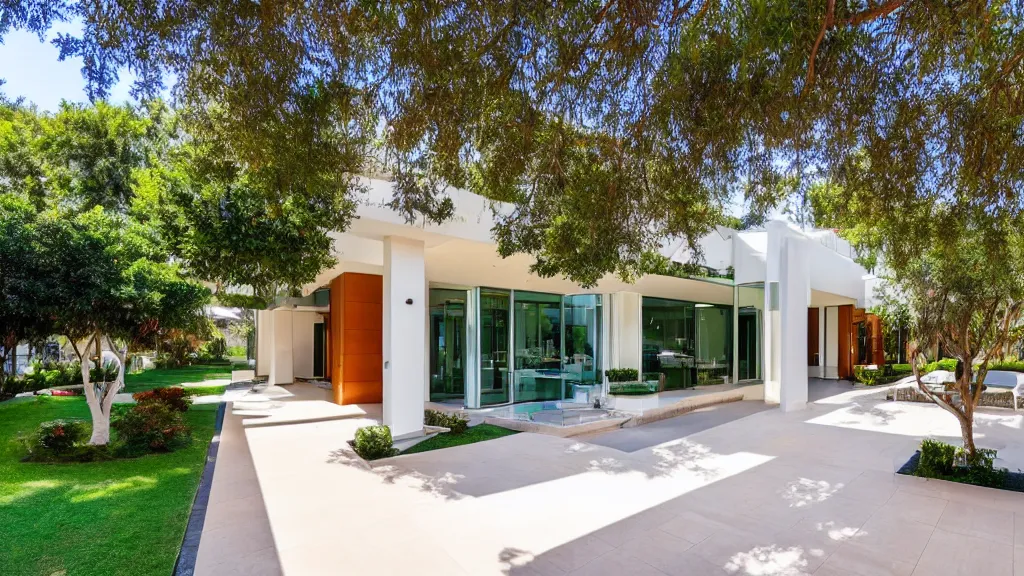 Ramat Gan
 Lida
LidaTravel & attractions
Ramat Gan
Lida
Real estate & living comparison
| Ramat Gan | Lida | |
|---|---|---|
| Population | 159,200 | 103,916 |
Last updated: 2026-04-05T17:42:44+00:00
Comments for this comparison