
San Francisco vs. Quy Nhon: Detailed 2026 Cost of Living & Quality Comparison
 San Francisco
Image by:Zetong Li
San Francisco
Image by:Zetong Li
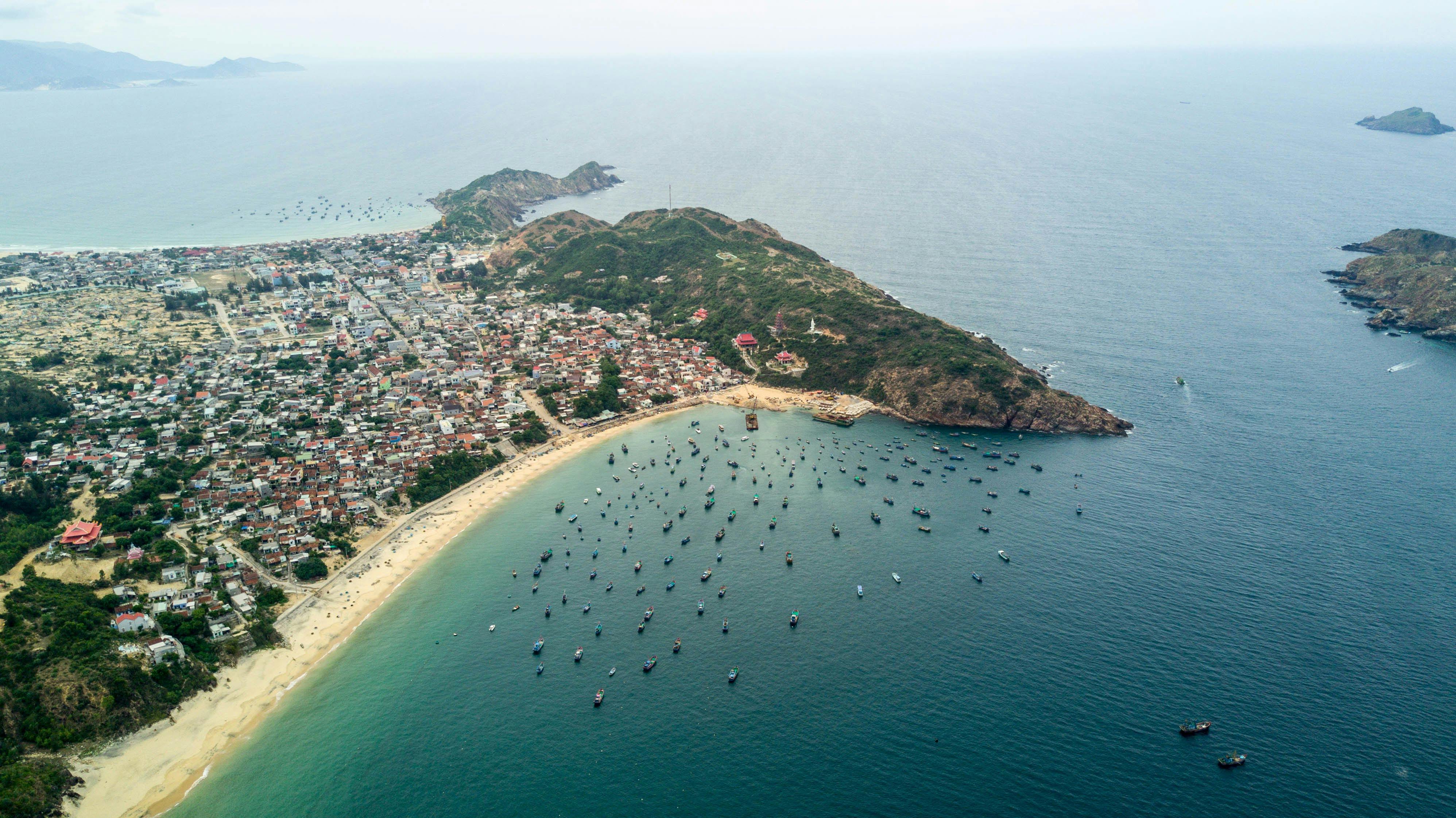 Quy Nhon
Image by:Lam Phn
Quy Nhon
Image by:Lam Phn
San Francisco operates as a global economic powerhouse, reflecting this status through its exorbitant costs and sophisticated infrastructure, contrasting sharply with Quy Nhon, a smaller Vietnamese city undergoing development. The fundamental divergence lies in economic scale and infrastructure maturity, directly impacting the financial burden and lifestyle experiences offered. San Francisco's cost of living, particularly housing, is orders of magnitude higher than Quy Nhon's, while its salaries, though substantial, often fail to fully offset these expenses, creating a significant financial strain for many residents. Quy Nhon presents a vastly more affordable reality, where basic goods, transportation, and property are substantially cheaper, offering a different, less expensive pathway to living and investing.
Economically, San Francisco's strength is undeniable, evidenced by its significantly higher GDP per capita compared to Vietnam's national average, fueled by its influential technology sector. This translates into considerably higher average net salaries, reflecting its position as a high-paying market. However, housing costs in San Francisco are exceptionally burdensome; property prices per square meter, especially in city centers, reach tens of thousands of USD, placing immense pressure on household budgets. The gap is stark: Quy Nhon offers affordability that is orders of magnitude lower than San Francisco for comparable goods and services, including mid-range restaurant meals and car prices. While the annual mortgage interest rate in Quy Nhon is higher (10.67%) than the US average, the overall cost burden is substantially less, presenting a more accessible housing market despite the higher interest rate.
The quality of life indicators reveal a clear disparity, with San Francisco generally scoring higher on international quality of life indices. This is reflected in its world-class healthcare facilities, extensive public services, robust safety nets, and vibrant cultural and environmental scene. Public safety statistics and environmental quality are typically superior in San Francisco compared to the standards found in developing nations like Vietnam. Quy Nhon may offer a cleaner environment and lower crime rates than some parts of San Francisco, but it operates under the constraints of a developing city. Access to healthcare, public services, and environmental quality may not reach the same international standards as those available in San Francisco, although it likely provides a comfortable standard of living for its residents accustomed to Vietnamese conditions.
From an investment and career standpoint, San Francisco offers unparalleled opportunities within a dynamic global economy. Its high GDP growth rate and population growth indicate continued dynamism, attracting skilled workers and significant foreign investment, particularly in technology. Career prospects are vast, albeit highly competitive, with high average salaries, though these are often offset by the high cost of living. Quy Nhon, while lacking the global scale and job variety of San Francisco, represents a city within a developing nation experiencing growth. Investment opportunities exist, driven by Vietnam's expansion, particularly in real estate and infrastructure. Career prospects may be more limited and potentially lower-paying, but the significantly lower cost of living provides greater purchasing power, offering strategic access to Vietnam's growing market.
Ultimately, the choice between San Francisco and Quy Nhon hinges on individual priorities regarding lifestyle, career goals, financial capacity, and tolerance for differences in infrastructure and service levels. San Francisco delivers the dynamism and amenities of a global metropolis, but at a prohibitive cost. Quy Nhon offers a more affordable and developing environment, presenting different investment and career possibilities, but generally lacking the international quality of life, economic dynamism, and global connectivity characteristic of San Francisco. The decision requires weighing the benefits of global opportunity against the advantages of a lower-cost, developing market lifestyle.
 San Francisco
 Quy Nhon
Local cuisine & dishes
San Francisco
Quy Nhon
 San Francisco
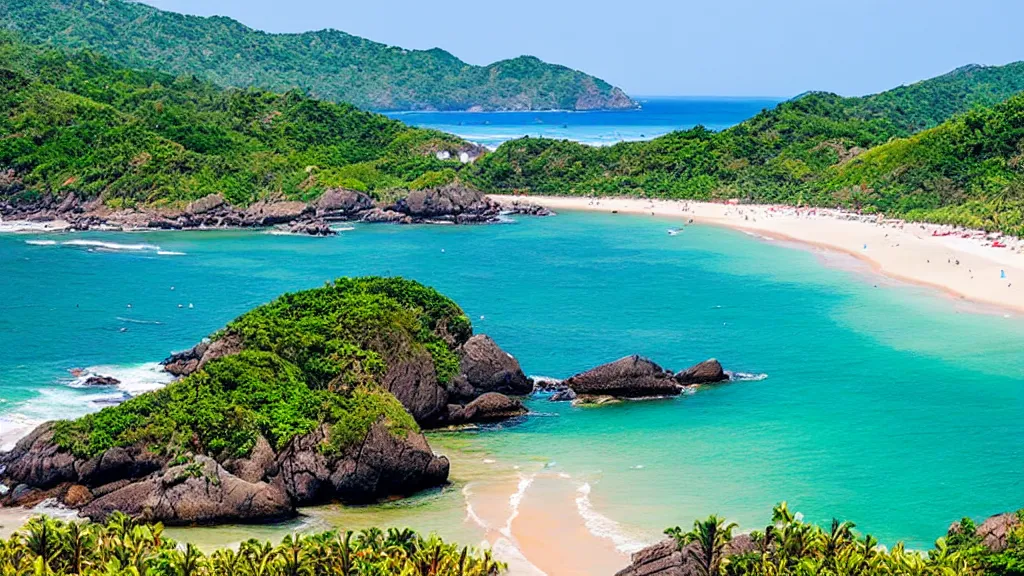 Quy Nhon
Travel & attractions
San Francisco
Quy Nhon
Real estate & living comparison
| San Francisco | Quy Nhon | |
|---|---|---|
| International Primary School, Annual Tuition per Child | 42000 USD | 15000 USD |
| Private Full-Day Preschool or Kindergarten, Monthly Fee per Child | 3018.16 USD | 160.38 USD |
| Jeans (Levi's 501 or Similar) | 74.62 USD | 35.32 USD |
| Men's Leather Business Shoes | 127.76 USD | 76.37 USD |
| Apples (1 kg) | 7.14 USD | 2.54 USD |
| Bananas (1 kg) | 3.04 USD | 1.07 USD |
| Bottled Water (0.33 Liter) | 2.89 USD | 0.32 USD |
| Cappuccino (Regular Size) | 5.66 USD | 1.57 USD |
| Annual Mortgage Interest Rate (20-Year Fixed, in %) | 6.4 USD | 10.67 USD |
| Cinema Ticket (International Release) | 18 USD | 3.05 USD |
| Gasoline (1 Liter) | 1.28 USD | 0.81 USD |
| Taxi 1 Hour Waiting (Standard Tariff) | 39 USD | 19.09 USD |
| Basic Utilities for 85 m2 Apartment (Electricity, Heating, Cooling, Water, Garbage) | 226.19 USD | 76.4 USD |
| Broadband Internet (Unlimited Data, 60 Mbps or Higher) | 68.5 USD | 6.97 USD |
| Population | 3,364,862 | 311,000 |
Last updated: 2026-04-05T15:44:26+00:00
Comments for this comparison