
Shangqiu vs. Madrid: Detailed 2026 Cost of Living & Quality Comparison
 Shangqiu
Image by:Mad Skillz,,
Shangqiu
Image by:Mad Skillz,,
 Madrid
Image by:Fabian Lozano
Madrid
Image by:Fabian Lozano
Shangqiu, a major urban center in China's Henan province with a population exceeding seven million, exemplifies rapid economic transformation within the developing Asian sphere. Madrid, the vibrant European capital with around six million inhabitants, represents the sophisticated model of a Western metropolis, distinguished by its rich cultural heritage, advanced infrastructure, and high living standards. This analysis juxtaposes these two distinct cities, focusing on their economic standing, housing markets, quality of life, career opportunities, and investment potential, offering insights for relocation or investment decisions in vastly different urban contexts.
The economic disparity between Shangqiu and Madrid is stark, reflected in their differing development models. Madrid benefits from Spain's integration into the European economic framework, evidenced by its high GDP per capita ($47,100) and growth rate (2.68%), coupled with a substantial average net salary ($2,536.72/month). Conversely, Shangqiu's economic data, while less detailed, suggests a different trajectory. Infrastructure development in Shangqiu, potentially incorporating modern architectural elements like Brise-soleil facades to manage heat gain in its expanding urban landscape, contrasts with Madrid's established systems. Housing costs highlight the divide; Madrid's high property values, indicated by its 13.43 price-to-income ratio and specific price points (€9,173.67/m² city center), contrast sharply with Shangqiu's lower cost-of-living index (216.23), although precise local data remains limited.
Quality of life indicators reveal significant contrasts, influenced by economic development, infrastructure maturity, and environmental factors. Madrid offers the typical Western European standard with advanced public services, extensive healthcare networks, and sophisticated leisure amenities like public fitness clubs. Environmental quality, however, presents a challenge for Shangqiu, a rapidly industrializing city potentially grappling with higher pollution levels, where investment in technologies like Sulfur-scrubbers might be necessary for sustainable growth, unlike Madrid's generally cleaner environment. Educational costs also differ markedly, with Madrid's specified preschool and primary school fees reflecting its established system, whereas Shangqiu's costs remain unspecified, impacting perceptions of service provision.
Career prospects and salary analysis underscore the divergence between the two urban economies. Madrid's position within the Eurozone provides access to diverse sectors like finance, tourism, and technology, offering higher nominal wages ($2,536.72 net monthly). Shangqiu, operating within China's unique economic structure, likely presents different career pathways, potentially leveraging its strategic location and proximity to China's massive market, despite facing differentials in nominal pay levels compared to Madrid's figures. The GDP growth rate of 2.68% in Madrid contrasts with China's typically higher urban growth rates, although specific Shangqiu figures are unavailable, suggesting differing developmental stages and future trajectories.
Considering investment and lifestyle, Madrid presents opportunities in a mature, stable market, attracting international capital for real estate and cultural assets, supported by its cosmopolitan lifestyle and extensive cultural infrastructure. Shangqiu offers a distinct alternative, reflecting a dynamic but potentially less mature economic landscape. While lacking Madrid's historical ambiance and international flair, Shangqiu's lower costs and potentially faster development could yield higher investment returns or appeal to those favouring a different cultural environment. Madrid's specific data for certain suburbs provides granular insights, but Shangqiu lacks direct equivalents. The choice between these cities depends fundamentally on individual priorities regarding economic stability, lifestyle preferences, career goals, and tolerance for different cultural and economic systems, with Madrid's advanced infrastructure potentially including future developments like Maglev transport enhancing its appeal.
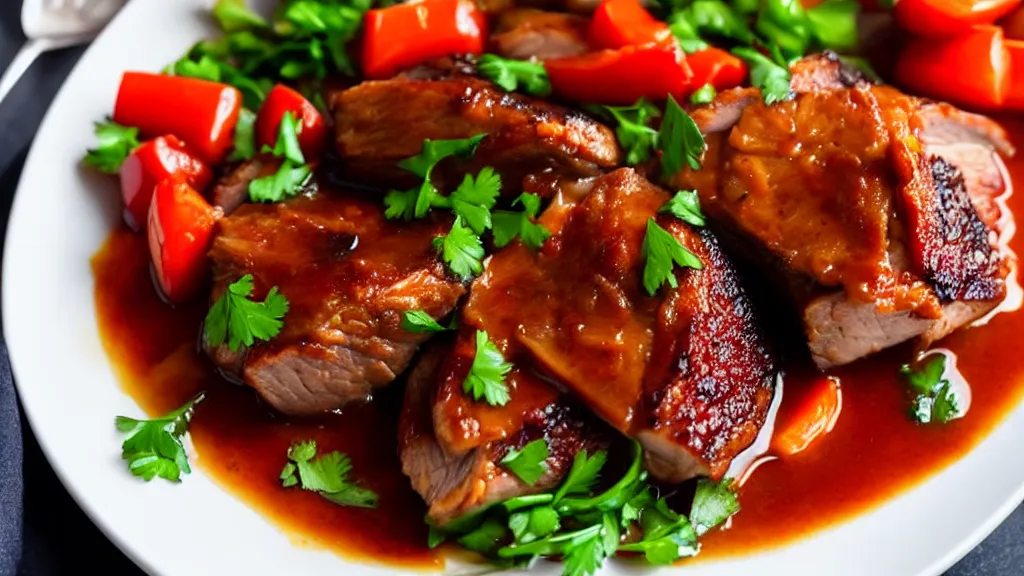 Shangqiu
 Madrid
Local cuisine & dishes
Shangqiu
Madrid
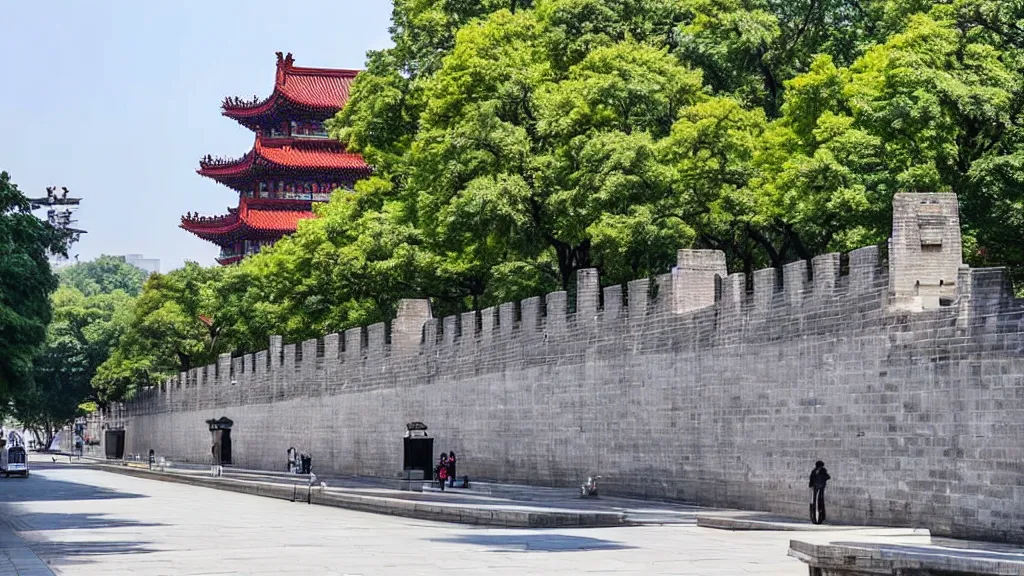 Shangqiu
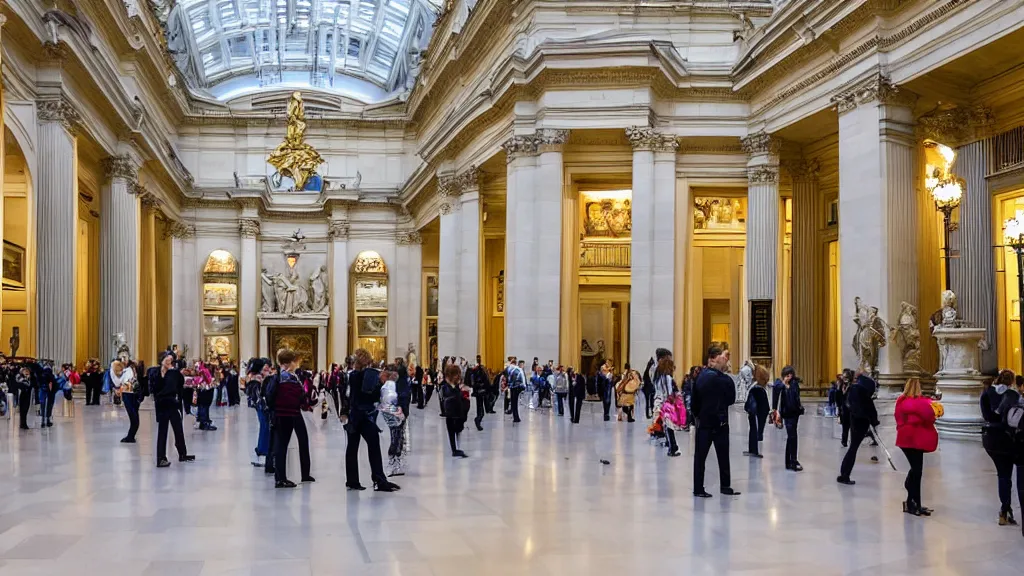 Madrid
Travel & attractions
Shangqiu
Madrid
Real estate & living comparison
| Shangqiu | Madrid | |
|---|---|---|
| International Primary School, Annual Tuition per Child | 16830.13 USD | 17874.96 USD |
| Private Full-Day Preschool or Kindergarten, Monthly Fee per Child | 217.63 USD | 715.94 USD |
| Jeans (Levi's 501 or Similar) | 30.83 USD | 102.9 USD |
| Men's Leather Business Shoes | 72.54 USD | 117.47 USD |
| Apples (1 kg) | 1.98 USD | 2.84 USD |
| Bananas (1 kg) | 1.02 USD | 2.57 USD |
| Bottled Water (0.33 Liter) | 0.2 USD | 2.05 USD |
| Cappuccino (Regular Size) | 2.07 USD | 2.92 USD |
| Annual Mortgage Interest Rate (20-Year Fixed, in %) | 3.18 USD | 3.15 USD |
| Cinema Ticket (International Release) | 5.8 USD | 11.67 USD |
| Gasoline (1 Liter) | 1.11 USD | 1.84 USD |
| Taxi 1 Hour Waiting (Standard Tariff) | 4.35 USD | 30.92 USD |
| Basic Utilities for 85 m2 Apartment (Electricity, Heating, Cooling, Water, Garbage) | 61.94 USD | 204.43 USD |
| Broadband Internet (Unlimited Data, 60 Mbps or Higher) | 5.01 USD | 34.58 USD |
| Population | 7,325,300 | 6,211,000 |
Last updated: 2026-04-05T11:39:48+00:00
Comments for this comparison