
Skopje vs. Cox's Bazar: Detailed 2026 Cost of Living & Quality Comparison
 Skopje
Image by:Necip Duman
Skopje
Image by:Necip Duman
 Cox's Bazar
Image by:STORYTELLER RONY
Cox's Bazar
Image by:STORYTELLER RONY
Skopje presents a significantly more expensive economic landscape compared to Cox's Bazar in 2026. The capital city's higher GDP per capita ($15,000) reflects its economic centrality, yet this comes with a substantial price premium for essentials. Basic food items, while sometimes cheaper in absolute terms for staples, signal an overall higher cost structure. Transportation costs favor Cox's Bazar, where a taxi start fare is substantially lower ($0.29) than in Skopje ($0.85). Utilities for a standard apartment also show a clear advantage for the coastal city, with costs ($12.24) considerably lower than Skopje's ($76.00). The most pronounced disparity, however, lies in housing. Property prices in Skopje are substantially higher ($1,000-$2,000 per sqm) than in Cox's Bazar ($263-$351 per sqm), despite the former having a much higher average net salary ($850 vs. $286). This combination of higher income and exorbitant housing costs makes living in Skopje financially burdensome for many, whereas Cox's Bazar offers a more affordable physical space.
The stark difference in housing affordability between Skopje and Cox's Bazar is undeniable when scrutinizing the numbers. Cox's Bazar's property prices are significantly more accessible, ranging from $263 to $351 per square meter, a fraction of Skopje's $1,000 to $2,000 per sqm. While the average salary in Skopje is three times higher ($850) than in Cox's Bazar ($286), the sheer cost of securing even a modest dwelling in the Macedonian capital dwarfs the local salary. This creates a substantial housing gap, where the price-to-income ratio in Skopje is considerably less favorable than in Cox's Bazar, making homeownership or renting a more significant challenge for residents in the capital city compared to the Bangladeshi coastal destination.
Assessing quality of life directly from the available data is challenging, but contextual clues suggest distinct differences, primarily revolving around infrastructure and services. Skopje, benefiting from its status as the national capital, likely possesses more developed public infrastructure, including healthcare facilities and educational institutions, although specific quality metrics are not provided. Cox's Bazar, while potentially offering a relaxed coastal atmosphere, may lag behind Skopje in the quality and accessibility of these fundamental public services. The lack of direct quality-of-life indices for Cox's Bazar makes definitive comparisons difficult, but the data implies that Skopje's higher cost of living might correlate with better public service access, while Cox's Bazar's lower costs could mean less robust offerings in healthcare and safety.
Beyond the immediate costs, the financial profiles and growth prospects of the two cities diverge. Skopje offers a lower mortgage interest rate (6.00%) than Cox's Bazar (11.88%), potentially easing access to credit for major purchases. However, Cox's Bazar demonstrates significantly higher potential for future growth, with a GDP growth rate of 5.78% compared to Skopje's 0.10%. This suggests a faster-evolving economic environment in Bangladesh. The lower cost of living in Cox's Bazar, coupled with potentially lower property prices relative to income levels in the region, could make it an attractive market for investment, particularly in real estate, offering opportunities for capital appreciation that might be less pronounced in the more stable but slower-growing Skopje.
Ultimately, the choice between Skopje and Cox's Bazar hinges on individual priorities and tolerance for trade-offs. Skopje provides a higher standard of living backed by national resources, implying likely superior access to healthcare and education, but demands significantly more money for basic living expenses, especially housing. Cox's Bazar offers a much lower cost of living, presenting a more affordable option, but may involve compromises in the quality or availability of public services like healthcare and potentially fewer career advancement opportunities compared to the capital. The faster growth rate in Cox's Bazar could appeal to those seeking dynamic investment potential, while Skopje's lower mortgage rates might be preferable for those prioritizing stable financing and established public infrastructure.
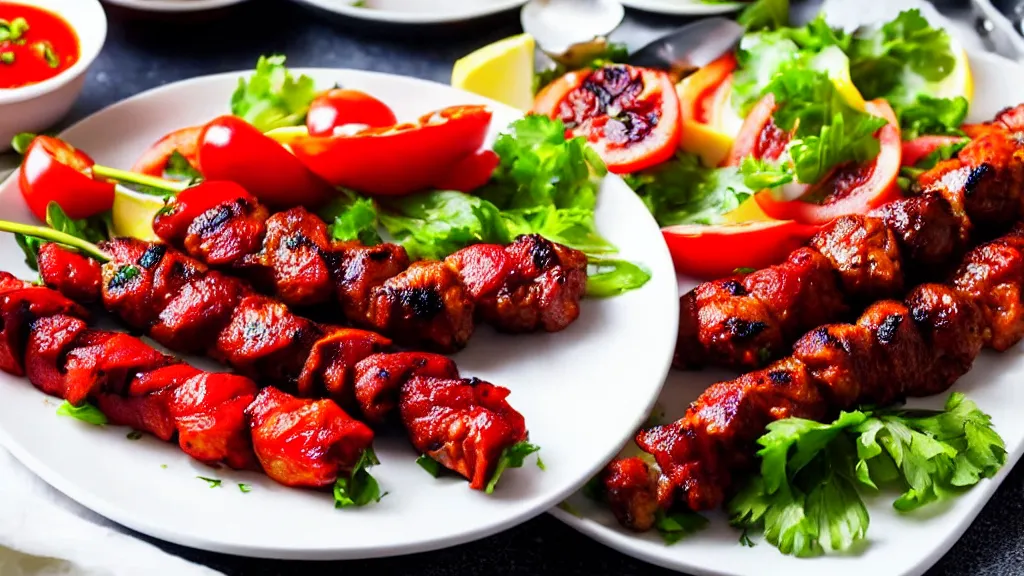 Skopje
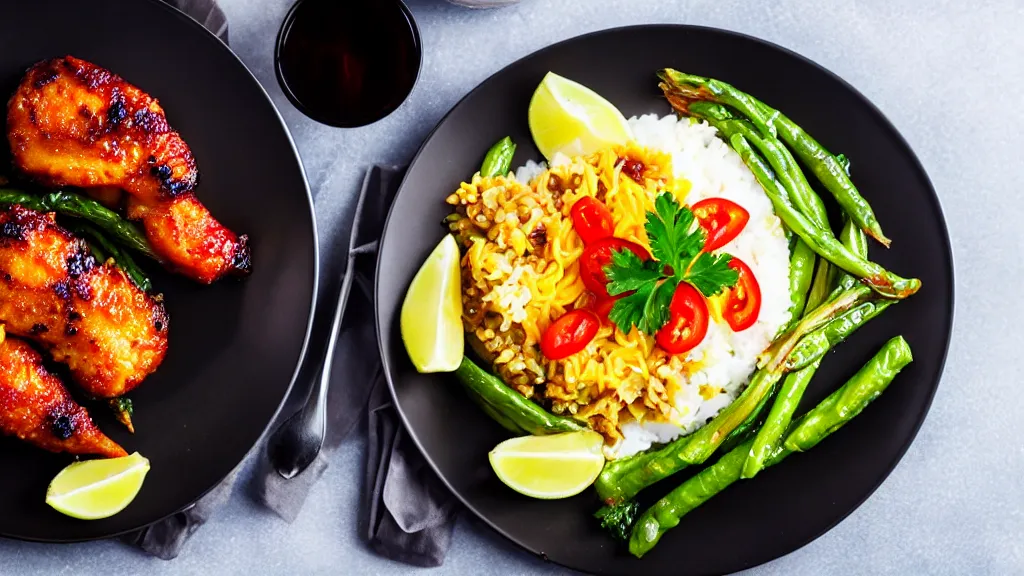 Cox's Bazar
Local cuisine & dishes
Skopje
Cox's Bazar
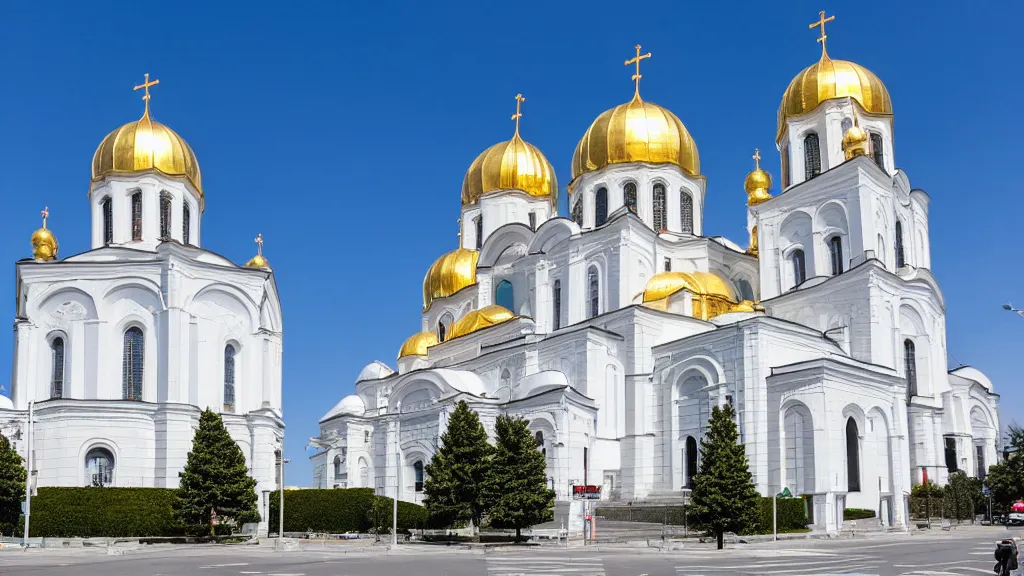 Skopje
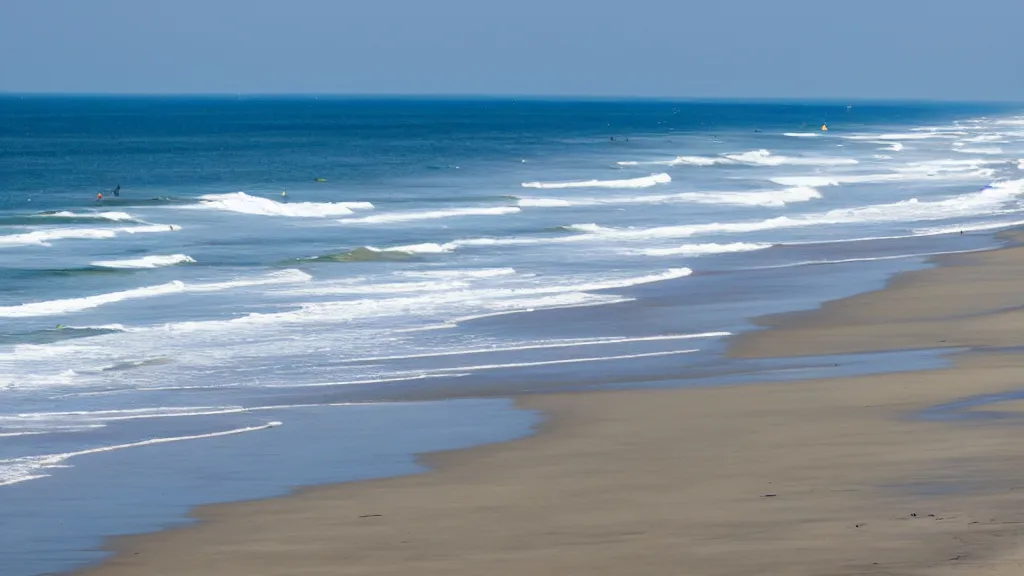 Cox's Bazar
Travel & attractions
Skopje
Cox's Bazar
Real estate & living comparison
| Skopje | Cox's Bazar | |
|---|---|---|
| Price per Square Meter to Buy Apartment in City Centre | 2794.22 USD | 351.22 USD |
| Price per Square Meter to Buy Apartment Outside of Centre | 1822.31 USD | 263.41 USD |
| International Primary School, Annual Tuition per Child | 5216.35 USD | 1161.05 USD |
| Private Full-Day Preschool or Kindergarten, Monthly Fee per Child | 342.51 USD | 24.47 USD |
| Jeans (Levi's 501 or Similar) | 84.61 USD | 24.47 USD |
| Men's Leather Business Shoes | 120.89 USD | 34.14 USD |
| Apples (1 kg) | 1.17 USD | 2.23 USD |
| Bananas (1 kg) | 1.44 USD | 0.91 USD |
| 1 Bedroom Apartment in City Centre | 432.7 USD | 163.14 USD |
| 1 Bedroom Apartment Outside of City Centre | 321.47 USD | 97.89 USD |
| Bottled Water (0.33 Liter) | 1.29 USD | 0.11 USD |
| Cappuccino (Regular Size) | 2.25 USD | 1.78 USD |
| Annual Mortgage Interest Rate (20-Year Fixed, in %) | 4.46 USD | 11.88 USD |
| Average Monthly Net Salary (After Tax) | 869.75 USD | 285.5 USD |
| Cinema Ticket (International Release) | 6.64 USD | 2.37 USD |
| Monthly Fitness Club Membership | 38.71 USD | 16.31 USD |
| Gasoline (1 Liter) | 1.47 USD | 1.02 USD |
| Taxi 1 Hour Waiting (Standard Tariff) | 8.67 USD | 4.08 USD |
| Basic Utilities for 85 m2 Apartment (Electricity, Heating, Cooling, Water, Garbage) | 165.45 USD | 12.24 USD |
| Broadband Internet (Unlimited Data, 60 Mbps or Higher) | 18.5 USD | 11.37 USD |
| Population | 422,540 | 223,522 |
Last updated: 2026-04-05T15:35:16+00:00
Comments for this comparison