
Tokyo vs. Ghazni: Detailed 2026 Cost of Living & Quality Comparison
 Tokyo
Image by:Kuma Jio
Tokyo
Image by:Kuma Jio
 Ghazni
Image by:Suliman Sallehi
Ghazni
Image by:Suliman Sallehi
Tokyo and Ghazni stand as polar opposites, reflecting fundamental differences in economic development and quality of life. Tokyo, a global powerhouse with a population exceeding 37 million, operates on a foundation of immense wealth and advanced infrastructure. Ghazni, in contrast, is a much smaller Afghan city, home to around 143,000 people, operating within the constraints of a developing economy. This inherent disparity immediately shapes the comparison, with Tokyo representing a high-cost, high-opportunity environment and Ghazni offering a significantly different, and often riskier, reality for residents and investors alike.
The economic gap between these two cities is starkly reflected in their cost of living. Tokyo's advanced economy translates into much higher salaries, but this comes with correspondingly exorbitant expenses for everyday goods and services. Basic groceries, transportation, and especially housing are vastly more expensive in the Japanese capital. Even simple items like bread cost significantly more in Tokyo than in Ghazni. Rent for a modest apartment is hundreds of dollars more each month, and property prices in Tokyo are orders of magnitude higher than anywhere in Ghazni, driven by the city's immense economic value and severe land scarcity. Ghazni offers substantially more affordable living costs, potentially accessible to lower-income individuals, though the economic opportunities and stability are markedly different.
The housing situation underscores the economic divide. While Ghazni provides relatively accessible and affordable housing options, Tokyo faces a severe shortage of available, reasonably priced dwellings. The disparity in property prices and rental costs is immense, driven by Tokyo's status as a global financial and economic hub. This makes securing adequate housing on a budget a major challenge for many in Tokyo, further contributing to the high cost of living. Ghazni, conversely, presents more attainable housing options, albeit within an economy offering fewer financial rewards overall.
Quality of life metrics paint a similarly contrasting picture. Tokyo generally scores very favorably across dimensions like safety, healthcare, environmental quality, and public services, benefiting from its world-class infrastructure and systems. Ghazni's quality of life indicators are considerably lower, reflecting significant challenges in these essential areas. Comparing the provided metrics, Tokyo's indicators consistently point towards a secure, well-served, and high-standard urban environment. Ghazni's metrics, despite the lower base, still appear substantially lower, suggesting a much less favorable living environment with potentially greater risks related to safety, healthcare access, and the reliability of essential services.
Investment and career prospects differ dramatically between these two cities. Tokyo offers access to a massive, highly developed market with diverse, high-paying career opportunities across technology, finance, manufacturing, and services. While competition can be intense, career growth and stability are generally robust. Investing in property or launching a business in Tokyo taps into this established, powerful economy. Ghazni, situated in Afghanistan, presents a very different landscape. The Afghan economy offers fewer high-paying jobs, often with lower salaries and less job security, and investment carries higher perceived risks due to economic instability, political uncertainty, and infrastructure limitations. The lower costs in Ghazni might be offset by currency volatility or inflation, but the overall career trajectory and investment security are likely less favorable than the established opportunities in Tokyo.
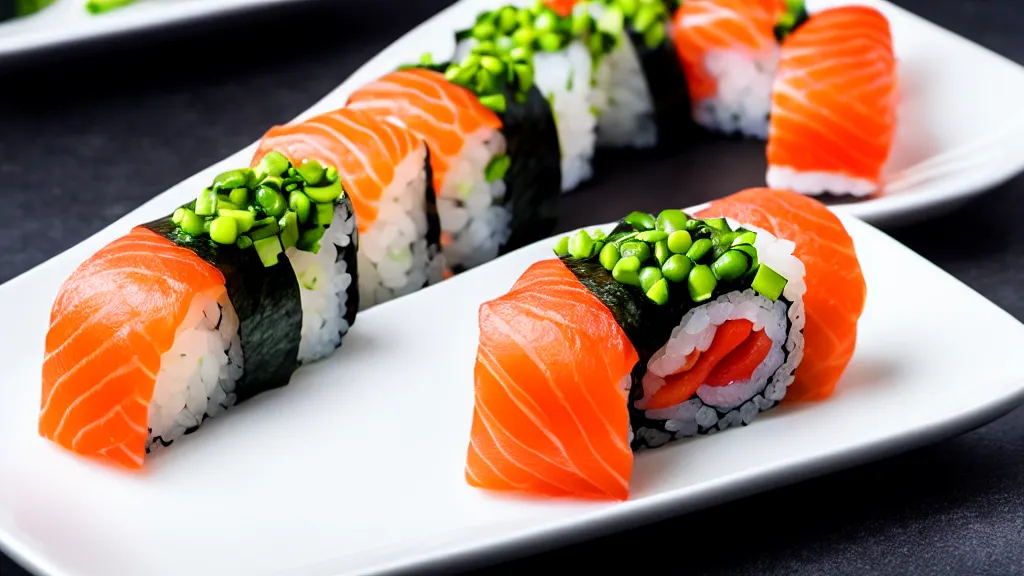 Tokyo
Tokyo Ghazni
Local cuisine & dishes
Tokyo
Ghazni
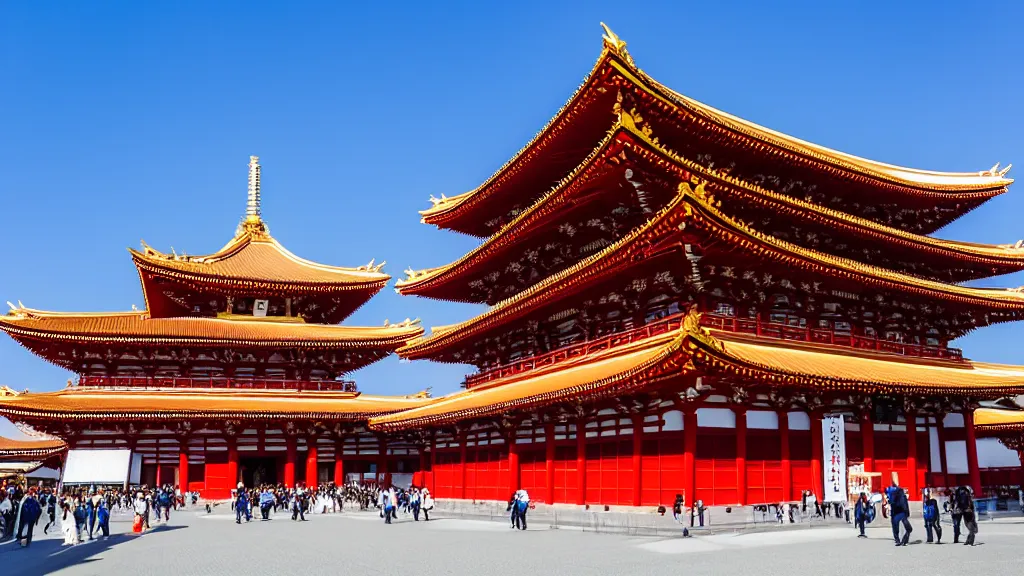 Tokyo
Tokyo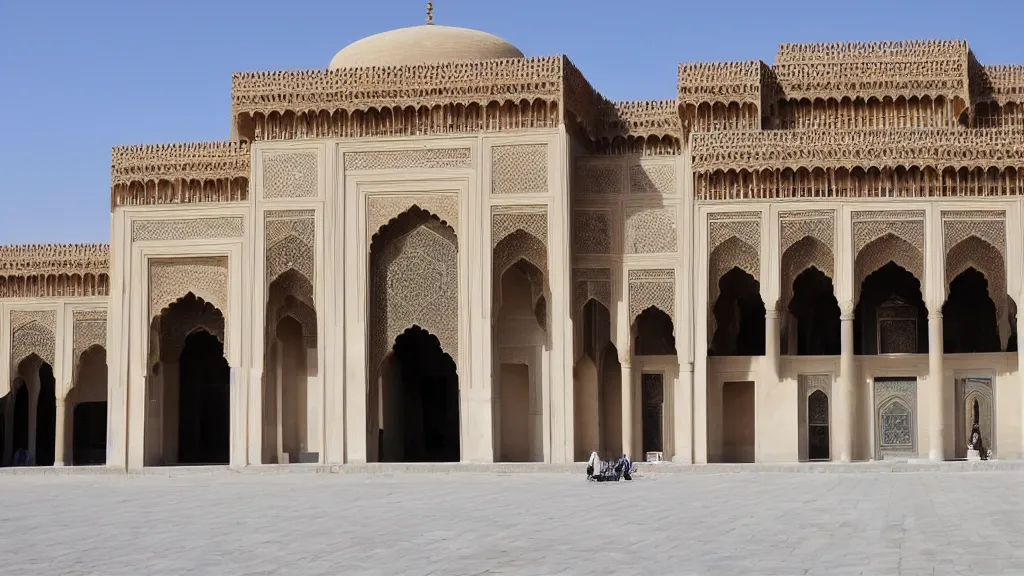 Ghazni
Travel & attractions
Tokyo
Ghazni
Real estate & living comparison
| Tokyo | Ghazni | |
|---|---|---|
| International Primary School, Annual Tuition per Child | 16525.57 USD | 1587.3 USD |
| Private Full-Day Preschool or Kindergarten, Monthly Fee per Child | 1109.52 USD | 20.9 USD |
| Jeans (Levi's 501 or Similar) | 50.48 USD | 10.32 USD |
| Men's Leather Business Shoes | 81.46 USD | 24.4 USD |
| Apples (1 kg) | 5.11 USD | 0.57 USD |
| Bananas (1 kg) | 2.44 USD | 0.85 USD |
| Bottled Water (0.33 Liter) | 0.79 USD | 0.16 USD |
| Cappuccino (Regular Size) | 3.3 USD | 1.06 USD |
| Cinema Ticket (International Release) | 12.72 USD | 2.38 USD |
| Gasoline (1 Liter) | 1.12 USD | 1.06 USD |
| Taxi 1 Hour Waiting (Standard Tariff) | 18.7 USD | 2.78 USD |
| Basic Utilities for 85 m2 Apartment (Electricity, Heating, Cooling, Water, Garbage) | 157.7 USD | 53.71 USD |
| Broadband Internet (Unlimited Data, 60 Mbps or Higher) | 29.85 USD | 113.1 USD |
| Population | 37,785,000 | 143,379 |
Last updated: 2026-04-05T15:33:36+00:00
Comments for this comparison