
Tunis vs. Oruro: Detailed 2026 Cost of Living & Quality Comparison
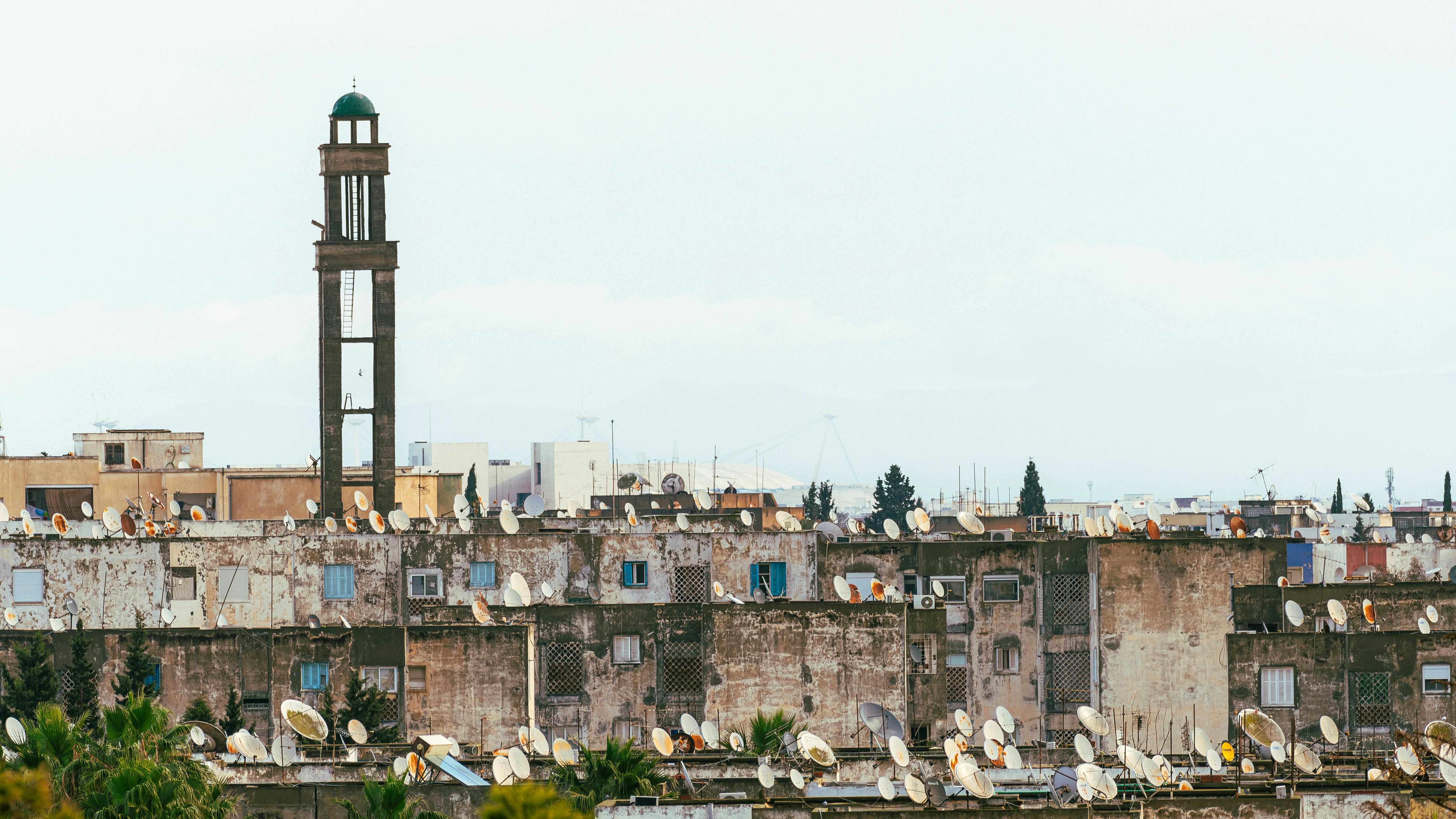 Tunis
Image by:Mahmoud Yahyaoui
Tunis
Image by:Mahmoud Yahyaoui
 Oruro
Image by:Janeth Charris
Oruro
Image by:Janeth Charris
Tunis operates in a fundamentally different economic sphere than Oruro. The Tunisian metropolis boasts a significantly higher average monthly net salary compared to its Bolivian counterpart, reflecting Tunisia's higher national income levels and more established urban infrastructure. This economic disparity is mirrored in housing costs, where property prices for both renting and buying apartments in Tunis are considerably higher than those in Oruro. While Oruro's absolute costs are lower, the data suggests its housing market might be more affordable relative to its lower income levels, presenting a potentially more accessible entry point for residents, albeit within a less robust national economy. The economic stability and diversity of opportunity in Tunisia appear superior to the challenges likely faced in Oruro.
The quality of life metrics starkly contrast between the two cities. Tunis generally demonstrates superior performance in healthcare access, safety, and climate indices compared to Oruro. This advantage extends to purchasing power, indicating that the higher cost of living in Tunis is offset, allowing for a better standard of consumption than in many global cities. Conversely, Oruro presents a much less favorable picture, particularly concerning safety and healthcare access, with scores significantly worse than those in Tunis. While Tunis faces environmental concerns indicated by a higher pollution index, Oruro's climate index is lower, suggesting a potentially more favorable perception of its environment, a factor that cannot fully compensate for the deficiencies in safety and healthcare.
For investment and career prospects, Tunisia presents a more compelling case. The higher salaries in Tunis translate directly into better purchasing power parity, meaning residents can afford more goods and services for their income. Supported by a higher GDP per capita and lower mortgage interest rates, Tunisia offers a potentially more stable investment climate and greater job security. Oruro, while offering lower costs for living and potentially lower investment thresholds, faces significant headwinds. Its lower economic growth rate and the data indicating a higher cost of living relative to its economic output suggest fewer investment opportunities and less job security than available in the more developed Tunisian context.
The overall verdict favors Tunisia for most priorities. Despite a significantly higher cost of living, particularly for housing and transportation, the data confirms that the higher income levels in Tunis are sufficient to support a reasonable standard of living, adjusted for local purchasing power. Oruro, while potentially more affordable in absolute terms for some basic goods, presents substantial trade-offs. Its significant shortcomings in safety, healthcare, and economic stability make it a less attractive option for those prioritizing these critical aspects of quality of life. The choice between the two cities hinges on whether the higher cost of living in Tunis is outweighed by the demonstrable advantages in economic security, healthcare, safety, and overall quality of life compared to Oruro.
 Tunis
Tunis Oruro
OruroLocal cuisine & dishes
Tunis
Oruro
 Tunis
Tunis Oruro
OruroTravel & attractions
Tunis
Oruro
Real estate & living comparison
| Tunis | Oruro | |
|---|---|---|
| Bottled Water (0.33 Liter) | 0.35 USD | 0.72 USD |
| Cappuccino (Regular Size) | 1.02 USD | 2.16 USD |
| GDP Growth Rate: | 0.04 USD | 3.08 USD |
| GDP Per Capita ($) : | 12600 USD | 9800 USD |
| Population | 599,368 | 246,501 |
Last updated: 2026-04-05T11:46:36+00:00
Comments for this comparison