
Tyumen vs. Bitung: Detailed 2026 Cost of Living & Quality Comparison
 Tyumen
Image by:Marina Pechnikova
Tyumen
Image by:Marina Pechnikova
 Bitung
Image by:el jusuf
Bitung
Image by:el jusuf
Tyumen dwarfs Bitung in scale, with a population over half a million versus around 218,500. This fundamental difference immediately shapes their profiles. Tyumen operates within Russia's developed economy, boasting a higher GDP per capita and purchasing power. In contrast, Bitung reflects Indonesia's economic landscape, suggesting a lower overall cost base, though within a vastly different national context. This economic disparity underpins the subsequent analysis of living expenses, housing, and quality of life.
The economic gap translates directly into the cost of living and housing. Tyumen's standard of living is significantly higher, evidenced by its much larger average monthly net salary compared to implied Bitung incomes. Housing costs in Tyumen are correspondingly steep, with high prices for both renting and buying, especially downtown. While Bitung's data is less detailed, figures suggest substantially lower property prices and likely cheaper rents than found in Tyumen. The disparity is stark, particularly concerning housing affordability, where the property price-to-income ratio in Tyumen reached a concerning 12.25 in 2026.
Quality of life indicators paint a clear picture favoring Tyumen, despite its higher costs. It scores considerably higher on safety (54.02) and healthcare access (57.31) compared to the limited available data for Bitung. This suggests Tyumen offers greater personal security and more robust medical services. Conversely, Bitung's Climate Index (22.44) points towards a tropical environment, a stark difference from Tyumen's climate. While the Cost of Living Index is likely lower in Bitung, reflecting cheaper food and drink, the trade-off involves potentially less developed safety and healthcare infrastructure.
From a career and investment standpoint, the cities diverge further. Tyumen offers established job markets with higher salaries and a 3.6% GDP growth rate, albeit with slower population growth. Its lower mortgage interest rates (22.5%) could theoretically ease property financing, but the absolute prices remain prohibitive. Bitung, meanwhile, shows potentially faster population growth (0.73%) and a higher GDP growth rate (5.05%), hinting at dynamism. However, this comes with a lower GDP per capita, likely translating to lower salaries and representing a different, potentially riskier, investment and career profile.
Ultimately, Tyumen and Bitung represent fundamentally different urban experiences. Tyumen provides a higher standard of living, better safety and healthcare, and more developed amenities, but at a significantly higher price point with a challenging housing affordability situation. Bitung offers a lower cost base and potentially faster growth but operates within a vastly different economic framework, with likely lower salaries and less established quality-of-life metrics, presenting a distinct set of priorities and trade-offs for potential residents or investors considering 2026.
 Tyumen
 Bitung
Local cuisine & dishes
Tyumen
Bitung
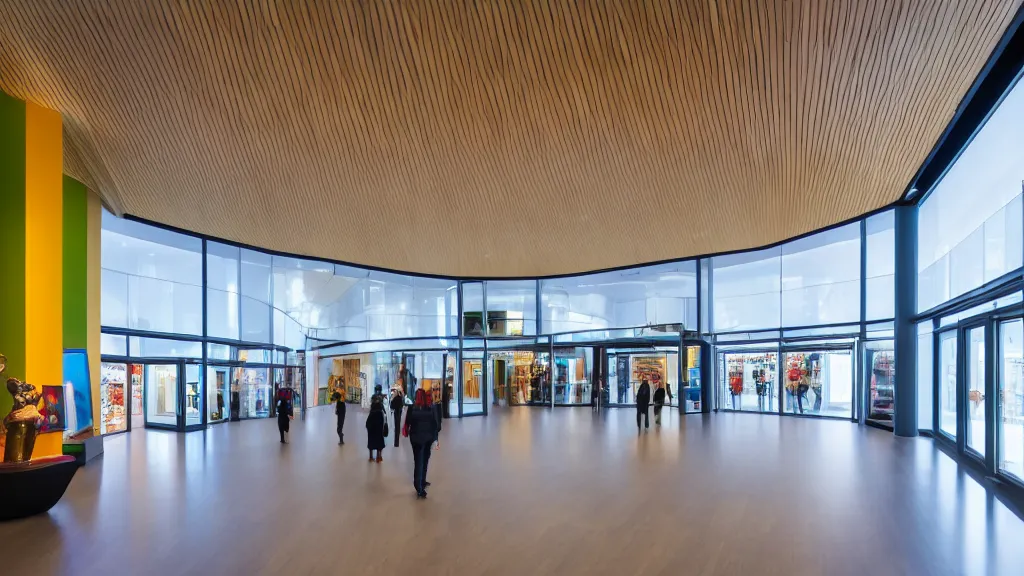 Tyumen
 Bitung
Travel & attractions
Tyumen
Bitung
Real estate & living comparison
| Tyumen | Bitung | |
|---|---|---|
| Bottled Water (0.33 Liter) | 1.11 USD | 0.18 USD |
| Cappuccino (Regular Size) | 2.62 USD | 1.19 USD |
| GDP Growth Rate: | 3.6 USD | 5.05 USD |
| GDP Per Capita ($) : | 39800 USD | 13900 USD |
| Population | 861,100 | 218,520 |
Last updated: 2026-04-05T11:36:35+00:00
Comments for this comparison