
Zama vs. Guatemala City: Detailed 2026 Cost of Living & Quality Comparison
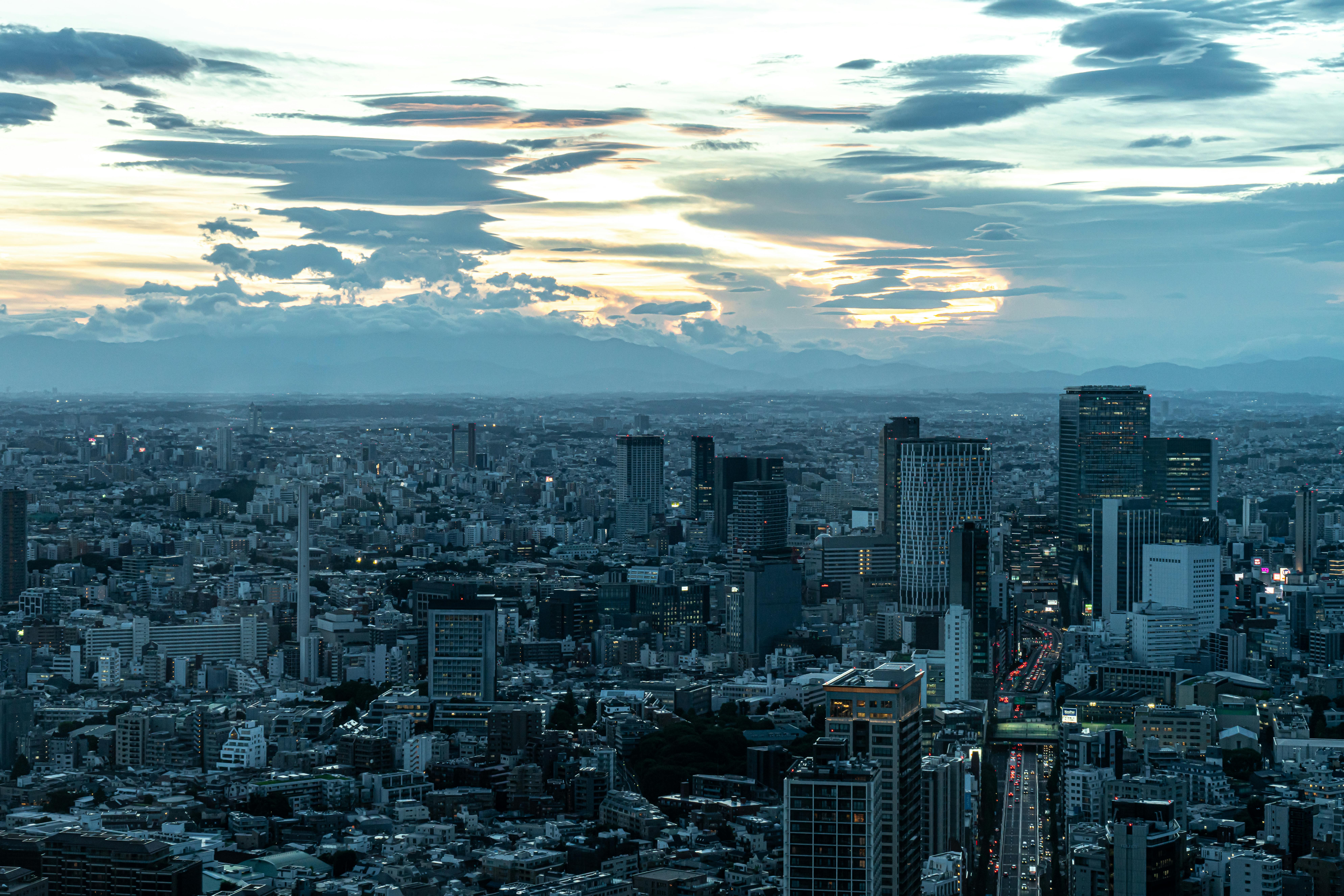 Zama
Image by:Kuma Jio
Zama
Image by:Kuma Jio
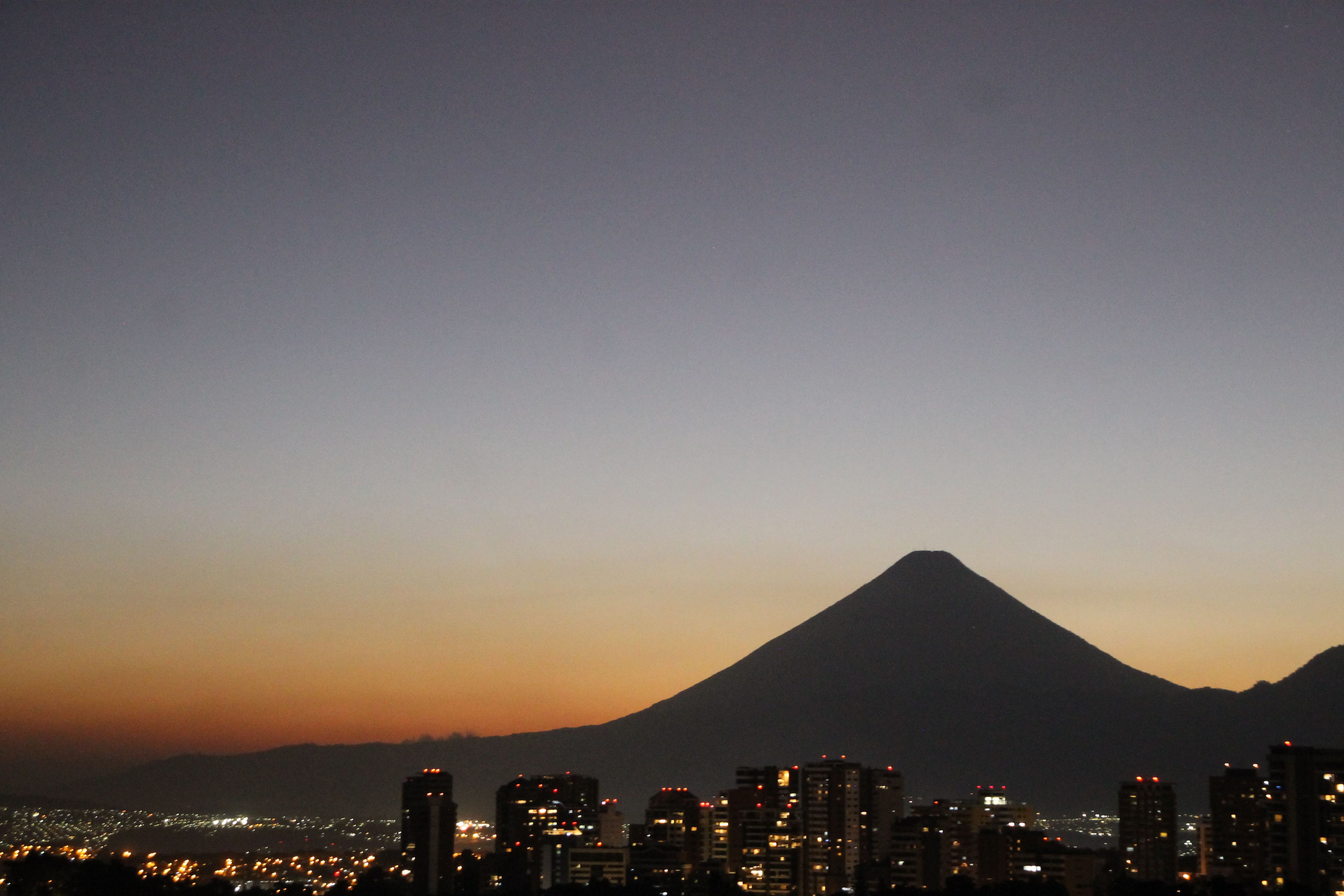 Guatemala City
Image by:Wilfredo Salazar
Guatemala City
Image by:Wilfredo Salazar
The stark contrast between Zama, Japan, and Guatemala City, Guatemala, begins with their economic realities. Zama operates within Japan's powerhouse economy, offering high salaries ($3,300 average net) and robust purchasing power. Guatemala City, the capital of a developing nation, presents a very different picture, with significantly lower average wages ($846) and a GDP per capita roughly one-third that of Zama's ($40,000 versus $12,400). While Japan's currency provides substantial底气, Guatemala City's economy shows a higher growth rate (3.53% versus Japan's 0.00%), albeit with associated risks. This economic divergence fundamentally shapes the affordability and lifestyle possibilities in each city.
The housing market reflects this economic chasm. Although property prices in Guatemala City are considerably more affordable than comparable homes in Zama, the local income is simply too low to make housing truly accessible. The city's high property price-to-income ratio (9.27) underscores this issue, suggesting housing costs, while lower in absolute terms than Zama, still represent a significant burden. Mortgages are another factor; despite Japan's low interest rates (around 1% in 2026), the principal loan amounts needed in Zama dwarf those in Guatemala City. Public transport costs are generally lower in Guatemala City, adding to its affordability, while car ownership costs remain similar between the two cities.
Quality of life indicators paint a similarly uneven picture. Zama benefits from Japan's renowned standards in public services, safety, and environmental quality, with lower reported safety concerns and cleaner air. Healthcare access and quality are presumed vastly superior, underpinning a high standard of living. Guatemala City faces significant challenges in these areas, grappling with higher safety concerns and potentially poorer environmental conditions. While basic utilities like electricity and garbage disposal are much cheaper in Guatemala City ($76/month) than in Zama ($280/month), the overall trade-off for lower living standards in key quality-of-life areas is undeniable.
Beyond the concrete figures, the lifestyle difference is pronounced. Zama offers a highly organized, efficient, and safe urban environment, reflecting the precision of its developed nation context. Guatemala City provides a more vibrant, developing city atmosphere, potentially with lower costs for entertainment and leisure. However, this comes with trade-offs: the city's infrastructure is less advanced, and the safety and environmental quality lag behind Zama's established benchmarks. The choice between these two cities fundamentally involves weighing the security and high standards of a developed nation against the lower costs and growth potential of a developing capital, accepting the associated compromises in infrastructure and daily living conditions.
Ultimately, the comparison highlights Zama as representing high-cost, high-quality, highly stable urban living, while Guatemala City embodies the developing world's trade-offs: significantly lower costs for housing and utilities, but lower safety, healthcare quality, and economic stability, despite a higher national growth rate. The decision rests on individual priorities: Zama suits those prioritizing security and established high living standards, while Guatemala City appeals to those seeking lower costs and growth potential, fully acknowledging the risks and lower quality-of-life benchmarks inherent in its context.
 Zama
Zama Guatemala City
Local cuisine & dishes
Zama
Guatemala City
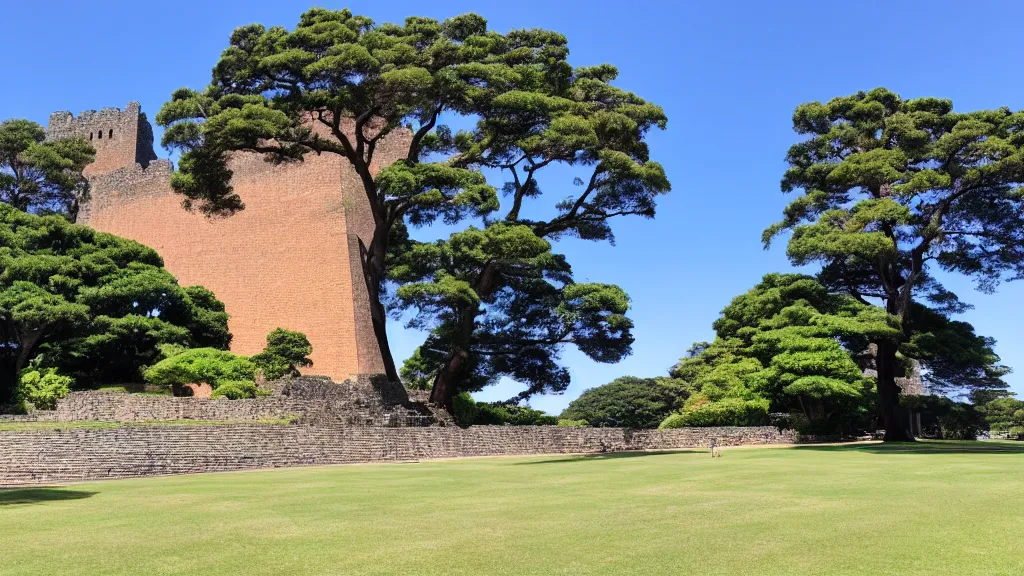 Zama
Zama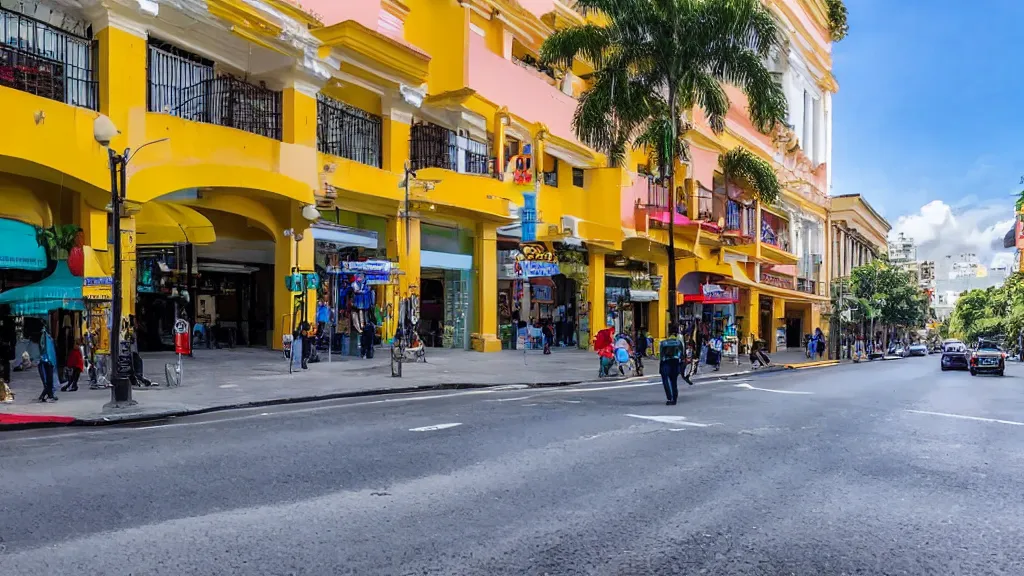 Guatemala City
Travel & attractions
Zama
Guatemala City
Real estate & living comparison
| Zama | Guatemala City | |
|---|---|---|
| International Primary School, Annual Tuition per Child | 14789.83 USD | 6650.21 USD |
| Private Full-Day Preschool or Kindergarten, Monthly Fee per Child | 579.65 USD | 338.59 USD |
| Jeans (Levi's 501 or Similar) | 46.81 USD | 49.37 USD |
| Men's Leather Business Shoes | 98.58 USD | 110.69 USD |
| Apples (1 kg) | 8.27 USD | 4.06 USD |
| Bananas (1 kg) | 2.97 USD | 1.76 USD |
| Bottled Water (0.33 Liter) | 0.74 USD | 0.85 USD |
| Cappuccino (Regular Size) | 2.39 USD | 3.43 USD |
| Annual Mortgage Interest Rate (20-Year Fixed, in %) | 2.02 USD | 11.62 USD |
| Average Monthly Net Salary (After Tax) | 3300 USD | 844.7 USD |
| Cinema Ticket (International Release) | 11.45 USD | 6.45 USD |
| Gasoline (1 Liter) | 1.1 USD | 1.08 USD |
| Taxi 1 Hour Waiting (Standard Tariff) | 15.9 USD | 10.42 USD |
| Basic Utilities for 85 m2 Apartment (Electricity, Heating, Cooling, Water, Garbage) | 116.61 USD | 76.35 USD |
| Broadband Internet (Unlimited Data, 60 Mbps or Higher) | 31.32 USD | 48.07 USD |
| Population | 130,753 | 3,014,000 |
Last updated: 2026-04-05T11:49:36+00:00
Comments for this comparison