
Abu Dhabi vs. Ghazni: Detailed 2026 Cost of Living & Quality Comparison
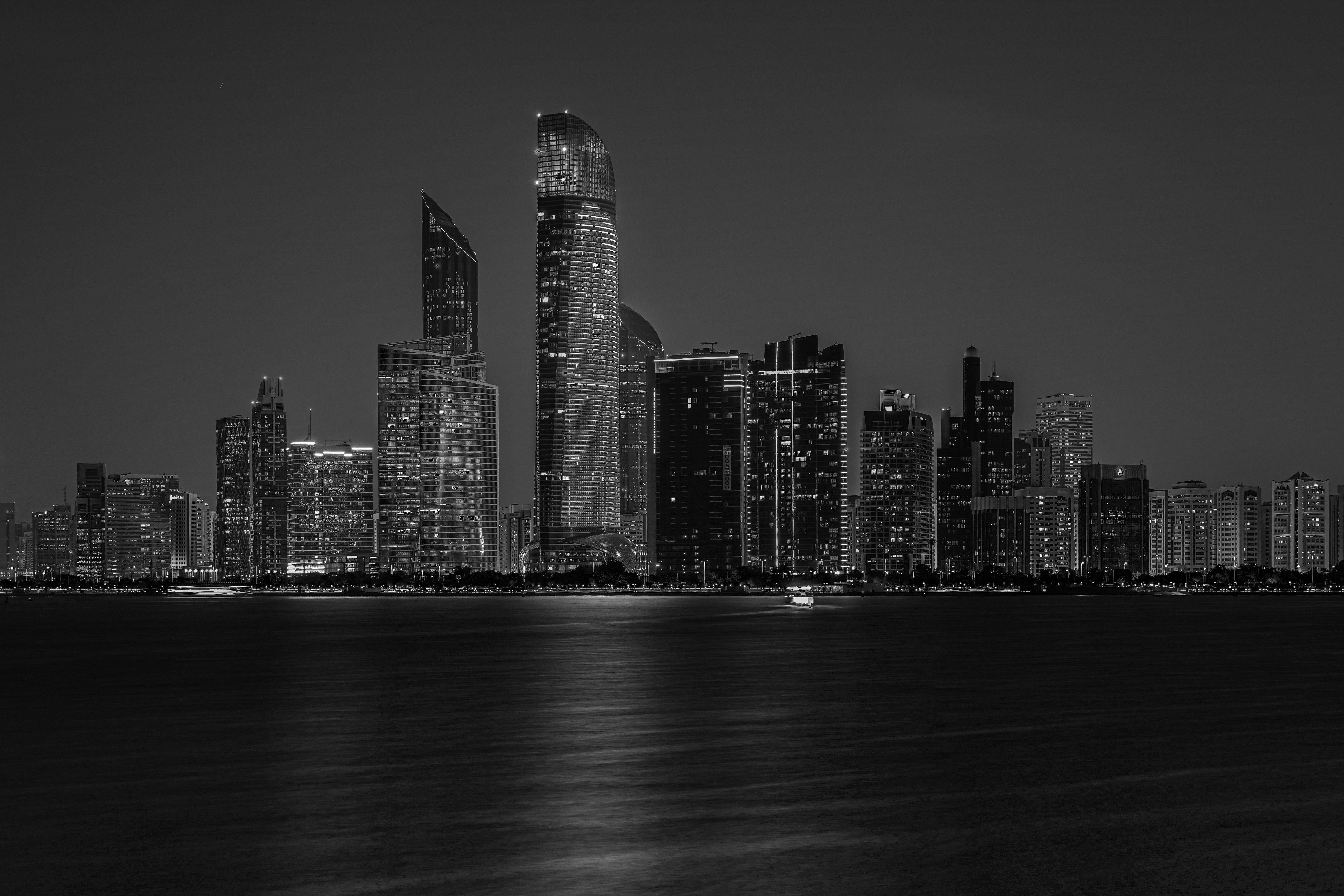 Abu Dhabi
Image by:Saad Nadeem
Abu Dhabi
Image by:Saad Nadeem
 Ghazni
Image by:Suliman Sallehi
Ghazni
Image by:Suliman Sallehi
Abu Dhabi and Ghazni represent two fundamentally different worlds, separated by vast economic and developmental chasms. Abu Dhabi, a major metropolis in the UAE, thrives on advanced infrastructure, a high standard of living, and significant economic activity, serving over a million residents. Ghazni, a smaller Afghan city, reflects the economic realities and developmental stage of a developing nation, presenting a stark contrast in scale and opportunity. This comparison reveals profound differences in the cost structure and quality metrics defining daily life in these cities.
The economic divide is immediately apparent in the cost of living. Abu Dhabi's expenses across nearly every category – groceries, transportation, housing, healthcare, and education – consistently dwarf those in Ghazni. The disparity is so significant that Abu Dhabi's cost of living index is almost ten times higher than Ghazni's. This translates directly into housing, where property prices in Abu Dhabi reach hundreds, or even thousands, of dollars per square meter. In Ghazni, while prices vary, they range from approximately $65 to over $350 USD per square meter, making housing substantially more accessible but still reflecting the broader economic context of a developing country. Basic goods, vehicles, utilities, and childcare/education all follow this pattern, Ghazni offering significantly lower costs for fundamental needs.
Quality of life metrics further underscore the gap, particularly concerning safety, healthcare access, and environmental conditions. Abu Dhabi's metrics show consistently high scores, indicating a superior standard of living supported by robust infrastructure and services. Conversely, Ghazni faces challenges in these critical areas, suggesting less developed public services, potentially higher environmental risks, and a less secure environment compared to the controlled and high-standard offerings in Abu Dhabi. While Ghazni might show slightly higher scores in certain indices like traffic convenience or basic necessity availability, these likely reflect local conditions within a broader context of lower overall quality benchmarks compared to global hubs.
The implications for individuals considering relocation or long-term investment are profound. Abu Dhabi offers a dynamic, global economy with high-paying jobs across diverse sectors like finance, oil, technology, and tourism, coupled with world-class amenities and a stable environment. Ghazni, while presenting lower living costs, confronts the significant economic constraints and uncertainties inherent in its location in Afghanistan. This context likely limits job security, career advancement opportunities, and professional development prospects. The investment climate in Ghazni reflects these economic realities and associated risks, standing in stark contrast to the established financial systems and property markets of Abu Dhabi.
Ultimately, the comparison between Abu Dhabi and Ghazni presents two entirely distinct environments. Abu Dhabi demands substantial financial resources but offers a high standard of living, advanced infrastructure, and significant career opportunities. Ghazni provides a much lower cost of living but operates within the challenging framework of a developing nation, facing severe limitations in quality of life, economic prospects, and infrastructure stability. The decision between these locations rests on individual priorities regarding financial capacity, career goals, desired quality of life, and tolerance for the specific risks and limitations associated with each city's unique circumstances in 2026.
 Abu Dhabi
 Ghazni
Local cuisine & dishes
Abu Dhabi
Ghazni
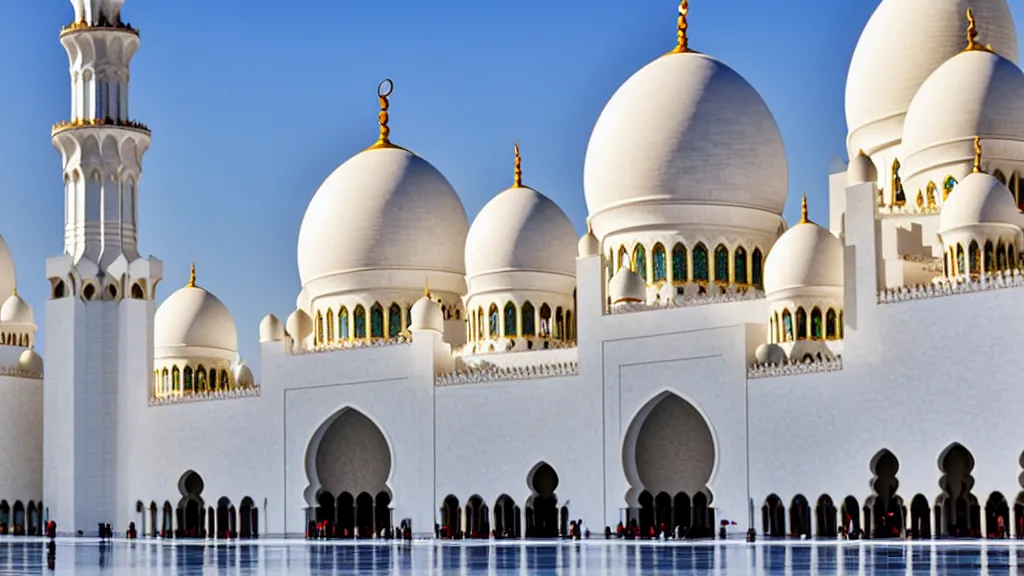 Abu Dhabi
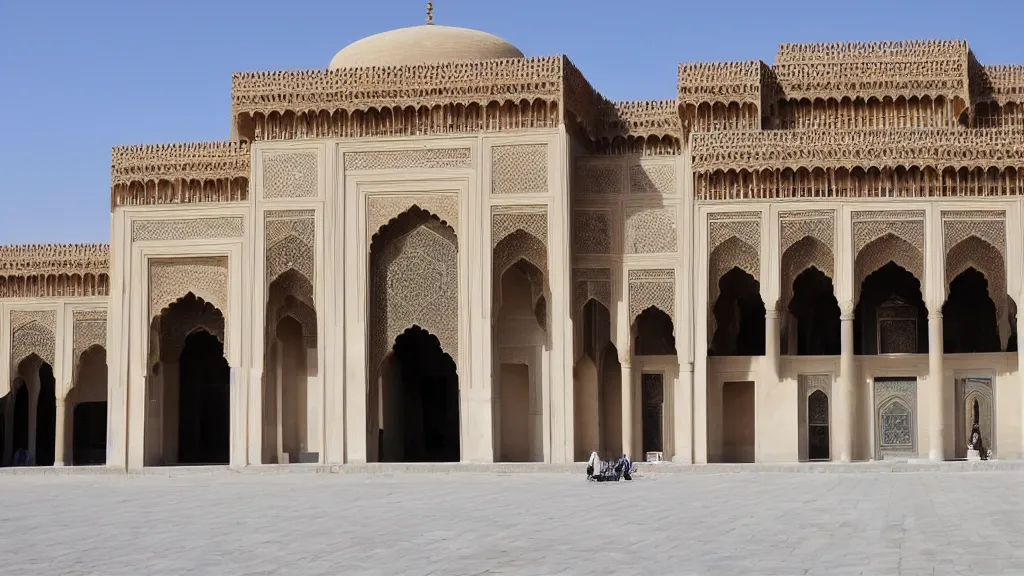 Ghazni
Travel & attractions
Abu Dhabi
Ghazni
Real estate & living comparison
| Abu Dhabi | Ghazni | |
|---|---|---|
| International Primary School, Annual Tuition per Child | 13740.81 USD | 1587.3 USD |
| Private Full-Day Preschool or Kindergarten, Monthly Fee per Child | 639.05 USD | 20.9 USD |
| Jeans (Levi's 501 or Similar) | 55.66 USD | 10.32 USD |
| Men's Leather Business Shoes | 93.57 USD | 24.4 USD |
| Apples (1 kg) | 2.39 USD | 0.57 USD |
| Bananas (1 kg) | 1.82 USD | 0.85 USD |
| Bottled Water (0.33 Liter) | 0.43 USD | 0.16 USD |
| Cappuccino (Regular Size) | 5.53 USD | 1.06 USD |
| Cinema Ticket (International Release) | 13.61 USD | 2.38 USD |
| Gasoline (1 Liter) | 0.74 USD | 1.06 USD |
| Taxi 1 Hour Waiting (Standard Tariff) | 8.17 USD | 2.78 USD |
| Basic Utilities for 85 m2 Apartment (Electricity, Heating, Cooling, Water, Garbage) | 160.62 USD | 53.71 USD |
| Broadband Internet (Unlimited Data, 60 Mbps or Higher) | 96.37 USD | 113.1 USD |
| Population | 1,483,000 | 143,379 |
Last updated: 2026-04-05T11:48:14+00:00
Comments for this comparison