
Beirut vs. Ghazni: Detailed 2026 Cost of Living & Quality Comparison
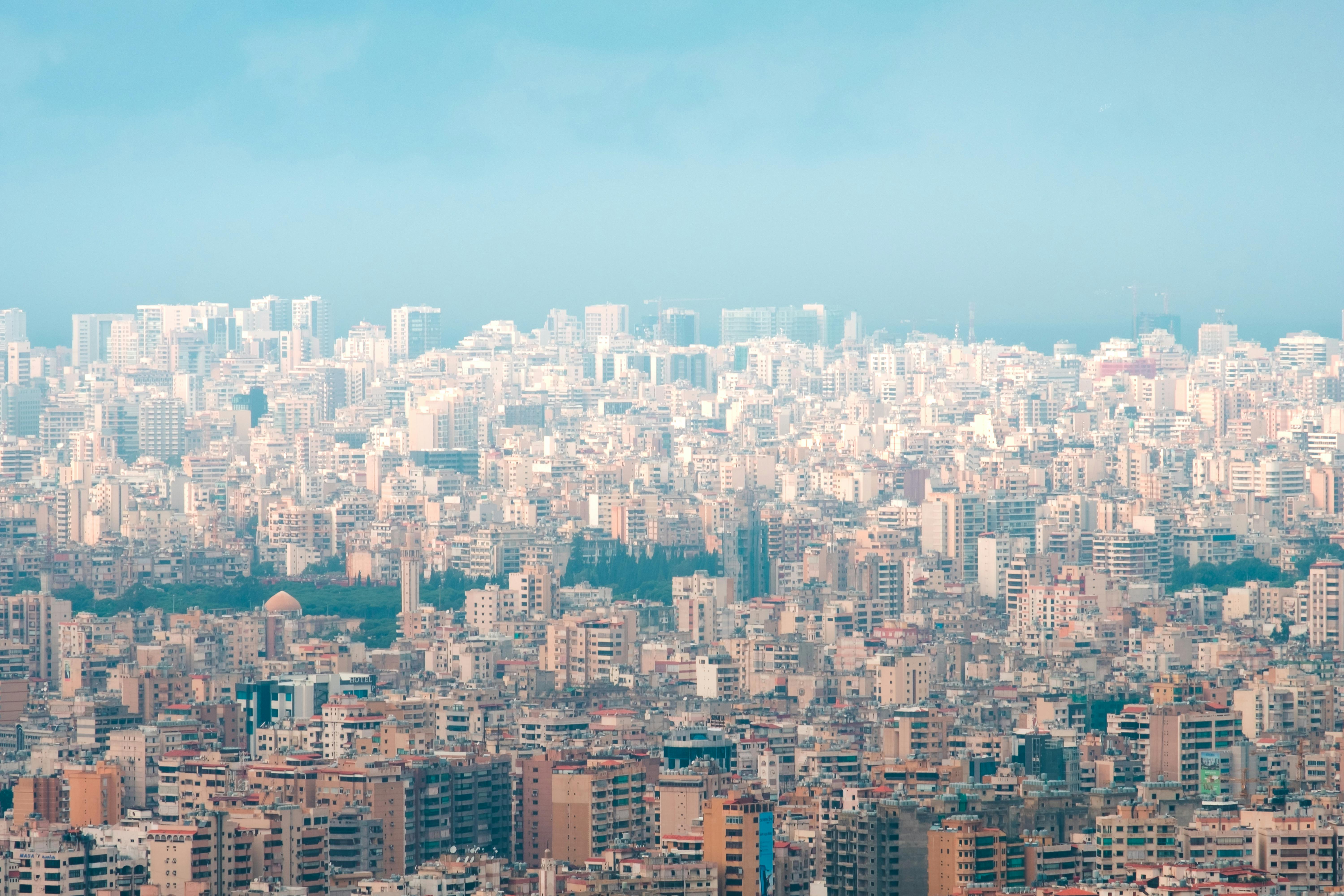 Beirut
Image by:Jo Kassis
Beirut
Image by:Jo Kassis
 Ghazni
Image by:Suliman Sallehi
Ghazni
Image by:Suliman Sallehi
Beirut and Ghazni present fundamentally different economic realities. Beirut, Lebanon's capital with a population of around 2.4 million, operates as a major regional hub, driving significantly higher costs across the board compared to Ghazni, Afghanistan's city with a population of approximately 143,000. This disparity extends to infrastructure and the sheer scope of economic activity. Basic necessities like groceries, eating out, transport, utilities, and childcare are substantially more expensive in Beirut. This economic premium is starkly reflected in housing, where property prices in Beirut, even in specific districts, are orders of magnitude higher than those in Ghazni, despite the latter's data being presented through cost-of-living indices versus price indices in Beirut.
The gap in living expenses directly impacts the housing situation. While Ghazni offers significantly more affordable property options, the fundamental difference in cost structure means residents in Beirut face vastly higher monthly payments and a greater financial burden for shelter alone. This isn't just a matter of scale; the price difference is profound.
When it comes to quality of life, the picture diverges further. Beirut scores considerably higher on international quality-of-life indices, particularly concerning safety and healthcare. The safety situation in Beirut is vastly superior to that in Ghazni, where certain areas present significant security concerns. Healthcare access and quality are presumed to be far superior in Beirut. While Ghazni might offer a lower-stress environment due to its smaller scale, the overall safety and health infrastructure in Beirut are significantly better.
For those considering investment or career prospects, the location matters immensely. Beirut offers far greater potential, albeit within a complex and volatile environment. The higher cost of living is offset by potentially higher earnings in key sectors like business, technology, finance, and skilled trades, reflecting its status as a regional center. Career advancement opportunities and income potential are substantially greater here. Ghazni, conversely, offers a lower cost of living but drastically fewer career opportunities, lower potential earnings, and a much less developed professional landscape. The investment climate in Ghazni is constrained by Afghanistan's broader economic conditions, presenting higher risks and lower potential returns compared to Beirut's dynamic market.
Ultimately, Beirut and Ghazni represent two entirely different worlds. Beirut is an expensive, high-quality city offering significant career and investment opportunities, despite its challenges. Ghazni offers a much lower cost of living and a simpler lifestyle but falls drastically short on critical quality-of-life metrics like safety and healthcare, and offers far more limited economic prospects. The choice depends entirely on individual priorities regarding budget, safety, career growth, healthcare access, and tolerance for economic and political uncertainty in 2026.
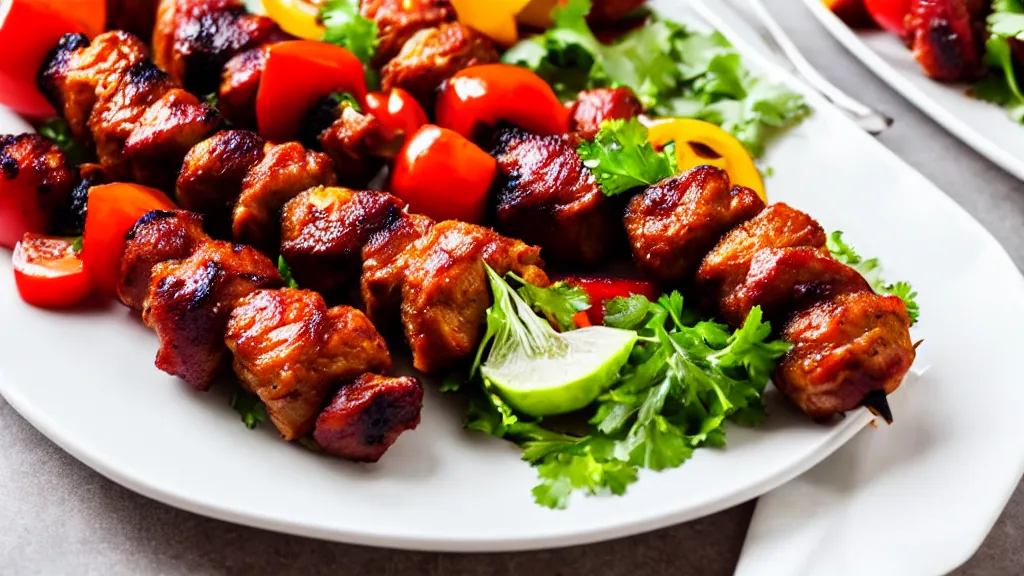 Beirut
 Ghazni
Local cuisine & dishes
Beirut
Ghazni
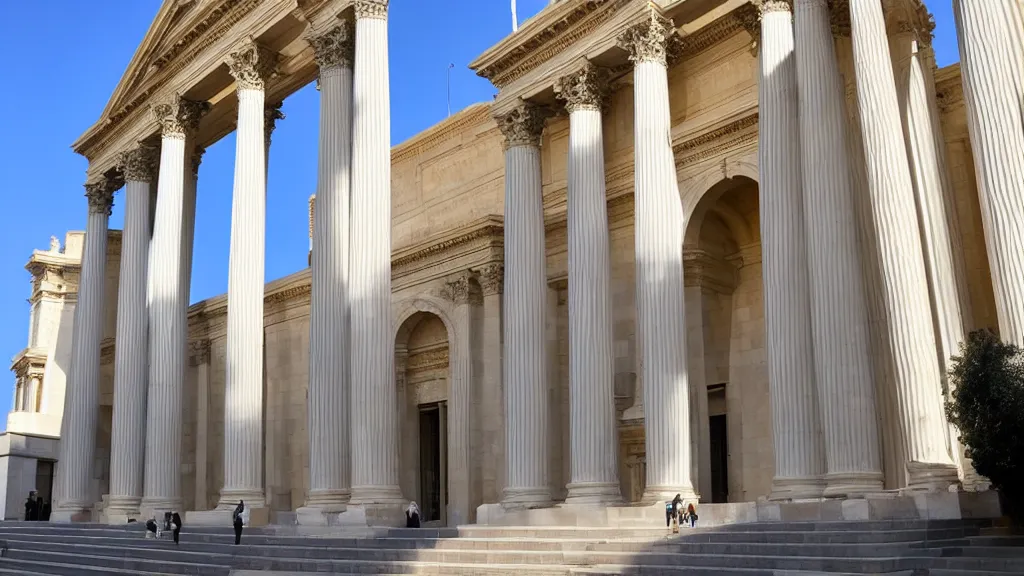 Beirut
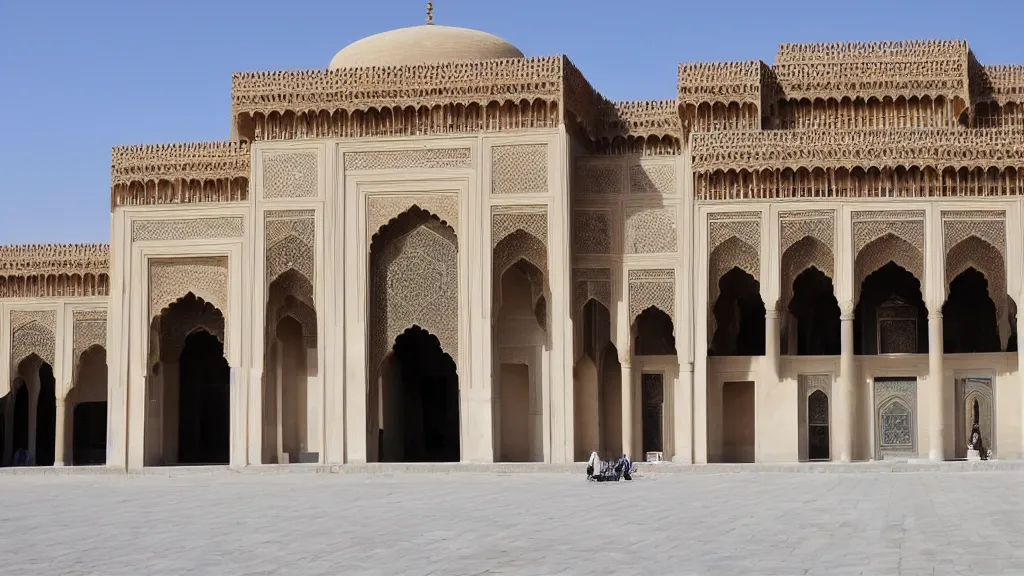 Ghazni
Travel & attractions
Beirut
Ghazni
Real estate & living comparison
| Beirut | Ghazni | |
|---|---|---|
| International Primary School, Annual Tuition per Child | 9664.29 USD | 1587.3 USD |
| Private Full-Day Preschool or Kindergarten, Monthly Fee per Child | 650.5 USD | 20.9 USD |
| Jeans (Levi's 501 or Similar) | 59 USD | 10.32 USD |
| Men's Leather Business Shoes | 106.67 USD | 24.4 USD |
| Apples (1 kg) | 2.99 USD | 0.57 USD |
| Bananas (1 kg) | 1.63 USD | 0.85 USD |
| Bottled Water (0.33 Liter) | 0.79 USD | 0.16 USD |
| Cappuccino (Regular Size) | 4.08 USD | 1.06 USD |
| Cinema Ticket (International Release) | 10 USD | 2.38 USD |
| Gasoline (1 Liter) | 0.9 USD | 1.06 USD |
| Taxi 1 Hour Waiting (Standard Tariff) | 20 USD | 2.78 USD |
| Basic Utilities for 85 m2 Apartment (Electricity, Heating, Cooling, Water, Garbage) | 181.8 USD | 53.71 USD |
| Broadband Internet (Unlimited Data, 60 Mbps or Higher) | 37.06 USD | 113.1 USD |
| Population | 2,421,354 | 143,379 |
Last updated: 2026-04-05T11:47:00+00:00
Comments for this comparison