
Kabul vs. Ghazni: Detailed 2026 Cost of Living & Quality Comparison
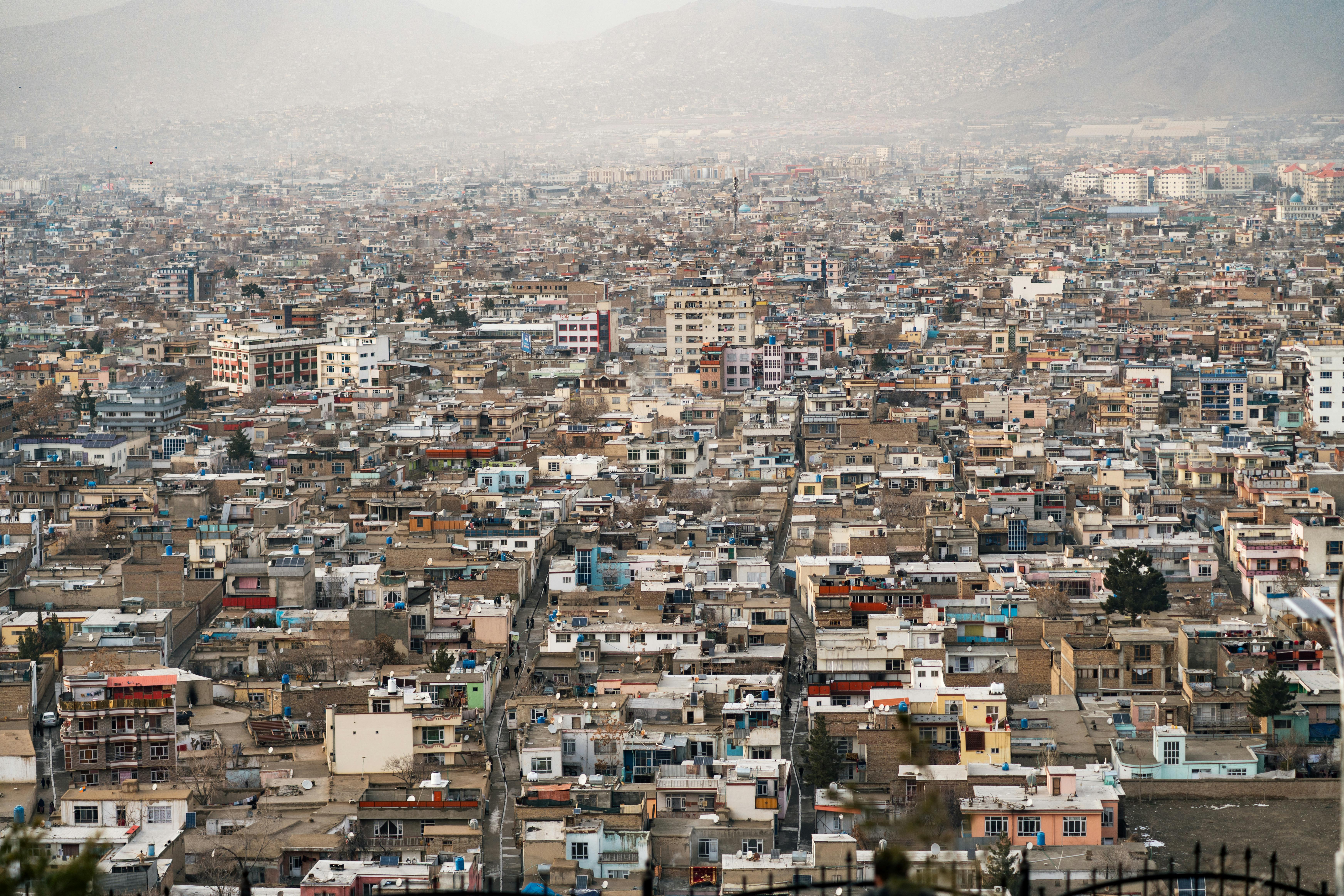 Kabul
Image by:Faruk Tokluoğlu
Kabul
Image by:Faruk Tokluoğlu
 Ghazni
Image by:Suliman Sallehi
Ghazni
Image by:Suliman Sallehi
Kabul and Ghazni represent vastly different urban experiences in Afghanistan, most notably reflected in their economic structures and living costs. Kabul, the capital with a population of over 4.27 million, significantly outpaces Ghazni's population of just over 143,000. This scale difference translates directly into economic power, with Kabul boasting a GDP per capita of $2,000, substantially higher than Ghazni's likely lower figure. This economic disparity is mirrored in the cost of living, which is considerably higher across the board in the capital. Basic goods, transportation, utilities, and especially housing all carry a heavier price tag in Kabul compared to Ghazni.
The housing market starkly illustrates this economic gap. A prime example is the price per square meter for city-center property, at $741 in Kabul versus a much more accessible $65.44 in Ghazni. This difference is immediately apparent in rental costs, where a 1-bedroom apartment in Kabul's center averages $159.13 per month, only slightly higher than Ghazni's $144.69, but reflecting the overall premium in the capital. While the average net monthly salary in Kabul stands at $348.94, still lower than the city's GDP per capita, it remains higher than likely figures in Ghazni, suggesting a potential for a higher standard of living in the capital despite the correspondingly higher expenses.
Beyond the hard costs, the quality of life presents contrasting priorities between the two cities. Kabul edges out Ghazni in crucial areas like safety and healthcare access. Data indicates Kabul has a lower crime risk index (1.13) compared to Ghazni's higher index (1.36), and its healthcare index (1.13) is lower than Ghazni's (1.36), suggesting better service availability and quality. Conversely, Ghazni demonstrates a clear advantage, particularly concerning air pollution, with an index of 0.36 versus Kabul's alarming 8.00. Other metrics like tolerance and leisure activities show Ghazni performing similarly or slightly better, implying a potentially more relaxed social environment, albeit with trade-offs in service quality.
For those considering investment or career prospects, Kabul's larger economy and higher GDP per capita ($2,000) make it the more compelling destination. This suggests greater potential for business growth, job creation, and investment returns, despite the associated higher costs and risks. Ghazni, while lacking the economic scale of Kabul, offers a lower cost base for real estate and potentially less intense job market competition, but the lower GDP per capita implies fewer overall investment opportunities and likely slower growth. Career prospects are expected to be more varied and numerous in the capital.
Ultimately, Kabul and Ghazni cater to fundamentally different needs and priorities. Kabul, as the economic and administrative heart, offers superior safety, healthcare, and career opportunities, albeit at a significantly higher cost and with poorer environmental quality, particularly air. Ghazni provides a lower cost of living and notably cleaner air, but sacrifices in safety, healthcare, and economic opportunity. The choice hinges on whether economic dynamism, service access, and urban amenities outweigh the financial burden and environmental drawbacks, or if a lower cost, cleaner environment, and less intense urban setting are preferable despite fewer opportunities.
 Kabul
Kabul Ghazni
Local cuisine & dishes
Kabul
Ghazni
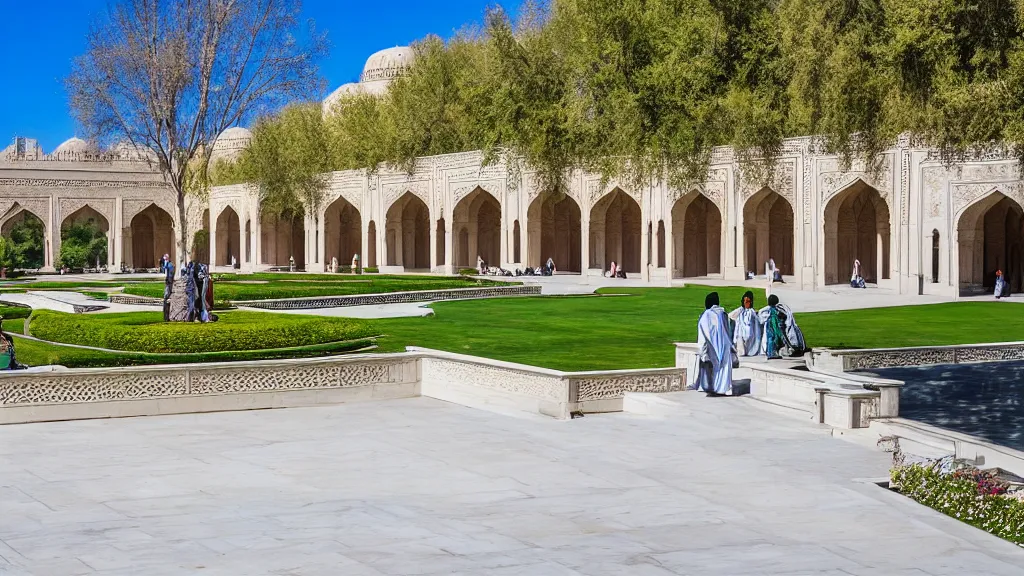 Kabul
Kabul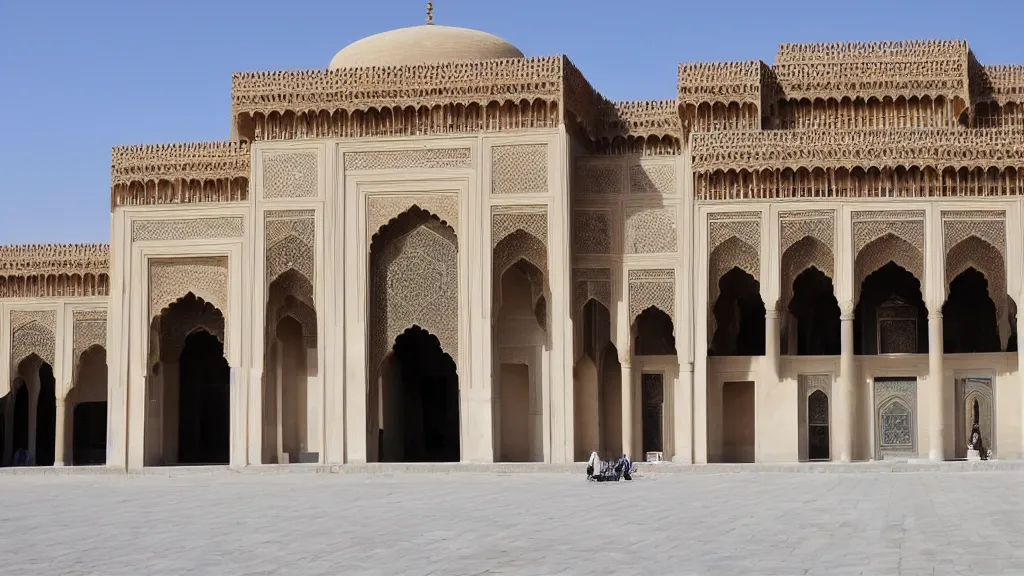 Ghazni
Travel & attractions
Kabul
Ghazni
Real estate & living comparison
| Kabul | Ghazni | |
|---|---|---|
| International Primary School, Annual Tuition per Child | 1587.3 USD | 1587.3 USD |
| Private Full-Day Preschool or Kindergarten, Monthly Fee per Child | 20.9 USD | 20.9 USD |
| Jeans (Levi's 501 or Similar) | 10.32 USD | 10.32 USD |
| Men's Leather Business Shoes | 24.4 USD | 24.4 USD |
| Khost | 221.16 | 357.04 |
| Apples (1 kg) | 0.57 USD | 0.57 USD |
| Bananas (1 kg) | 0.85 USD | 0.85 USD |
| Bottled Water (0.33 Liter) | 0.16 USD | 0.16 USD |
| Cappuccino (Regular Size) | 1.06 USD | 1.06 USD |
| Cost of Living in Khost | 221.16 USD | 357.04 USD |
| Cost of Living in Sharan | 205.54 USD | 65.44 USD |
| Sharan | 205.54 | 65.44 |
| Cinema Ticket (International Release) | 2.38 USD | 2.38 USD |
| Gasoline (1 Liter) | 1.06 USD | 1.06 USD |
| Taxi 1 Hour Waiting (Standard Tariff) | 2.78 USD | 2.78 USD |
| Basic Utilities for 85 m2 Apartment (Electricity, Heating, Cooling, Water, Garbage) | 53.71 USD | 53.71 USD |
| Broadband Internet (Unlimited Data, 60 Mbps or Higher) | 113.1 USD | 113.1 USD |
| Population | 4,273,156 | 143,379 |
Last updated: 2026-04-05T15:32:42+00:00
More city comparisons
From Afghanistan
- Ghazni vs Amsterdam
- Paris vs Herat
- Ho Chi Minh City vs Kabul
- Mumbai vs Herat
- Farah vs Hinche
- New York vs Kabul
- Herat vs Abu Dhabi
- Herat vs Ghazni
- Herat vs Salzburg
- Kuala Lumpur vs Kabul
- Ghazni vs Geneva
- Herat vs Auckland
- Kabul vs Toronto
- Lima vs Herat
- Herat vs Panama City
- Ghazni vs Auckland
- Herat vs Geneva
- Herat vs Brasilia
- Rio de Janeiro vs Kabul
- Barcelona vs Kabul
Comments for this comparison