
Paris vs. Herat: Detailed 2026 Cost of Living & Quality Comparison
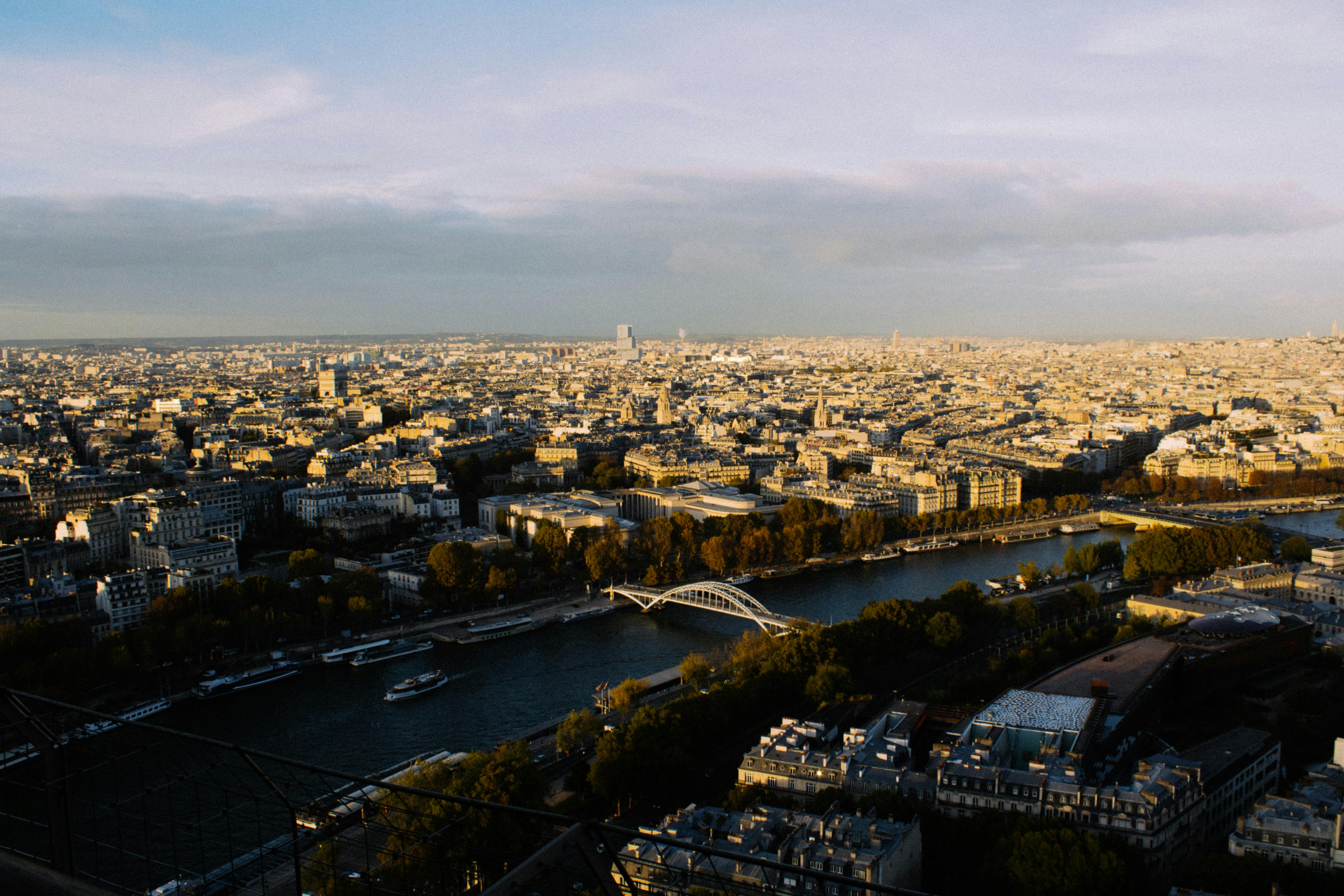 Paris
Image by:Sofia Bubnova
Paris
Image by:Sofia Bubnova
 Herat
Image by:Morteza Rezaiy
Herat
Image by:Morteza Rezaiy
Paris and Herat stand in stark contrast as urban environments in 2026. Paris, a major global financial and cultural center with a population exceeding 2 million, operates from a position of significant economic strength. Its GDP per capita stands at $55,400, vastly higher than Herat's $2,000, reflecting a fundamental difference in economic development and purchasing power. This economic disparity directly influences the cost of living, with Paris being substantially more expensive, particularly for housing and groceries, while Herat offers significantly more affordable living expenses. However, this lower cost in Herat comes with considerable trade-offs, including significant economic instability and lower quality of life indicators, painting a picture of a developing city facing substantial hurdles.
The economic gap translates directly into housing costs and salaries. Paris demonstrates robust economic performance with a GDP growth rate of 0.94% and a low population growth rate of 0.2%, indicating a stable and expanding economy. Average net monthly salaries in Paris are considerably higher, reflecting its economic vitality. Housing costs in Paris are exceptionally high, with property prices in central areas among the most expensive globally. While specific mortgage rates weren't provided, the city's property market clearly suggests high-value transactions. Conversely, Herat's economy shows minimal growth potential, with a GDP growth rate of 2.71% and a population growth rate of 2.22%. Average net monthly salaries are significantly lower, reflecting economic constraints. Property prices in Herat are remarkably affordable, especially centrally, but the high mortgage interest rate of 20.0% presents a significant financial hurdle for potential buyers, highlighting the affordability challenge despite low purchase prices.
Quality of life differs dramatically between the two cities. Paris excels in key areas like safety, healthcare, and climate comfort, contributing to a high standard of living. Its public services and infrastructure are top-notch. Herat, however, faces severe challenges in quality of life metrics. Its safety index is alarmingly low, reflecting potential security concerns. Healthcare access and quality are severely limited, posing significant health risks. The climate comfort index is also very low, suggesting harsh living conditions. Underdeveloped public services and infrastructure further diminish the overall quality of life for Herat's residents, creating a significant gap compared to Paris's established amenities and security.
For investors and career-focused individuals, Paris presents a much more promising landscape. The city's strong and stable economy offers greater job security and diverse employment opportunities across various sectors. The low unemployment rate (0.22%) compared to Herat's 15.8% underscores the job market advantage. Paris offers higher potential for career advancement and competitive salaries. Herat's investment climate is highly risky due to economic instability, high inflation (implied by the high interest rate), and limited market depth. Career prospects are limited by the underdeveloped economy, lower skilled job availability, and higher unemployment rate. While niche opportunities might exist, the overall investment and career potential in Herat is vastly inferior to that of Paris.
Ultimately, Paris and Herat represent polar opposites. Paris offers a high standard of living, robust economic opportunities, and excellent public services, albeit at a very high cost. Herat provides significantly lower costs for living and property, but at the expense of economic instability, poor quality of life, limited job prospects, and significant safety and health concerns. The choice between these two cities hinges entirely on the priorities of the individual or entity. For those prioritizing economic stability, career growth, and a high quality of life, Paris is the clear choice despite its high costs. For those prioritizing extreme affordability and willing to accept significant risks and sacrifices in quality of life, Herat represents a different, much more challenging proposition.
 Paris
Paris Herat
HeratLocal cuisine & dishes
Paris
Herat
 Paris
Paris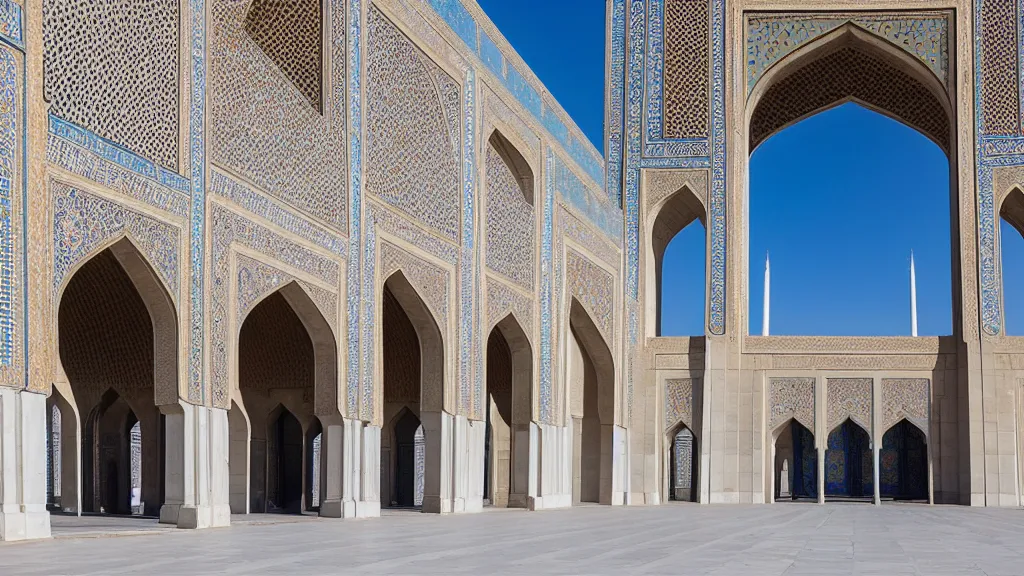 Herat
HeratTravel & attractions
Paris
Herat
Real estate & living comparison
| Paris | Herat | |
|---|---|---|
| Private Full-Day Preschool or Kindergarten, Monthly Fee per Child | 1436.45 USD | 15.87 USD |
| Jeans (Levi's 501 or Similar) | 113.23 USD | 23.81 USD |
| Men's Leather Business Shoes | 165.73 USD | 39.68 USD |
| Apples (1 kg) | 3.48 USD | 0.79 USD |
| Bananas (1 kg) | 2.45 USD | 0.79 USD |
| 1 Bedroom Apartment in City Centre | 1600.62 USD | 79.37 USD |
| 1 Bedroom Apartment Outside of City Centre | 1172.76 USD | 47.62 USD |
| Bottled Water (0.33 Liter) | 2.76 USD | 0.16 USD |
| Cappuccino (Regular Size) | 5.15 USD | 0.79 USD |
| Annual Mortgage Interest Rate (20-Year Fixed, in %) | 3.28 USD | 20 USD |
| Average Monthly Net Salary (After Tax) | 4013.69 USD | 190.48 USD |
| Monthly Fitness Club Membership | 44.36 USD | 15.87 USD |
| Gasoline (1 Liter) | 2.09 USD | 1.11 USD |
| One-Way Ticket (Local Transport) | 2.91 USD | 0.32 USD |
| Basic Utilities for 85 m2 Apartment (Electricity, Heating, Cooling, Water, Garbage) | 279.99 USD | 206.35 USD |
| Broadband Internet (Unlimited Data, 60 Mbps or Higher) | 33.13 USD | 158.73 USD |
| Population | 11,060,000 | 556,205 |
Last updated: 2026-04-05T11:45:14+00:00
Comments for this comparison