
Jakarta vs. Herat: Detailed 2026 Cost of Living & Quality Comparison
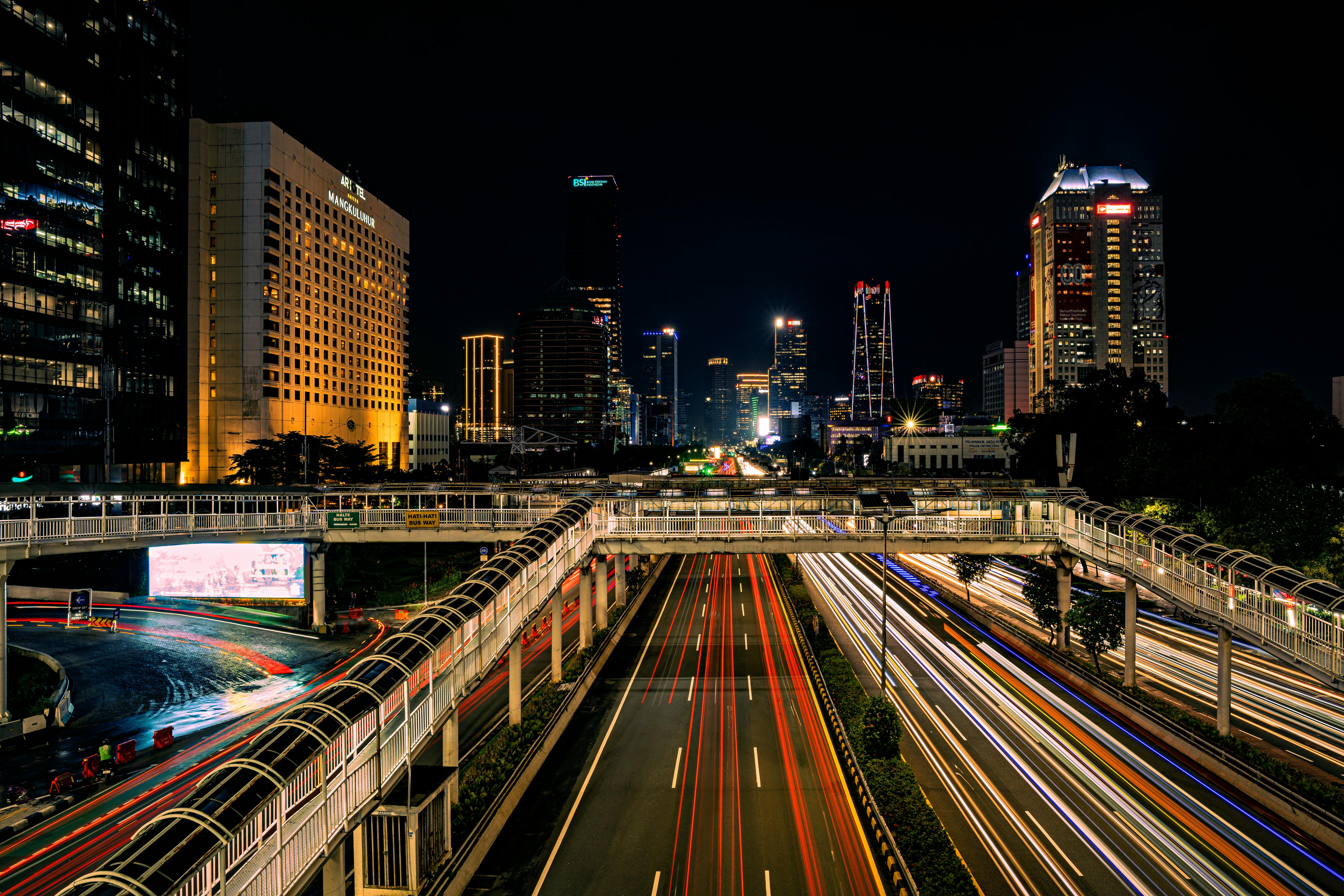 Jakarta
Image by:ds rexy
Jakarta
Image by:ds rexy
 Herat
Image by:Morteza Rezaiy
Herat
Image by:Morteza Rezaiy
Jakarta, the sprawling capital of Indonesia with a population exceeding 33 million, operates as a major economic hub, contrasting sharply with Herat, a smaller Afghan city home to around half a million people. This fundamental difference in scale immediately impacts their comparison. Jakarta functions within Indonesia's complex, developing economy, while Herat exists within Afghanistan's challenging socio-economic and political landscape. Data from 2026 reveals Jakarta as a significantly wealthier global city, with a substantially higher GDP per capita ($13,900) and a lower population growth rate (0.73%) compared to Herat's lower GDP per capita ($2,000) and higher growth rate (2.22%). Despite its smaller size, Herat presents a distinct regional profile shaped by its unique economic realities.
Economically, Jakarta demonstrates a clear advantage. The average net monthly salary in Jakarta ($485.81 USD) is significantly higher than the much lower $190.48 USD in Herat, reflecting Jakarta's role as Indonesia's economic engine. Herat's lower GDP per capita and a prohibitively high mortgage interest rate of 20.0% further indicate limited economic development and credit access. Housing costs mirror this economic divide dramatically. Even outside the center, Jakarta's property prices start at $1,373.82 USD per square meter, orders of magnitude higher than Herat's rates, including the outside-center figure of $79.37 USD/m². Rent for a basic apartment is similarly skewed, with Jakarta's minimum being $79.37 USD per month compared to just $47.62 USD in Herat. This combination of lower salaries and cheaper housing makes Herat vastly more affordable overall, though its economic potential and job security are vastly inferior.
The quality of life metrics underscore Jakarta's developed urban nature, despite its challenges. Jakarta boasts significantly higher scores across most indicators, including higher GDP per capita, lower mortgage rates, and generally higher prices for goods and services (except basic staples and utilities). While specific quality data like safety or healthcare isn't detailed beyond GDP, the higher cost for services like childcare ($15.87 USD) and internet ($158.73 USD) suggests a more developed infrastructure. Herat, with its lower costs for most items, appears more affordable, but the data lacks specific metrics to assess crucial aspects like safety, healthcare quality, or public services. The vastly different economic base implies a significantly different quality of life, with Jakarta offering more amenities and services, even at a higher price, compared to the likely more basic environment in Herat.
For individuals considering investment or career prospects, Jakarta presents far more significant opportunities. It offers substantially higher salaries, greater economic diversity, and potentially more avenues for professional growth and investment, despite the high cost of living. Jakarta's lower mortgage rate further favors long-term financial planning. Herat's lower cost of living and population growth rate might seem appealing, but the limited economic data suggests fewer high-income job opportunities and potentially less job security. Therefore, from an investment and career perspective, Jakarta's potential vastly outweighs Herat's, albeit with correspondingly higher financial demands.
In conclusion, Jakarta and Herat represent fundamentally different environments. Jakarta, as a large, developing megacity, offers significantly higher economic potential, better infrastructure, and more diverse opportunities for career and investment growth, despite a much higher cost of living. Herat, a smaller Afghan city, offers substantially lower costs for living and potentially more affordable housing, but faces severe limitations in economic development, job security, and likely the quality of public services and infrastructure. The decision between these two cities hinges entirely on the individual's priorities – favoring economic opportunity, career advancement, and a developed urban environment versus seeking a significantly more affordable lifestyle within a vastly different and less developed regional context.
 Jakarta
 Herat
HeratLocal cuisine & dishes
Jakarta
Herat
 Jakarta
 Herat
HeratTravel & attractions
Jakarta
Herat
Real estate & living comparison
| Jakarta | Herat | |
|---|---|---|
| Private Full-Day Preschool or Kindergarten, Monthly Fee per Child | 177.56 USD | 15.87 USD |
| Jeans (Levi's 501 or Similar) | 53.97 USD | 23.81 USD |
| Men's Leather Business Shoes | 96.56 USD | 39.68 USD |
| Apples (1 kg) | 3.02 USD | 0.79 USD |
| Bananas (1 kg) | 1.55 USD | 0.79 USD |
| 1 Bedroom Apartment in City Centre | 370.65 USD | 79.37 USD |
| 1 Bedroom Apartment Outside of City Centre | 220.28 USD | 47.62 USD |
| Bottled Water (0.33 Liter) | 0.26 USD | 0.16 USD |
| Cappuccino (Regular Size) | 2.05 USD | 0.79 USD |
| Annual Mortgage Interest Rate (20-Year Fixed, in %) | 9.8 USD | 20 USD |
| Average Monthly Net Salary (After Tax) | 485.81 USD | 190.48 USD |
| Monthly Fitness Club Membership | 26.49 USD | 15.87 USD |
| Gasoline (1 Liter) | 0.78 USD | 1.11 USD |
| One-Way Ticket (Local Transport) | 0.21 USD | 0.32 USD |
| Basic Utilities for 85 m2 Apartment (Electricity, Heating, Cooling, Water, Garbage) | 93.11 USD | 206.35 USD |
| Broadband Internet (Unlimited Data, 60 Mbps or Higher) | 20.76 USD | 158.73 USD |
| Population | 33,756,000 | 556,205 |
Last updated: 2026-04-05T17:44:13+00:00
Comments for this comparison