
Are you envisioning a fresh start in Central Asia? We have synthesized the latest urban development forecasts for 2026 to rank the top 10 Kazakhstani cities currently offering the most compelling balance of professional opportunity and family-oriented lifestyle.
1. Pavlodar, Kazakhstan
Pavlodar is rapidly evolving into a hub of sustainable urbanism. With a population of 343,091, the city is gaining international attention for its integration of energy-efficient architecture, such as Brise-soleil facades that elegantly manage solar gain. Future-forward transit plans, including magnetic levitation (Maglev) concepts, aim to redefine the city's mobility, ensuring that its industrial roots are complemented by a clean, breathable environment for families.
Must-Eat: Syrne — a succulent, slow-roasted lamb dish traditionally prepared for honored guests.
Hidden Gem: The Irtysh River Embankment, a beautifully manicured promenade perfect for sunset strolls and local festivals.
⭐ Ranking Score: 57/100
2. Astana, Kazakhstan
As the nation's capital, Astana remains a shining beacon of futuristic ambition. The city's skyline is a masterclass in modern design, utilizing advanced architectural features to combat the extreme steppe climate. Beyond its striking aesthetics, Astana's commitment to high-tech infrastructure and eco-friendly public transport makes it a premier destination for ambitious professionals seeking a cosmopolitan lifestyle in the heart of Eurasia.
Must-Eat: Beshbarmak — Kazakhstan's national dish, featuring delicate hand-pulled noodles and perfectly seasoned meat, served at high-end spots like Qazaq Gourmet.
Hidden Gem: The Presidential Park, an expansive green oasis offering panoramic views of the city’s avant-garde landmarks.
⭐ Ranking Score: 55/100
View Astana Data & Comparison →
3. Qaraghandy, Kazakhstan
Steeped in industrial heritage, Qaraghandy is reinventing itself as a pragmatic and affordable alternative for modern families. The city’s architectural evolution includes climate-conscious shading systems to temper the summer heat. With a manageable cost of living and a steady economic heartbeat driven by the mining sector, it offers a stable environment for those looking to build a career without the price tag of the capital.
Must-Eat: Karaganda-style Pelmeni — savory dumplings that reflect the city's rich, multicultural culinary history.
Hidden Gem: The Karaganda Ecological Museum, an quirky and informative space dedicated to the region's unique environmental history.
⭐ Ranking Score: 50/100
4. Aqtobe, Kazakhstan
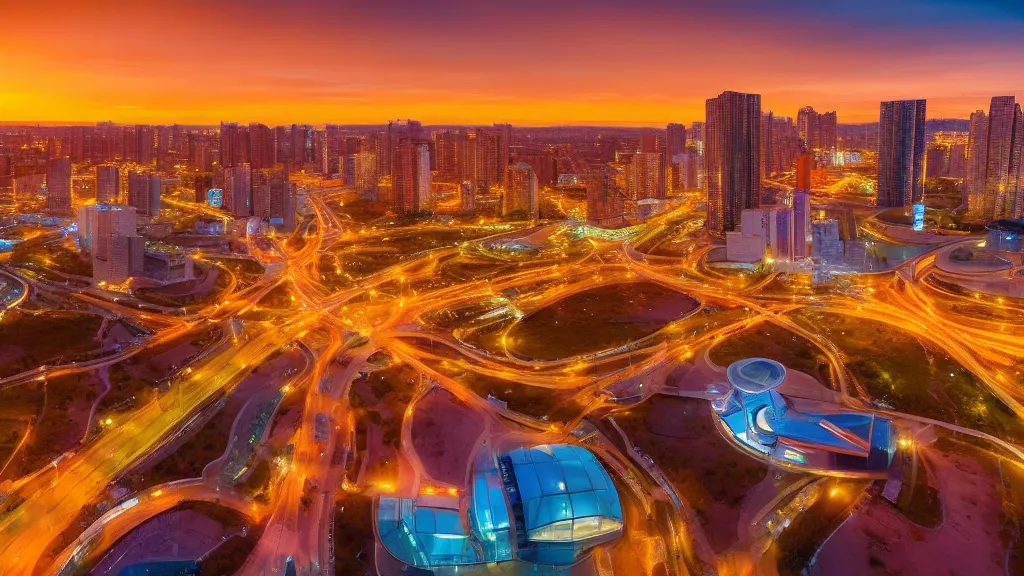
Aqtobe serves as a vital economic engine in Western Kazakhstan. Home to 387,807 residents, the city is pioneering the use of sulfur-scrubbing technology in its industrial zones to ensure cleaner air for the next generation. This commitment to environmental health, paired with burgeoning transit innovations, makes it an attractive prospect for families focused on long-term wellness and professional growth.
Must-Eat: Zhent — a traditional Kazakh dessert made from crushed grains, honey, and butter, often served at celebratory tea times.
Hidden Gem: The Nurdaulet Mosque complex, which uniquely combines a place of worship with community spaces and a small zoo.
⭐ Ranking Score: 49/100
5. Petropavl, Kazakhstan
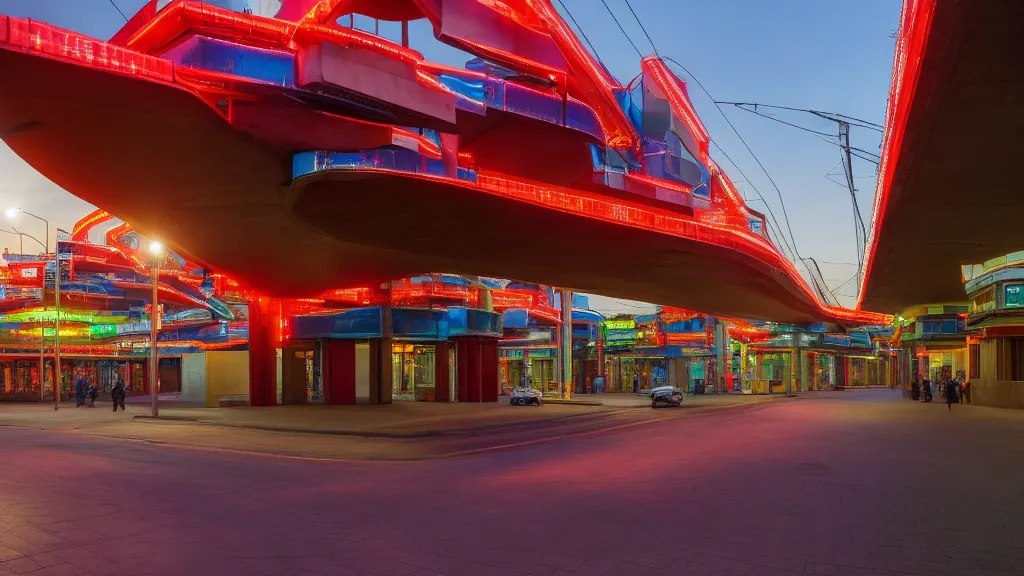
Nestled near the northern border, Petropavl offers a serene, green-filled lifestyle that is increasingly rare in major urban centers. Architectural initiatives here focus on thermal efficiency and solar regulation, essential for the northern climate. The city's push toward carbon-neutral public transport underscores its reputation as one of the most livable and environmentally conscious cities in the region.
Must-Eat: Local Buckwheat Honey — renowned across the country for its purity and rich, floral profile.
Hidden Gem: The Residence of Abylai Khan, a historic wooden palace that provides a deep dive into 18th-century Kazakh leadership.
⭐ Ranking Score: 49/100
6. Oskemen, Kazakhstan
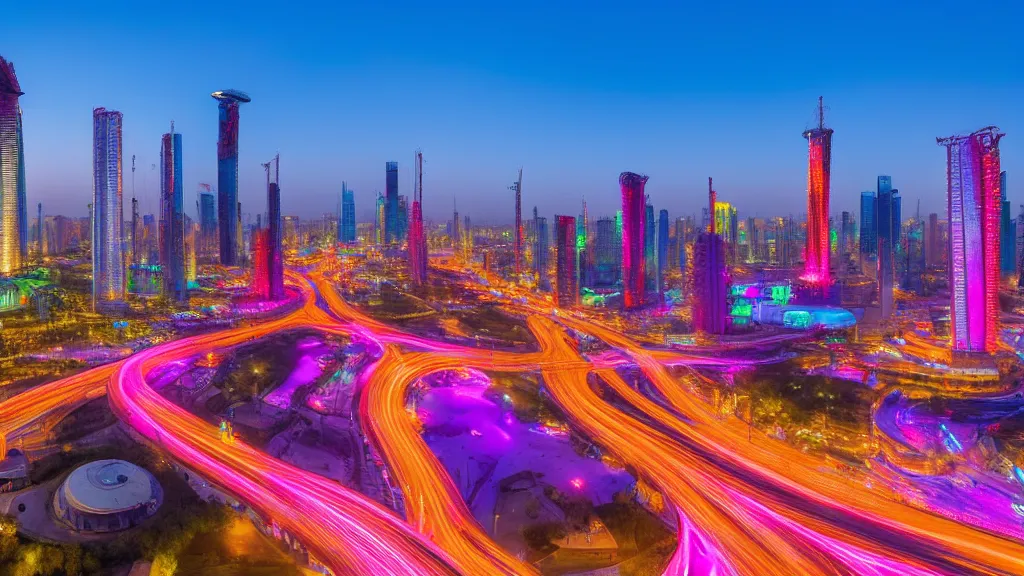
Oskemen is a city where traditional charm meets high-tech aspirations. Known for its sophisticated facade designs that reduce energy consumption, the city is also exploring Maglev integration to streamline the daily commute. While security enhancements are a top priority for local authorities, the city’s stunning natural backdrop near the Altai Mountains provides an unparalleled quality of life for outdoor enthusiasts.
Must-Eat: Altai Trout — fresh from the mountain rivers, typically grilled with local herbs.
Hidden Gem: The Left Bank Ethno-Village, a sprawling park featuring traditional dwellings from the many ethnic groups that call Kazakhstan home.
⭐ Ranking Score: 48/100
7. Shymkent, Kazakhstan
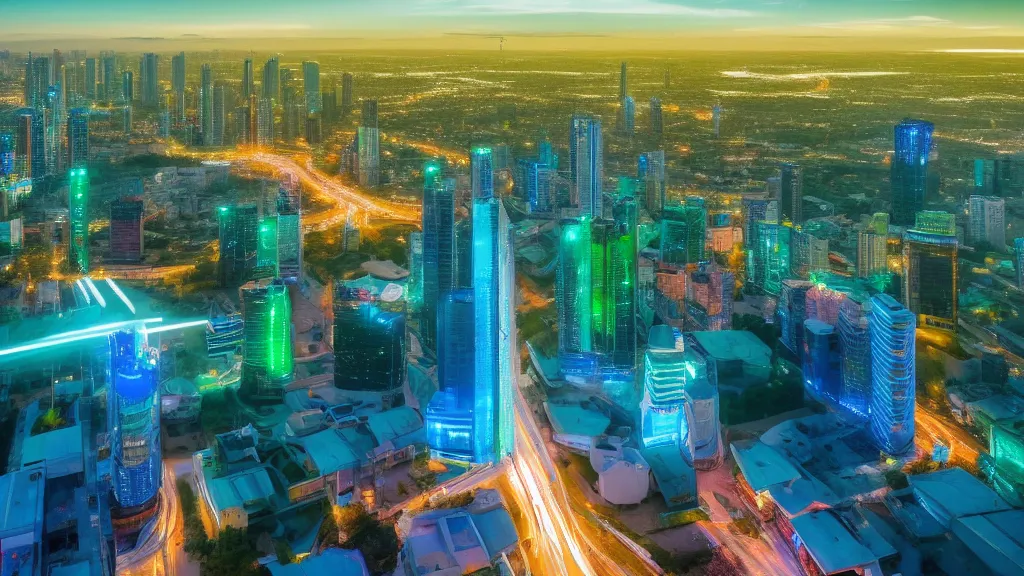
With a vibrant population exceeding one million, Shymkent is the energetic heart of southern Kazakhstan. The city is famous for its hospitality and its clever use of Brise-soleil architecture to stay cool during the sun-drenched summers. Shymkent’s investment in eco-friendly infrastructure is transforming it into a modern metropolis that respects its ancient Silk Road heritage.
Must-Eat: Shymkent Samsa — legendary tandoor-baked pastries stuffed with succulent meat and onions, widely considered the best in the country.
Hidden Gem: The Shymkent Dendropark, a massive botanical collection that offers a lush escape from the bustling city streets.
⭐ Ranking Score: 43/100
8. Taraz, Kazakhstan
Taraz is a living museum, offering a unique blend of historical depth and modern urban planning. The city’s infrastructure strategy focuses on climate resilience, utilizing advanced shading techniques to manage its seasonal temperature swings. For families, Taraz offers a slower pace of life enriched by a profound sense of history and community.
Must-Eat: Kuurdak — a hearty traditional roast of meat and potatoes, perfect for the region's crisp evenings.
Hidden Gem: The Aisha Bibi Mausoleum, an architectural masterpiece of terracotta tilework located just outside the city.
⭐ Ranking Score: 43/100
9. Qostanay, Kazakhstan
Qostanay is making waves with its commitment to sustainable urban growth. By incorporating advanced materials and solar-regulating facades into its newest developments, the city is significantly reducing its carbon footprint. Coupled with a burgeoning tech-driven transportation network, Qostanay is positioning itself as an intelligent choice for the forward-thinking professional.
Must-Eat: Kostanay Beef — the region is known as the breadbasket and cattle heartland of Kazakhstan, producing exceptionally high-quality steaks.
Hidden Gem: The Naurzum Nature Reserve, located nearby, offers a chance to see rare wildlife and pristine steppe landscapes.
⭐ Ranking Score: 42/100
10. Oral, Kazakhstan
Oral, situated on the banks of the Ural River, serves as a unique cultural bridge between Europe and Asia. The city’s urban plan for 2026 emphasizes "desert-smart" architecture to maintain indoor comfort efficiently. With anticipated high-speed transit links and a rich historical district, Oral remains a top contender for those seeking a tranquil yet connected life in Western Kazakhstan.
Must-Eat: Ural River Fish — often served smoked or grilled, the local fish is a staple of the city’s unique riverside cuisine.
Hidden Gem: The Christ the Savior Cathedral, known locally as the "Golden Church," a stunning example of late 19th-century architecture.
⭐ Ranking Score: 42/100
Editorial Note: Our 2026 analysis prioritizes urban adaptability, including Maglev potential, thermal efficiency in building design, and industrial environmental mitigation.
EDITOR'S ADVICE: While Astana and Almaty often steal the spotlight, southern cities like Shymkent offer a much lower cost of living and a warmer social climate—perfect for those who prioritize community and authentic culinary experiences over high-rise living.