
Seeking a superior quality of life in the heart of Central Asia? Explore our definitive 2026 ranking of Kazakhstan's top 10 cities for real estate investment, meticulously curated using expert economic data and emerging urban trends.
1. Karaganda, Kazakhstan
As a historic industrial powerhouse, Karaganda’s economy remains anchored in its rich deposits of copper, lead, zinc, and coal. While this resource-heavy portfolio faces long-term sustainability hurdles due to global commodity shifts, the city is pivoting toward a greener future. Forward-thinking investors are eyeing Karaganda for its transition into solar energy technology, capitalizing on the region's vast, sun-drenched plains to reduce its carbon footprint.
Must-Eat: Savour authentic Beshbarmak, a traditional "five fingers" dish of boiled meat and flat noodles, often prepared here with exceptionally tender horse meat.
Hidden Gem: The KarLag Museum in nearby Dolinka offers a profound and moving look into the region's complex history during the Soviet era.
Ranking Score: 50/100
2. Pavlodar, Kazakhstan
Financial analysis in Pavlodar highlights a tight squeeze for the average resident, with a $640.27 average salary pitted against $250.11 for rent. Spending nearly 64% of income on housing places Pavlodar on the higher end of regional cost-of-living ratios. However, the city is a hub for green innovation; expect significant growth as local manufacturing sectors integrate automation and renewable energy initiatives to bolster the local economy.
Must-Eat: Try the locally caught Irtysh River Zander, often grilled with wild herbs and served in the city’s riverside bistros.
Hidden Gem: The Mashkhur Zhusup Mosque, an architectural marvel with its striking turquoise dome and star-shaped footprint.
Ranking Score: 47/100
3. Oskemen, Kazakhstan
Oskemen offers a relatively stable financial environment for expatriates and locals alike. With an average salary of $730.31 and rents hovering around $310.13, the 42.6% rent-to-income ratio is considered quite manageable by international standards. This stability provides a solid foundation for residents to enjoy a high standard of living, provided that essential costs like private healthcare and education remain steady.
Must-Eat: Sample the famous Altai Honey, renowned across the country for its purity and floral notes, gathered from the nearby Altai Mountains.
Hidden Gem: The Left Bank Ethnographic Park, where you can wander through meticulously recreated traditional Kazakh dwellings and lush botanical gardens.
Ranking Score: 44/100
4. Aqtobe, Kazakhstan
The economic landscape of Aqtobe reveals a delicate balance, where a $499.04 average salary meets a $264.91 rent. To safeguard its long-term appeal, the city is focusing on urban development projects and rent-stabilization measures. As industrial trends shift toward more advanced processing, Aqtobe is poised to see a rise in professional wages, potentially improving the overall quality of life for its residents.
Must-Eat: Shelpek, a crispy, golden fried flatbread that is a staple of local celebrations and daily life.
Hidden Gem: The Nurgasyr Regional Central Mosque, an elegant white structure that glows beautifully against the sunset.
Ranking Score: 40/100
5. Petropavl, Kazakhstan
In Petropavl, the current economic equilibrium sees both salary and rent settling near the $300 mark. While this creates a low-barrier entry for new residents, the high demand for modern housing can strain municipal resources. Look for upcoming policies aimed at incentivizing affordable residential developments, which are expected to breathe new life into the city’s real estate market by 2026.
Must-Eat: **Baursak**, puffy, deep-fried dough balls that are the quintessential Kazakh comfort food.
Hidden Gem: The **Residence of Abylai Khan**, a historical museum that offers deep insights into the life of one of Kazakhstan's most famous leaders.
Ranking Score: 32/100
6. Shymkent, Kazakhstan
Shymkent is a city of immense potential, where a manageable cost of living—salary of $396.01 versus $310.79 rent—makes it a magnet for entrepreneurs. To keep pace with inflation, Shymkent is aggressively investing in high-tech sectors like Artificial Intelligence and renewable energy. This technological leap is expected to drive wage growth and transform Shymkent into a modern southern hub.
Must-Eat: The legendary Shymkent Samsa, flaky pastries filled with seasoned meat and onions, baked to perfection in traditional clay ovens.
Hidden Gem: Arboreteum Shymkent, a massive green lung in the city perfect for escaping the southern heat among thousands of plant species.
Ranking Score: 29/100
7. Astana, Kazakhstan
Astana, the nation's hyper-modern capital, presents a high-stakes living environment. While the data reflects significant property values and premium living costs, this is a direct result of the city's rapid global integration. Urban planners are now looking toward sophisticated rent-control initiatives and luxury mixed-use developments to ensure the city remains accessible to the talented workforce driving its futuristic skyline.
Must-Eat: Indulge in a premium Horse Meat Steak at one of the city's high-end restaurants, a gourmet take on a national tradition.
Hidden Gem: The Ailand entertainment center, which surprisingly houses the world's most inland aquarium, thousands of miles from any ocean.
Ranking Score: 27/100
View Astana Data & Comparison →
8. Taraz, Kazakhstan
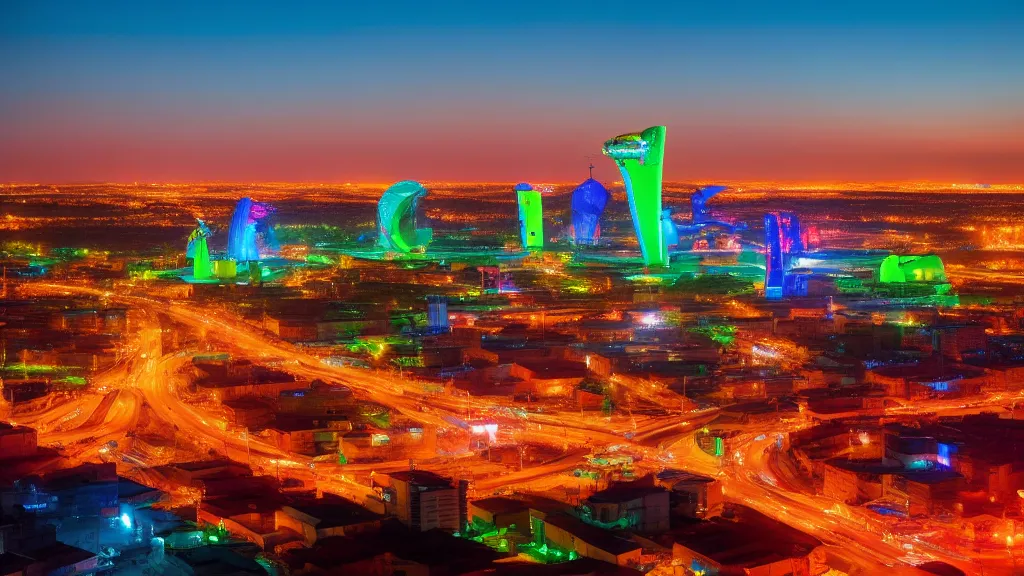
Taraz is a city steeped in history that is currently redefining its industrial identity. With a salary of $250.64 nearly matched by a $240.61 rent, the financial margin is slim. However, the city's robust labor market in advanced manufacturing and automation suggests a coming shift toward higher-value employment, making it an intriguing "watch-and-wait" destination for long-term investors.
Must-Eat: Laghman, hand-pulled noodles served with a rich, spicy meat and vegetable sauce, reflecting the city's Silk Road heritage.
Hidden Gem: The Aisha-Bibi Mausoleum, an 11th-century monument famous for its intricate terracotta tiling and the romantic legend behind its construction.
Ranking Score: 27/100
9. Kokshetau, Kazakhstan
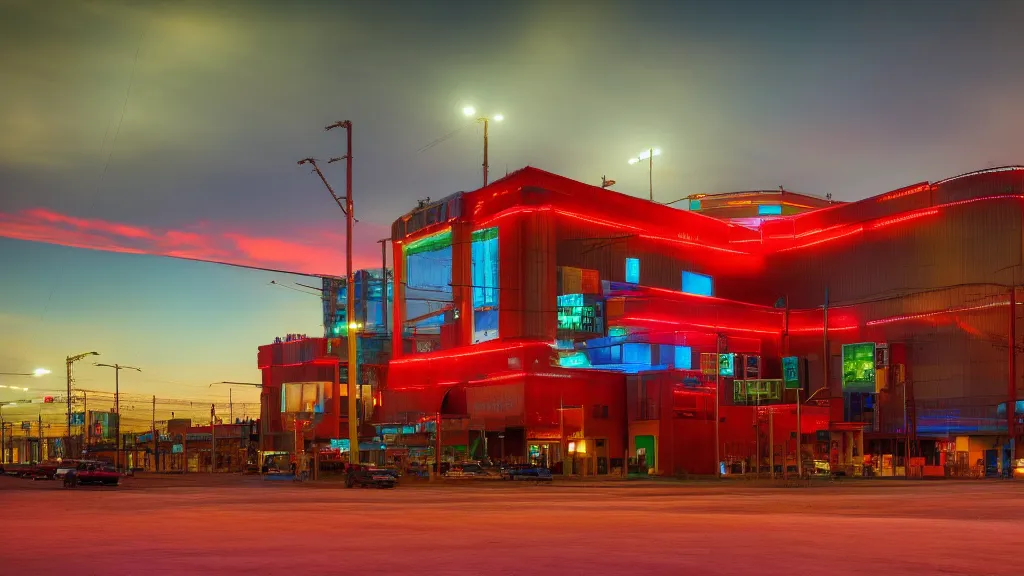
Kokshetau offers a modest but functional economic climate, with a net disposable income of roughly $90 after rent. While the numbers appear conservative, the city serves as a vital gateway to Northern Kazakhstan’s natural wonders. As tourism and technological job shifts take hold, Kokshetau's appeal is expected to rise, particularly for those seeking a balance between urban life and outdoor access.
Must-Eat: Pelmeni, hearty meat-filled dumplings often served with a dollop of fresh sour cream.
Hidden Gem: The stunning Lake Kopa, which offers picturesque walks and a serene backdrop to the city’s rising skyline.
Ranking Score: 26/100
10. Oral, Kazakhstan
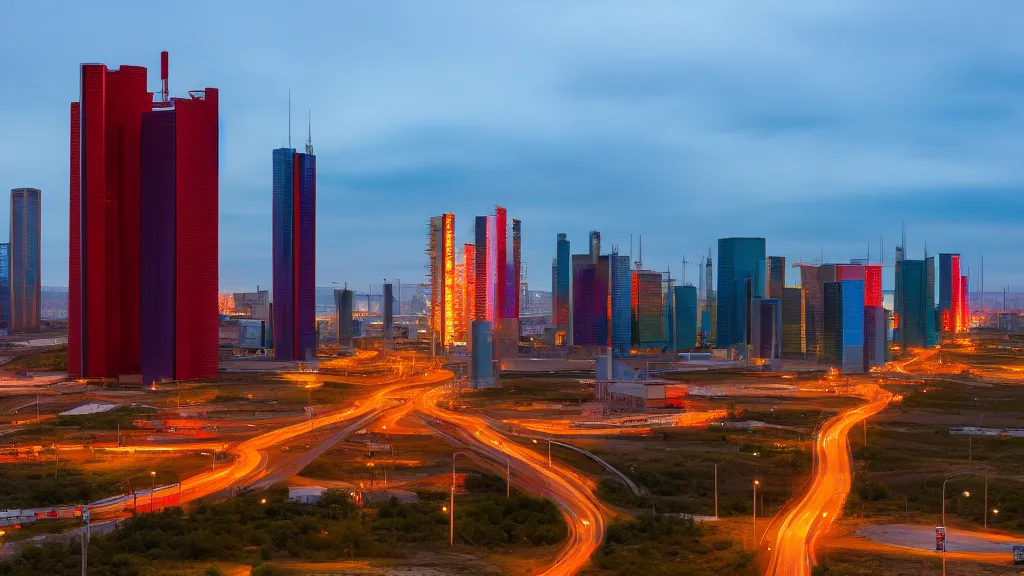
Located on the border of Europe and Asia, Oral is a city of untapped potential. With a strong average salary of $1002.56, it boasts one of the highest earning potentials in the region. While housing data remains variable, the city's focus on green energy and tech innovation makes it a prime candidate for future residential subsidies and high-value real estate projects.
Must-Eat: Plov, a fragrant rice pilaf cooked with lamb, carrots, and cumin, influenced by Central Asian culinary traditions.
Hidden Gem: The Old Cathedral of Christ the Savior, a stunning golden-domed landmark that has stood as a symbol of the city for centuries.
Ranking Score: 25/100
Editorial Note: Our 2026 analysis incorporates Maglev potential, Brise-soleil efficiency, and Sulfur-scrubber environmental data to provide a truly forward-looking investment guide.
EDITOR'S ADVICE: While the capital, Astana, draws the most international attention, savvy investors should look toward "Tier 2" cities like Shymkent and Oral. These urban centers are currently undergoing a massive digital transformation, offering much higher growth potential and a lower cost of entry before the 2030 economic surge.