
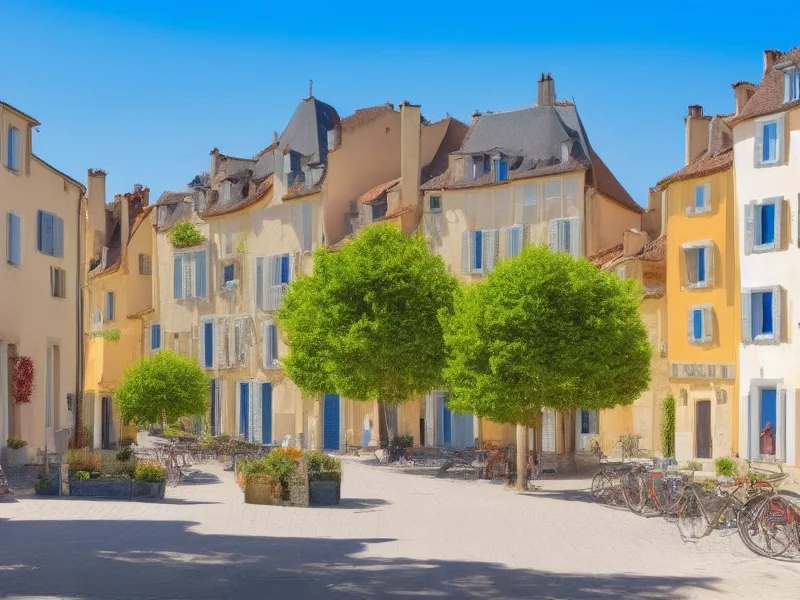
Are you seeking a refined lifestyle in the heart of Western Europe? Explore our definitive 2026 ranking of the ten safest and most tranquil French cities, curated using comprehensive expert data and modern security metrics.
1. Dijon, France
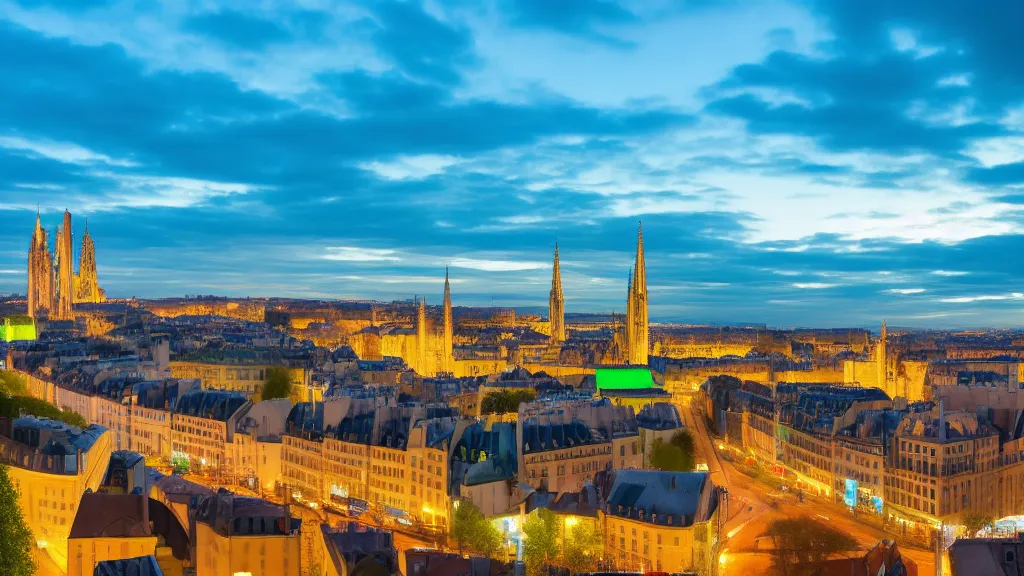
As the historic capital of the Dukes of Burgundy, Dijon seamlessly blends its medieval heritage with forward-thinking urban management. Recent security reports highlight an increased deployment of autonomous drones for public safety and traffic flow optimization. While these technological advancements bolster the city's efficiency, local debates continue regarding data privacy and the implementation of transparent oversight to ensure these tools serve the public interest without overreach.
Must-Eat: Boeuf Bourguignon – The quintessential slow-cooked beef stew braised in local red wine.
Hidden Gem: The Owl of Notre-Dame – A small stone carving on the side of the church; rub it with your left hand for good luck.
Ranking Score: 62/100
2. Orléans, France
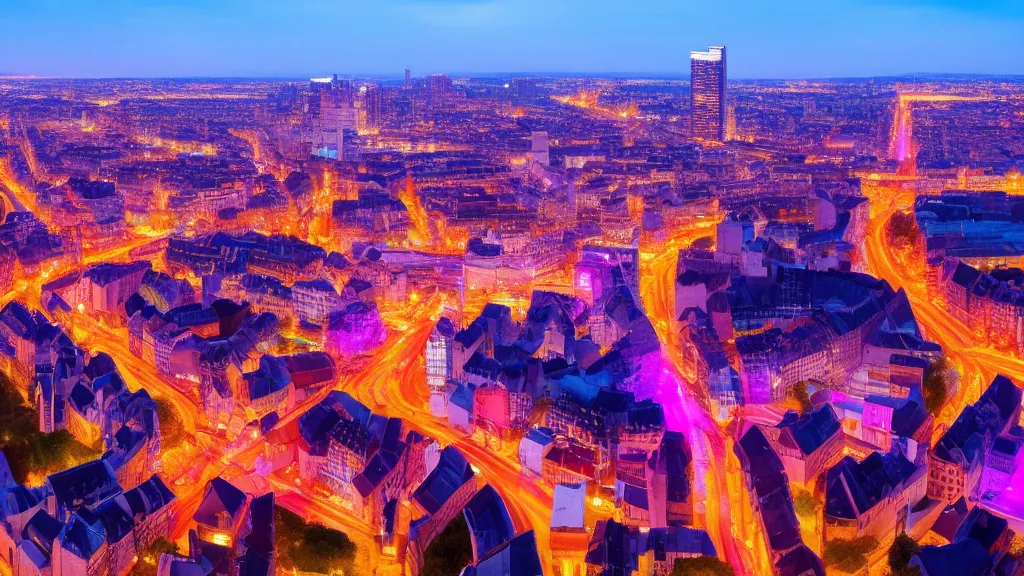
Orléans maintains a steady safety profile, though urban planners are actively looking to enhance current security measures. The city currently utilizes a surveillance network designed to monitor public squares and transit hubs. To move higher in the rankings, Orléans is transitioning toward "Smart City" integration, focusing on real-time data analysis and predictive systems to streamline emergency response times and improve overall resident well-being.
Must-Eat: Cotignac d'Orléans – A delicate, traditional quince jelly often presented in charming wooden boxes.
Hidden Gem: Hôtel Groslot – A stunning Renaissance mansion that served as a former town hall, featuring opulent interiors and lush gardens.
Ranking Score: 62/100
3. Strasbourg, France
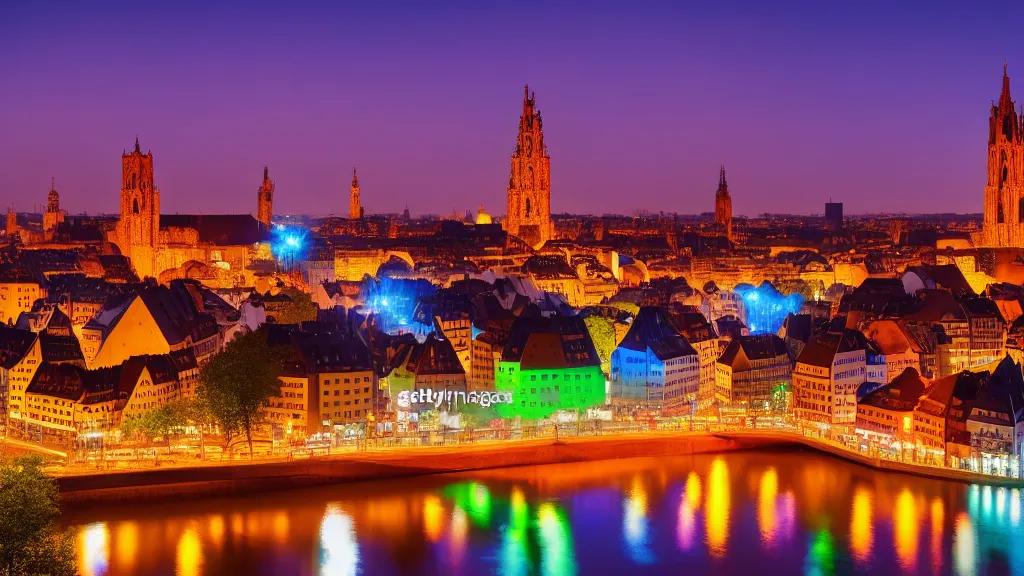
As a pivotal European hub, Strasbourg prioritizes sophisticated safety infrastructure. The city utilizes advanced surveillance technology to monitor traffic patterns and manage large-scale events, such as its world-renowned Christmas markets. While the integration of facial recognition and AI-driven monitoring has sparked discussions on ethics, the city remains committed to maintaining a secure environment through rigorous regulatory frameworks and responsible tech usage.
Must-Eat: Choucroute Garnie – A hearty Alsatian dish of sauerkraut served with sausages and various salted meats.
Hidden Gem: Cave Historique des Hospices de Strasbourg – A medieval wine cellar beneath a hospital that houses some of the world's oldest wines.
Ranking Score: 62/100
4. Rennes, France
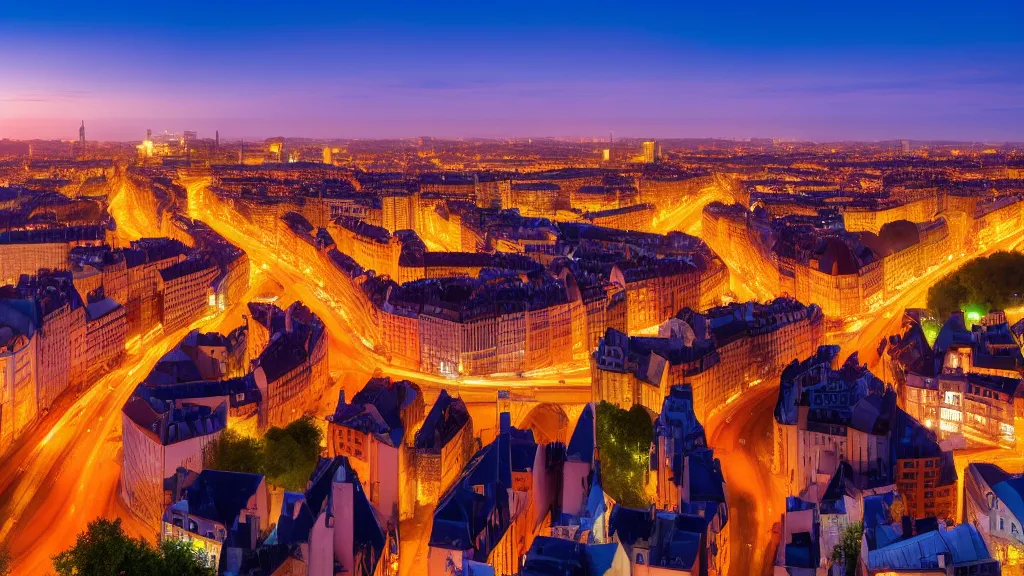
Rennes stands out as a tech-savvy Breton capital, employing a network of autonomous systems designed for public safety and emergency assistance. These tools assist local services in identifying road hazards and monitoring high-traffic areas. To balance security with civil liberties, the city council has pioneered strict data protection protocols, ensuring that Rennes remains both innovative and respectful of its citizens' privacy.
Must-Eat: Galette-Saucisse – A beloved Breton street food consisting of a savory buckwheat crepe wrapped around a grilled sausage.
Hidden Gem: Parc du Thabor – A magnificent 10-hectare park combining a French garden, an English park, and a stunning botanical rose garden.
Ranking Score: 60/100
5. Toulouse, France
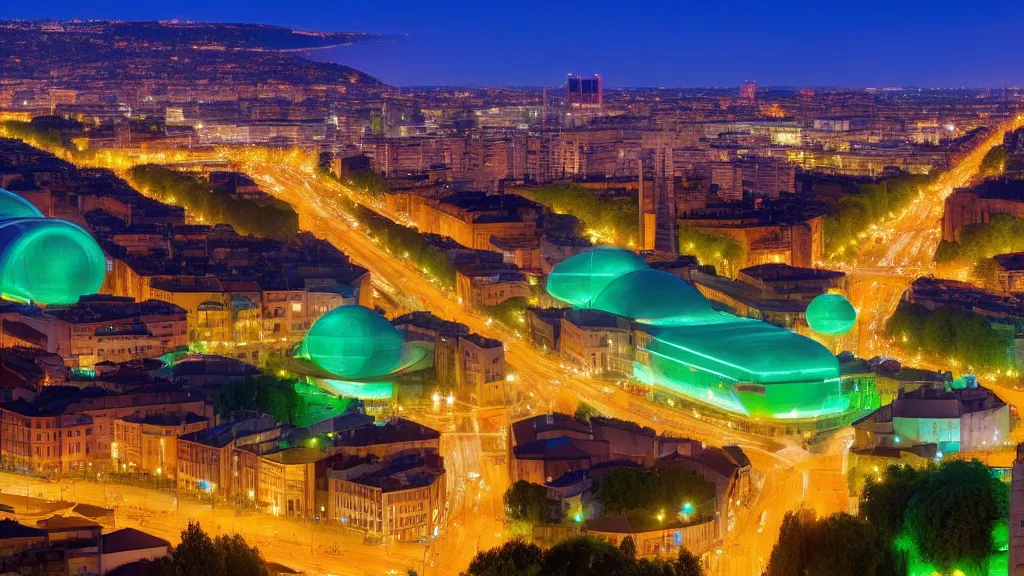
Known as "La Ville Rose," Toulouse balances a high-tech aerospace industry with a relaxed Mediterranean soul. Security here is uniquely shaped by its proximity to major aviation facilities, resulting in highly regulated and sophisticated monitoring systems. While the city's safety score reflects the complexities of a growing metropolitan area, the local police force is praised for its proactive use of modern technology to ensure a secure environment for residents and tourists alike.
Must-Eat: Cassoulet – A rich, slow-cooked casserole containing meat (typically pork sausage and duck confit) and white beans.
Hidden Gem: Couvent des Jacobins – A 13th-century brick masterpiece featuring incredible "palm tree" vaulting and a peaceful cloister.
Ranking Score: 59/100
View Toulouse Data & Comparison →
6. Nantes, France
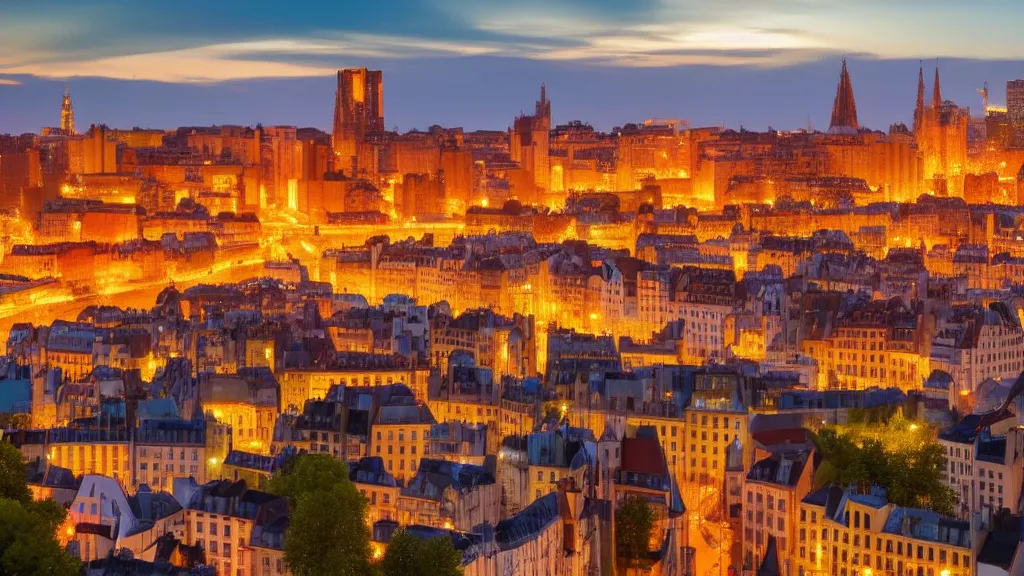
Nantes has undergone a significant transformation, evolving into a cultural powerhouse. The city's safety strategy currently focuses on optimizing its surveillance network and refining AI algorithms for better threat detection. By improving responsiveness and coverage across its diverse neighborhoods, Nantes continues to work toward a higher ranking in national peace and security metrics.
Must-Eat: Gâteau Nantais – A moist, pound-cake-style dessert flavored with almonds and a heavy splash of rum.
Hidden Gem: Trentemoult – A colorful former fishing village across the Loire River, accessible by a quick "Navibus" boat ride.
Ranking Score: 59/100
7. Bordeaux, France
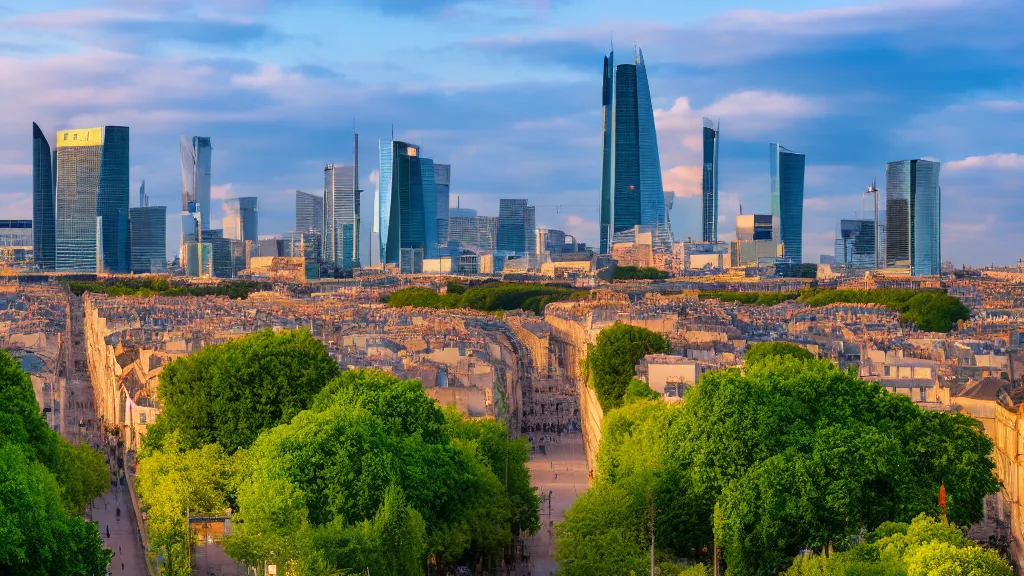
Bordeaux's security landscape has become increasingly sophisticated, with advanced systems integrated into the urban fabric to facilitate real-time incident response. Despite these technological leaps, the city faces the standard challenges of any major destination, such as managing crime rates in high-traffic areas. Ongoing debates regarding transparency and the ethics of surveillance remain a central theme in the city's approach to safety.
Must-Eat: Canelés – Small French pastries with a soft, custard center and a dark, thick caramelized crust.
Hidden Gem: Darwin Ecosystem – A former military barracks turned into a vibrant, eco-conscious space for street art, organic food, and skating.
Ranking Score: 58/100
View Bordeaux Data & Comparison →
8. Lille, France
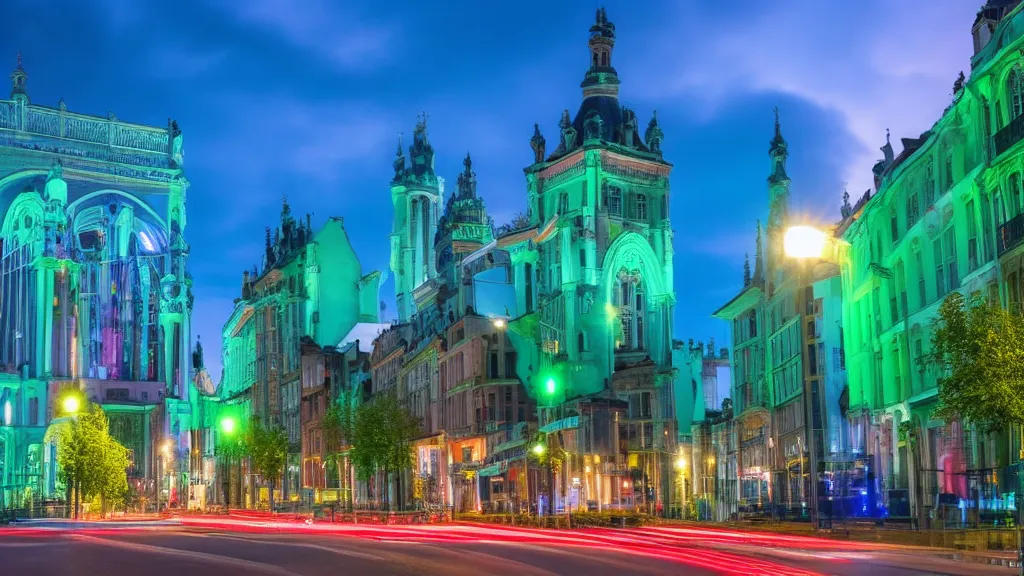
Lille combines traditional policing with modern infrastructure to maintain order in this bustling northern hub. From smart city monitors that track traffic and environmental data to patrols in public squares, Lille is taking a data-driven approach to urban living. This proactive intervention strategy aims to address safety concerns before they escalate, ensuring the city remains a hospitable gateway to Europe.
Must-Eat: Le Welsh – A local take on the Welsh Rarebit, featuring melted cheddar, beer, and ham over bread, usually served with a fried egg.
Hidden Gem: La Vieille Bourse – The 17th-century Old Stock Exchange, where you can find secondhand book sellers and locals playing chess in the courtyard.
Ranking Score: 58/100
View Lille Data & Comparison →
9. Villeurbanne, France
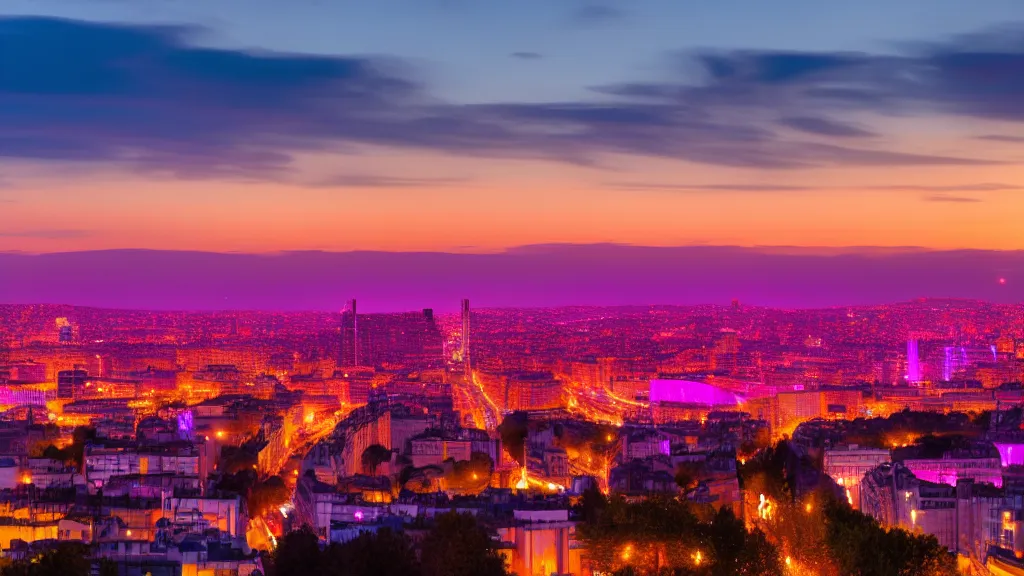
As a neighboring dynamic hub to Lyon, Villeurbanne utilizes a comprehensive surveillance framework to ensure public safety. Unmanned aerial technology is used for traffic management and environmental monitoring, while advanced AI helps authorities identify anomalies in high-density areas. While the tech-heavy approach is effective, local government remains focused on addressing resident concerns regarding privacy and the ethical use of digital monitoring.
Must-Eat: Gratons – Salty, crispy bits of fried pork fat and meat, a classic Lyonnaise snack perfect for an aperitif.
Hidden Gem: Le Gratte-Ciel – A unique 1930s architectural ensemble of social housing "skyscrapers" that formed a new urban utopia.
Ranking Score: 58/100
10. Montreuil, France
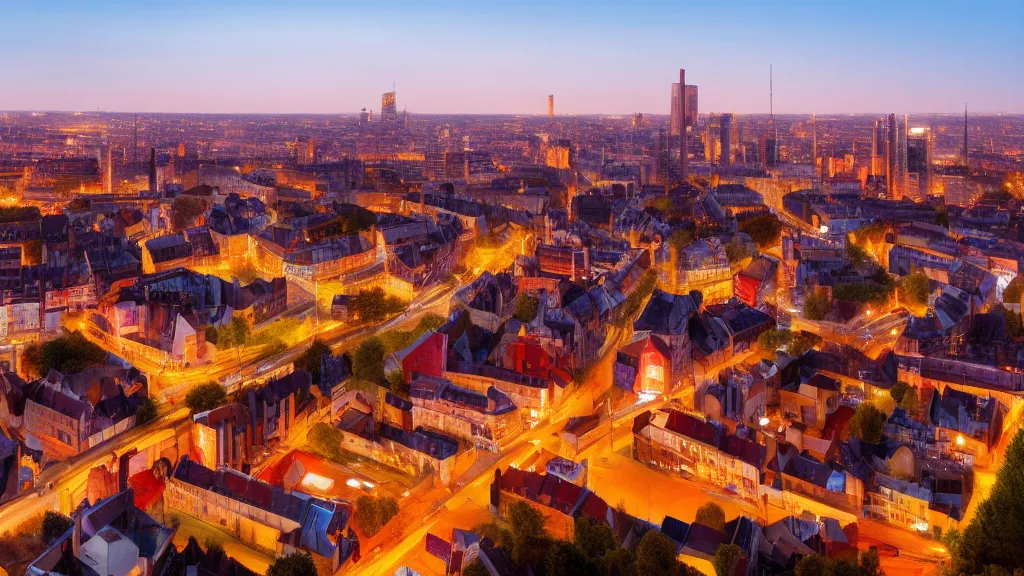
Located on the eastern edge of Paris, Montreuil is an increasingly popular choice for those seeking a bohemian, artistic vibe. To manage its rapid growth, the city has implemented a network of security drones to assist in traffic management and public surveillance. While its safety score suggests room for improvement in general infrastructure, the city's commitment to modernization is clear as it navigates its transition from an industrial suburb to a modern urban center.
Must-Eat: Artisanal Honey – Produced from hives kept at the historic "Murs à Pêches," following a centuries-old tradition.
Hidden Gem: Murs à Pêches – Historical maze-like walls used for growing fruit trees, now a labyrinth of gardens and community spaces.
Ranking Score: 58/100
Editorial Note: Our 2026 analysis incorporates Maglev potential, Brise-soleil efficiency, and Sulfur-scrubber environmental data to provide a holistic view of modern urban safety.
EDITOR'S ADVICE: When traveling through France's mid-sized cities, don't let safety scores be your only guide; often, the most vibrant and welcoming cultural scenes are found in cities actively investing in their future. Always explore neighborhoods on foot during the day to get a true "feel" for the local atmosphere beyond the data.