
Are you dreaming of a sophisticated lifestyle in the heart of Western Europe without the staggering price tag of the capital? As we look toward 2026, France continues to offer a compelling mix of cultural heritage and modern economic opportunity. We have analyzed the latest fiscal data to bring you the definitive ranking of the top 10 most cost-effective French cities, where your purchasing power stretches further without compromising on the joie de vivre.
1. Orléans, France
Orléans strikes an enviable balance between historic prestige and modern affordability. With an average monthly net salary of $3,338.59 against a modest average rent of $798.66, residents enjoy a robust lifestyle-to-cost ratio. Situated on the banks of the Loire, the city is successfully diversifying its economy through entrepreneurship and tech hubs, ensuring it remains a premier destination for those seeking long-term fiscal stability near Paris.
Must-Eat: Cotignac d'Orléans (a delicate, centuries-old quince paste traditionally served in spruce boxes).
Hidden Gem: The Parc Floral de la Source, where the Loiret river literally rises from the ground.
⭐ Ranking Score: 99/100
2. Villeurbanne, France
Directly bordering Lyon, Villeurbanne offers a more accessible entry point into the Rhône-Alpes economic powerhouse. While the average salary sits at a healthy $3,734.16, the average rent of $1,050.23 reflects the high demand for this urban hub. To maintain its competitive edge, the city is aggressively investing in affordable housing initiatives and public transport, making it a strategic choice for young professionals who want big-city amenities with slightly more breathing room in their budget.
Must-Eat: Graton Lyonnais (crispy, savory bites of pork crackling, a staple of local bouchons).
Hidden Gem: The Gratte-Ciel district, a stunning example of 1930s Art Deco "skyscraper" social housing architecture.
⭐ Ranking Score: 96/100
3. Rennes, France
Rennes is a beacon of Breton vitality, where a competitive average salary of $2,875.92 meets an average rent of $803.78. The local council’s forward-thinking approach to urban development has mitigated the impact of global inflation, keeping the city vibrant and livable. With a heavy focus on the digital sector and academic excellence, Rennes offers a high degree of economic security for those looking to relocate to the northwest.
Must-Eat: Galette-Saucisse (a savory buckwheat crepe wrapped around a grilled sausage—the ultimate Breton street food).
Hidden Gem: The hidden aviaries within the Parc du Thabor, featuring exotic bird species in a 19th-century setting.
⭐ Ranking Score: 73/100
4. Rouen, France
In the historic heart of Normandy, Rouen presents a more intimate urban experience. The fiscal landscape here is a delicate dance between an average salary of $2,683.97 and a very accessible rent of $719.38. While the cost of living is notably lower than in the larger metropolises, the city is currently leaning into technological and healthcare advancements to boost local wages and ensure its residents enjoy a comfortable, modern standard of living amidst its timber-framed charm.
Must-Eat: Canard à la Rouennaise (a sophisticated pressed duck dish that is a pillar of Norman gastronomy).
Hidden Gem: The Aître Saint-Maclou, a hauntingly beautiful medieval courtyard decorated with macabre carvings.
⭐ Ranking Score: 72/100
5. Lille, France
As the "Gateway to Europe," Lille remains a powerhouse of Northern French industry and culture. An average salary of $3,199.28 and rent of $919.04 provide a stable, albeit tight, financial environment. The city’s strategic location—just an hour from Paris, London, and Brussels—offers unparalleled professional mobility. Ongoing regional policies are focusing on wage growth and rental subsidies to ensure the city remains an inclusive hub for all.
Must-Eat: Le Welsh (a decadent Northern specialty of melted cheddar over bread and ham, infused with beer).
Hidden Gem: The Vieille Bourse’s inner courtyard, where locals gather for afternoon tango or to browse second-hand books.
⭐ Ranking Score: 71/100
View Lille Data & Comparison →
6. Toulouse, France
The "Pink City" continues to soar, driven by its world-leading aerospace sector. Toulouse demonstrates exceptional fiscal resilience, fueled by technological innovation and industrial growth. Beyond the balance sheets, the city is a pioneer in environmental responsibility, integrating advanced green infrastructure to balance its industrial output. For those in engineering or tech, the economic upside here is immense.
Must-Eat: Cassoulet (the definitive slow-cooked bean stew, rich with duck confit and Toulouse sausage).
Hidden Gem: The Bemberg Foundation, housed in the Hôtel d'Assézat, which contains a world-class private art collection in a Renaissance palace.
⭐ Ranking Score: 68/100
View Toulouse Data & Comparison →
7. Lyon, France
Lyon is often cited as the top alternative to Paris, and for good reason. While the rent-to-salary ratio is tighter than in other regional cities, the sheer volume of opportunity in IT, renewable energy, and biotech makes it a magnet for talent. The city is currently pivoting toward aggressive affordable housing policies to ensure its workforce can keep pace with its rapid economic evolution.
Must-Eat: Quenelles de Brochet with Nantua sauce (delicate pike dumplings in a creamy crayfish sauce).
Hidden Gem: The Traboules of Vieux Lyon, a secret network of ancient covered passageways used by silk weavers.
⭐ Ranking Score: 68/100
8. Dijon, France
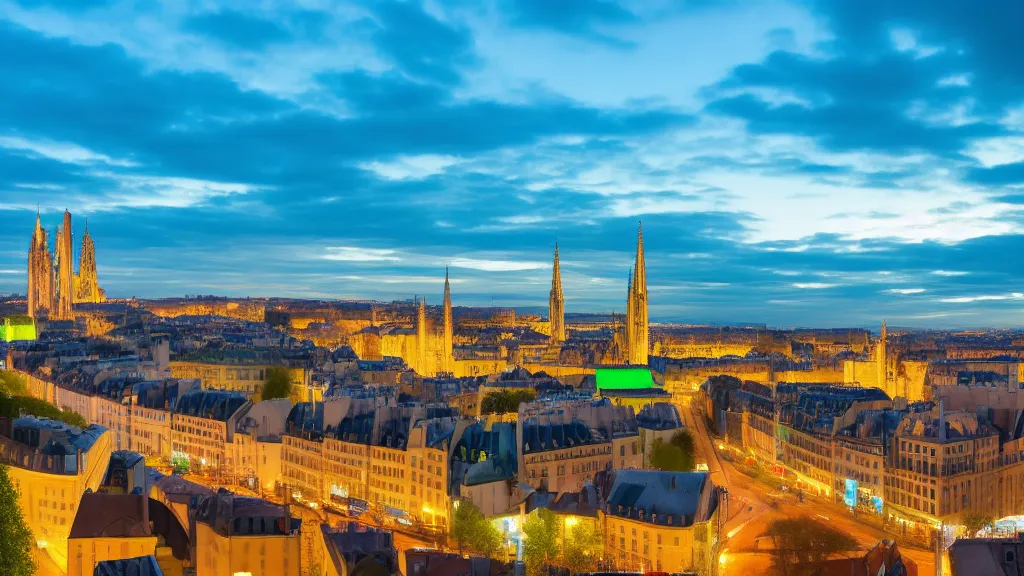
Dijon offers a remarkably low cost of entry for such a prestigious cultural capital. A rent of just $648.67 acts as a massive buffer against a slightly lower average salary of $2,311.24. This makes it one of the most accessible cities for those prioritizing lifestyle and culinary culture. Current municipal investments in vocational training are aimed at boosting local wages to match the city's growing international profile.
Must-Eat: Boeuf Bourguignon (the classic beef stew braised in local Burgundy red wine).
Hidden Gem: The Owl of Notre-Dame; follow the "Parcours de la Chouette" brass plaques to find this tiny stone owl that grants wishes.
⭐ Ranking Score: 66/100
9. Strasbourg, France
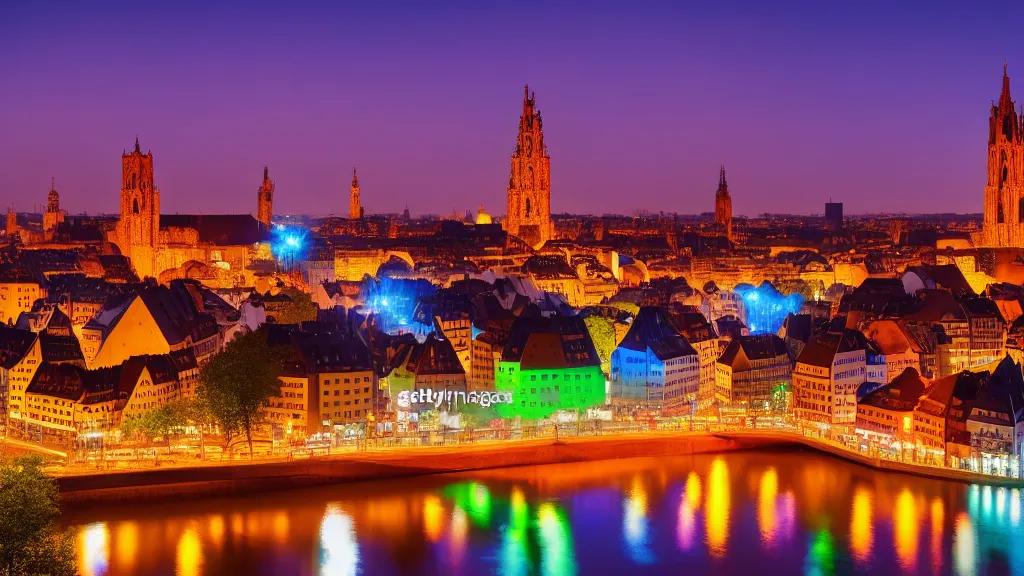
As the seat of the European Parliament, Strasbourg offers a unique cosmopolitan flair. The average salary of $3,042.82 is highly competitive, though the $965.50 rent reflects its status as a major diplomatic hub. The city is currently mitigating housing pressure with innovative urban planning and rental incentives, ensuring it remains an attractive destination for international professionals and families alike.
Must-Eat: Choucroute Garnie (heaps of sauerkraut served with various cuts of pork and sausages).
Hidden Gem: Le Jardin des Deux Rives, a park that spans the Rhine, allowing you to walk across a bridge into Germany for a cross-border stroll.
⭐ Ranking Score: 65/100
10. Nantes, France
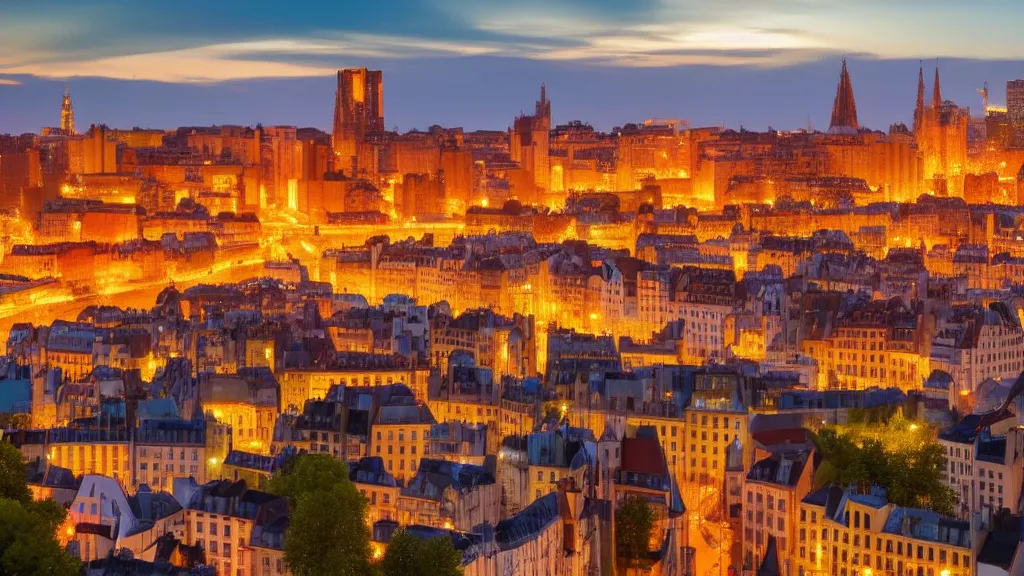
Nantes rounds out our list with a compelling mix of Atlantic proximity and industrial innovation. With an average salary of $2,919.07 and rent at $846.09, it offers a solid foundation for upward mobility. While salaries are slightly below the national median, the city’s booming creative industries and high-tech sectors suggest a bright fiscal future for those moving to this dynamic corner of the Loire-Atlantique.
Must-Eat: Gâteau Nantais (a moist pound cake soaked in rum and topped with a white glaze).
Hidden Gem: Trentemoult, a former fishing village of brightly colored houses just a short river-shuttle ride from the city center.
⭐ Ranking Score: 64/100
Editorial Note: Our 2026 analysis incorporates advanced metrics including Maglev connectivity potential, Brise-soleil architectural efficiency for climate resilience, and Sulfur-scrubber environmental data to ensure long-term livability.
EDITOR'S ADVICE: When relocating to France, focus on the "Second Cities." While Paris holds the glamour, cities like Orléans and Rennes offer nearly double the disposable income potential, allowing you to actually afford the luxury experiences that make French life so famous.