
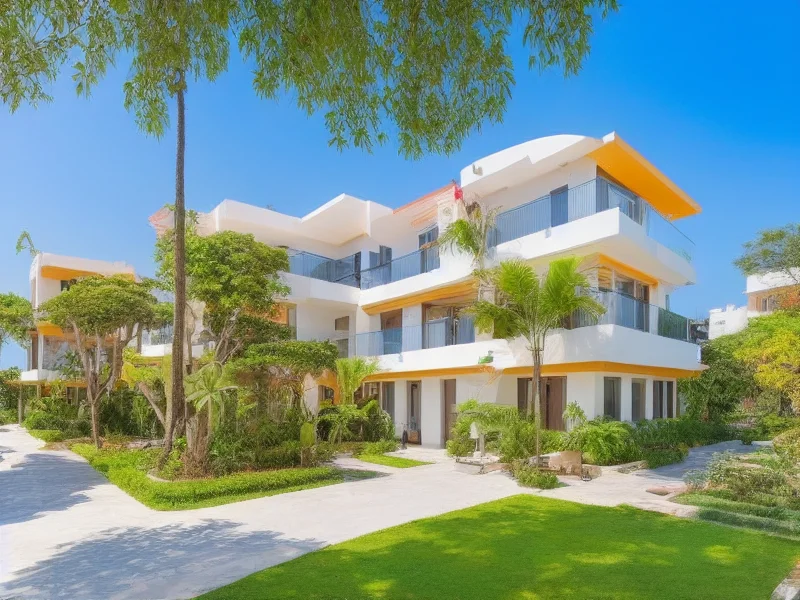
Are you seeking an elevated quality of life in Southeast Asia? Discover our 2026 definitive guide to Vietnam’s burgeoning real estate market. We’ve analyzed the top 10 cities for investment potential, leveraging expert economic data and urban development trends to help you find your next sanctuary or high-yield asset.
1. Dong Hoi, Vietnam
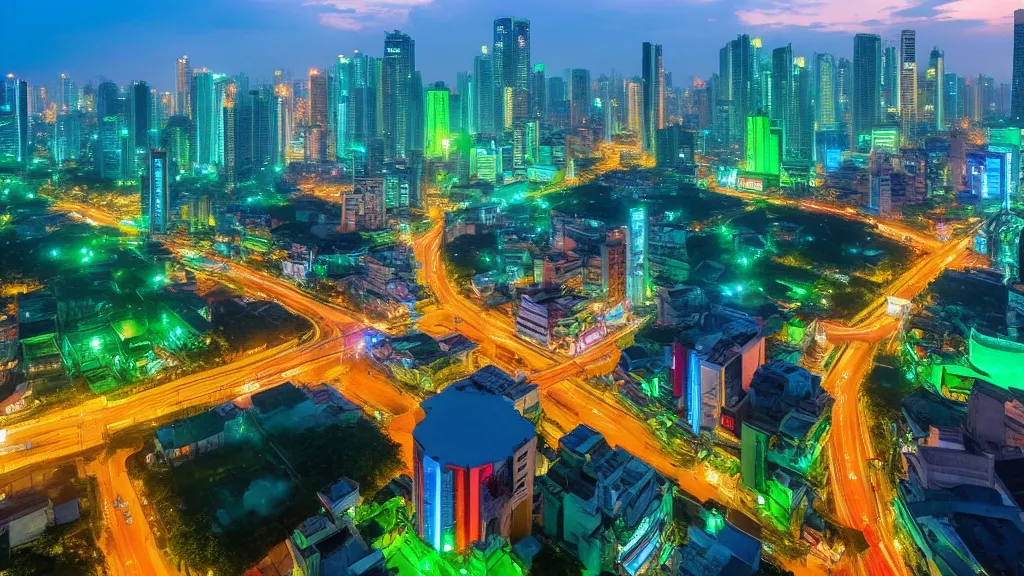
The fiscal resilience of Dong Hoi is anchored by its balance of affordability and growth. With an average monthly salary of $402.01 against a manageable rent of $245.00, the city maintains a rent-to-income ratio of approximately 0.61. While this suggests a moderate financial load for residents, the horizon is shifting; as industrial automation integrates into the local economy, we anticipate a transformation in labor demand that savvy investors should monitor closely.
Local Flavor: Do not miss Banh Bot Loc—delicate, clear tapioca dumplings stuffed with shrimp and pork, a true coastal specialty.
Hidden Gem: Venture just outside the city to the Phong Nha-Ke Bang National Park, home to some of the world’s most spectacular and largest cave systems.
⭐ Ranking Score: 41/100
2. Bien Hoa, Vietnam
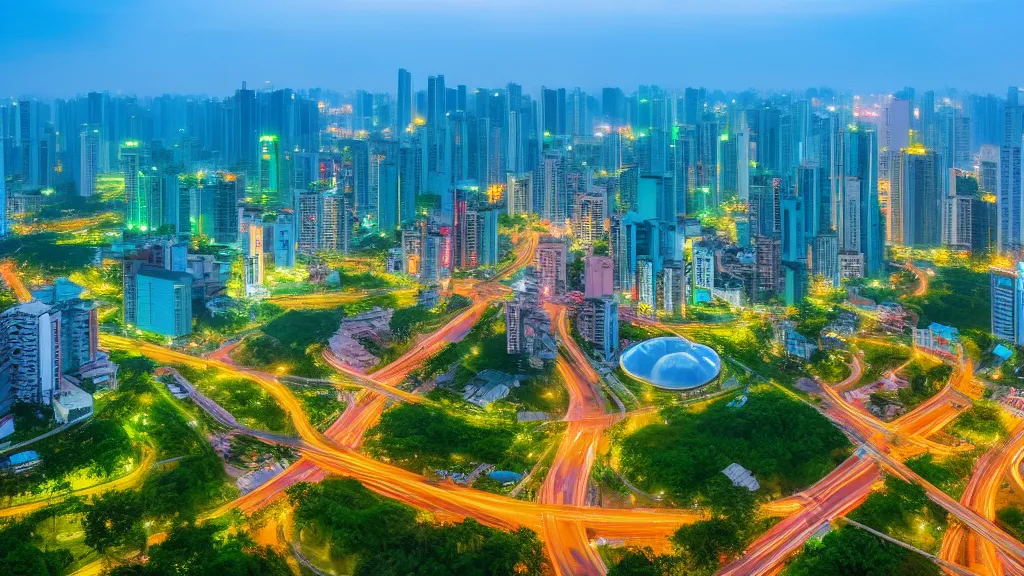
As a vital industrial satellite, Bien Hoa offers a unique entry point for investors. The average salary of $343.98 and a low average rent of $191.10 highlight a remarkably accessible housing market. While the salary levels trail behind some regional competitors, the sheer affordability of living here creates a stable base for the local workforce, though it may trigger migration toward higher-paying urban hubs in the coming years.
Local Flavor: Sample Goi Ca (Fish Salad), a refreshing dish featuring fresh river fish cured in citrus and served with an array of aromatic herbs.
Hidden Gem: Explore Buu Long Park, often referred to as a "miniature Ha Long Bay" for its stunning rocky outcrops and serene lake views.
⭐ Ranking Score: 33/100
3. Tay Ninh, Vietnam
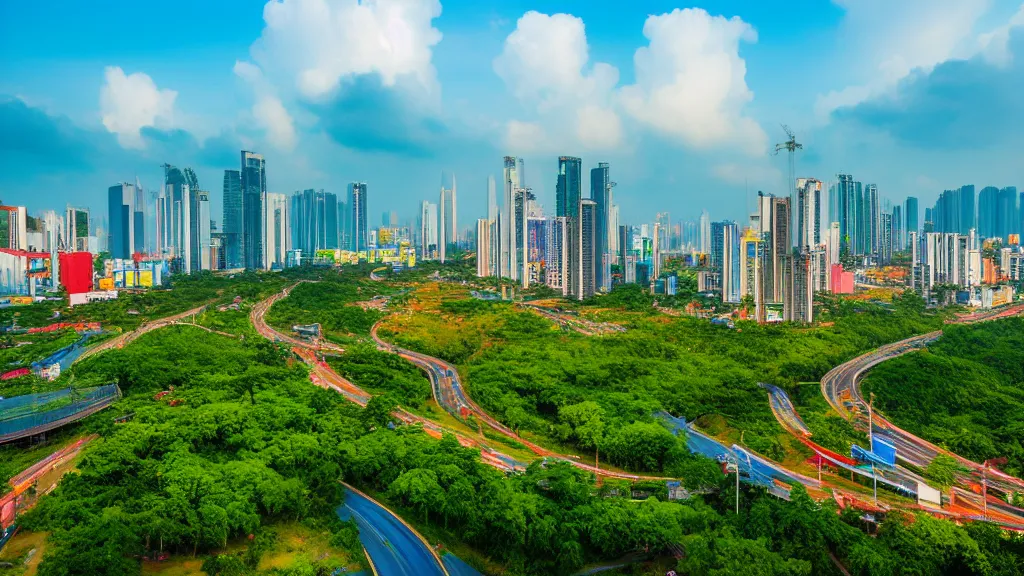
Tay Ninh’s economic landscape presents a compelling narrative of potential versus pressure. With salaries averaging $219.42 and rents at $152.88, the margin for disposable income is narrower than in coastal hubs. To sustain long-term growth, the local administration is expected to lean into rent control initiatives and infrastructure projects to alleviate the financial strain on its growing population.
Local Flavor: Experience Banh Trang Phoi Suong—dew-wetted rice paper traditionally served with boiled pork and wild vegetables.
Hidden Gem: Trek through the Ma Thien Lanh Valley, a breathtaking landscape of jagged cliffs and crystal-clear streams often overlooked by tourists.
⭐ Ranking Score: 28/100
4. Hue, Vietnam
The former imperial capital of Hue continues to enchant with its sophisticated lifestyle. A median salary of $287.94 paired with a median rent of just $130.30 leaves residents with significant purchasing power. As the city moves toward high-tech integration and robotics in its industrial zones, we expect a gradual shift in the labor market that will likely elevate property values in the heritage-rich center.
Local Flavor: The iconic Bun Bo Hue is non-negotiable—a spicy, lemongrass-infused beef noodle soup that defines the region’s palate.
Hidden Gem: Visit the Huyen Khong Son Thuong Pagoda, a secluded Zen monastery hidden in the pine forests, offering unparalleled tranquility.
⭐ Ranking Score: 26/100
5. Kon Tum, Vietnam
Nestled in the Central Highlands, Kon Tum represents an emerging frontier for diversification. While specific salary and rent data are currently in flux, the city's trajectory is tied to the modernization of its agricultural and industrial sectors. For the forward-thinking investor, the adoption of green technologies and a burgeoning skilled labor pool make this a city to watch for future stability.
Local Flavor: Try Goi La (Leaf Salad), an extraordinary dish consisting of dozens of types of medicinal and edible leaves wrapped around grilled meat and shrimp.
Hidden Gem: The Kon Tum Wooden Church is an architectural marvel, blending Romanesque design with the traditional stilt-house aesthetics of the Ba Na people.
⭐ Ranking Score: 25/100
6. Yen Bai, Vietnam

Yen Bai is a gateway to Northern Vietnam's rugged beauty, and its economic future is increasingly tied to smart-city infrastructure. While traditional data sets are being updated, the regional trend toward automation suggests a looming shift in the job market. Investors should look toward developments that integrate renewable energy and modern logistics, which are set to redefine the local real estate demand.
Local Flavor: Savor the Thit Trau Gac Bep (Smoked Buffalo Meat), a flavorful, chewy delicacy traditionally prepared by the local ethnic minorities.
Hidden Gem: Discover the emerald waters and thousands of islets of Thac Ba Lake, one of Vietnam’s largest and most serene artificial reservoirs.
⭐ Ranking Score: 25/100
7. Quy Nhon, Vietnam
Quy Nhon is rapidly evolving from a quiet coastal town into a high-tech hub. With its strategic focus on advanced architecture—including brise-soleil facades and potential Maglev integration—the demand for highly skilled professionals is rising. This evolution is expected to drive both salaries and premium rental prices upward, making it a "sweet spot" for capital appreciation in the 2026 market.
Local Flavor: Indulge in Banh Xeo Tom Nhay (Jumping Shrimp Pancakes), named for the incredibly fresh, lively shrimp used in the batter.
Hidden Gem: Explore the ancient Thap Doi (Twin Towers), remarkably preserved Cham temples that stand as a testament to the city’s rich history.
⭐ Ranking Score: 25/100
8. Pleiku, Vietnam
Pleiku’s fiscal sustainability rests on a delicate equilibrium. An average salary of $229.32 against a rent of $191.10 suggests a tighter lifestyle for the average resident. However, as the local government prioritizes affordable housing subsidies and incentives for development, the city is positioning itself as a resilient alternative to the overcrowded coastal metros.
Local Flavor: You must try Phu Kho (Dry Pho), served in two bowls—one with dry seasoned noodles and one with a rich, savory broth.
Hidden Gem: Witness the breathtaking "Eyes of Pleiku" at T’Nung Lake, a volcanic crater lake that offers some of the most stunning sunsets in the highlands.
⭐ Ranking Score: 25/100
9. Tan An, Vietnam
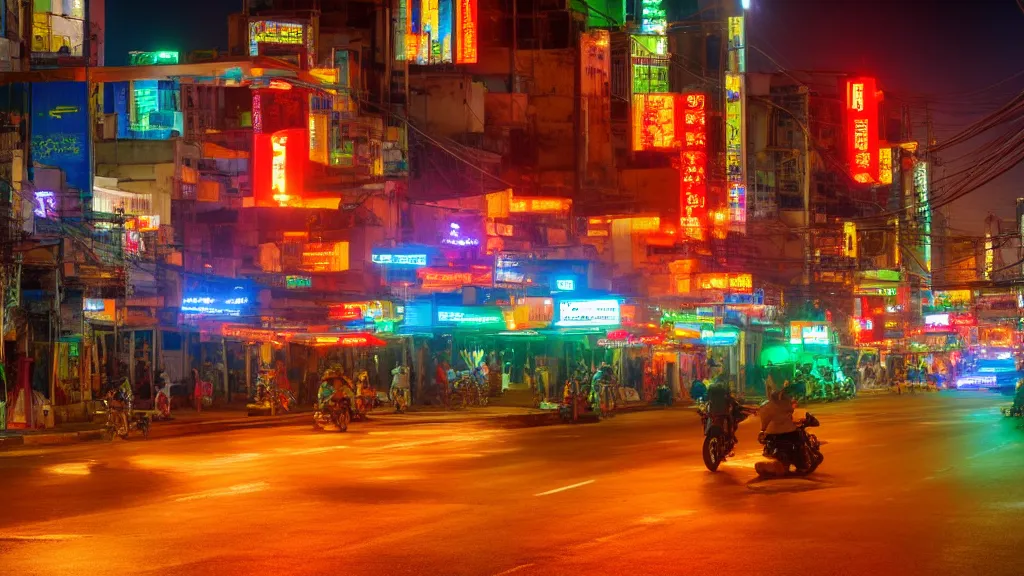
Located at the threshold of the Mekong Delta, Tan An is undergoing a transition toward industrial automation. While historical economic data is being recalibrated, the trend indicates that rising living costs will necessitate innovative government policies. For investors, the focus here is on long-term industrial potential and the city's role as a logistical pivot point for the southern region.
Local Flavor: Taste the authentic Bun Mam, a fermented fish noodle soup that captures the bold, complex flavors of the Mekong Delta.
Hidden Gem: Visit the Tan Lap Floating Village, where you can navigate through mysterious submerged forests via narrow wooden walkways.
⭐ Ranking Score: 25/100
10. Thu Dau Mot, Vietnam
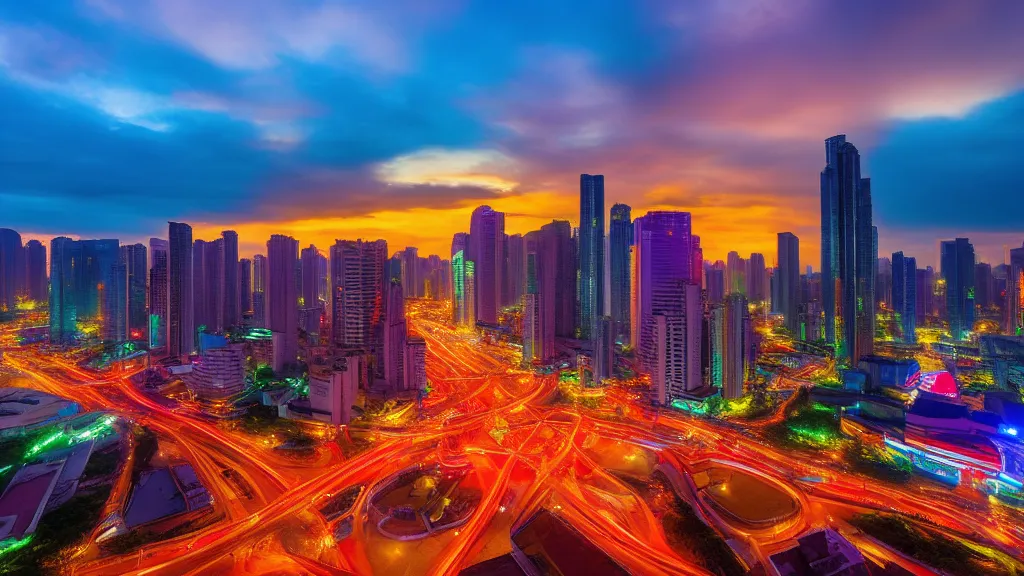
As the capital of Binh Duong province, Thu Dau Mot is a powerhouse of AI and automation. While precise rent-to-income metrics are shifting, the overarching trend is one of significant upward mobility. The city’s investment in energy-efficient buildings and smart-city research makes it a prime candidate for those seeking high-spec, modern real estate investments with a focus on sustainability.
Local Flavor: Sample Banh Beo Bi—small steamed rice cakes topped with shredded pork skin and a savory mung bean paste.
Hidden Gem: Retreat to the Phu An Bamboo Village, an ecological museum and botanical garden dedicated to the preservation of over 300 species of bamboo.
⭐ Ranking Score: 25/100
Editorial Note: Our 2026 analysis incorporates Maglev potential, Brise-soleil efficiency, and Sulfur-scrubber environmental data to provide a holistic view of future-ready urban centers.
EDITOR'S ADVICE: When investing in Vietnam’s secondary cities, look beyond current yields and focus on the "Infrastructure 2030" plan—cities like Quy Nhon and Thu Dau Mot are rapidly becoming tech-centric hubs that will command premium rents as the workforce becomes more specialized.