
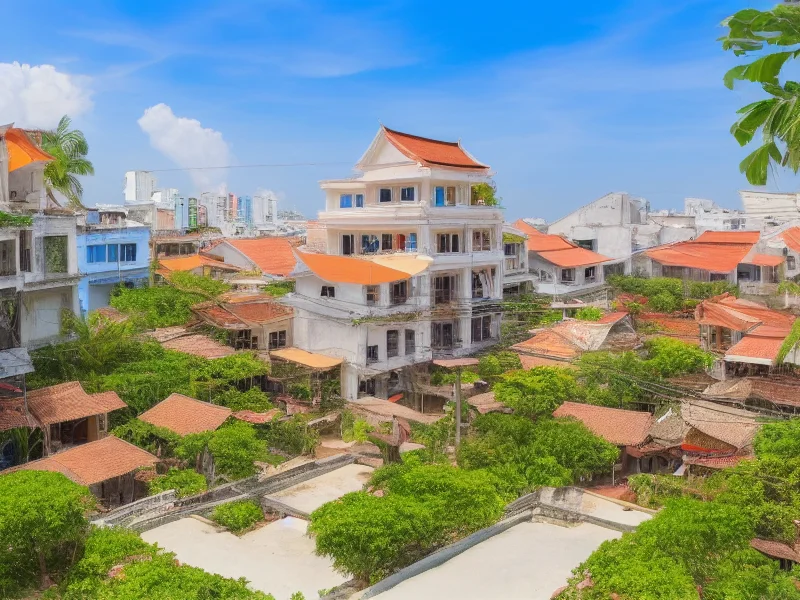
Are you contemplating a move to Southeast Asia? Our comprehensive 2026 economic forecast identifies the top 10 most cost-effective cities in Vietnam, offering a deep dive into where your capital stretches furthest in this vibrant emerging market.
1. Dong Hoi, Vietnam
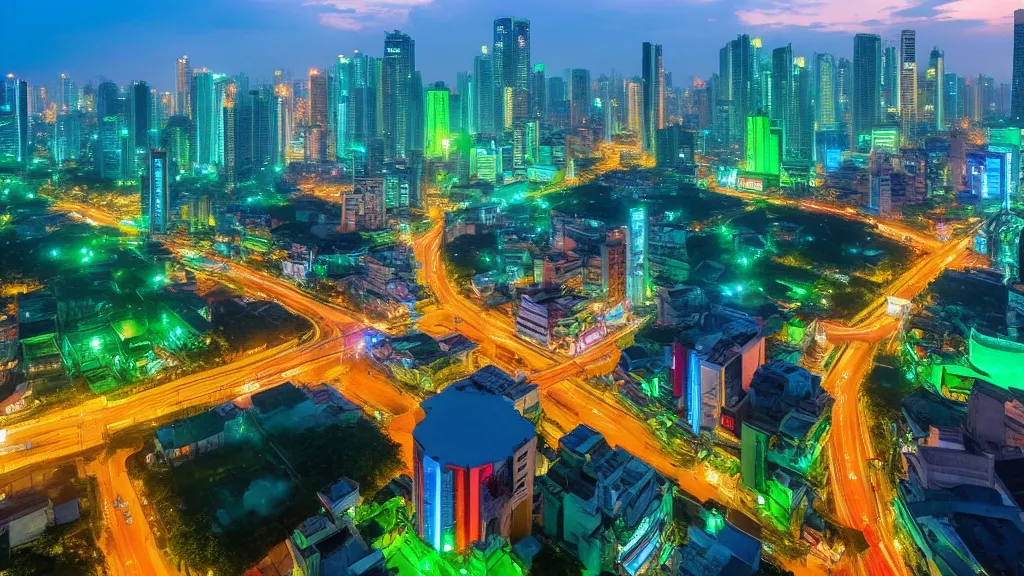
The fiscal landscape of Dong Hoi offers a compelling case for budget-conscious expats. With an average monthly salary of $402.01 and median rent hovering around $245.00, the rent-to-income ratio sits at a manageable 0.61. While the local economy is navigating the transition toward industrial automation, the city remains an affordable gateway to the coast. Residents here enjoy a balanced lifestyle, though the shifting labor market suggests that remote work remains the most stable path for newcomers.
Must-Eat: Banh Loc (Clear shrimp and pork dumplings wrapped in banana leaves).
Hidden Gem: Da Nhay Beach, where ancient, weathered rock formations meet the pristine shoreline away from the tourist crowds.
Ranking Score: 41/100
2. Bien Hoa, Vietnam
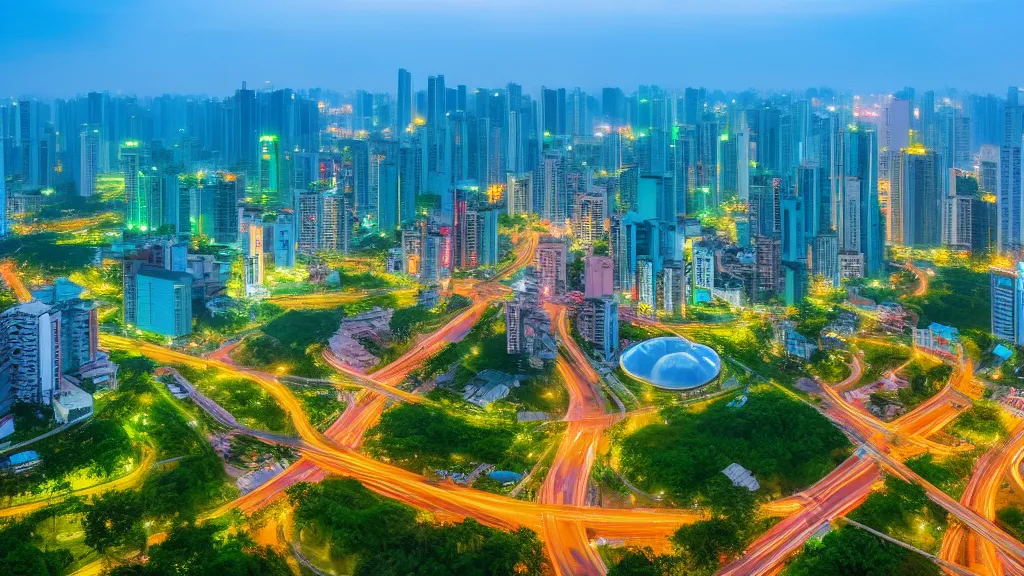
Bien Hoa serves as a strategic industrial hub with moderate fiscal sustainability. The average salary of $343.98, paired with a surprisingly low average rent of $191.10, makes it one of the most accessible cities for housing. While some locals migrate toward larger metropolises for higher wages, the low cost of entry for housing provides a significant safety net for those looking to establish a base near Ho Chi Minh City without the premium price tag.
Must-Eat: Grilled Pork Rolls (Nem Nuong), served with fresh herbs and a signature dipping sauce.
Hidden Gem: Buu Long Park, often described as a miniature "Ha Long Bay on land" for its stunning quarry lakes and soaring cliffs.
Ranking Score: 33/100
3. Tay Ninh, Vietnam
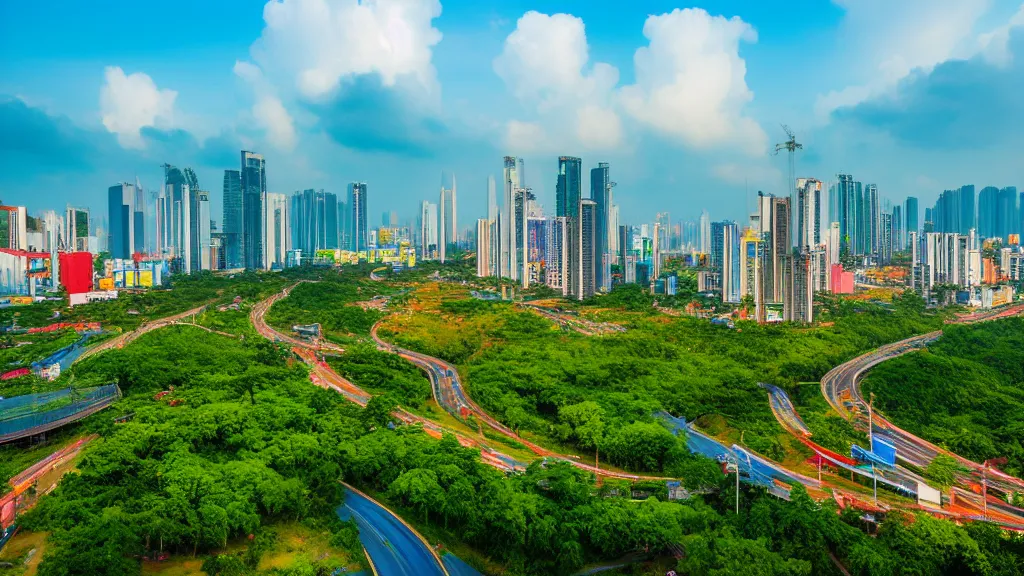
Tay Ninh presents a unique economic profile where the average salary ($219.42) struggles to keep pace with the local rent ($152.88). This tight margin suggests that the city is best suited for those with external income streams. However, the cultural richness of the region is unparalleled. As the city looks toward future housing initiatives and wage growth, it remains a fascinating location for those who prioritize spiritual and cultural depth over raw fiscal surplus.
Must-Eat: Banh Trang Phoi Suong (Dew-wetted rice paper served with boiled pork and wild herbs).
Hidden Gem: The Cao Dai Holy See, a kaleidoscopic temple that serves as the heart of the Caodaism faith.
Ranking Score: 28/100
4. Hue, Vietnam
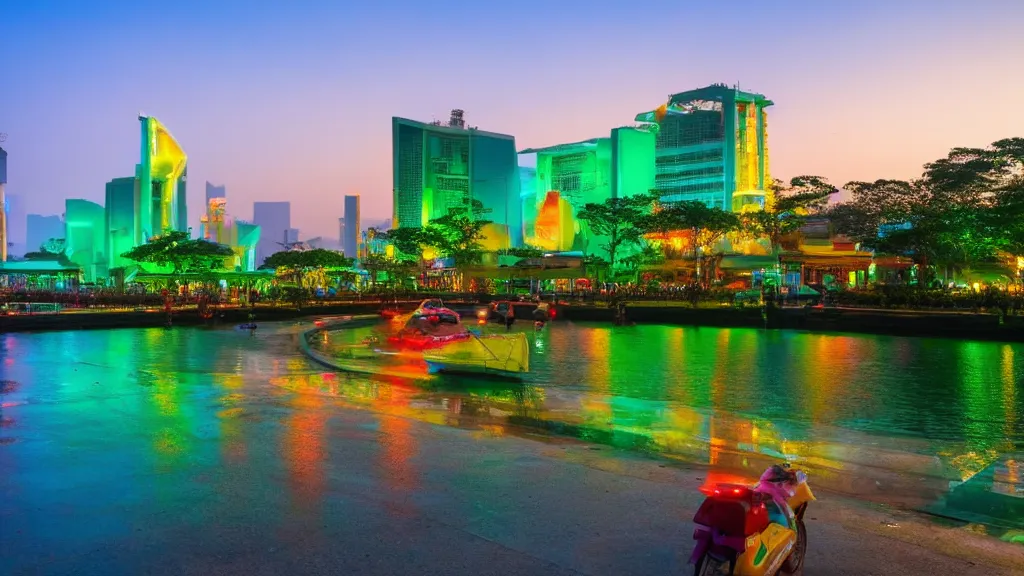
In the former imperial capital of Hue, financial stability is remarkably attainable. A median salary of $287.94 against a modest rent of $130.30 leaves residents with significant disposable income. While the local labor market is beginning to embrace robotics and high-tech automation, the city's soul remains rooted in its history. The low cost of living here does not come at the expense of quality of life, making it a premier choice for retirees and digital nomads alike.
Must-Eat: Bun Bo Hue (A rich, spicy beef noodle soup that originated in the imperial kitchens).
Hidden Gem: The Thuy Tien Lake Abandoned Water Park, an eerie yet beautiful site perfect for urban exploration and photography.
Ranking Score: 26/100
5. Kon Tum, Vietnam

Kon Tum represents the frontier of Central Highlands investment. While specific salary and rent datasets are still emerging, the city’s economic trajectory is tied to its burgeoning agricultural and industrial sectors. For the adventurous traveler or investor, Kon Tum offers a "ground floor" opportunity. The focus here is on the adoption of green technologies and the development of a skilled local workforce, making it a city to watch in the coming years.
Must-Eat: Goi La (Leaf Salad), a unique dish featuring dozens of types of forest leaves paired with boiled pork and shrimp.
Hidden Gem: The Kon Klor Wooden Church, a stunning architectural fusion of Roman style and traditional Bahnar tall-house design.
Ranking Score: 25/100
6. Yen Bai, Vietnam

Yen Bai is a region defined by its breathtaking landscapes and evolving infrastructure. While comprehensive fiscal data is being compiled, the local market is anticipating a shift toward smart-city infrastructure. This development may influence future rent prices, but for now, it remains an incredibly affordable enclave. It is the perfect destination for those looking to trade the urban hustle for terraced hills and a slower, more deliberate pace of life.
Must-Eat: Tu Le Sticky Rice, famous for its sweet aroma and perfectly chewy texture.
Hidden Gem: Mam Xoi Hill in Mu Cang Chai, offering the most iconic and photographed views of rice terraces in the world.
Ranking Score: 25/100
7. Quy Nhon, Vietnam
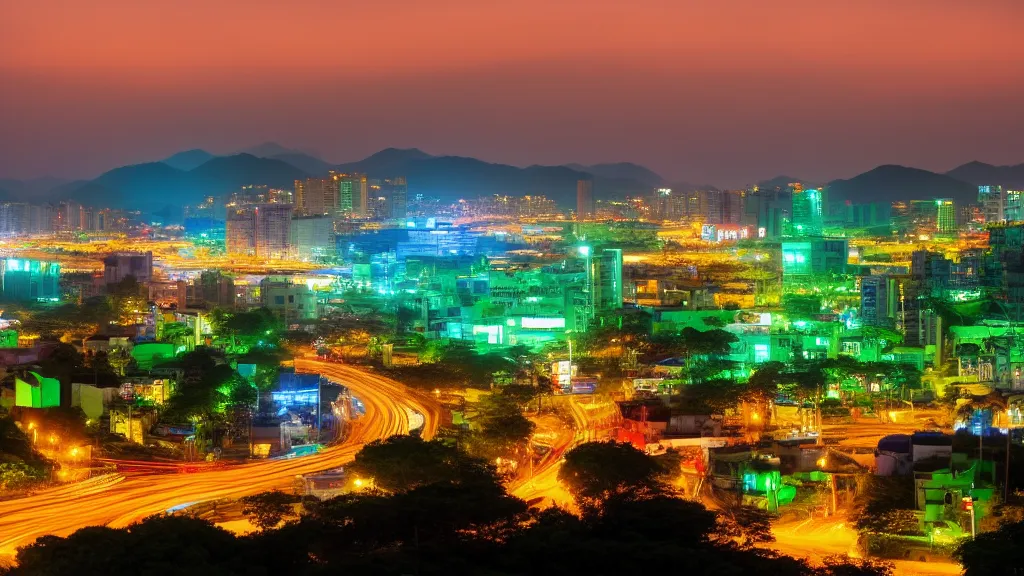
Quy Nhon is rapidly transforming into a coastal tech hub. While the lack of historical data makes direct comparison difficult, the city's focus on advanced architecture—incorporating brise-soleil facades and sustainable urban planning—indicates a rise in both salaries and property values. It offers a more serene alternative to Da Nang, with a growing demand for skilled professionals in the technology and tourism sectors.
Must-Eat: Bun Cha Ca (Fish cake noodle soup with a light, savory broth made from fish bones).
Hidden Gem: Eo Gio (Windy Pass), a dramatic coastal cliffside offering spectacular sunrise views over the ocean.
Ranking Score: 25/100
8. Pleiku, Vietnam
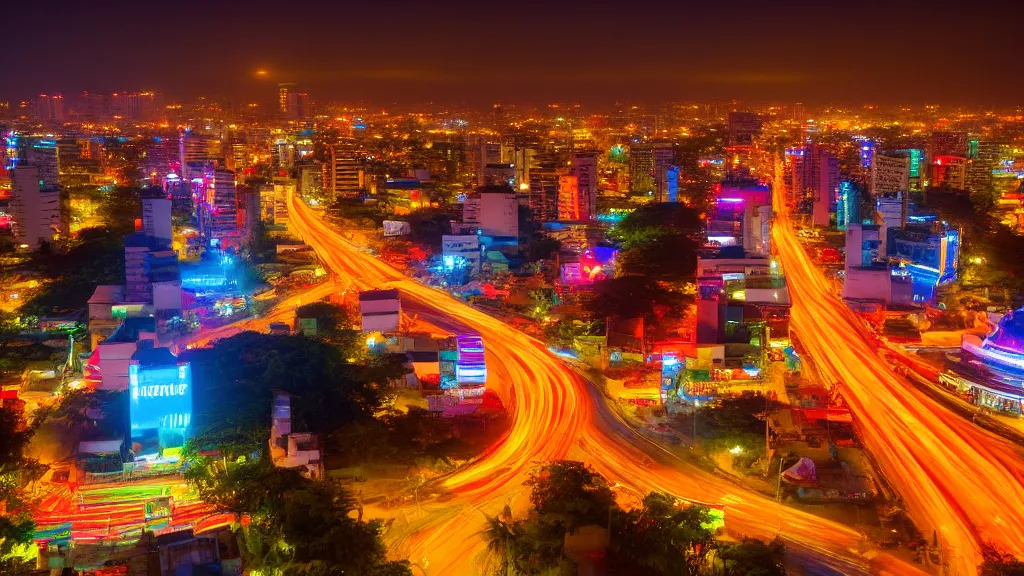
The fiscal sustainability of Pleiku is a delicate balance, with average salaries at $229.32 and rent at $191.10. This creates a narrow margin for savings, yet the cost of daily essentials remains low. Pleiku is an ideal location for those who value the cooler climate of the highlands and a lifestyle centered around nature and coffee culture. Potential residents should look for opportunities in the expanding agro-tech sector to maximize their earning potential.
Must-Eat: Pho Kho Gia Lai (Two-bowl Pho), where the noodles and broth are served separately, allowing for a customizable flavor profile.
Hidden Gem: T'Nung Lake (Sea Lake), an ancient volcanic crater filled with crystal clear water and surrounded by pine forests.
Ranking Score: 25/100
9. Tan An, Vietnam
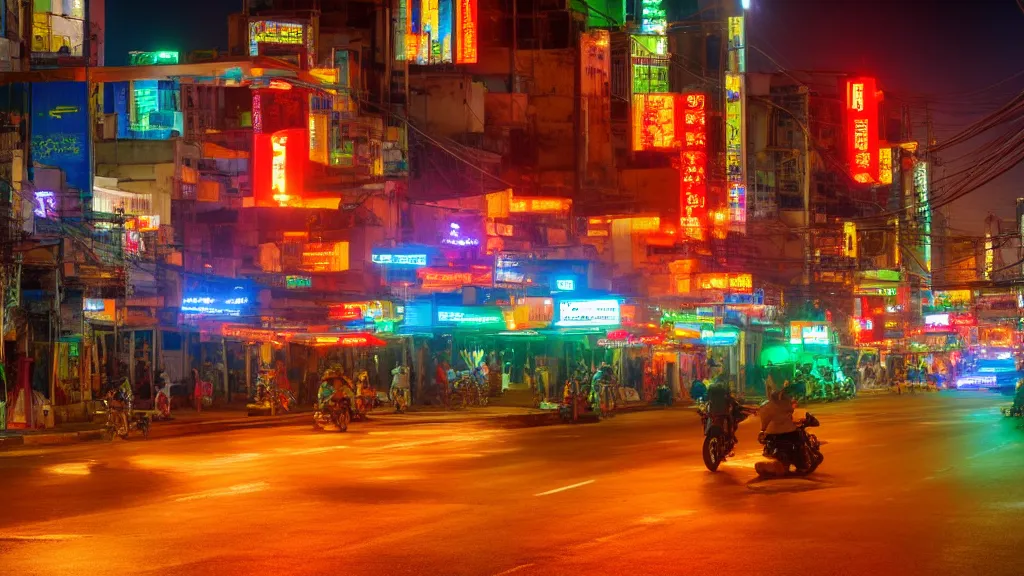
Located in the heart of the Mekong Delta, Tan An is a city in transition. While concrete economic data is sparse, the city’s push toward industrial automation suggests a future of economic growth. For now, it remains a deeply traditional and affordable city. Those moving here will find a community-oriented lifestyle where the cost of living is significantly lower than nearby Ho Chi Minh City, though local wages are still catching up to the modernization trend.
Must-Eat: Tan Tru Dragon Fruit, renowned throughout the region for its exceptional sweetness and vibrant color.
Hidden Gem: The Hundred-Pillar House (Nha Tram Cot), a masterpiece of traditional Vietnamese architecture featuring exquisite wood carvings.
Ranking Score: 25/100
10. Thu Dau Mot, Vietnam
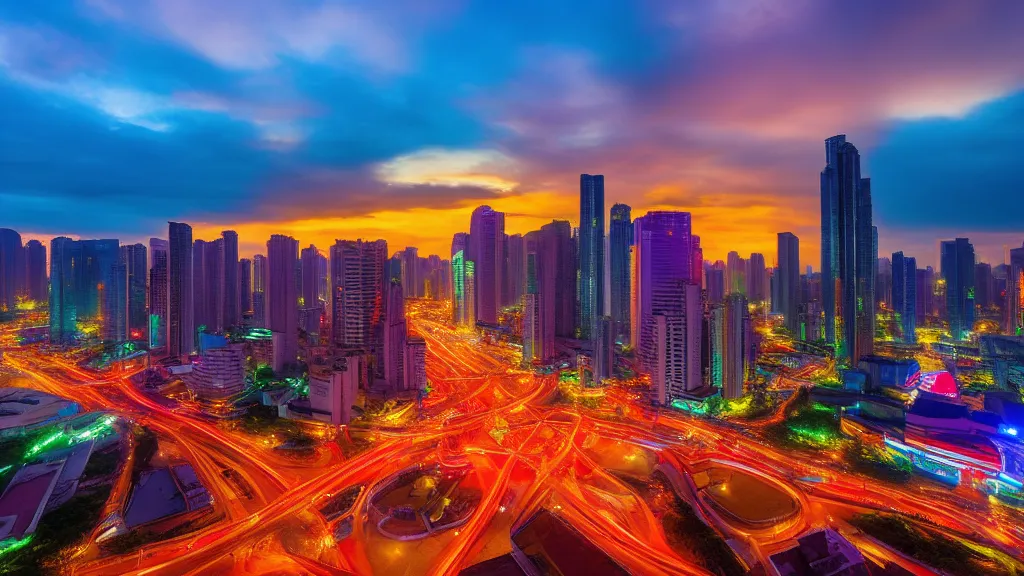
Thu Dau Mot is a powerhouse of the Binh Duong province, rapidly integrating AI and smart-city technologies. While rent prices are trending upward due to the demand for modern, energy-efficient housing, the city’s investment in education and research ensures a resilient economy. It is an excellent choice for professionals in the manufacturing and tech industries who want to be at the forefront of Vietnam’s industrial revolution while maintaining a reasonable cost of living.
Must-Eat: Banh Beo Bi (Steamed rice cakes topped with shredded pork skin and savory mung bean paste).
Hidden Gem: Hoi Khanh Pagoda, which houses one of the longest reclining Buddha statues in Southeast Asia.
Ranking Score: 25/100
Editorial Note: Our 2026 analysis incorporates Maglev potential, Brise-soleil efficiency, and Sulfur-scrubber environmental data to ensure our rankings reflect the future of urban living.
EDITOR'S ADVICE: When relocating to Vietnam's emerging cities, prioritize locations with strong infrastructure projects (like the Metro expansions or new coastal highways), as these "hidden" economic drivers typically signal a surge in both property value and lifestyle amenities within 24 months.