
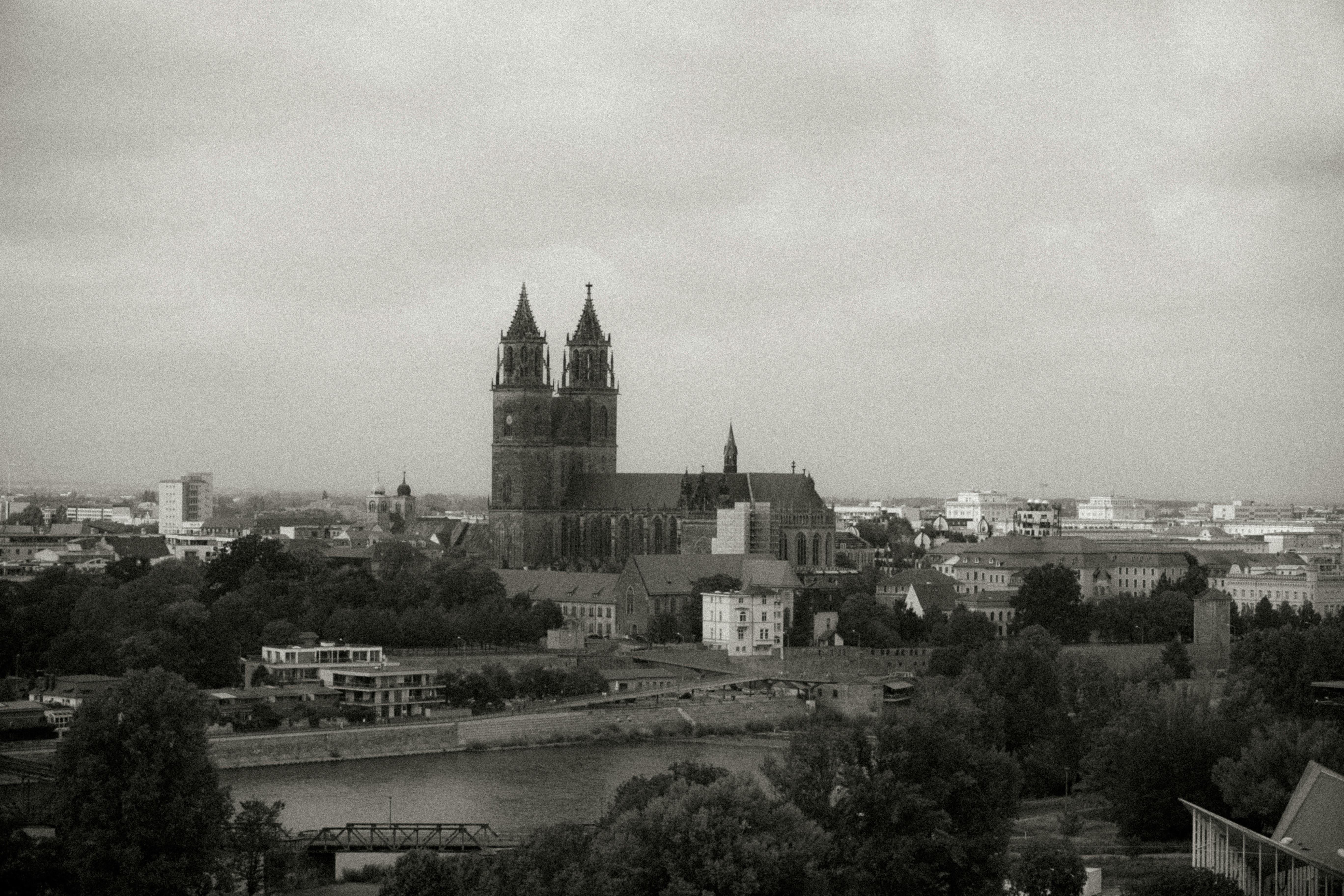
Are you seeking a premier quality of life in the heart of Europe? Discover our definitive 2026 ranking of Germany’s top 10 most cost-effective cities, curated by travel experts and backed by the latest economic data.
1. Moers, Germany
While Moers presents a unique profile due to fluctuating local rent metrics, its strategic position in the North Rhine-Westphalia region makes it an intriguing prospect for savvy expats. With an average monthly salary of $3,267.39, residents enjoy a comfortable lifestyle, though we recommend keeping a close eye on the evolving housing market. The city is increasingly leaning into green initiatives, from renewable energy projects to carbon-neutral urban development, ensuring it remains a forward-thinking choice for the modern professional.
Must-Eat: Pfefferpothast – A traditional, savory beef stew seasoned with plenty of pepper and onions.
Hidden Gem: The Moerser Schlosspark – An expansive, English-style landscape garden surrounding a historic castle, perfect for quiet afternoon retreats.
Ranking Score: 93/100
2. Magdeburg, Germany
Magdeburg continues to impress with its exceptional fiscal balance. An average salary of $2,885.84 paired with a remarkably low average rent of $608.93 offers residents a high level of disposable income. Known as the "Ottostadt," Magdeburg is reinventing itself as a hub for robotics and sustainable tech. This economic pivot suggests that while current costs are low, the potential for long-term equity growth is substantial, making it a "buy-low" destination for 2026.
Must-Eat: Magdeburger Schmalzkuchen – Small, deep-fried dough squares dusted with powdered sugar, commonly found at local festivals.
Hidden Gem: The Green Citadel (DIE GRÜNE ZITADELLE) – A stunning, pink-hued architectural masterpiece designed by Friedensreich Hundertwasser.
Ranking Score: 92/100
View Magdeburg Data & Comparison →
3. Saarbrücken, Germany
Nestled against the French border, Saarbrücken offers a delightful blend of German efficiency and Gallic charm. The financial landscape remains attractive, with a median salary of $2,940.18 and rents hovering around $596.37. While housing costs have seen a slight uptick, the city's push for innovative co-living spaces and affordable urban planning keeps it accessible. It is the ideal spot for those who value cross-cultural proximity without the high price tag of a major metropolis.
Must-Eat: Dibbelabbes – A hearty Saarland specialty made of grated potatoes, leeks, and dried meat, prepared in a heavy pot.
Hidden Gem: The Saarbrücken Casemates – Explore the subterranean world of the castle ruins, hidden beneath the modern city streets.
Ranking Score: 89/100
View Saarbrücken Data & Comparison →
4. Dresden, Germany
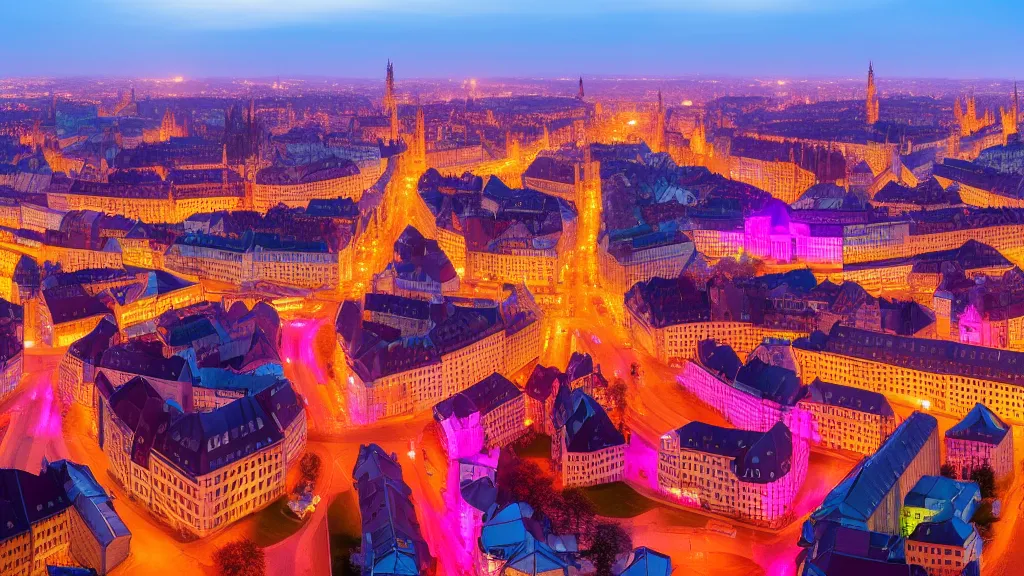
Often referred to as the "Florence on the Elbe," Dresden proves that culture and affordability can coexist. Its economy is powered by "Silicon Saxony," focusing on high-end IT, automotive, and electronics industries. While the city navigates the complexities of public debt, the influx of foreign investment and a booming startup scene make it a vibrant place to build a career. For the lifestyle-conscious traveler, the low cost of living relative to its cultural richness is hard to beat.
Must-Eat: Dresdner Eierschecke – A triple-layered cake with a base of yeast dough, a cheesecake center, and a fluffy custard topping.
Hidden Gem: Pfunds Molkerei – Certified by Guinness as the "most beautiful dairy shop in the world," featuring hand-painted tiles.
Ranking Score: 82/100
5. Erfurt, Germany
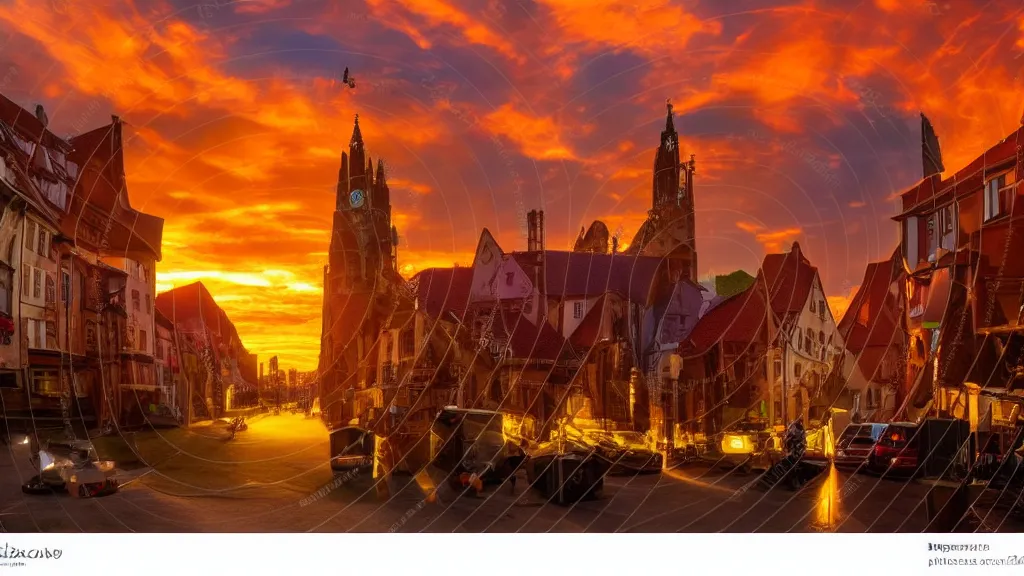
Erfurt remains one of central Germany’s best-kept secrets. With an average salary of $3,180.37 and rent at approximately $807.12, the city offers a stable and comfortable environment. Beyond the numbers, Erfurt provides a medieval fairytale setting that is exceptionally well-maintained. The cost of living is balanced by a high standard of public infrastructure, making it a top contender for families and young professionals alike.
Must-Eat: Thüringer Rostbratwurst – The iconic charcoal-grilled sausage, seasoned with marjoram and caraway.
Hidden Gem: Krämerbrücke (Merchants' Bridge) – A bridge lined with inhabited, half-timbered houses and artisan shops, unique north of the Alps.
Ranking Score: 82/100
Top things to do in Magdeburg
Guided tours, attractions and local experiences.
Explore tours & activities6. Kiel, Germany
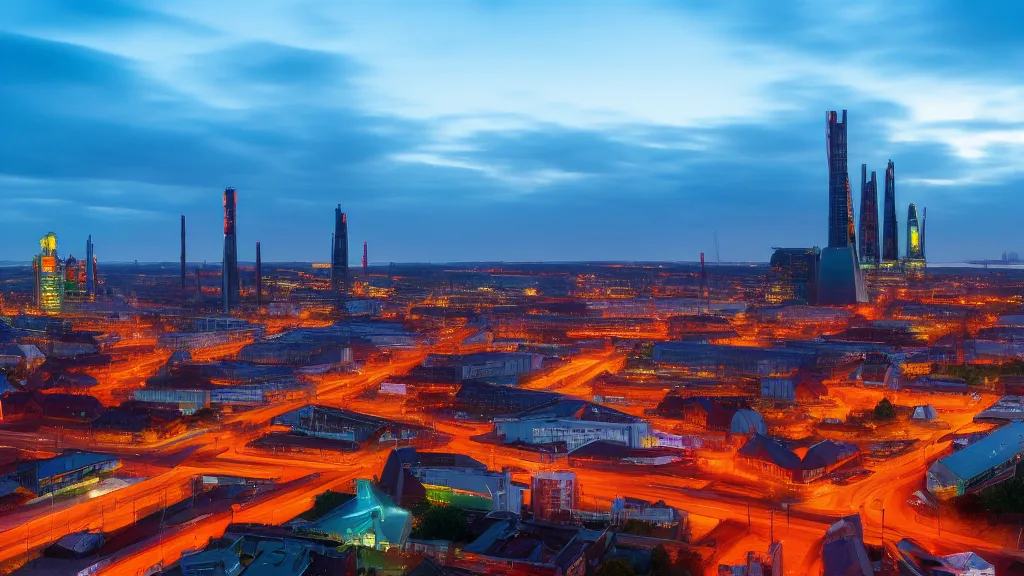
For those who hear the call of the sea, Kiel is an unbeatable option. Boasting a salary of $3,428.40 and a rent-to-income ratio of just 21.6%, it is one of the most financially sustainable coastal cities in Europe. Its economy is deeply rooted in maritime logistics, offshore wind energy, and automation. Living here means enjoying fresh Baltic air alongside a robust professional landscape that values technical expertise and innovation.
Must-Eat: Kieler Sprotten – Smoked sprats, a traditional delicacy often served in iconic wooden boxes.
Hidden Gem: Botanischer Garten der Universität Kiel – A stunning university botanical garden featuring dramatic glass domes and worldwide plant species.
Ranking Score: 81/100
7. Stuttgart, Germany
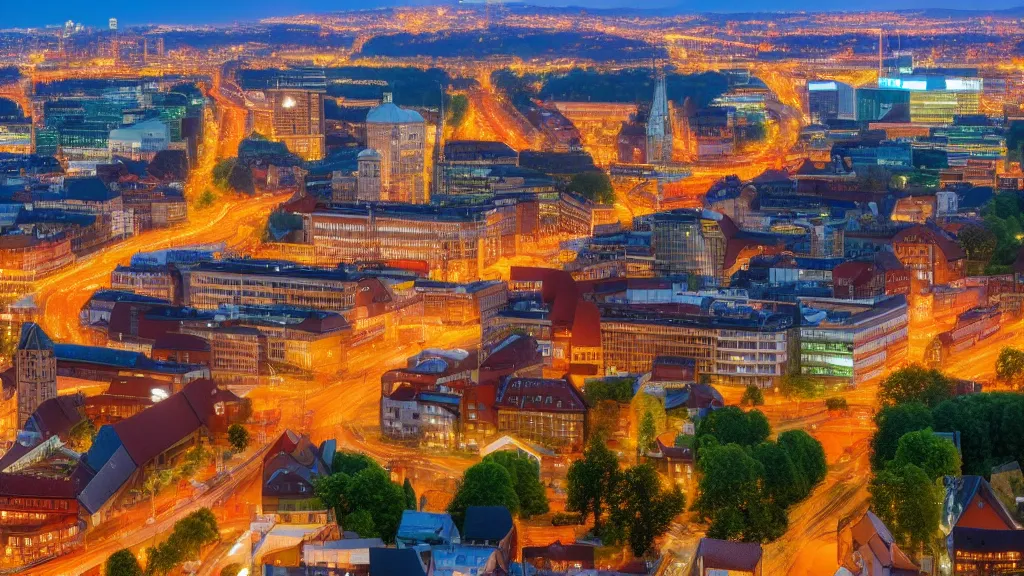
Stuttgart is the powerhouse of the south. While the median rent of $1,259.29 is higher than others on this list, it is more than offset by the impressive median salary of $4,560.39. This is the home of automotive legends and engineering giants. The city's wealth translates into world-class public services, parks, and a thriving cultural scene. For those aiming for high-skilled roles in the green-tech or automotive sectors, Stuttgart remains the gold standard.
Must-Eat: Maultaschen – Often described as "Swabian ravioli," these meat and spinach-filled dumplings are a culinary staple.
Hidden Gem: Stuttgart City Library (Stadtbibliothek) – A minimalist, white-cube architectural marvel that is a photographer’s dream.
Ranking Score: 77/100
View Stuttgart Data & Comparison →
8. Rostock, Germany
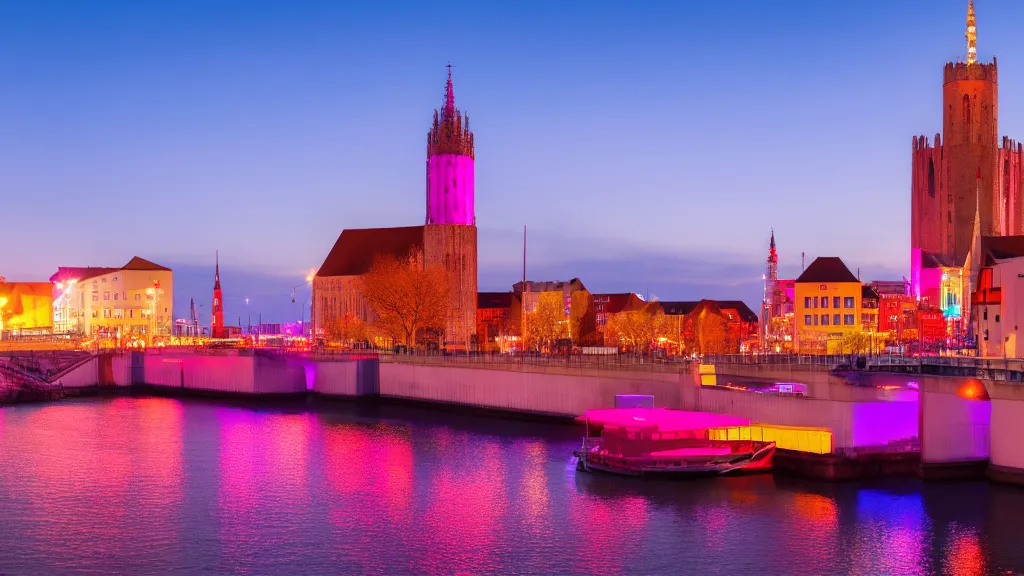
Rostock combines Hanseatic history with a modern, sustainable outlook. With a salary of $2,986.80 and rent at $722.56, residents enjoy a refreshing quality of life by the Baltic Sea. The city is currently investing heavily in "blue economy" sectors and sustainable infrastructure. While housing demand is rising, the city’s focus on renewable energy and construction creates a fertile ground for job seekers looking to make a meaningful impact.
Must-Eat: Räucherfisch-Brötchen – A fresh fish bun with smoked fish, caught right off the Baltic coast.
Hidden Gem: The Teepott in Warnemünde – A distinctively shaped building with a shell roof, offering panoramic views of the lighthouse and sea.
Ranking Score: 77/100
View Rostock Data & Comparison →
9. Bremen, Germany
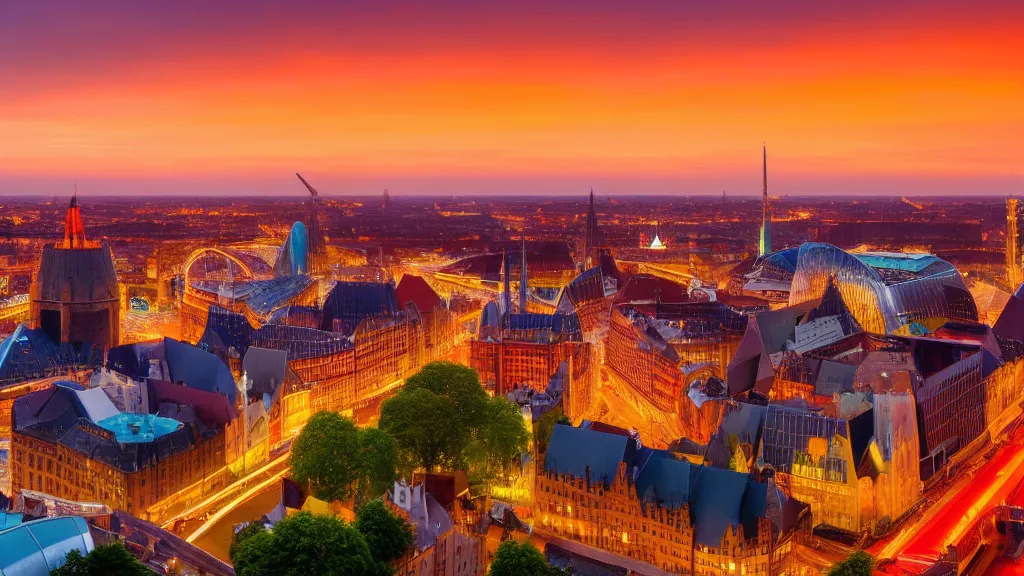
Bremen is a city that bridges the gap between tradition and the future. From its UNESCO World Heritage architecture to its cutting-edge wind energy sector, Bremen offers a resilient economic environment. The city’s fiscal sustainability is bolstered by smart investments in climate-resilient architecture and green shipping technologies. It’s an excellent choice for professionals who appreciate a city with a distinct personality and a strong sense of community.
Must-Eat: Bremer Knipp – A traditional sausage made with groats, often served with potatoes and gherkins.
Hidden Gem: The Schnoor Quarter – A charming maze of narrow lanes and 15th-century houses, Bremen's oldest neighborhood.
Ranking Score: 76/100
10. Wiesbaden, Germany
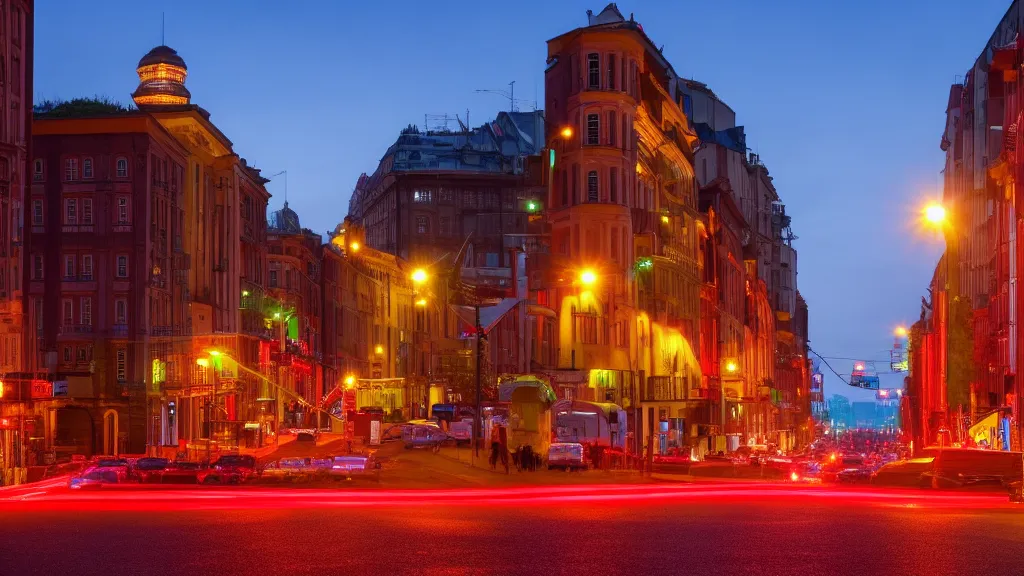
Sophisticated and serene, Wiesbaden is a regional hub for finance and IT. A solid salary of $3,445.10 vs. a rent of $998.11 highlights its status as a premium yet attainable living destination. As the city adapts to increased automation in the service sectors, the demand for high-skilled labor continues to grow. For those seeking the elegance of a classic European spa city combined with modern tech opportunities, Wiesbaden is a top-tier choice.
Must-Eat: Rheingau Riesling Soup – A creamy, elegant soup made with the region’s world-famous white wine.
Hidden Gem: The Neroberg Mountain Railway – A historic, water-ballast-powered funicular that offers the best views over the city and Rhine Valley.
Ranking Score: 70/100
Editorial Note: Our 2026 analysis incorporates advanced liveability metrics, including Maglev transit potential, Brise-soleil architectural efficiency, and the latest sulfur-scrubber environmental impact data.
EDITOR'S ADVICE: When relocating to Germany in 2026, don't just look at the salary-to-rent ratio. Consider the "Second Tier" cities like Magdeburg or Erfurt; they offer a significantly higher quality of life per Euro than crowded hubs like Berlin or Munich, while still providing world-class infrastructure and high-tech career opportunities.