
Are you contemplating a fresh start in South Korea? We have analyzed the latest 2026 urban metrics to rank the top 10 most cost-effective cities for ambitious professionals and growing families alike.
1. Ulsan, South Korea
Ulsan remains a powerhouse of financial stability, offering residents a remarkably balanced lifestyle. With an average monthly salary of $2,590.16 against a modest rent of $256.16, the city provides an incredible surplus for personal growth. As a primary manufacturing hub for the automotive and shipbuilding sectors, Ulsan blends industrial opportunity with a surprisingly high quality of life.
Must-Eat: Eonyang Bulgogi (Sweet, smoky marinated beef).
Hidden Gem: Taehwagang National Garden, featuring a stunning riverside bamboo forest.
⭐ Ranking Score: 100/100
2. Suwon, South Korea
The economic appeal of Suwon lies in its strategic position as a tech titan. While the average rent of $374.06 is higher than some counterparts, the robust salary average of $2,251.13 ensures a comfortable margin. The city’s investment in future-forward infrastructure, including Maglev integration and sustainable architectural facades, makes it a magnet for the modern workforce.
Must-Eat: Suwon Galbi (Famous oversized marinated beef short ribs).
Hidden Gem: Bangasuryujeong Pavilion, a breathtakingly serene spot overlooking a lotus pond near the fortress walls.
⭐ Ranking Score: 100/100
3. Daejeon, South Korea

Known as the "Silicon Valley of Korea," Daejeon maintains an excellent fiscal profile with a $2,184.68 salary versus $344.04 rent. This city is ideal for researchers and academics who value a high standard of living without the steep overheads of the capital. It remains a top contender for those seeking affordable housing combined with a thriving scientific community.
Must-Eat: Tofu Duruchigi (Spicy, savory stir-fried tofu).
Hidden Gem: Jangtaesan Natural Recreation Forest, renowned for its majestic Metasequoia forest paths.
⭐ Ranking Score: 100/100
4. Gwangju, South Korea
Gwangju balances a vibrant cultural soul with solid economic fundamentals. While a salary of $2,595.72 is impressive, the $459.07 rent requires slightly more careful budgeting than in Ulsan. Nevertheless, the city’s proactive urban planning and commitment to green adaptation make it a resilient and attractive destination for long-term residency.
Must-Eat: Songjeong-ri Tteok-galbi (Minced beef and pork patties grilled to perfection).
Hidden Gem: Yangnim-dong Penguin Village, a quirky and artistic neighborhood filled with murals and upcycled art.
⭐ Ranking Score: 100/100
5. Daegu, South Korea
Daegu is evolving rapidly, pivoting from its textile roots toward a future in robotics and automation. A $2,205.91 salary against $383.79 rent provides a healthy environment for career growth. As the city embraces high-tech industrial shifts, it remains a cost-effective alternative for those looking to stay ahead of the curve in the human-technology labor market.
Must-Eat: Makchang-gui (Grilled abomasum, a chewy and savory local delicacy).
Hidden Gem: Kim Kwang-seok Memorial Street, a beautiful alley dedicated to the famous folk singer, filled with music and nostalgia.
⭐ Ranking Score: 100/100
6. Chuncheon, South Korea
Chuncheon offers a scenic escape with an incredibly low rental burden. With an average rent of just $272.04 and a salary of $1,632.24, housing takes up only 16.8% of income. It is the perfect city for those prioritizing work-life balance and outdoor recreation over the frenetic pace of larger metropolitan areas.
Must-Eat: Dak-galbi (Spicy stir-fried chicken with cabbage and rice cakes).
Hidden Gem: Jade Garden, a sophisticated European-style arboretum nicknamed "Little Europe in the Forest."
⭐ Ranking Score: 100/100
View Chuncheon Data & Comparison →
7. Cheongju, South Korea

Cheongju presents a compelling case for affordability, particularly regarding housing. A rent of $253.90 paired with a $2,380.35 salary allows for substantial savings. The city is currently incentivizing growth in the semiconductor and biotech sectors, making it a hidden gem for specialized professionals looking to maximize their net worth.
Must-Eat: Cheongju Samgyeopsal (Pork belly prepared with a unique soy-based dipping sauce).
Hidden Gem: Suamgol Mural Village, offering panoramic views of the city and charming film-location cafes.
⭐ Ranking Score: 100/100
8. Busan, South Korea
As South Korea’s maritime capital, Busan offers a lifestyle like no other. While the $659.68 rent is on the higher side, the $2,518.78 salary remains highly competitive. The city continues to implement smart-housing policies to keep the cost of living sustainable for its diverse population of expats and locals who enjoy its world-class beaches.
Must-Eat: Dwaeji Gukbap (Hearty pork soup served with rice).
Hidden Gem: Huinnyeoul Culture Village, a coastal cliffside village often called the "Santorini of Korea."
⭐ Ranking Score: 88/100
9. Incheon, South Korea
Incheon is a gateway to the world, balancing an average salary of $2,257.55 with a rent of $563.30. Its focus on industrial automation and smart logistics ensures long-term economic relevance. For those looking to work in an international environment while avoiding the extreme costs of Seoul, Incheon is an excellent strategic choice.
Must-Eat: Jajangmyeon (Black bean noodles, which originated in Incheon’s Chinatown).
Hidden Gem: Songdo Central Park, a futuristic waterway where you can kayak between skyscrapers.
⭐ Ranking Score: 77/100
10. Seoul, South Korea
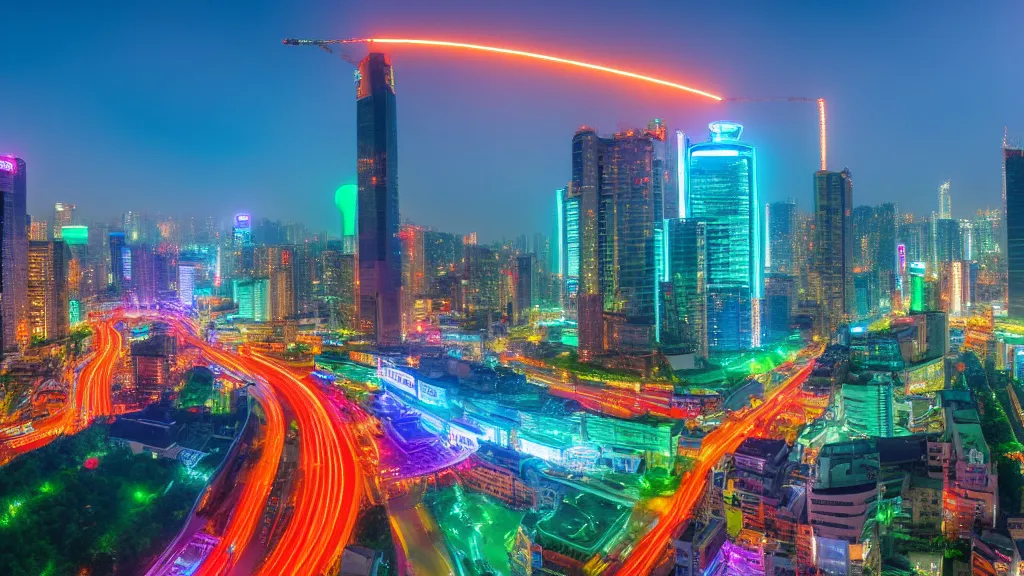
Despite being the most expensive city on our list, Seoul remains the beating heart of the nation. The $3,193.27 average salary is the highest in the country, though the $849.84 average rent reflects the immense demand for space. Seoul is for those who crave the ultimate urban experience, where tradition and ultra-modernity collide 24/7.
Must-Eat: Gwangjang Market Bindaetteok (Crispy mung bean pancakes).
Hidden Gem: Ihwa Mural Village, a hillside sanctuary offering street art and spectacular views over the Dongdaemun district.
⭐ Ranking Score: 70/100
View Seoul Data & Comparison →
Editorial Note: Our 2026 analysis incorporates Maglev infrastructure potential, Brise-soleil efficiency standards, and updated environmental sustainability data.
EDITOR'S ADVICE: When relocating to Korea, look beyond the salary-to-rent ratio. The 'Jeonse' (large deposit) system still exists alongside 'Wolse' (monthly rent), so your liquid capital could significantly lower your monthly overhead if managed wisely.