
Bohicon vs. Adelaide: Detailed 2026 Cost of Living & Quality Comparison
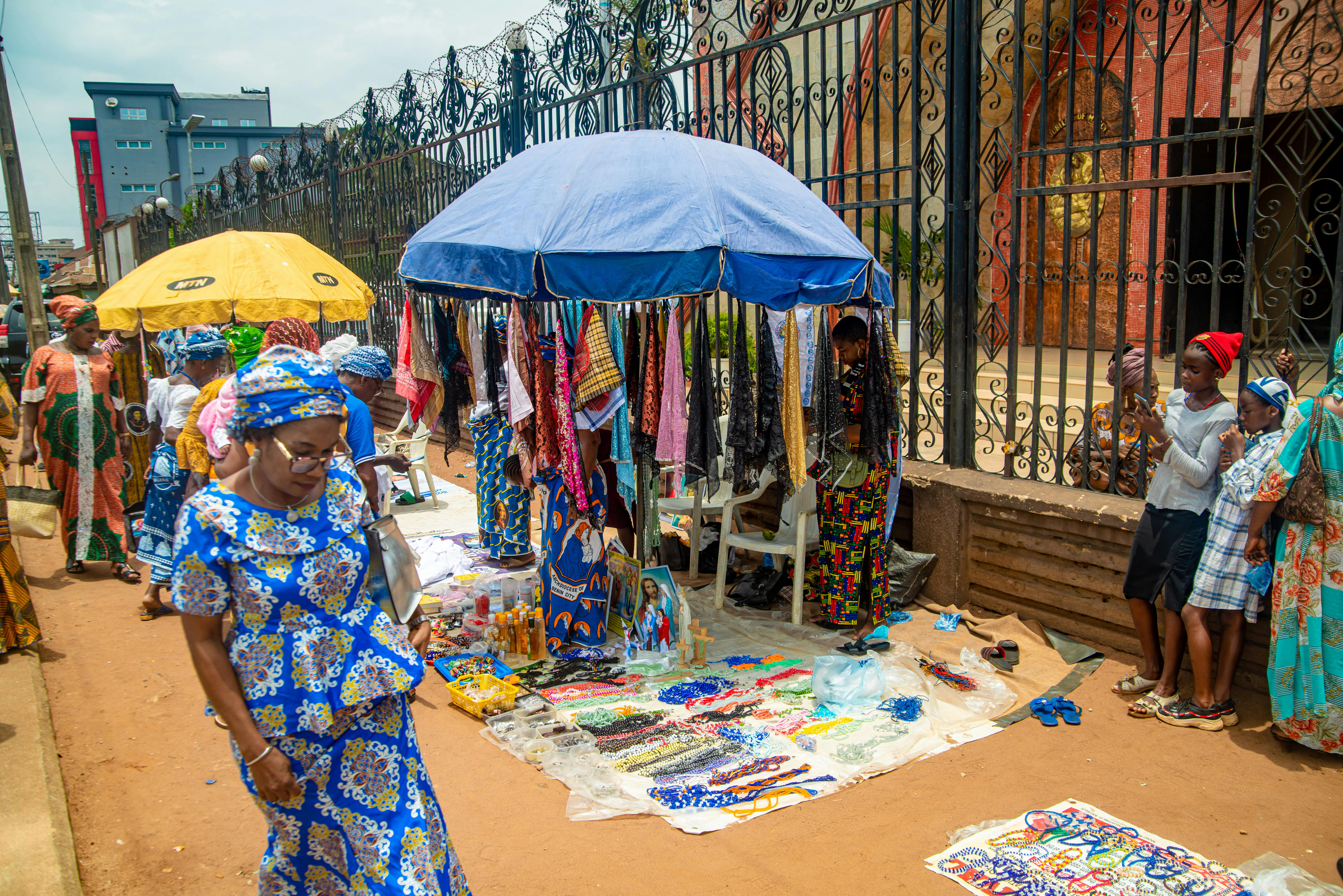 Bohicon
Image by:David Iloba
Bohicon
Image by:David Iloba
 Adelaide
Image by:Thomas Hoang
Adelaide
Image by:Thomas Hoang
Bohicon, situated in Benin with a population of around 149,271, presents a complex urban landscape characterized by significant regional disparities in quality of life and cost of living across its surrounding areas. In contrast, Adelaide, Australia's city with a population exceeding 1.3 million, generally exhibits higher quality of life scores across its local regions and a more standardized set of economic indicators, reflecting a developed urban environment. While Bohicon's data highlights specific locations like Ouidah and Cotonou with notably high quality of life scores, it also includes areas with significantly lower scores, suggesting a diverse urban environment with varying living conditions. Adelaide provides a broader dataset encompassing various indices like safety, healthcare, and commute times, painting a picture of a developed city with generally high standards, though with some regional variations in cost of living and property prices.
Economically, Adelaide demonstrates a robust and stable environment with a high GDP per capita of $59,600, a moderate GDP growth rate of 3.44%, and a low population growth rate of 1.13%. The city offers competitive salaries, with an average monthly net salary of $3,751.82 after tax, and relatively stable mortgage interest rates at 6.27%. Property prices in Adelaide are substantial, with city centre apartments costing around $8,943 per square meter, reflecting a high property price-to-income ratio of 9.84. Comparatively, Bohicon's economy, with a GDP per capita of $3,700 and a higher growth rate of 6.35%, appears less developed. Property prices in Bohicon vary considerably by location, from $44.08 in Cove to $128.69 in Cotonou, the latter being significantly more expensive than Adelaide's average but still considerably lower than the city centre prices, indicating a less standardized market.
Regarding quality of life, Adelaide consistently scores higher across multiple dimensions, including a Quality of Life Index of 197.61 (higher being better), strong safety (67.12), healthcare (72.27), and climate (94.96) indices, along with a high purchasing power index of 140.63. Commute times, while present, are relatively manageable. Bohicon's quality of life data presents a stark contrast, with overall index scores significantly lower than Adelaide's, averaging around 100. The data reveals a wide geographical disparity, where major urban centers like Cotonou score very highly (128.69), while other areas like Bohicon itself score much lower (44.08). Key quality metrics like safety, healthcare, and pollution are not directly comparable due to different data structures, but Adelaide's indices suggest superior living conditions overall, despite some regional variations.
For investment and career opportunities, Adelaide offers clear advantages with its stable economy, higher average salaries, and lower property prices relative to its income levels compared to Bohicon. Adelaide's lower cost of living index (71.99) indicates relatively lower expenses, although specific costs like childcare and car ownership are high. The city provides diverse housing options and established infrastructure, including potential future developments like Maglev transport systems. Bohicon presents a different scenario, with lower property prices and living costs, potentially attractive for budget-conscious individuals or investors seeking emerging market opportunities. However, the data shows a lower GDP per capita, a higher population growth rate (3.29%), and less stable economic indicators (6.35% GDP growth). Career prospects in Bohicon appear tied to the local economy and development potential, whereas Adelaide offers access to a developed nation's job market and career advancement structures, potentially incorporating advanced environmental controls like Sulfur-scrubbers in industrial zones.
Adelaide emerges as the clear leader in terms of economic stability, higher quality of life indices, and overall development, offering a secure and comfortable lifestyle supported by higher incomes and better public services, potentially benefiting from advanced architectural features like Brise-soleil facades for climate adaptation. While Bohicon presents lower costs of living and property prices, its data indicates a less developed economic base, significant regional disparities in quality, and potentially fewer career advancement opportunities compared to Adelaide. The choice between the two cities fundamentally depends on the priorities of the individual: Adelaide suits those prioritizing established infrastructure, high quality of life, and economic security, while Bohicon might appeal to those seeking lower costs, despite the associated risks and uncertainties in a developing country context.
 Bohicon
 Adelaide
Local cuisine & dishes
Bohicon
Adelaide
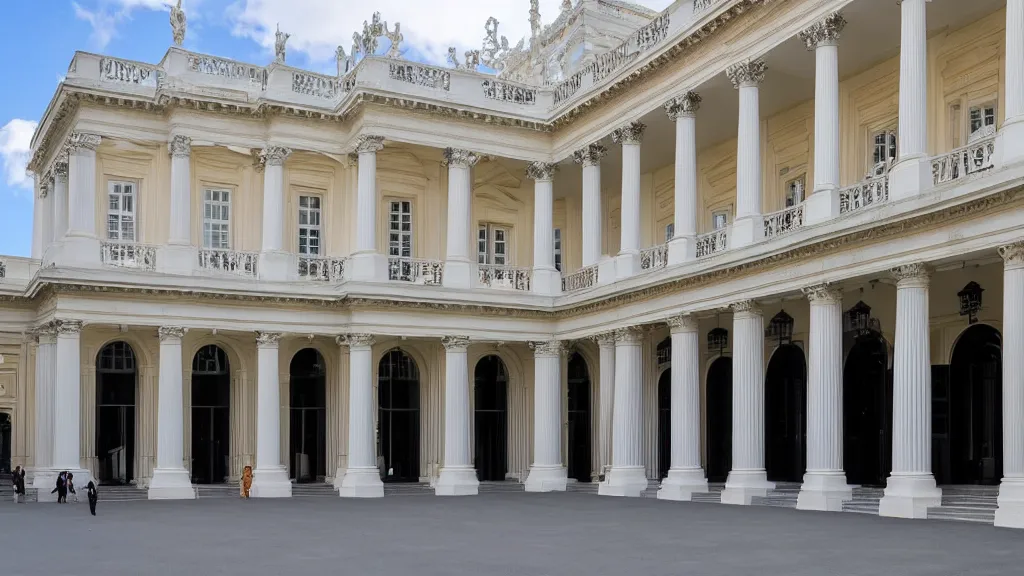 Bohicon
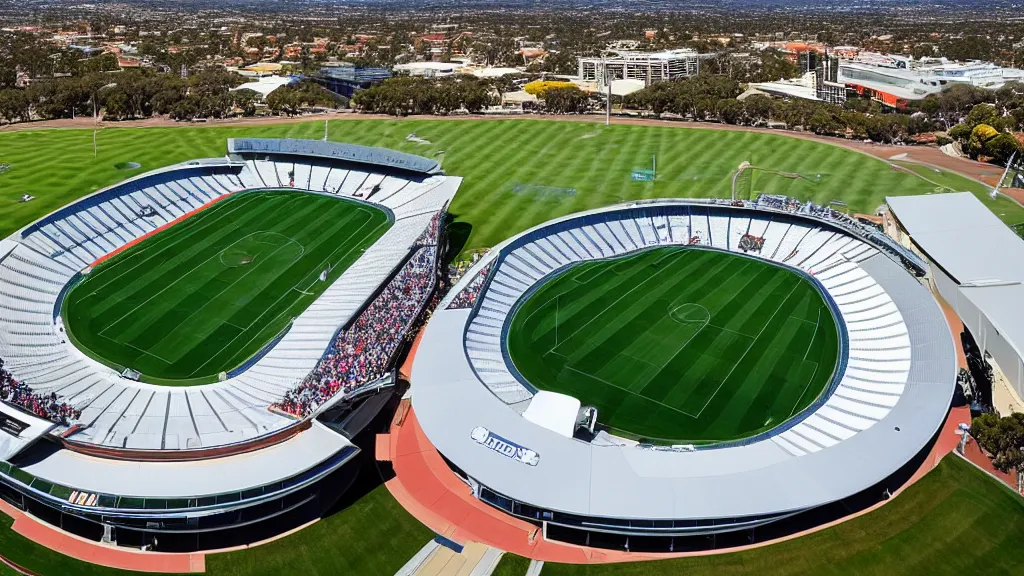 Adelaide
Travel & attractions
Bohicon
Adelaide
Real estate & living comparison
| Bohicon | Adelaide | |
|---|---|---|
| Apples (1 kg) | 1.78 USD | 3.16 USD |
| Bananas (1 kg) | 1.78 USD | 2.86 USD |
| 1 Bedroom Apartment in City Centre | 35.58 USD | 1753.73 USD |
| 1 Bedroom Apartment Outside of City Centre | 26.68 USD | 1459.61 USD |
| GDP Growth Rate: | 6.35 USD | 3.44 USD |
| GDP Per Capita ($) : | 3700 USD | 59600 USD |
| Monthly Fitness Club Membership | 8.89 USD | 42.55 USD |
| Gasoline (1 Liter) | 1.07 USD | 1.22 USD |
| Broadband Internet (Unlimited Data, 60 Mbps or Higher) | 26.68 USD | 57.81 USD |
| Population | 149,271 | 1,387,290 |
Last updated: 2026-04-05T11:37:14+00:00
Comments for this comparison