
Cairo vs. Herat: Detailed 2026 Cost of Living & Quality Comparison
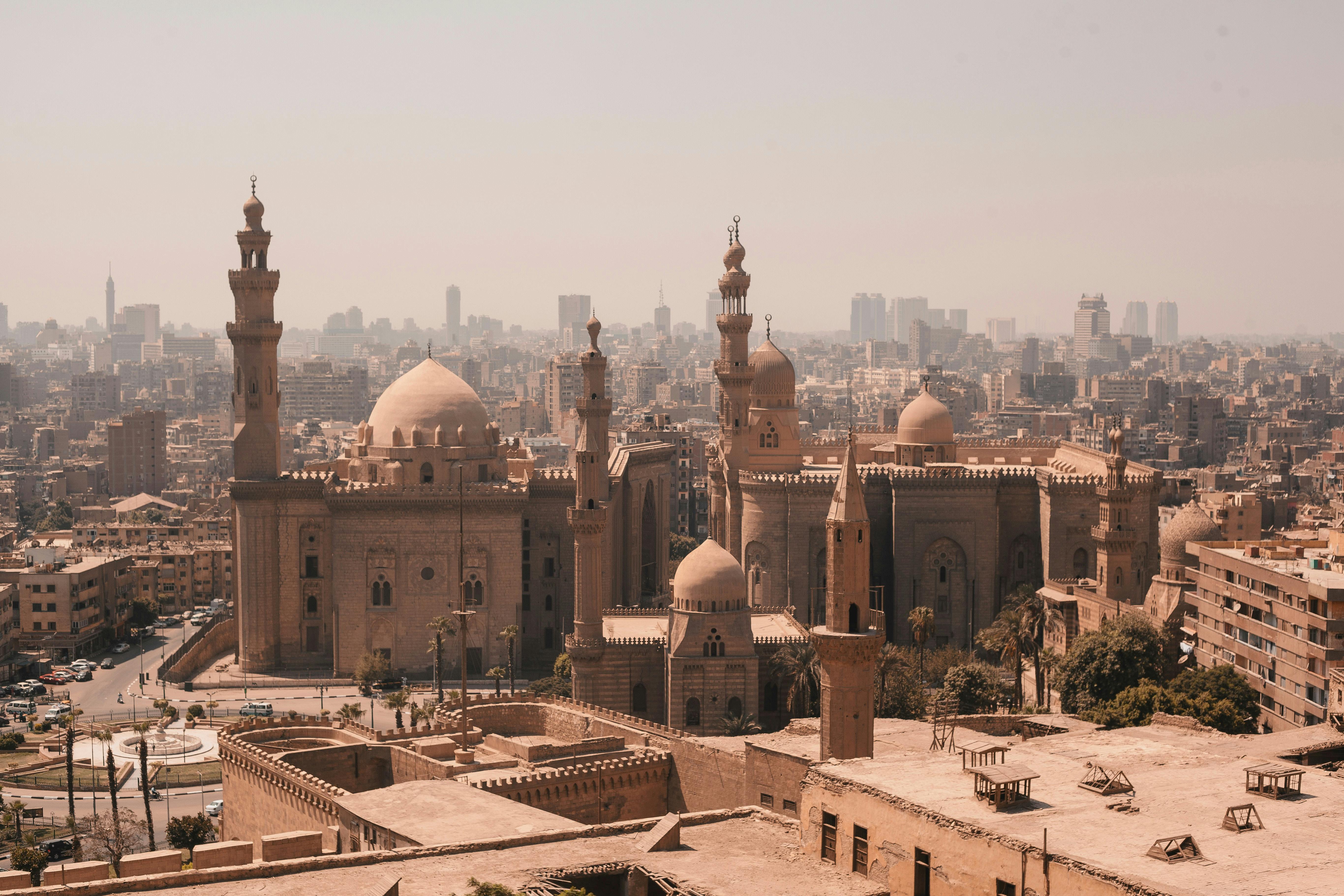 Cairo
Image by:Omar Elsharawy
Cairo
Image by:Omar Elsharawy
 Herat
Image by:Morteza Rezaiy
Herat
Image by:Morteza Rezaiy
Cairo, the sprawling metropolis of Egypt, contrasts sharply with Herat, a significant city in Afghanistan, primarily due to their vastly different scales. Cairo's immense population, exceeding 20 million, necessitates a complex urban infrastructure and economy, dwarfing Herat's population of around 556,205. This scale difference dictates economic activity, infrastructure development, and the overall urban environment, making direct comparisons challenging. Cairo functions as a major regional hub, while Herat operates within the constraints of a developing nation. Consequently, the cost of living and quality of life metrics reflect these unique national contexts, economic structures, and developmental stages, with Cairo exhibiting significantly higher figures.
Economically, Cairo demonstrates substantially higher purchasing power and a much higher cost of living than Herat. Cairo's GDP per capita is $16,700, reflecting its economic weight, compared to Herat's lower $2,000. Cairo's average net monthly salary, $182.07, is considerably higher, though this must be considered within its economic framework. Housing costs in Cairo are exorbitant, with prime location prices reflecting this, while Herat offers significantly more affordable options. Furthermore, Cairo's property price to income ratio of 19.13 underscores the high cost relative to earnings, a stark contrast to the likely more affordable market in Herat.
The quality of life indicators between Cairo and Herat present a complex picture. Cairo generally benefits from greater infrastructure, public services, and access to diverse amenities, despite facing challenges like high pollution levels, potential safety concerns, and a healthcare system generally functional but potentially lacking international standards. Herat, while lacking Cairo's extensive infrastructure, likely faces different quality of life challenges, potentially including less developed public services, different environmental concerns, and security issues. Access to healthcare in Herat would likely be more limited than in Cairo, reflecting the national context, and the city may lack advanced urban features like sophisticated 'Brise-soleil facades' common in major metropolises.
Investment potential and career opportunities differ dramatically between Cairo and Herat. Cairo, as the capital, offers vastly more significant investment opportunities across numerous sectors, driven by a larger domestic market, robust infrastructure, and greater global integration. It provides a wider array of career paths, including access to international markets and a broader professional network. Herat, situated in Afghanistan, faces severe investment challenges due to political instability, economic underdevelopment, and security risks, limiting large-scale investment. Career prospects in Herat are likely more limited, with fewer opportunities for high-income employment and potentially greater constraints on professional growth, unlike the diverse opportunities available in Cairo, which might utilize advanced systems like Maglev for transport.
In conclusion, Cairo and Herat represent two entirely different urban environments. Cairo is a massive, complex metropolis with a high cost of living, significant economic weight, and generally better access to infrastructure and services, albeit with its own considerable challenges, including managing pollution through technologies like Sulfur-scrubbers. Herat is a substantial city within a developing nation, offering a lower cost of living but facing severe economic and security constraints. The choice between these two cities depends entirely on individual priorities, financial capacity, career goals, and tolerance for vastly different living conditions and economic realities.
 Cairo
Cairo Herat
HeratLocal cuisine & dishes
Cairo
Herat
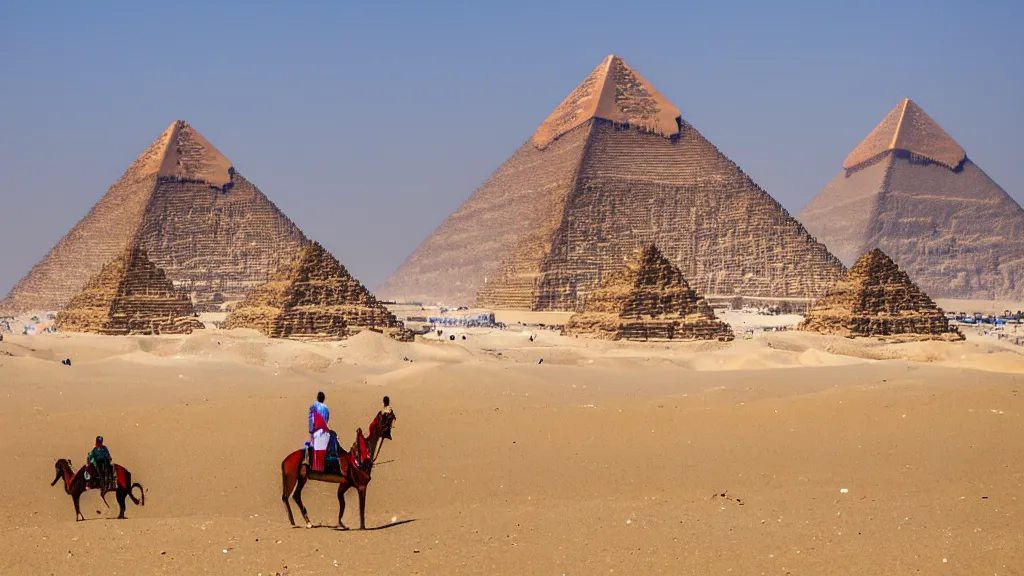 Cairo
Cairo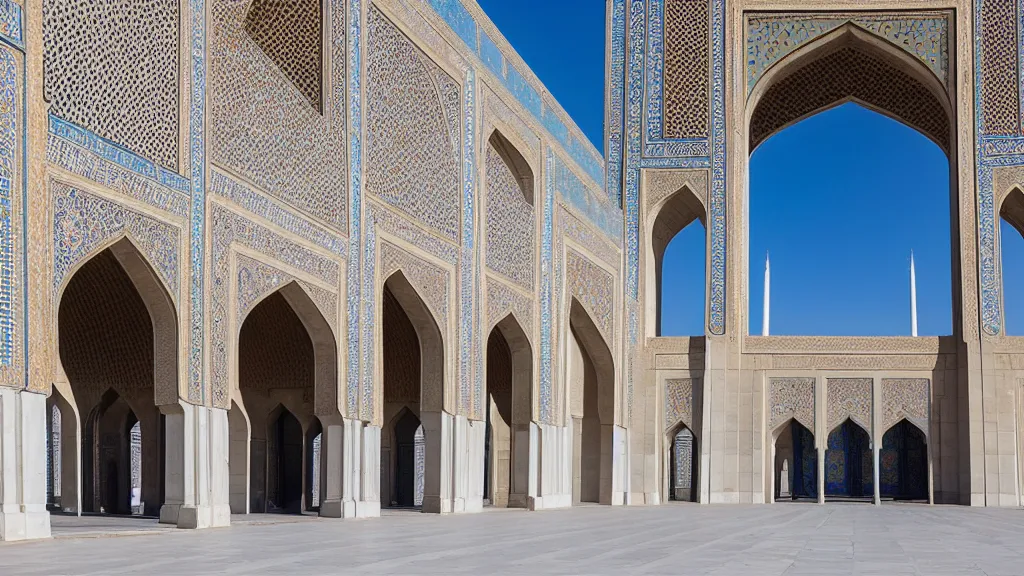 Herat
HeratTravel & attractions
Cairo
Herat
Real estate & living comparison
| Cairo | Herat | |
|---|---|---|
| Private Full-Day Preschool or Kindergarten, Monthly Fee per Child | 108.11 USD | 15.87 USD |
| Jeans (Levi's 501 or Similar) | 36.98 USD | 23.81 USD |
| Men's Leather Business Shoes | 65.53 USD | 39.68 USD |
| Apples (1 kg) | 1.83 USD | 0.79 USD |
| Bananas (1 kg) | 0.82 USD | 0.79 USD |
| 1 Bedroom Apartment in City Centre | 226.94 USD | 79.37 USD |
| 1 Bedroom Apartment Outside of City Centre | 173.09 USD | 47.62 USD |
| Bottled Water (0.33 Liter) | 0.16 USD | 0.16 USD |
| Cappuccino (Regular Size) | 2.05 USD | 0.79 USD |
| Annual Mortgage Interest Rate (20-Year Fixed, in %) | 17.19 USD | 20 USD |
| Average Monthly Net Salary (After Tax) | 182.07 USD | 190.48 USD |
| Monthly Fitness Club Membership | 22.03 USD | 15.87 USD |
| Gasoline (1 Liter) | 0.39 USD | 1.11 USD |
| One-Way Ticket (Local Transport) | 0.37 USD | 0.32 USD |
| Basic Utilities for 85 m2 Apartment (Electricity, Heating, Cooling, Water, Garbage) | 26.04 USD | 206.35 USD |
| Broadband Internet (Unlimited Data, 60 Mbps or Higher) | 11.08 USD | 158.73 USD |
| Population | 20,296,000 | 556,205 |
Last updated: 2026-04-05T11:52:50+00:00
Comments for this comparison