
Cam Ranh vs. São Paulo: Detailed 2026 Cost of Living & Quality Comparison
 Cam Ranh
Image by:Bắp Studio
Cam Ranh
Image by:Bắp Studio
 Sao Paulo
Image by:Vinícius Pimenta
Sao Paulo
Image by:Vinícius Pimenta
São Paulo operates on a vastly different scale from Cam Ranh, reflecting their divergent roles in the global economy. The Brazilian metropolis, with its population exceeding 23 million, functions as a major economic engine, evidenced by its significantly higher GDP per capita of $19,000 USD compared to the less developed Cam Ranh, which has an estimated population of around 146,771. This economic disparity translates directly into the cost structure, particularly housing. While precise figures for Cam Ranh's property market are lacking, São Paulo's city center apartment prices reach approximately $2,853 USD per square meter, coupled with high mortgage interest rates of 12.1%. This combination positions São Paulo as a high-reward, high-cost environment, whereas Cam Ranh's economic profile, indicated by lower cost of living indices, suggests a lower average income level and potentially less developed property markets.
The financial burden of living in São Paulo is significantly greater than in Cam Ranh, extending beyond just housing. Basic utilities, groceries, and transportation costs are cheaper in the Vietnamese coastal city, reflecting its lower overall cost of living. São Paulo's high cost of living is further underscored by its superior quality of life metrics, such as a Quality of Life Index of 98.3 and a Purchasing Power Index of 58.71, compared to Cam Ranh's considerably lower indices (e.g., 47.39). This gap is also visible in healthcare, where São Paulo scores 60.26, suggesting better access or quality, versus Cam Ranh's lower score. While Cam Ranh's safety and environmental pollution index (79.21) are not directly comparable, its lower quality of life score implies potential deficiencies in these areas relative to São Paulo's more developed infrastructure, despite the latter's challenges with traffic and pollution.
For those considering investment and career prospects, São Paulo presents a more dynamic, albeit demanding, landscape. Its high GDP per capita and population growth rate of 0.61% indicate a thriving, albeit expensive, economy offering diverse job opportunities, particularly in finance and business, likely with higher potential earnings. The lower mortgage interest rate of 12.1% might be viewed positively for long-term investment in property. Conversely, Cam Ranh's investment potential appears more limited and niche, tied primarily to tourism development within its economic zone. The lack of comprehensive economic data and clear indicators of diverse job markets suggests a less developed economic base compared to the megacity, making São Paulo the clear choice for those prioritizing extensive career opportunities and economic dynamism.
Cam Ranh's significantly lower cost of living, while attractive for budget constraints, comes with substantial trade-offs in quality of life and economic opportunity. Basic living expenses are considerably cheaper than in São Paulo, making day-to-day costs more manageable. However, this lower cost structure is likely mirrored by lower salaries, hindering savings potential. The city's quality of life metrics paint a picture of fewer amenities, potentially less developed healthcare access, and challenges in safety and environmental quality compared to São Paulo. São Paulo, despite its high costs, offers superior infrastructure, better healthcare access, and vastly superior job market prospects, making it the location for those seeking maximum economic opportunity and a higher standard of living, albeit at a significant financial cost.
Ultimately, Cam Ranh and São Paulo are polar opposites in the urban landscape, offering fundamentally different experiences and priorities. São Paulo, with its high GDP per capita, expensive housing, and superior quality of life indices, caters to those seeking the dynamism and resources of a major global metropolis. Cam Ranh, conversely, presents a lower-cost alternative but with significantly fewer amenities, a less developed economy, and a lower quality of life baseline. The decision hinges entirely on individual priorities: São Paulo delivers high reward and amenity access at a premium price, while Cam Ranh offers financial relief but sacrifices significant aspects of urban life and opportunity.
 Cam Ranh
 Sao Paulo
Local cuisine & dishes
Cam Ranh
Sao Paulo
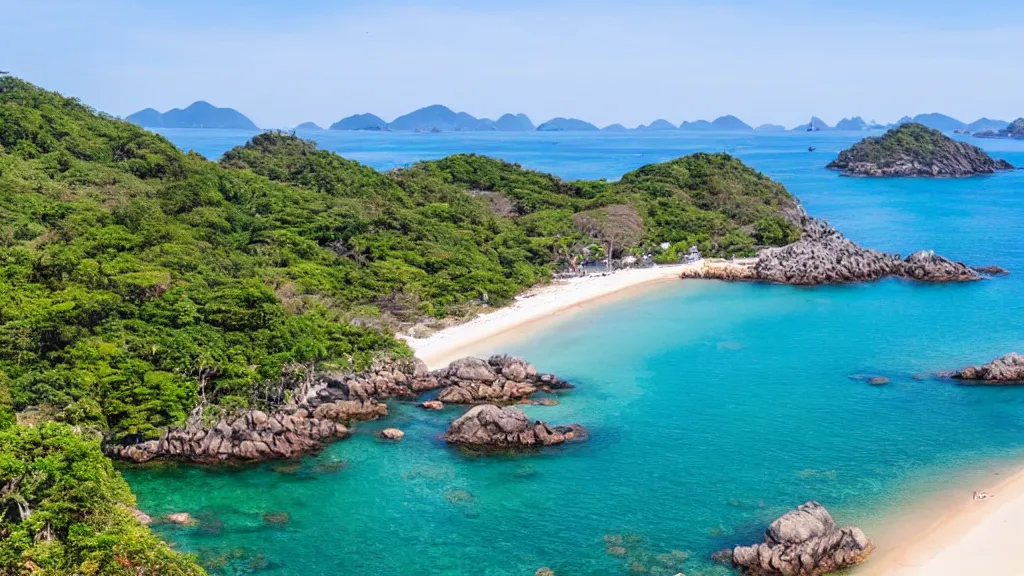 Cam Ranh
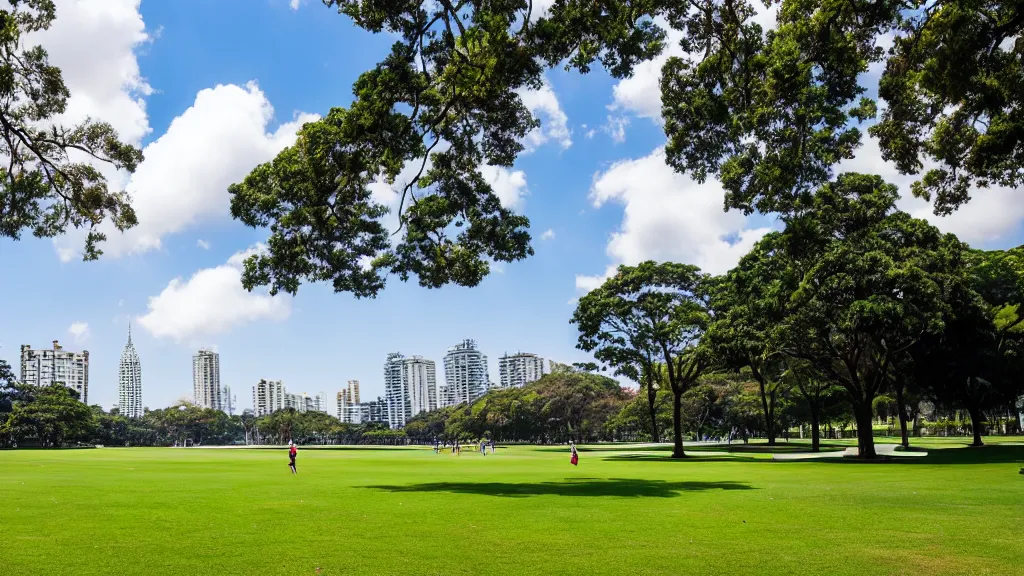 Sao Paulo
Travel & attractions
Cam Ranh
Sao Paulo
Real estate & living comparison
| Cam Ranh | Sao Paulo | |
|---|---|---|
| International Primary School, Annual Tuition per Child | 3818.5 USD | 16968.71 USD |
| Private Full-Day Preschool or Kindergarten, Monthly Fee per Child | 286.39 USD | 495.59 USD |
| Jeans (Levi's 501 or Similar) | 41.14 USD | 63.8 USD |
| Nike Running Shoes (Mid-Range) | 49.09 USD | 98.43 USD |
| Apples (1 kg) | 1.91 USD | 2.88 USD |
| Bananas (1 kg) | 0.8 USD | 1.89 USD |
| Bottled Water (0.33 Liter) | 0.23 USD | 0.89 USD |
| Cappuccino (Regular Size) | 1.69 USD | 2.12 USD |
| Cinema Ticket (International Release) | 1.91 USD | 9.67 USD |
| Gasoline (1 Liter) | 0.83 USD | 1.17 USD |
| Taxi 1 km (Standard Tariff) | 0.57 USD | 0.82 USD |
| Basic Utilities for 85 m2 Apartment (Electricity, Heating, Cooling, Water, Garbage) | 77.06 USD | 84.34 USD |
| Broadband Internet (Unlimited Data, 60 Mbps or Higher) | 9.32 USD | 20.71 USD |
| Population | 146,771 | 23,086,000 |
Last updated: 2026-04-05T11:49:44+00:00
Comments for this comparison