
Fukui vs. Sao Paulo: Detailed 2026 Cost of Living & Quality Comparison
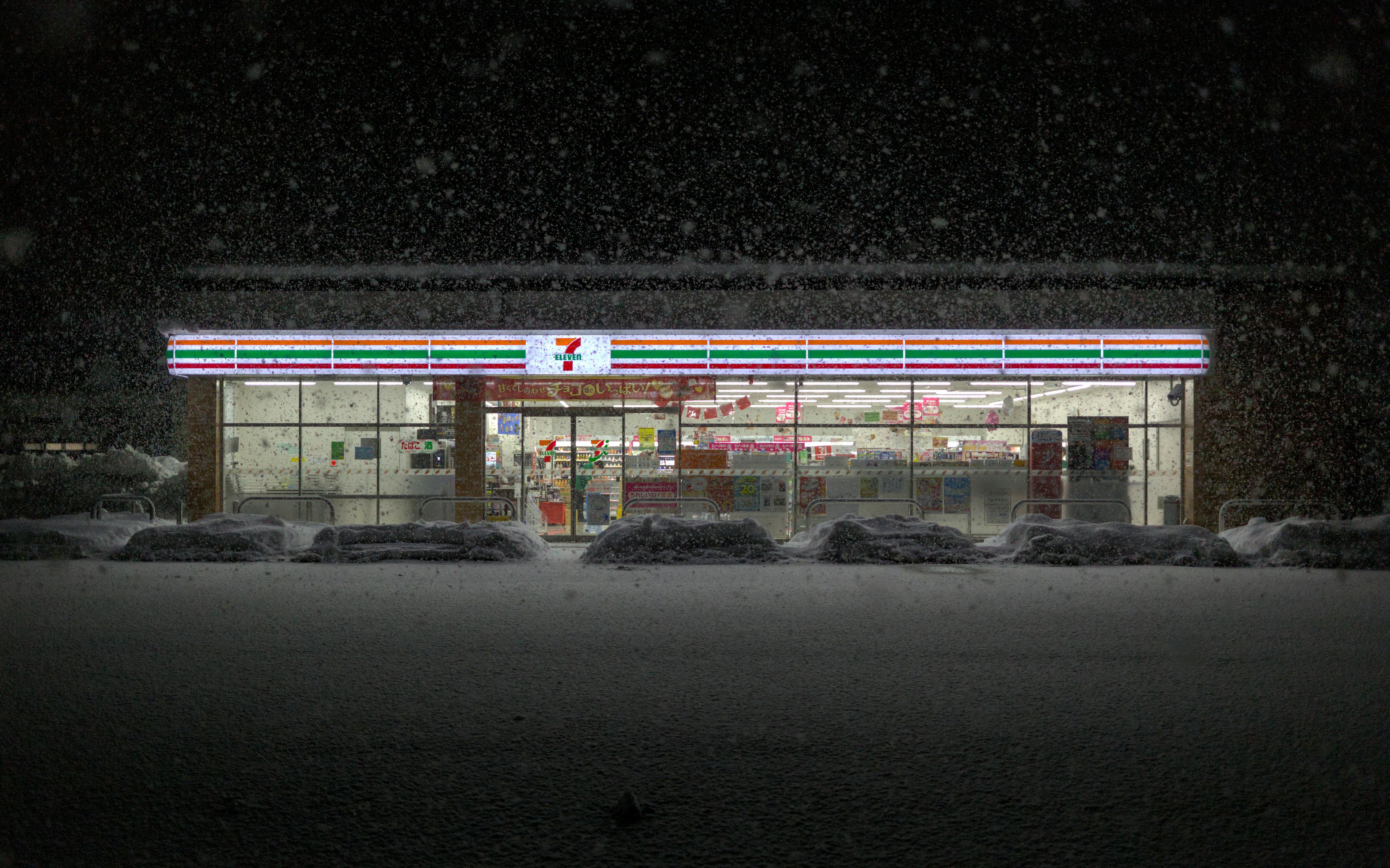 Fukui
Image by:Julien
Fukui
Image by:Julien
 Sao Paulo
Image by:Vinícius Pimenta
Sao Paulo
Image by:Vinícius Pimenta
Fukui offers a distinct advantage in quality of life, particularly regarding safety and environmental factors. Its streets are generally quieter, air quality is cleaner, and the overall perception of security is higher than in São Paulo. While the city possesses well-maintained public spaces, this perception of safety and environmental cleanliness is significantly better than what is often experienced in major South American metropolises like São Paulo. Access to reliable healthcare and education, underpinned by Japan's national standards, is another area where Fukui presents a more favourable picture.
The cost of living paints a starkly different picture, with Fukui being considerably more expensive than São Paulo, especially concerning accommodation. Rent for a 1-bedroom apartment in the city centre is a substantial USD 1,050 per month in Fukui, dwarfing the USD 520 figure in São Paulo. This contrasts sharply with property prices per square meter, where Fukui's USD 1,050/m² is significantly lower than São Paulo's USD 2,583/m², though the actual rent difference remains immense. Groceries are cheaper in São Paulo, while dining out for two at a mid-range restaurant is moderately priced in both, though imported goods can carry a higher cost in Japan.
The gap in housing costs is particularly pronounced when considering affordability. While São Paulo's property market appears cheaper on paper due to its higher price per square meter, the reality for renters is that São Paulo offers a much more budget-friendly option for securing a place to live. Utilities are a negligible difference, USD 100/month versus USD 110/month, but the overall financial burden of housing in Fukui's core is significantly higher than in São Paulo.
Childcare expenses show minimal variation between the two cities for standard options, with private preschools slightly cheaper in São Paulo. However, the cost of providing a child with a high-quality international primary education tells a different story entirely. Annual tuition fees for such schooling are USD 13,540 in São Paulo and USD 12,000 in Fukui, meaning international education is actually slightly more expensive in Japan for this level.
Economically, the comparison reveals contrasting priorities. São Paulo boasts a significantly higher GDP per capita (USD 19,000) and a slightly faster economic growth rate (2.91%) compared to Fukui's USD 37,500 GDP per capita and a near negligible 0.01% growth rate. Yet, the average monthly net salary in Fukui (USD 1,260) is considerably higher than the USD 654 found in São Paulo, even if adjusted for the lower cost of living there. Furthermore, securing a mortgage in São Paulo involves a prohibitively high interest rate of 12.1%, compared to the remarkably low 0.89% in Fukui, reflecting vastly different lending environments.
 Fukui
Fukui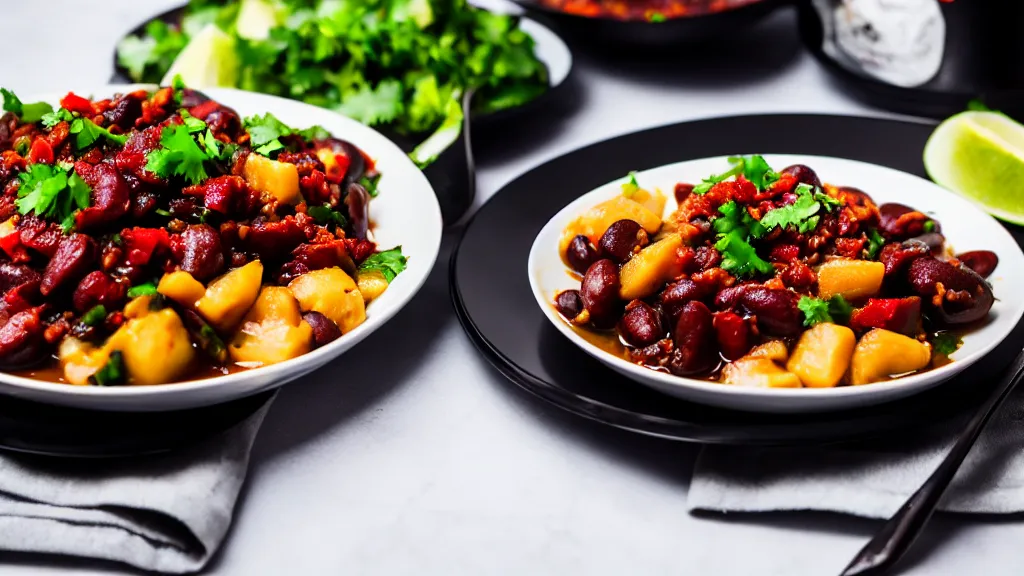 Sao Paulo
Local cuisine & dishes
Fukui
Sao Paulo
 Fukui
Fukui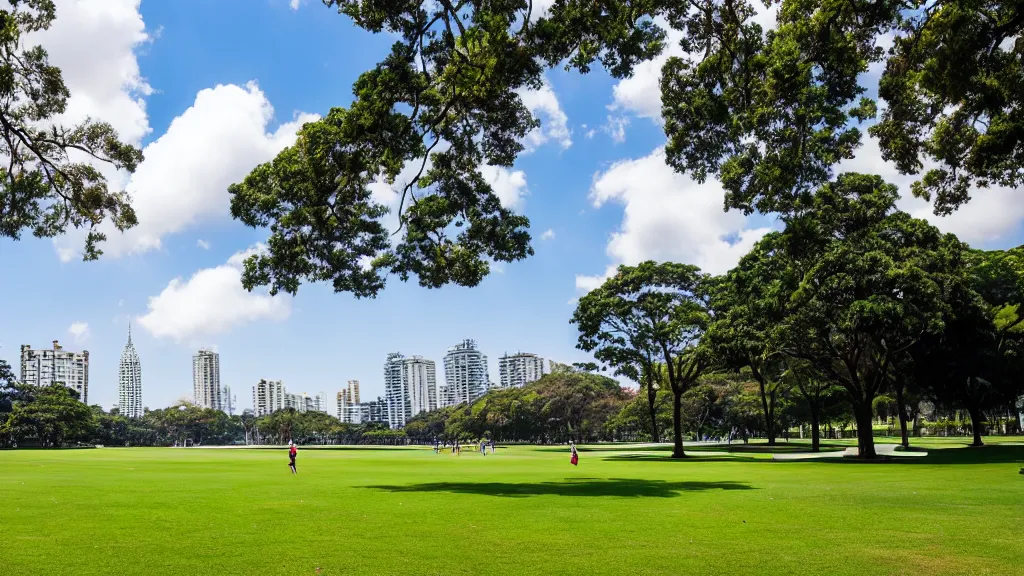 Sao Paulo
Travel & attractions
Fukui
Sao Paulo
Real estate & living comparison
| Fukui | Sao Paulo | |
|---|---|---|
| Price per Square Meter to Buy Apartment in City Centre | 1272.06 USD | 2852.59 USD |
| International Primary School, Annual Tuition per Child | 9530.89 USD | 16968.71 USD |
| Private Full-Day Preschool or Kindergarten, Monthly Fee per Child | 518.57 USD | 495.59 USD |
| Jeans (Levi's 501 or Similar) | 19.06 USD | 63.8 USD |
| Men's Leather Business Shoes | 31.77 USD | 88.72 USD |
| Apples (1 kg) | 3.29 USD | 2.88 USD |
| Bananas (1 kg) | 1.97 USD | 1.89 USD |
| 1 Bedroom Apartment in City Centre | 254.41 USD | 670.24 USD |
| 1 Bedroom Apartment Outside of City Centre | 159.01 USD | 452.92 USD |
| Bottled Water (0.33 Liter) | 0.44 USD | 0.89 USD |
| Cappuccino (Regular Size) | 2.86 USD | 2.12 USD |
| Annual Mortgage Interest Rate (20-Year Fixed, in %) | 1 USD | 12.1 USD |
| Average Monthly Net Salary (After Tax) | 1939.89 USD | 834.04 USD |
| Cinema Ticket (International Release) | 6.99 USD | 9.67 USD |
| Monthly Fitness Club Membership | 31.77 USD | 39.47 USD |
| Gasoline (1 Liter) | 1.07 USD | 1.17 USD |
| Monthly Public Transport Pass (Regular Price) | 31.77 USD | 47.67 USD |
| Basic Utilities for 85 m2 Apartment (Electricity, Heating, Cooling, Water, Garbage) | 88.95 USD | 84.34 USD |
| Broadband Internet (Unlimited Data, 60 Mbps or Higher) | 32.15 USD | 20.71 USD |
| Population | 261,474 | 23,086,000 |
Last updated: 2026-04-05T04:52:24+00:00
Comments for this comparison