
Dong Ha vs. Fukui: Detailed 2026 Cost of Living & Quality Comparison
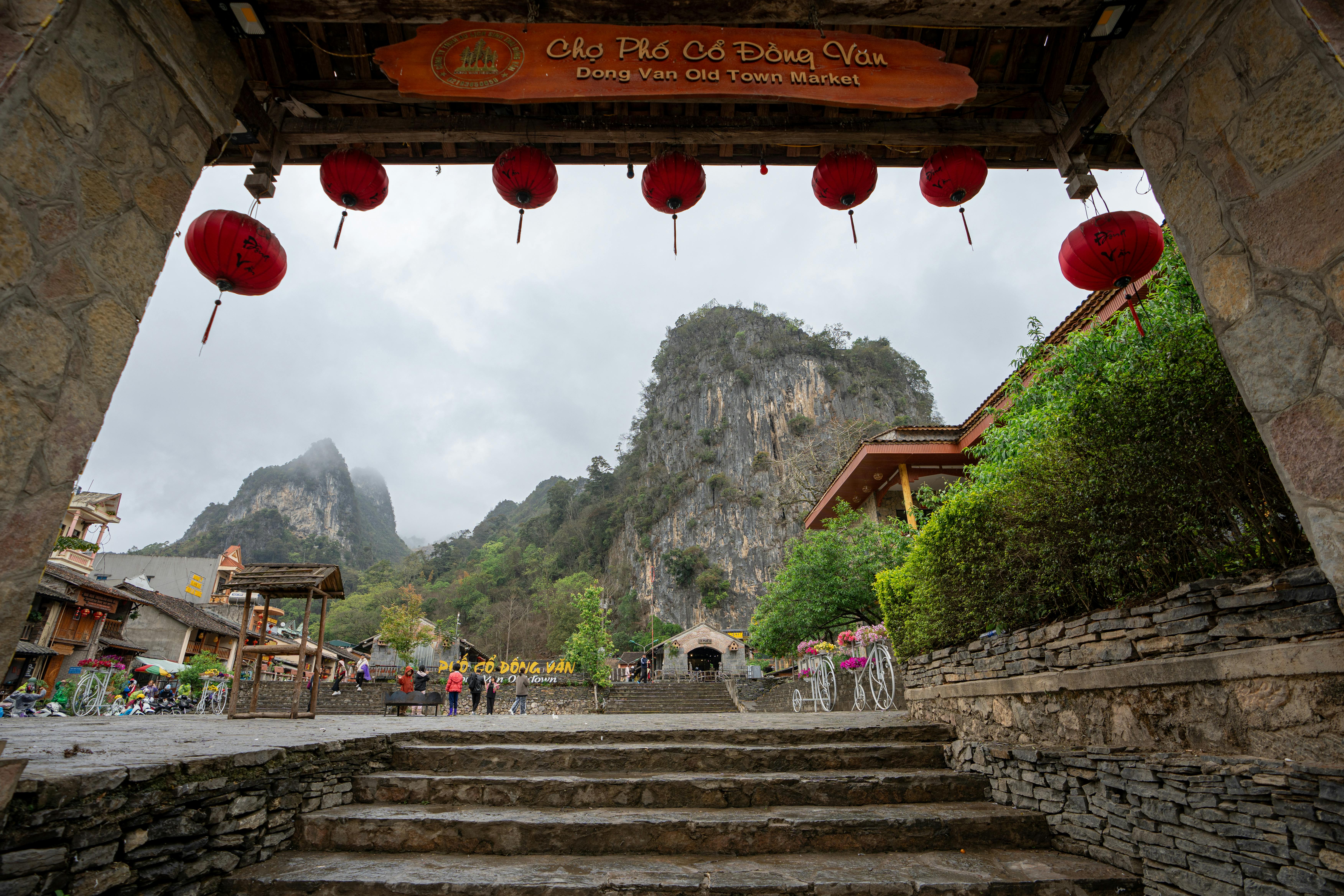 Dong Ha
Image by:Nguyen Khuong
Dong Ha
Image by:Nguyen Khuong
 Fukui
Image by:Julien
Fukui
Image by:Julien
Dong Ha, a developing Vietnamese city, is experiencing rapid economic growth but still contends with less mature infrastructure and a lower quality of life baseline. In stark contrast, Fukui in Japan presents a highly developed environment characterized by advanced infrastructure, significant economic stability, and a high standard of living. This comparison for 2026 reveals fundamental differences in cost, housing, and quality of life, making them distinct choices for relocation, investment, or business. Dong Ha offers potential for future development, while Fukui represents a stable, established market.
Economically, the gap between Dong Ha and Fukui is clear. Dong Ha's GDP per capita is significantly lower ($13,500) than Fukui's ($46,200). While Dong Ha's property prices are cheaper, with the city centre reaching $1,272 per square meter, its mortgage interest rate is substantially higher at 10.67%. Crucially, despite Fukui's higher cost of living, its average net salary ($1,940) is considerably higher than Dong Ha's ($1,150), reflecting its more prosperous economic base.
The quality of life in Fukui is markedly superior to Dong Ha across key areas like safety, healthcare access, and public services. Fukui scores much higher on quality metrics, benefiting from better infrastructure and amenities. This advantage offsets potential lower taxes or less competitive environments in Dong Ha. The data indicates residents in Fukui enjoy a higher standard of living and greater overall satisfaction.
For investment and career prospects in 2026, the trade-offs are evident. Dong Ha offers potentially higher returns due to its lower base costs and faster projected growth (5.05% vs. 1.68%), particularly in real estate. However, Fukui provides more stable opportunities with lower mortgage rates (1.0%) and a secure job market, albeit with potentially slower advancement. Dong Ha might promise quicker career progression but comes with greater job insecurity and less developed professional support systems.
Ultimately, the choice between Dong Ha and Fukui hinges on individual priorities. Fukui is the better option for those prioritizing established infrastructure, financial security, and a high quality of life, accepting the associated higher costs. Dong Ha, conversely, appeals to those seeking lower base costs and significant development potential, but at the cost of immediate quality of life and financial stability. Both cities offer viable options, representing a developing versus a mature market.
 Dong Ha
 Fukui
FukuiLocal cuisine & dishes
Dong Ha
Fukui
 Dong Ha
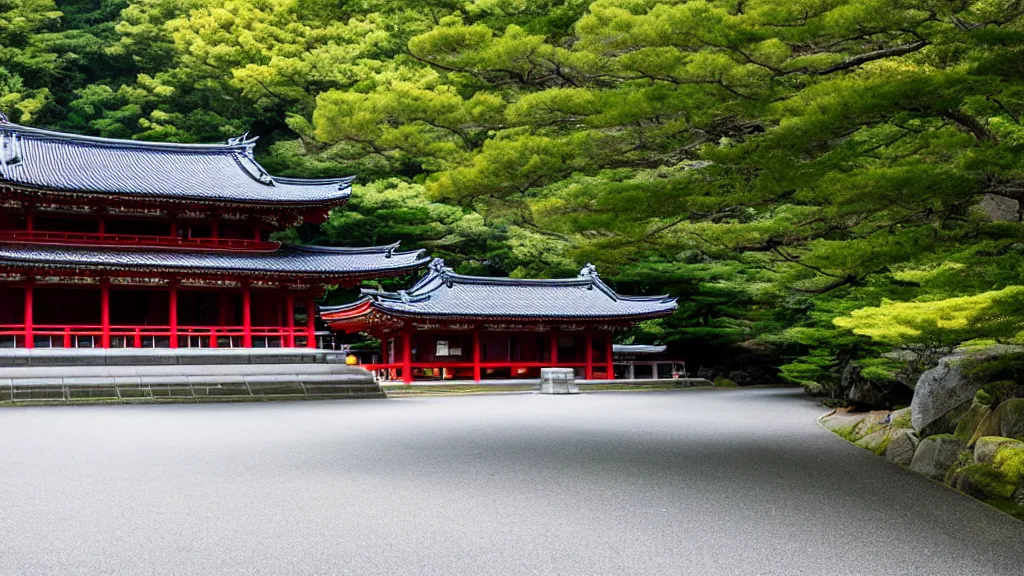 Fukui
FukuiTravel & attractions
Dong Ha
Fukui
Real estate & living comparison
| Dong Ha | Fukui | |
|---|---|---|
| International Primary School, Annual Tuition per Child | 15000 USD | 9530.89 USD |
| Private Full-Day Preschool or Kindergarten, Monthly Fee per Child | 160.52 USD | 518.57 USD |
| Jeans (Levi's 501 or Similar) | 35.35 USD | 19.06 USD |
| Men's Leather Business Shoes | 76.44 USD | 31.77 USD |
| Apples (1 kg) | 2.54 USD | 3.29 USD |
| Bananas (1 kg) | 1.07 USD | 1.97 USD |
| Bottled Water (0.33 Liter) | 0.32 USD | 0.44 USD |
| Cappuccino (Regular Size) | 1.57 USD | 2.86 USD |
| Annual Mortgage Interest Rate (20-Year Fixed, in %) | 10.67 USD | 1 USD |
| GDP Growth Rate: | 5.05 USD | 1.68 USD |
| Cinema Ticket (International Release) | 3.06 USD | 6.99 USD |
| Gasoline (1 Liter) | 0.81 USD | 1.07 USD |
| Taxi 1 Hour Waiting (Standard Tariff) | 19.11 USD | 21.6 USD |
| Basic Utilities for 85 m2 Apartment (Electricity, Heating, Cooling, Water, Garbage) | 76.46 USD | 88.95 USD |
| Broadband Internet (Unlimited Data, 60 Mbps or Higher) | 6.98 USD | 32.15 USD |
| Population | 164,228 | 261,474 |
Last updated: 2026-04-05T11:49:25+00:00
Comments for this comparison