
Dipolog vs. Abeokuta: Detailed 2026 Cost of Living & Quality Comparison
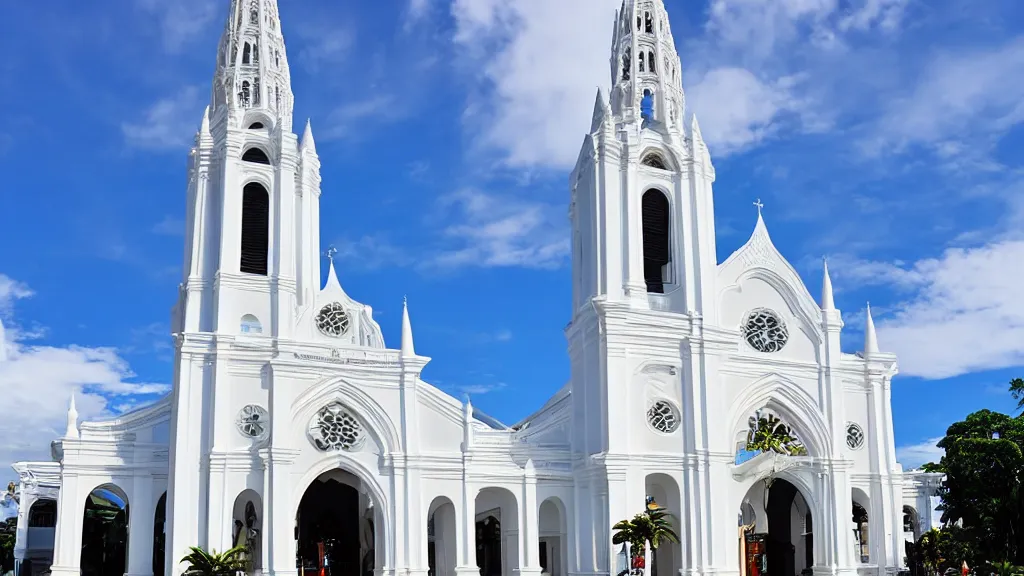
 Dipolog
Image by:Charlou Mark Sangoan
Dipolog
Image by:Charlou Mark Sangoan
 Abeokuta
Image by:Kehinde Bakare
Abeokuta
Image by:Kehinde Bakare
Dipolog and Abeokuta present fundamentally different profiles for potential residents and investors in 2026. Dipolog, with a population of 138,141, boasts a higher GDP per capita ($9,900) than Abeokuta's ($5,600), suggesting a potentially more developed urban economy within the Philippines. However, Abeokuta shows a faster population growth rate (2.52%) compared to Dipolog's (1.56%), possibly indicating stronger recent population attraction. The average net salary in Dipolog ($257.64/month) is considerably higher than in Abeokuta ($59.42/month), reflecting differing economic levels, yet this must be viewed alongside the vastly different cost structures.
The economic disparity is starkly reflected in the cost of living and housing. While basic groceries like white rice are substantially cheaper in Dipolog ($0.86/kg) than in Abeokuta ($1.45/kg), transportation costs for cars are comparable. Significantly, most restaurant meals and alcoholic beverages are much cheaper in Abeokuta. Housing costs reveal a major gap: the most expensive 1-bedroom apartment in Dipolog's city center is $171.76/month, a fraction of the $700.00/month found in Abeokuta, even considering cheaper options outside the center. This gap extends to property prices, which are substantially lower in Dipolog than in Abeokuta.
Assessing quality of life presents a complex picture based on the available metrics. Dipolog's data primarily references Cebu's quality score (241.3), which is considerably lower than scores for some Nigerian locations, including areas surrounding Abeokuta (ranging from 57.04 in Sagamu to 216.41 in Ondo). This suggests potential regional variations in quality perception. Access to services differs markedly; private kindergarten is significantly more expensive in Abeokuta ($670.17/month) than in Dipolog ($298.20/month), though international primary school tuition is substantially lower in Abeokuta ($450.96/year) compared to Dipolog ($8,635.83/year). Healthcare access isn't directly quantified, but factors like safety and public health are implicitly part of the quality scores.
For career prospects and investment, the data points towards different opportunities. Dipolog's GDP growth rate (5.55%) is higher than Abeokuta's (2.86%), potentially indicating a more dynamic private sector. The significantly higher average net salary in Dipolog ($257.64/month) compared to Abeokuta ($59.42/month) suggests better-paying jobs are available, likely in manufacturing, services, or trade. Despite Dipolog's lower property prices relative to its salary, the lower interest rate (7.0%) in Dipolog might slightly ease homeownership compared to Abeokuta (10.0%). Investment in real estate appears more promising in Dipolog given the lower property prices, although the economic growth rate is higher in Dipolog. Abeokuta's lower salaries and potentially higher inflation could make long-term investment riskier, despite the faster population growth.
Ultimately, Dipolog and Abeokuta offer contrasting environments. Dipolog presents a lower cost of living overall, with significantly cheaper groceries, transportation, utilities, and housing, coupled with higher average salaries, making it potentially more affordable for a given income. However, the quality of life metrics suggest that certain aspects, possibly related to urban amenities or public services, might be rated lower according to the provided indices compared to some areas surrounding Abeokuta. The decision hinges on individual priorities: those prioritizing lower expenses and potentially better value for money might prefer Dipolog, while those seeking potentially higher quality of life scores or different career/lifestyle opportunities within Nigeria's major zones might consider Abeokuta, despite the higher cost burden.
 Dipolog
 Abeokuta
Local cuisine & dishes
Dipolog
Abeokuta
 Dipolog
 Abeokuta
Travel & attractions
Dipolog
Abeokuta
Real estate & living comparison
| Dipolog | Abeokuta | |
|---|---|---|
| International Primary School, Annual Tuition per Child | 8635.83 USD | 450.96 USD |
| Private Full-Day Preschool or Kindergarten, Monthly Fee per Child | 298.2 USD | 670.17 USD |
| Jeans (Levi's 501 or Similar) | 52.57 USD | 18.13 USD |
| Men's Leather Business Shoes | 62.55 USD | 68.08 USD |
| Apples (1 kg) | 1.72 USD | 2.59 USD |
| Bananas (1 kg) | 1.37 USD | 1.83 USD |
| 1 Bedroom Apartment in City Centre | 171.76 USD | 700 USD |
| 1 Bedroom Apartment Outside of City Centre | 85.88 USD | 700 USD |
| Bottled Water (0.33 Liter) | 0.3 USD | 0.16 USD |
| Cappuccino (Regular Size) | 2.15 USD | 2.59 USD |
| Annual Mortgage Interest Rate (20-Year Fixed, in %) | 7 USD | 10 USD |
| Average Monthly Net Salary (After Tax) | 257.64 USD | 59.42 USD |
| Cinema Ticket (International Release) | 5.15 USD | 6.22 USD |
| Monthly Fitness Club Membership | 17.18 USD | 12.81 USD |
| Gasoline (1 Liter) | 0.99 USD | 0.62 USD |
| Taxi 1 Hour Waiting (Standard Tariff) | 4.79 USD | 2.63 USD |
| Basic Utilities for 85 m2 Apartment (Electricity, Heating, Cooling, Water, Garbage) | 73 USD | 113.97 USD |
| Broadband Internet (Unlimited Data, 60 Mbps or Higher) | 25.76 USD | 15.77 USD |
| Population | 138,141 | 888,924 |
Last updated: 2026-04-05T11:25:58+00:00
Comments for this comparison