
Dubai vs. Asaba: Detailed 2026 Cost of Living & Quality Comparison
 Dubai
Image by:Denys Gromov
Dubai
Image by:Denys Gromov
 Asaba
Image by:Taiwo Samson,,
Asaba
Image by:Taiwo Samson,,
Dubai's economy in 2026 operates on a vastly different plane than Asaba's. With a GDP per capita nearly twelve times higher ($68,600 versus $5,600) and a significantly stronger GDP growth rate (3.62% versus 2.86%), Dubai presents a mature, expanding metropolis. This economic robustness translates directly into a high cost of living, particularly for essentials like housing. Property prices in the Dubai center reach $7,239.70 per square meter, far exceeding Asaba's likely costs, though specific figures for the Nigerian city are absent. The implication is clear: while Asaba offers lower economic hurdles, the path to prosperity in Dubai is paved with significantly higher financial demands.
The fundamental economic divide between these cities creates a substantial housing gap. Dubai's property and rental markets are among the most expensive globally, with a 1-bedroom apartment renting for nearly $2,334 per month in the city center alone. This high cost, coupled with a relatively low population growth rate (0.6%), suggests intense competition for housing. Asaba, despite its lower GDP per capita implying more accessible shelter, lacks detailed data, making a precise comparison impossible. The data available, however, strongly suggests a much more affordable housing market in Asaba compared to the emirate's financial powerhouse.
Beyond economics, quality of life indicators paint a picture of two worlds apart. Dubai excels in certain areas like safety (index 83.88) and healthcare (index 69.9), reflecting its advanced infrastructure and resources. However, this comes at a steep price, highlighted by a high Cost of Living Index (152.38) and a significant property price-to-income ratio. Asaba offers no comparable data on safety, healthcare access, commute times, or pollution levels. While its climate might be more temperate, the lack of information crucially prevents any meaningful assessment of its quality of life, leaving it in stark contrast to Dubai's documented advantages and disadvantages.
For career and investment, the choices are equally divergent. Dubai's strong economic fundamentals, low population growth despite its size, and established infrastructure make it an attractive hub for skilled professionals and businesses seeking international exposure. Yet, this dynamism requires a commensurate tolerance for high living expenses, especially housing. Asaba, conversely, presents a lower-cost environment but with less compelling economic indicators. Its lower GDP per capita and growth rate suggest fewer high-paying opportunities and a less developed business landscape, presenting a different, though less affluent, investment and career proposition.
Ultimately, comparing Dubai and Asaba is like comparing a global financial center with a regional economic node. Dubai's data reveals a high-cost, high-opportunity environment with advanced quality-of-life metrics in key areas, albeit with environmental challenges. Asaba, while significant within Nigeria, lacks the data and economic scale for a direct comparison. Crucially, the absence of comprehensive quality-of-life data for Asaba makes it impossible to gauge its living standards against Dubai's. The economic gap is vast, and the move from Asaba to Dubai necessitates a substantial income increase to bridge the enormous cost-of-living chasm.
 Dubai
Dubai Asaba
AsabaLocal cuisine & dishes
Dubai
Asaba
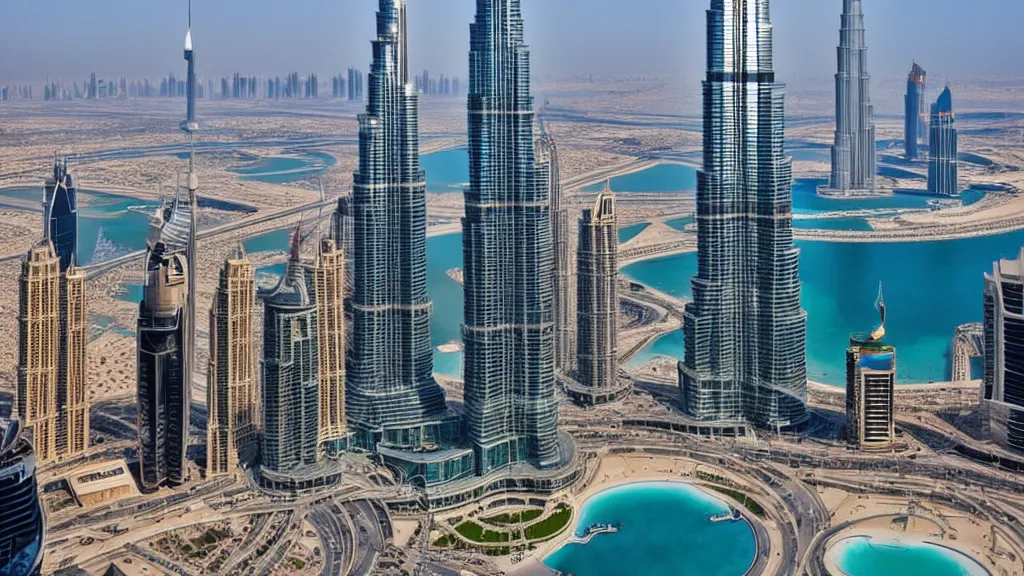 Dubai
Dubai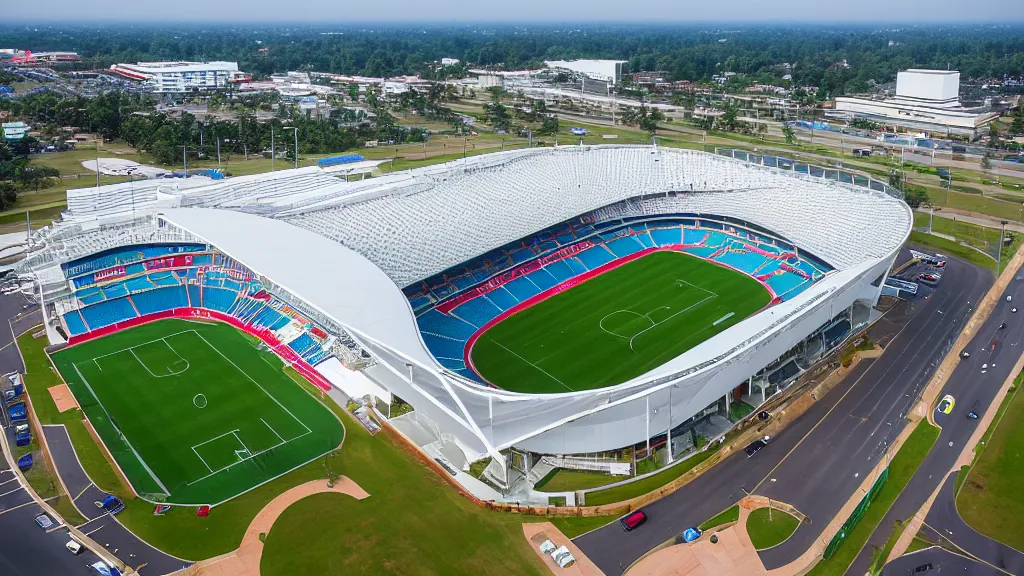 Asaba
AsabaTravel & attractions
Dubai
Asaba
Real estate & living comparison
| Dubai | Asaba | |
|---|---|---|
| International Primary School, Annual Tuition per Child | 16388.6 USD | 1105.45 USD |
| GDP Growth Rate: | 3.62 USD | 2.86 USD |
| GDP Per Capita ($) : | 68600 USD | 5600 USD |
| Population | 3,331,420 | 500,000 |
Last updated: 2026-04-05T11:23:18+00:00
Comments for this comparison