
Farah vs. Mohammedia: Detailed 2026 Cost of Living & Quality Comparison
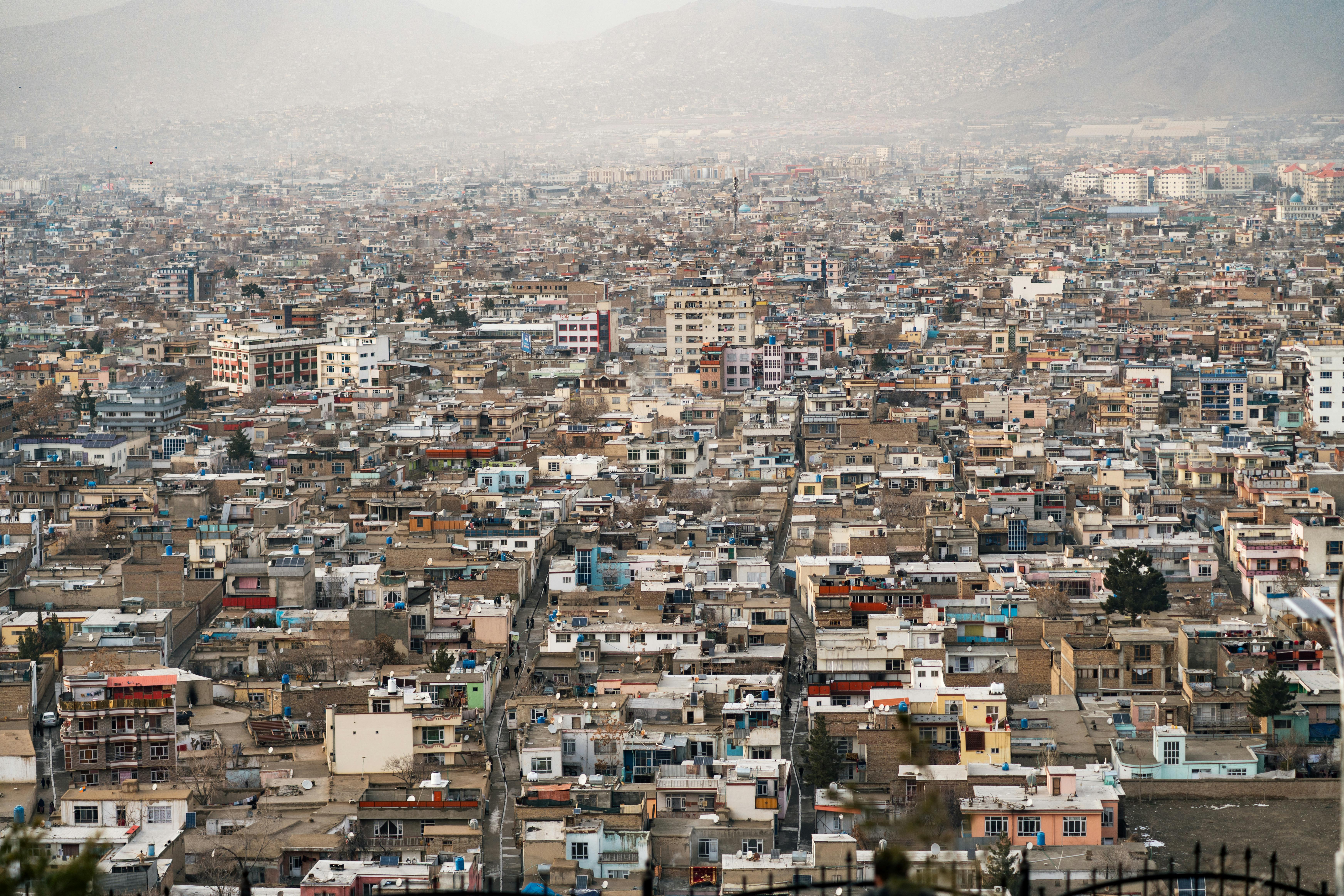 Farah
Image by:Faruk Tokluoğlu
Farah
Image by:Faruk Tokluoğlu
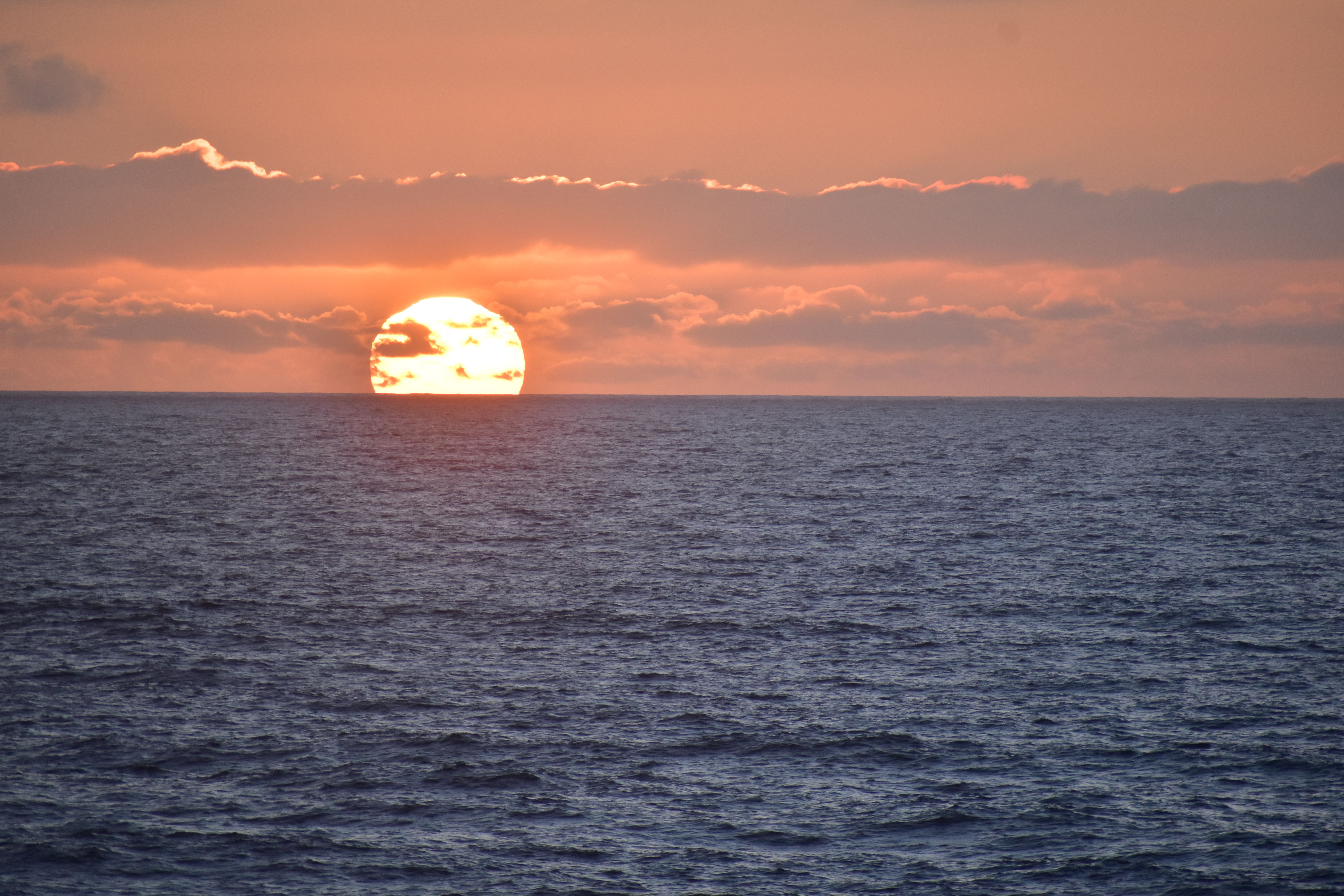 Mohammedia
Image by:Aymane TY
Mohammedia
Image by:Aymane TY
The stark difference between Farah, Afghanistan, and Mohammedia, Morocco, is most evident in the data's richness. Farah's profile, based on a population of 500,000, is built on sparse information, primarily limited population figures and quality-of-life indices for just two sub-locations. Conversely, Mohammedia offers a comprehensive dataset covering economic indicators, detailed cost-of-living metrics across numerous categories, extensive quality-of-life scores for various locations, and real estate figures. This significant disparity in data availability fundamentally limits the ability to draw direct, meaningful comparisons, particularly regarding economic factors and investment potential, leaving Farah's situation shrouded in a lack of quantifiable detail.
Economically, the data paints a clear picture favoring Mohammedia, albeit with some nuances. The Moroccan city boasts a GDP per capita of $8,900 USD and offers a low mortgage interest rate of 3.0%. The average net salary after tax is $577.09 USD monthly, reflecting local income levels. Crucially, property prices are quantified, with city centre apartments at $1,514.86 USD per square meter and outer areas at $1,027.94 USD per square (outside the centre). Rent is low, around $270.51 USD for a 1-bedroom apartment anywhere. In stark contrast, Farah provides virtually no economic data. While its population is larger, there are no figures for GDP per capita, average salaries, or mortgage rates. The limited housing data from two sub-locations lacks comparable rental costs or detailed economic metrics, making any economic comparison virtually impossible.
The housing gap between the two cities is readily apparent from the available numbers. Mohammedia's property market shows a clear distinction between city centre and outer areas, with prices ranging from $1,027.94 to $1,514.86 per square meter. Rent is significantly cheaper at $270.51 USD per month for a 1-bedroom unit. For Farah, specific housing costs beyond basic property prices (only available for two sub-locations) are entirely absent. There are no comparable rental figures provided, leaving a major gap in understanding the local housing affordability landscape, unlike the transparent picture offered for Mohammedia.
Assessing quality of life based on the limited data reveals a challenging comparison. Mohammedia provides scores for numerous locations, suggesting a gradient where higher scores generally indicate better perceived living conditions, potentially encompassing safety, healthcare, and amenities. For Farah, scores exist only for two sub-locations: Anar Darreh (131.58) and Sindand (148.63). While Sindand appears to have a higher score than Anar Darreh, these specific figures cannot be directly compared to the broader range of Moroccan cities' scores without knowing the underlying methodology. Furthermore, there is no direct comparison provided between these sub-location scores and the quality of life in Mohammedia itself, making definitive statements about relative living standards impossible.
Finally, the investment and career landscapes are vastly different, with Mohammedia offering a defined picture. Its GDP growth rate of 3.4% signals moderate expansion potential, and the low population growth rate of 0.84% suggests stability. The average net salary and detailed real estate data provide benchmarks for potential earnings and investment calculations. Farah, however, lacks virtually any data relevant to these critical areas. There are no figures for GDP growth, population trends, average salaries, or real estate investment potential beyond basic purchase prices for two sub-locations. This complete absence of economic and professional data renders any assessment of investment climate or career prospects in Farah inconclusive or entirely lacking, highlighting the limitations of the available information.
 Farah
Farah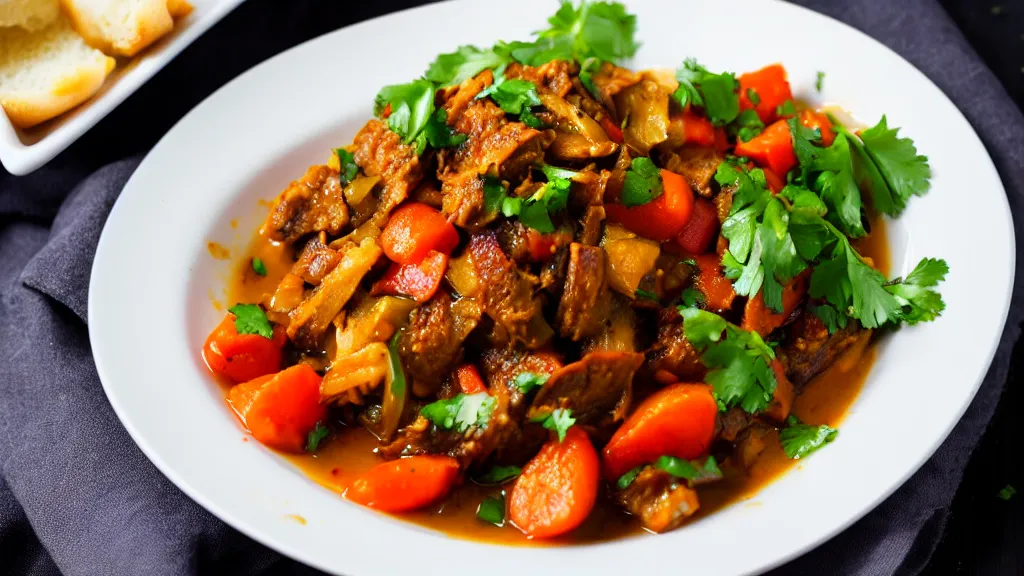 Mohammedia
Local cuisine & dishes
Farah
Mohammedia
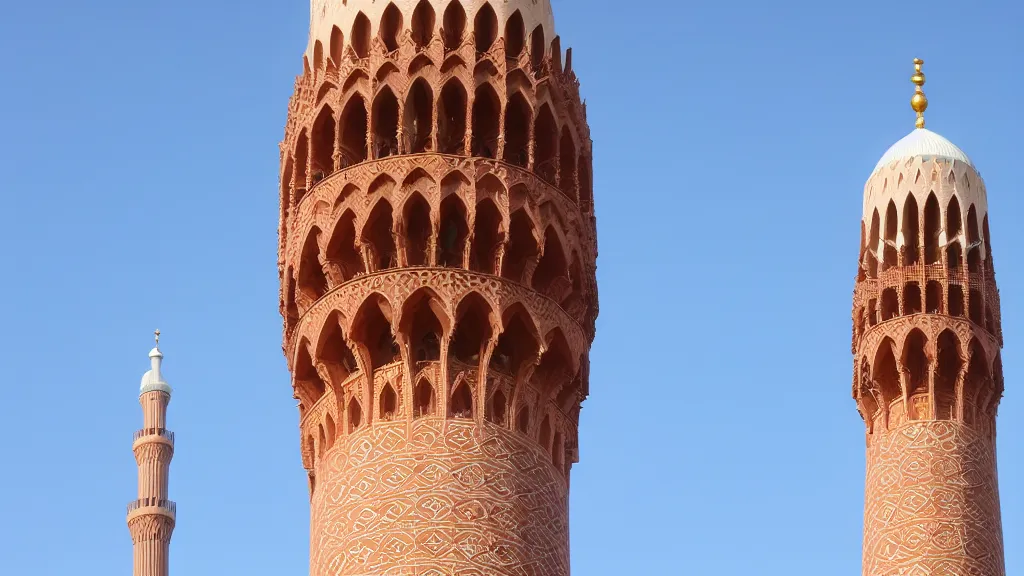 Farah
Farah Mohammedia
Travel & attractions
Farah
Mohammedia
Real estate & living comparison
| Farah | Mohammedia | |
|---|---|---|
| Population | 500,000 | 194,358 |
Last updated: 2026-04-05T11:46:21+00:00
Comments for this comparison