
Ghazni vs. Mumbai: Detailed 2026 Cost of Living & Quality Comparison
 Ghazni
Image by:Suliman Sallehi
Ghazni
Image by:Suliman Sallehi
 Mumbai
Image by:Vijit Bagh
Mumbai
Image by:Vijit Bagh
Mumbai operates in a vastly different reality from Ghazni, particularly concerning quality of life. Mumbai presents a much more developed and comfortable urban environment. Its lower pollution levels, better access to healthcare, and overall higher quality of life metrics indicate a significantly stronger standard of living compared to Ghazni. The available data, showing Ghazni's lower GDP per capita and signs of economic instability, aligns with this assessment, painting a picture of a less prosperous region where the basic quality of life is comparatively lower.
Economically, the gap between these two cities is stark. Mumbai boasts a much higher GDP per capita of $9200, reflecting a robust and developed economy. Ghazni's economic picture is less defined, but its lower cost of living indices and likely lower average salaries strongly suggest a less advanced economic landscape. While Ghazni offers substantially lower living expenses overall, Mumbai's higher salaries come with a corresponding increase in the cost of everyday life.
The difference in housing costs is particularly pronounced. Mumbai's real estate market is highly developed, with clear price differentials between the city center and its periphery. Ghazni's market appears less structured and significantly less expensive, with property prices per square meter being substantially lower, whether buying or renting. This makes housing far more affordable in Ghazni, though the market's liquidity and development level fall short of Mumbai's established norms.
Beyond basic living costs, the quality of essential services like childcare and education differs markedly. Mumbai offers more substantial options, albeit at a higher price point. International primary school tuition fees reach $5208.26 annually, and private preschools cost $130.29 monthly. While specific childcare costs for Ghazni aren't provided, the overall lower cost of living in 2026 suggests potentially more affordable options, but the quality and availability of these services are likely inferior to what Mumbai provides.
In essence, the trade-off is clear. Ghazni presents a compelling case for those prioritizing significantly lower costs for living, housing, and potentially basic goods. However, this comes at the cost of operating within a less developed economic context and potentially facing greater risks regarding safety and healthcare access compared to the more expensive but stable and higher-quality urban environment of Mumbai in 2026.
 Ghazni
 Mumbai
Local cuisine & dishes
Ghazni
Mumbai
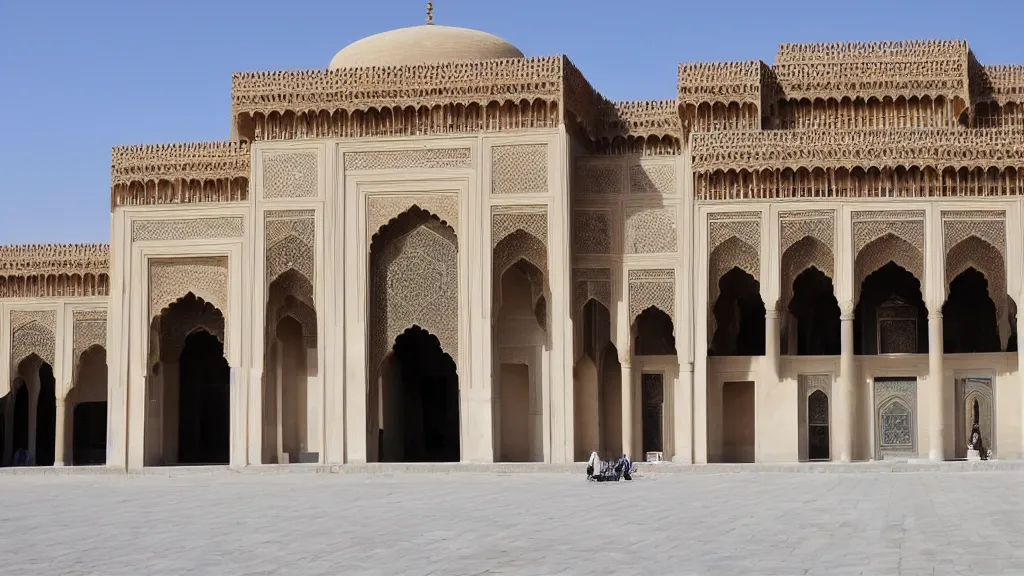 Ghazni
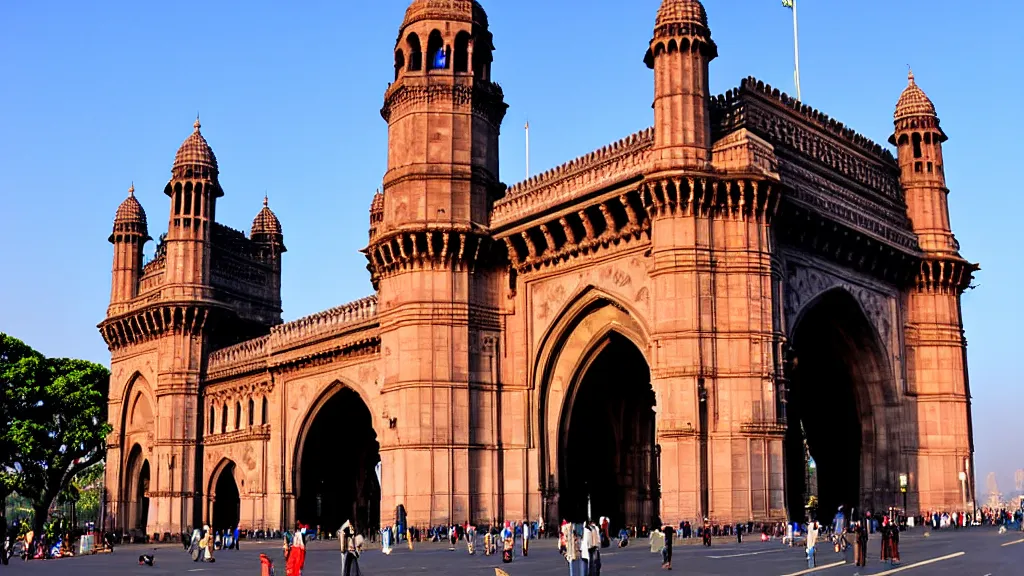 Mumbai
Travel & attractions
Ghazni
Mumbai
Real estate & living comparison
| Ghazni | Mumbai | |
|---|---|---|
| International Primary School, Annual Tuition per Child | 1587.3 USD | 5208.26 USD |
| Private Full-Day Preschool or Kindergarten, Monthly Fee per Child | 20.9 USD | 130.29 USD |
| Jeans (Levi's 501 or Similar) | 10.32 USD | 33.82 USD |
| Men's Leather Business Shoes | 24.4 USD | 46.16 USD |
| Apples (1 kg) | 0.57 USD | 2.41 USD |
| Bananas (1 kg) | 0.85 USD | 0.78 USD |
| Bottled Water (0.33 Liter) | 0.16 USD | 0.16 USD |
| Cappuccino (Regular Size) | 1.06 USD | 2.65 USD |
| Cinema Ticket (International Release) | 2.38 USD | 4.35 USD |
| Gasoline (1 Liter) | 1.06 USD | 1.14 USD |
| Taxi 1 Hour Waiting (Standard Tariff) | 2.78 USD | 1.63 USD |
| Basic Utilities for 85 m2 Apartment (Electricity, Heating, Cooling, Water, Garbage) | 53.71 USD | 54.65 USD |
| Broadband Internet (Unlimited Data, 60 Mbps or Higher) | 113.1 USD | 9.53 USD |
| Population | 143,379 | 24,973,000 |
Last updated: 2026-04-05T11:48:18+00:00
Comments for this comparison